
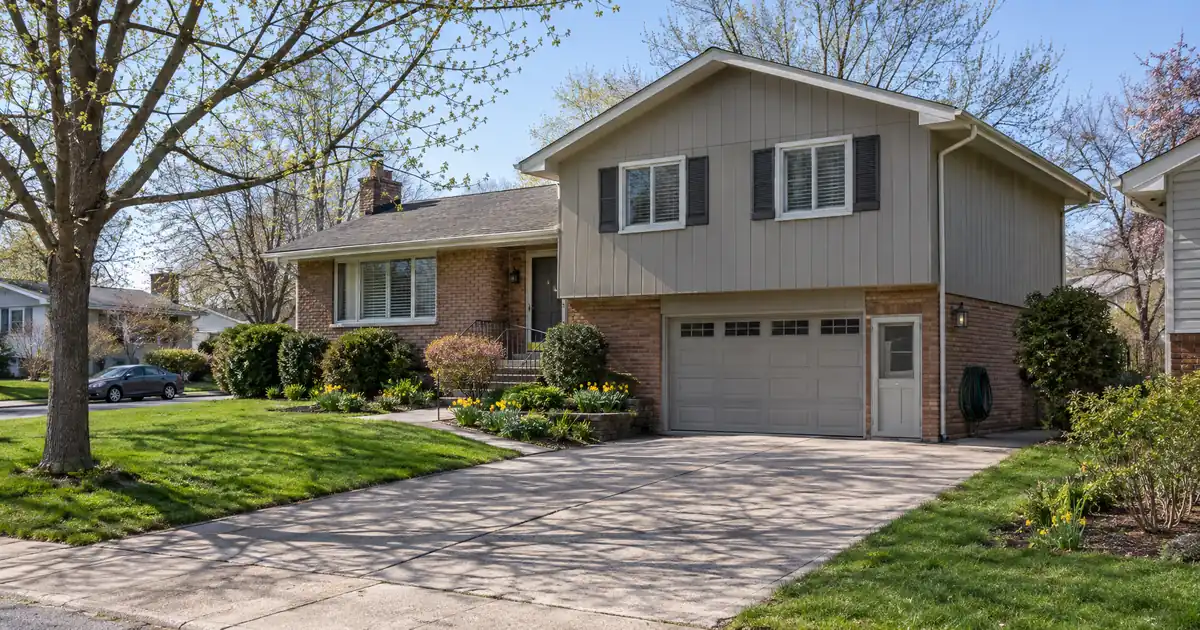
The Quick Read: After an all-cash purchase, the cash-out loan is the more flexible tool for most investors, and the rental HELOC is the narrower one. A DSCR cash-out places a new first lien on a property with no debt and qualifies primarily on property-level rental income covering the payment, subject to lender guidelines. A rental HELOC is reviewed against the borrower’s personal income, credit and debt-to-income ratio.
- A DSCR cash-out on a standard rental tops out around 75% LTV across most of the network, with about 6 months of seasoning as the common expectation.
- A rental HELOC through Lendmire’s wholesale partners caps at 70% CLTV on an investment property, with a 700 minimum credit score and a $500,000 maximum line.
- A HELOC requires title in an individual’s name or a revocable living trust. An LLC cannot hold title on that line.
- Clearing 1.00 coverage is not the same as positive cash flow. DSCR compares rent to the payment only. Final terms depend on lender guidelines, property type, leverage, and the borrower’s complete credit picture.
An all-cash buyer has an unusual advantage: nothing is owed on the property. That changes the comparison. The usual argument for a home equity line is that it lets you keep a cheap first mortgage, and here there is no first mortgage to keep. What is left is a plain question about how you want the lender to underwrite you and how you want the money to arrive.
How large a line the equity supports.
An equity line is sized by combined loan-to-value, occupancy, and credit — not by rental coverage. Switch the occupancy or the credit band and the ceiling moves with it.
Investment-property lines require a 700 minimum credit score; second-home lines start at a 640 minimum and primary-residence lines at 600, and the combined-LTV ceiling steps down as the credit band drops on primary-residence and second-home lines and holds on investment-property lines; the line cap steps down on primary-residence lines and holds at every tier on investment-property and second-home lines.
A debt-to-income ratio above 45% requires 680+ credit. Profiles under 640 are limited to single-family homes. At least 75% of the approved line is drawn at closing. Ceilings, floors, and caps update from Lendmire’s centralized guideline source.
Line estimate
Illustrative estimate only — not a quote, Loan Estimate, approval, or commitment to lend. The rate is an editable assumption; equity-line pricing is variable through both the draw and repayment periods and never converts to fixed. Occupancy and credit drive the ceiling together: an investment property tops out at 70% combined LTV (minimum credit 700, line cap $500,000); a second home tops out at 90% combined LTV (minimum credit 640, line cap $500,000), with the ceiling stepping down as the credit band drops (the cap holds at every tier); a primary residence tops out at 90% combined LTV (minimum credit 600), and its $750,000 maximum line is available only at 75% combined LTV or below with a 700-or-better credit profile (720 on the longer-runway program) and a full appraisal. Lines above $500,000 require a full appraisal. Credit, debt-to-income, property type, and full underwriting review all affect the final line.
Side-by-Side
The table shows what each product looks like on a property with no existing debt. The HELOC column reflects Lendmire’s wholesale network, which brokers equity lines in 16 full-service states. The DSCR column reflects the wider 41-market DSCR footprint. Both are subject to lender guidelines and full file review.
| Factor | DSCR Cash-Out | Rental HELOC (investment) |
|---|---|---|
| Review basis | Rent covering the payment | Borrower income, credit, DTI |
| Lien position | New first lien | Standalone line, first lien here |
| How cash arrives | Lump sum at closing | Revolving line, mostly drawn at closing |
| Max leverage | Around 75% LTV, standard rentals | 70% CLTV on investment |
| Loan size | Up to $3,000,000 on standard programs | $25,000 to $500,000 on investment |
| Credit | Around 660 typical; 620 floor in parts | 700 minimum on investment |
| Entity vesting | LLC vesting generally workable | Individual or revocable living trust only |
| Valuation | Appraisal with rent schedule | Automated valuation commonly, no full appraisal |
| Property types | Standard rentals, STR with history | SFR, 2-4 units, PUD, townhome, condo |
| Not eligible | Manufactured, log, barndominium | Manufactured, co-op, condotel, log |
Market surveys describe conventional investment HELOCs differently. NerdWallet reports a market-wide maximum LTV of 80%, a DTI of roughly 40 to 50 percent and at least 20% equity, and notes that not every lender offers these lines. That is the broader market. On Lendmire’s network, an investment line stops at 70% CLTV. These specifics are subject to lender guidelines and a full review of property, leverage, and credit.
How the Two Are Underwritten
A DSCR cash-out reads the property. The appraiser provides a rent opinion, usually on a 1007 rent schedule for a single unit or a 1025 for two to four units. The lender divides that rent by the new payment on the larger balance. Coverage is tested on the loan you actually take, not the loan you could have taken.
A HELOC reads the borrower. Experian describes an investment-property line as a second mortgage with stricter credit, debt-to-income and reserve standards than a primary-residence line. On Lendmire’s network the DTI maximum is 50%, tested on the interest-only payment calculated at the maximum draw. Most files that struggle here are self-employed borrowers or investors carrying many financed properties.
The network also limits exposure. A borrower can hold three lines, and a borrower owning more than 15 financed properties is not eligible. A DSCR loan has no equivalent personal-property count.
When the DSCR Cash-Out Is the Better Fit
The cash-out wins when the property, not the borrower, is the strong part of the file. Four situations come up repeatedly.
The property sits in an LLC. Many investors buy all cash in an entity. An equity line through the network cannot be written to an LLC, corporation or partnership. A property already deeded to an LLC needs a vesting change or a DSCR cash-out instead. DSCR programs generally accept entity vesting, subject to program terms.
The cash need is large or one-time. A line caps at $500,000 on an investment property. A cash-out can run well past that, up to roughly $3,000,000 on a standard file, though above $2,500,000 the network generally holds to 30-year fixed structures.
Personal income is awkward. Self-employed investors, those with heavy write-offs and those with many properties often show weak debt-to-income on paper while holding strong rent. DSCR qualifies primarily on rental income covering the payment, subject to lender guidelines, which fits that profile.
You want a fixed structure. A DSCR cash-out’s spine is the 30-year fixed. Extended terms, interest-only periods and ARM structures exist through select lenders. The HELOC line floats and never converts to fixed.
The cost to understand before choosing: cash-out reprices the whole balance. Coverage is tested on the larger payment, so a property that clears easily at a small loan can fall short once cash comes out. Run the rent against the new loan before you commit. Leverage and coverage are separate tests. A bigger down payment lowers the payment and can lift the ratio, but it never erases leverage caps, credit floors, reserve rules or property eligibility.
When the Rental HELOC Is the Better Fit
The line wins when your personal file is strong and your need is staged. Here is the profile that works.
You hold title personally or in a revocable living trust. The line fits individual vesting cleanly.
Your credit is 700 or better. Seven hundred is a hard floor on investment, with no tier beneath it. Both 700 and 720 reach 70% CLTV, so a higher score buys eligibility, not leverage.
Your need is modest. Because an investment line caps at $500,000, it is structurally in the automated-valuation lane and commonly closes with no traditional appraisal. That removes an appraisal step, and the rent opinion with it.
You want draw flexibility. The investment structure is a 5-year interest-only draw followed by a 25-year fully amortizing repayment. At least 75% of the line is drawn at closing, with a $1,000 minimum on later draws in most states. So this is less of a drip line than the name suggests, and idle drawn cash still carries cost. The same is true of an undeployed cash-out lump sum.
Rent coverage is thin. A cash-out that fails coverage on the larger payment may still work as a line, because the line tests the person. That is the one place the HELOC solves a problem the cash-out cannot.
The trade-offs are real. The line floats across both the draw and repayment periods. Not every state is available, since the HELOC platform runs in 16 states and the DSCR footprint is wider. And listed-for-sale properties are ineligible in several states.
The Seasoning Question After a Cash Purchase
The question most all-cash buyers ask is how soon they can pull money out. For a DSCR cash-out, about 6 months of seasoning is the common expectation across the network. Seasoning on a purchase is documented by the settlement statement, and files that assume it away get kicked back.
Some lenders offer a delayed-financing approach inside that window. It is a seasoning exception, not a separate loan. The agency version is described in the Fannie Mae Selling Guide, which is useful only as contrast. It lets a cash buyer cash out inside the usual waiting period, and all other cash-out requirements still apply. DSCR loans do not follow that guide. Whether a given DSCR lender runs its own version is lender policy. Where one exists, proceeds generally track documented cost rather than a new appraised value, and rehab spending after closing is typically left out of that basis.
Keep these records ready:
1. The settlement statement showing no financing.
2. Bank statements tracing the source of the purchase funds.
3. The purchase contract.
4. Entity documents, if the property was bought in an LLC.
The source of funds matters. If the cash came from hard money, a bridge loan or a line against another property, the clean cash-buyer logic can break. Those files may need the proceeds to repay the borrowed money. Raise it before the file goes in, not after.
Where Files Actually Get Stuck
Entity mismatch is one place files get stuck. An investor buys in an LLC, applies for a line, and learns at title review that the LLC cannot hold the lien. Fixing it means a deed change, with its own title and transfer questions.
The second is coverage re-testing. Investors price the cash-out on the old, smaller payment in their head, then see the new coverage ratio on the larger balance land under 1.00. Sub-1.00 coverage is available through select lenders in the network, with leverage and terms adjusted. It is a separate path, though, and not the default.
The third is reserves. They vary by lender, leverage, loan size and transaction type. Around 6 months of PITIA is common, conservative rate-term files at modest leverage under $1,500,000 can see reserves waived, and loans above that size typically step up to about 9 months. Document reserves before submission.
The fourth is mixing up coverage and cash flow. DSCR compares rent to PITIA only. Clearing 1.00 does not mean the property is cash-flow positive, because repairs, vacancy, management, utilities and capex sit outside the calculation.
Can You Use Both?
Sequence matters. A cash-out replaces the first lien, so a line added afterward sits behind it, and combined leverage limits apply. Going the other way, a line first and a cash-out later means the cash-out refinances the line, and the line must be paid off at closing. Investors weighing a smaller draw against a full pull can read Lendmire’s piece Smaller Cash-Out Refinance vs. Waiting After an All-Cash Rental Purchase. Those comparing a line with a cash-out to fund the next deal may find Lendmire’s article on the topic, DSCR HELOC vs. DSCR cash-out refinance to fund the next rental purchase, useful.
The Verdict
Pick the DSCR cash-out if the property is in an LLC, the need is large, your personal income is hard to document, or you want a fixed structure. Pick the HELOC if you hold title personally, your credit is 700 or better, your need fits under $500,000, and you want a revolving structure.
If rent coverage is thin and your personal file is strong, the line may be the only workable route. If title sits in an entity and coverage is strong, the cash-out is. Plenty of all-cash buyers fit both, and then the decision comes down to size of the need and how much of the line you would actually draw.
For the broader picture, Lendmire’s complete DSCR loans guide covers how coverage, leverage and credit fit together. Tax treatment can depend on how the funds are used and how the property is held; borrowers should keep clear records and speak with a qualified tax professional before relying on any deduction.
If you are weighing a home equity line against a cash-out refinance and want to see how the numbers work, Lendmire can help you compare options based on the property, the equity available, credit profile, combined leverage, and your goals. An illustrative calculator on the site can sketch the comparison.
Key Terms Defined
DSCR cash-out refinance: A new first loan on a rental, sized on property rent coverage, that returns equity as cash.
Rental HELOC: A revolving line secured by an investment property and reviewed against the borrower’s income and credit.
Seasoning: The ownership period a lender expects before it will lend cash-out against a property.
Delayed financing: A seasoning exception that lets a cash buyer borrow inside the usual waiting period, sized on documented cost.
CLTV: Combined loan-to-value, which counts every lien against the property’s value.
Frequently Asked Questions
How soon after an all-cash purchase can I take cash out?
About 6 months of seasoning is the common expectation for a DSCR cash-out across the network. Some lenders allow delayed financing inside that window, sized on documented cost, so lender policy decides.
Is any loan on a free-and-clear rental a cash-out loan?
Yes. With no existing lien, a new loan pays nothing off, so it is treated as cash-out. That is why the cash-out leverage cap applies, around 75% LTV on standard rentals. Terms depend on the lender’s guidelines, the property type, the leverage, and a full review of the credit profile.
Can an LLC hold a rental HELOC?
No, not through the network’s equity line. Title must sit with the individual borrower or a revocable living trust. A DSCR cash-out generally accepts LLC vesting, subject to program terms.
Can a HELOC sit in first position on a paid-off rental?
Yes. The network’s equity line can be a standalone line in first or second position. Some lenders elsewhere will not write a first-position line, so confirm before applying.
Does a strong coverage ratio shorten the wait?
No. Coverage and seasoning are separate tests, and a strong ratio does not remove the seasoning expectation.
For the mechanics of pulling equity out of a rental property, see Lendmire’s guide to cash-out refinance on an investment property.
About Lendmire
Lendmire (NMLS# 2371349) is a mortgage broker. Home equity lines of credit — on a primary residence, a second home or an investment property — are arranged through wholesale lenders in Lendmire’s 16 full-service states, and every line is underwritten by the lender under its program guidelines. Scotsman Guide named Lendmire a Top Mortgage Workplace in both 2025 and 2026.
Get Started
Ready to find the right loan for you?
See your offer in seconds. No credit pull, no obligation.
Informational only. Not a Loan Estimate, approval, or commitment to lend. Program availability and eligibility are subject to lender guidelines, credit approval, property review, and underwriting.
References
1. NerdWallet, HELOC on investment property
2. Experian, HELOC on investment property
3. Fannie Mae Selling Guide B2-1.3-03
This article is part of Lendmire’s investment property HELOC program — full qualification details, guidelines, and scenarios live on the program page.
Related reading: How Much a DSCR Cash-Out Pulls From a Rental for a Lock-in Owner · Can DSCR Cash-Out Proceeds Fund a Down Payment on Another Rental? · Can You Get a DSCR Cash-Out on a Fourplex Without Written Leases?
Brandon Miller
Founder & CEO, Mortgage Loan Originator, Lendmire LLC
- Mortgage Loan Originator · NMLS# 1129696 · Verify on NMLS Consumer Access
- North Carolina Real Estate Broker · License# 343312 · Verify on NCREC
- North Carolina Insurance Producer · License# 19053198 · Property, Casualty, Life, Health · Verify on NAIC SBS
- Lendmire LLC · Firm NMLS# 2371349 · Verify firm licensure
Required disclosures. Lendmire (NMLS# 2371349) operates as a licensed mortgage broker, not a direct lender or depository. The discussion in this article is general in nature and should not be relied upon as financial, legal, or tax advice — every investment scenario is unique and should be reviewed by a qualified professional. Any loan inquiry is subject to lender underwriting, and this article is not a commitment to lend or a guarantee of approval. Mortgage rates, loan terms, and program guidelines vary by borrower, property, and state, and may change without notice. Equal Housing Opportunity. Verify licensure at NMLS Consumer Access.