
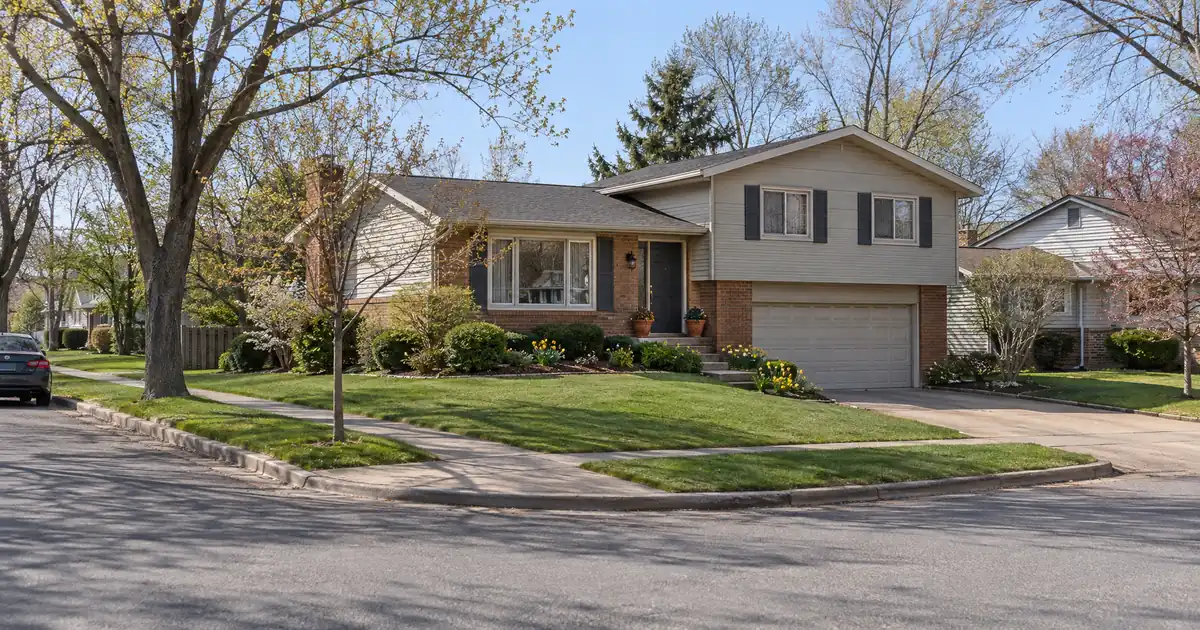
The Quick Read: Some closing fees are charged once per loan. Others repeat on every property. A single blanket loan consolidates the first group and leaves the second mostly intact, while separate loans repeat both. None of these fees enter the DSCR ratio, which compares rent to the monthly obligation.
- Loan-level fees (origination, legal, the closing package) are charged once per note.
- Property-level fees (appraisal, title work, recording, insurance deposits) typically repeat on every house, even on one blanket note.
- Closing costs change your cash to close and your reserves. They do not change your coverage ratio.
- A blanket loan trades fee consolidation for less exit flexibility and shared risk across the pool.
- Fee quotes vary by lender and file, so ask for them split into one-time and per-house lines.
Here is the honest answer on who each structure is for. A blanket loan suits the investor who is buying or refinancing several houses at once, plans to hold them, and wants one set of paperwork. Separate loans suit the investor who wants each house standing on its own, or who expects to sell one soon. Neither is cheaper by default. The fee stack decides it, and the fee stack depends on how many lines repeat.
DSCR Calculator
Run the numbers in your market
Rate source: Freddie Mac 30-yr average via FRED® — Federal Reserve Bank of St. Louis · effective Oct 22, 2026
Prefilled with starting assumptions — enter your own rent or nightly figures, taxes, insurance, and HOA for a more accurate picture.
Program parameters update from Lendmire’s centralized guideline source. Taxes and insurance are editable estimates.
As of Oct 22, 2026 · General Freddie Mac market benchmark, not a Lendmire loan offer. Rent, nightly rate, occupancy, taxes, and insurance are editable estimates. Short-term rental figures are estimates only and vary significantly by season, property type, management approach, and local short-term-rental rules — confirm local regulations before relying on them. Qualifying income for short-term rentals varies by program — some use appraisal market rent, others use documented STR history or projections — and is confirmed in underwriting. Not a Loan Estimate, approval, or commitment to lend. Program availability and eligibility are subject to lender guidelines, credit approval, property review, and underwriting.
Side-by-Side
The table below compares the two structures on how the file is built. It describes typical structures across the lenders we place files with. Individual lenders differ, so treat it as a map, not a quote.
| Factor | One Blanket Loan | Separate Loans Per House |
|---|---|---|
| Review basis | Rent vs. PITIA, often tested across the pool | Rent vs. PITIA, tested house by house |
| Documentation | Consolidated package, plus per-house items | Package repeats at each closing |
| Property types | Eligible 1-4 unit rentals; some lenders limit mixes | Eligible types judged one at a time |
| Entity vesting | One borrower entity on one note | Entity paperwork may repeat per file |
| Number of closings | One | One per house |
| Reserves | Sized to the combined obligation | Sized to each loan, then combined |
| Selling one house | Usually needs a release process | Sell it; pay off that loan |
PITIA, in plain terms, is principal, interest, taxes, insurance, and association dues. It is the monthly obligation your rent must cover.
How the Lender Sorts Every Fee
A lender sorts fees by asking what each charge attaches to. If it attaches to the note, it is one-time. If it attaches to a house, it repeats. If it is a percentage of the balance, it scales with loan size.
Charged once per loan (the note):
- Origination or processing and underwriting fees
- Legal and document preparation
- The closing package itself
Charged once per property (the house):
- The appraisal, including the rent schedule
- Title search and title insurance
- Recording charges
- Flood certification and tax service, where applied
- Hazard insurance and escrow deposits
- Transfer taxes, in places that charge them
Scales with the balance:
- Any fee quoted as a percentage of the loan
Recording and transfer charges depend on state and county. That matters if your houses sit in different jurisdictions, because the same fee line can come out differently on each file.
Here is the catch with percentage-based fees. A single origination percentage applied to a larger blanket balance can cost about as much in total dollars as the same percentage across several smaller loans. “One fee” and “a smaller fee” are not the same claim.
Innago’s blanket-mortgage explainer makes the related point that each property in a blanket still gets its own appraisal while certain other fees consolidate. That matches what we see on files across the network. Consolidation helps the transaction layer. The underwriting layer stays property by property.
What Closing Costs Are (and Are Not)
Closing costs are the upfront charges to obtain the loan and transfer ownership. The CFPB’s explainer on the Loan Estimate uses that same definition and adds a useful distinction: estimated cash to close includes the down payment and the closing costs, less any deposit, seller credits, and other adjustments. So closing costs are one piece of cash to close. They are not another name for it.
One caution on that source. It is written for consumer mortgages. DSCR loans are business-purpose investor loans and are exempt from the consumer disclosure forms, so use it for the definition only. Your DSCR lender will show fees in its own format.
Three cash buckets matter on every investor file:
1. Down payment. Typically 20%-25% on a purchase (75%-80% LTV) for most programs in the network. LTV is the loan amount as a percentage of the property value.
2. Closing costs. The fees sorted above.
3. Reserves. Verified liquid funds that remain after you pay the down payment and closing costs.
Reserves are not a fee. They sit in your account after closing. And money you spend on closing cannot be counted a second time as reserves. Investors who budget only the down payment are the ones surprised at the table.
Why Closing Costs Never Touch the Ratio
The DSCR ratio is monthly rent divided by PITIA. Fees are not in that formula. A lender credit or a seller credit lowers your cash to close, but rent and PITIA stay put, so coverage does not move.
What does move coverage: price, down payment, and loan structure. A larger down payment lowers the monthly obligation and can lift the ratio. It never erases leverage caps, credit floors, reserve rules, or property eligibility. The strongest files clear both tests: enough equity and enough rental coverage.
One more reality check. Clearing the coverage test is not the same as positive cash flow. Repairs, vacancy, management, utilities, and capex sit outside the calculation. A house can pass coverage and still leave you thin after a roof repair.
When One Blanket Loan Is the Better Fit
A blanket loan fits best when you are acquiring or refinancing several houses together, plan to hold most of them, and value one file over many. It consolidates the loan-level fees and cuts the repeated paperwork.
Where it wins:
- Fewer loan-level charges. Origination, legal, and the closing package are paid once instead of per house.
- One set of documents. Entity paperwork, funds sourcing, and the application package are assembled once.
- Blended coverage. On many blanket structures, the lender tests coverage across the pool. A strong house can offset a weak one. On separate loans, each house stands or falls alone.
- One reserve conversation. Reserves are sized to the combined obligation. For reference, reserves across the network commonly run around six months of PITIA, and larger loans above $1,500,000 typically step up to about nine months. Conservative files at modest leverage under that size can see reserves waived. Lender, leverage, loan size, and transaction type all shift this.
Picture an investor refinancing six long-held houses on a single note. The properties are in the same metro, similar in rent, and all staying in the portfolio for the foreseeable future. The one-time fees are paid once, and one strong house helps carry a thinner one. That is the blanket’s best case.
Where it costs you:
- Per-house fees stay. Appraisals, title, recording, and escrow deposits repeat on each property.
- Percentage fees still scale. A larger balance can mean a larger dollar fee on anything quoted as a percent.
- Selling one house gets more involved. A blanket’s release clause lets you sell a property by satisfying the terms the lender sets. Those terms can include a stated payoff amount, administrative fees, or a pricing step-up. Negotiate them before signing, because an expensive release can erase the savings.
- Cross-collateralization. Every property secures the whole balance, so trouble on one can put the others at risk.
- Holding period matters. If you plan to sell or refinance within a few years, the math can tilt toward separate loans.
For a deeper look at a large pool, Lendmire’s piece How a DSCR Lender Sizes Closing Costs on a Ten-House Blanket Loan walks through how the fee stack behaves at that scale.
When Separate Loans Are the Better Fit
Separate loans fit best when each house has its own story: different leverage, different condition, different exit plan. You pay more loan-level fees, but you isolate risk and keep every house sellable on its own.
Where it wins:
- Risk isolation. A problem property stays a problem for that loan only.
- Clean exits. Selling one house means paying off one loan. No release negotiation.
- Fit to each property. You can match leverage to each house. Purchase files typically land at 75%-80% LTV across the network, and select high-leverage programs reach 85% LTV at roughly a 700+ score. Cash-out refinances top out around 75% LTV on most programs. Seasoning (the waiting period after you buy) is commonly around six months for cash-out.
- Flexibility on the mix. A house that barely clears coverage does not drag down a stronger one.
Say you are buying three houses over a year, staggered. You are not closing them together, so a blanket is not even on the table. Separate loans are the natural structure, and each file is judged on its own rent and its own PITIA. Some lenders also treat later closings more smoothly once you have a track record with the first.
Where it costs you:
- Loan-level fees repeat. Origination, legal, and closing package charges show up at every closing.
- Paperwork repeats. You will source and document cash multiple times. (Each lender file is its own project, and that fatigue is real.)
- Reserves are tested per file. Each loan carries its own reserve requirement, and funds can’t be double counted across closings.
- Coverage is not blended. A weak house cannot lean on a strong one. Terms depend on the lender’s guidelines, the property type, the leverage, and a full review of the credit profile.
Lendmire’s piece How a DSCR Lender Counts Closing Costs When You Consolidate Rentals covers the refinance side of this decision in more detail.
The Hidden Per-House Repeats
“One closing” claims often skip the small lines. Even on one note, expect several charges to stay per house:
- Flood certification and tax service on each parcel
- Recording in each county
- Title search in each county
- Escrow and prepaid deposits for each property’s insurance and taxes
- Entity vesting paperwork, which may repeat depending on how each file is set up
If your houses sit in different counties or states, the mix changes again. Fee schedules are local. If you hold title in an LLC, entity-titled loans are subject to lender program eligibility, and the vesting steps differ by structure.
What about batching? Closing several separate notes on the same day is not the same as a true single note. You may share some paperwork, but each note still carries its own loan-level charges. Ask your lender which lines actually consolidate under the structure it is proposing.
DSCR vs. conventional financing
There are two common ways to finance an investment property, and they qualify you differently — here’s how investors weigh them.
Why investors choose it
- Qualifies on the property’s rental income — no personal tax returns, W-2s, or pay stubs needed to document income.
- No personal debt-to-income ceiling to clear, so existing mortgages and obligations don’t cap your borrowing the same way.
- Can be closed in an LLC, keeping the property inside a business entity.
- Built for scaling — not held to the limit on number of financed properties that conventional financing applies.
- Underwriting centers on the deal: generally qualifies when the rent covers the payment, a 1.00x coverage ratio being a common baseline (confirmed in underwriting).
- Designed specifically for investment property, including long-term and, where the program allows, short-term rentals.
Where it’s strong
- Often the lowest ongoing financing cost for a buyer who fully qualifies on personal income — a fit for a first property or a cost-first purchase.
Trade-offs for investors
- Requires full personal income documentation and must fit within a debt-to-income limit — salary, existing debts, and other mortgages all count.
- Typically held in your personal name rather than a business entity.
- Caps how many financed properties you can carry, which can become a ceiling as a portfolio grows.
- Evaluates you as a borrower as much as the property, which usually means more paperwork.
How investors usually choose: a first or single property often optimizes for the lowest financing cost; portfolio builders often optimize for leverage, vesting in an LLC, and scaling past conventional caps. The right answer depends on your goals, the property, and current guidelines — both paths run through select lenders in Lendmire’s wholesale network, with eligibility and terms confirmed in underwriting.
Your Cash-to-Close Checklist
Work through this before you request quotes on either structure:
1. Count the houses and the number of notes you are considering.
2. Mark each fee line as once per loan, once per house, or percentage-based.
3. Add the down payment as its own bucket, using the LTV for each transaction type.
4. Add reserves as a third bucket, and subtract closing funds before counting them.
5. Identify which houses sit in different counties or states.
6. Ask about release terms and any per-release fees if you are considering a blanket.
7. Confirm whether any seller or lender credit applies, and what it can cover.
On seller credits: they reduce cash to close but only for real settlement and prepaid costs. They never replace the down payment or reserves, and the ceiling comes from the lender’s guidelines.
Questions to Put to a Lender
You get a cleaner comparison when you ask for the fee quote in a particular shape:
- Which fees are charged once per loan, and which repeat per property?
- Does the origination fee scale with the balance or with property count?
- How is coverage tested: per house or across the pool?
- What does a release cost, and what triggers it?
- What happens to the fee count if a house is dropped or swapped mid-file?
- How are escrows and prepaids counted across properties?
A good broker will get these answers in writing across several lenders before you commit. Comparing the full fee stack is the point, not just the headline.
Key Terms Defined
Blanket loan: One loan secured by several properties, with a single note and a single closing.
Cash to close: The total you bring to the table, including the down payment and closing costs, less credits and deposits.
Cross-collateralization: Each property secures the entire balance, not just its own share.
DSCR: Debt service coverage ratio. It compares a property’s monthly rent to its PITIA.
Release clause: A term that lets you sell one property out of a blanket by meeting conditions the lender sets.
Reserves: Liquid funds left over after the down payment and closing costs, measured in months of PITIA.
Seasoning: The waiting period a lender wants between buying a property and refinancing it.
Verdict
Neither structure wins on closing costs alone. A blanket consolidates the loan-level fees and trims the paperwork. Separate loans repeat those fees but give you isolation and clean exits. The per-house charges (appraisal, title, recording, deposits) stay either way.
So the real test is your plan. Hold a tight cluster of rentals for years and want one file? A blanket deserves a hard look. Buying in stages, mixing leverage, or expecting to sell one house? Separate loans usually fit better. Everything stays subject to lender guidelines, credit review, and property review, and programs change.
Tax treatment varies by how funds are used and how the property is held, so consult a qualified professional before relying on any deduction.
If you are buying or refinancing a rental property and want to see how the numbers work, Lendmire can help you compare DSCR loan options based on the property income, credit profile, leverage, and investor goals. The complete DSCR loans guide covers the wider program picture.
Frequently Asked Questions
Do closing costs lower my DSCR?
No. The ratio compares rent to PITIA, and fees are not in either number. Closing costs affect your cash to close and the reserves you have left. Price, down payment, and loan structure are what move coverage.
Does a blanket loan mean I pay one set of closing costs?
Not entirely. Loan-level fees such as origination, legal, and the closing package are paid once. Per-property items like appraisals, title work, recording, and escrow deposits typically still apply to each house. Percentage-based fees can also scale with the larger balance.
Can closing funds double as my reserves?
No. Money you spend on the down payment and closing costs cannot be counted again as reserves. Reserves are the verified liquid assets that remain afterward, commonly around six months of PITIA on most files, depending on lender, leverage, and loan size.
Is a blanket loan cheaper if I plan to sell a house soon?
Often not. Selling one property usually runs through a release process, and release terms can add cost. If you expect to sell within a few years, separate loans may come out ahead because each house can be paid off independently.
Do fees change if my houses are in different counties?
Fees can change. Recording and transfer charges depend on state and county, and title work is local. Mixed jurisdictions can add per-house lines even when everything sits on a single note.
About Lendmire
Lendmire (NMLS# 2371349) is a DSCR-focused mortgage broker that helps arrange investor financing across 41 markets, including Washington, D.C., through wholesale and investor-lending channels. DSCR eligibility is generally reviewed by the lender around the property’s rental income rather than personal income documentation, subject to lender guidelines — which works for self-employed investors, LLC operators, and portfolios above four financed properties. Scotsman Guide named Lendmire a Top Mortgage Workplace in both 2025 and 2026.
Get Started
Ready to find the right loan for you?
In about 30 seconds you can review financing options available for your investment property. No commitment required.
Informational only. Not a Loan Estimate, approval, or commitment to lend. Program availability and eligibility are subject to lender guidelines, credit approval, property review, and underwriting.
References
1. Innago: Blanket Mortgages, What You Need to Know
2. CFPB: Loan Estimate Explainer
This article is part of Lendmire’s DSCR loan program — full qualification details, guidelines, and scenarios live on the program page.
Related reading: House-Only vs Mixed DSCR Pool for an LLC Investor With 10+ Doors · Short-Term Rental DSCR Documents for a First-Time Hard Money Exit · DSCR Portfolio Closing Requirements for a Package With Turnover
Brandon Miller
Founder & CEO, Mortgage Loan Originator, Lendmire LLC
- Mortgage Loan Originator · NMLS# 1129696 · Verify on NMLS Consumer Access
- North Carolina Real Estate Broker · License# 343312 · Verify on NCREC
- North Carolina Insurance Producer · License# 19053198 · Property, Casualty, Life, Health · Verify on NAIC SBS
- Lendmire LLC · Firm NMLS# 2371349 · Verify firm licensure
Legal disclosures. Lendmire (NMLS# 2371349) is a state-licensed mortgage brokerage that arranges financing through wholesale lender relationships. Lendmire is not a direct lender, depository institution, or registered financial advisor. The discussion above is general informational content about real estate financing — it is not financial, legal, or tax advice, and readers should consult licensed professionals for guidance on their individual circumstances. Loan inquiries are subject to lender underwriting; this article does not represent a commitment to lend. Loan terms, rates, and qualification standards vary by borrower, property, and state, and are subject to change at any time. Equal Housing Opportunity. NMLS Consumer Access: nmlsconsumeraccess.org.