
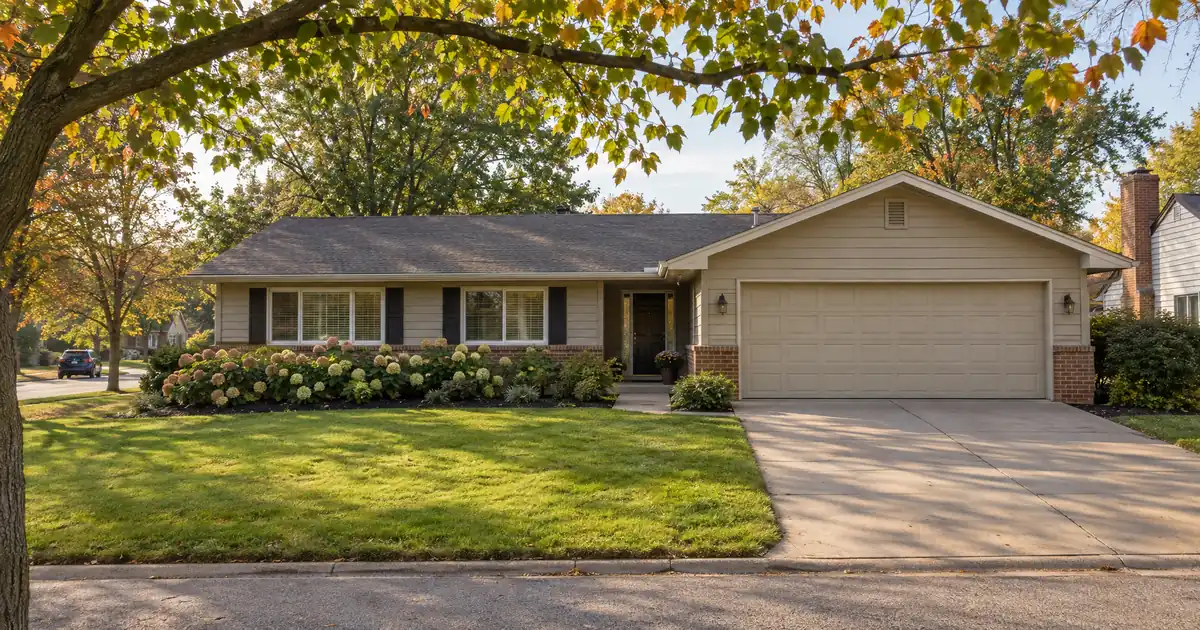
The Quick Read: On a DSCR loan, the LLC is the borrower and takes title at closing, while a real person signs a separate personal guaranty, so the file is reviewed mainly on the property’s rent but still leans on that guarantor’s credit, reserves, and experience, and the usual property and leverage rules do not change.
- The LLC signs the note and the mortgage or deed of trust, and it holds title.
- An individual signs the guaranty. Signing for the LLC and guaranteeing it are two separate acts.
- Putting title in an LLC generally does not change which properties qualify or how much leverage the program allows.
- Buying or refinancing directly into the LLC is cleaner than deeding a mortgaged property into it later.
- Conventional loans generally want personal-name title, so the LLC choice shapes what else stays open to you.
A DSCR loan is a rental-property loan that qualifies primarily on property-level rental income covering the payment, subject to lender guidelines. Lendmire is a broker that arranges these loans through select lenders in its wholesale network. That network view is what this guide draws on. Different lenders handle entity paperwork differently, so the pattern below is the common one, not a promise about any single file.
DSCR Calculator
Run the numbers in your market
Rate source: Freddie Mac 30-yr average via FRED® — Federal Reserve Bank of St. Louis · effective Oct 15, 2026
Prefilled with starting assumptions — enter your own rent or nightly figures, taxes, insurance, and HOA for a more accurate picture.
Program parameters update from Lendmire’s centralized guideline source. Taxes and insurance are editable estimates.
As of Oct 15, 2026 · General Freddie Mac market benchmark, not a Lendmire loan offer. Rent, nightly rate, occupancy, taxes, and insurance are editable estimates. Short-term rental figures are estimates only and vary significantly by season, property type, management approach, and local short-term-rental rules — confirm local regulations before relying on them. Qualifying income for short-term rentals varies by program — some use appraisal market rent, others use documented STR history or projections — and is confirmed in underwriting. Not a Loan Estimate, approval, or commitment to lend. Program availability and eligibility are subject to lender guidelines, credit approval, property review, and underwriting.
Key Terms Defined
Vesting is how title to the property is held, meaning whose name is on the deed and the title policy.
Borrower is the party that signs the note and owes the debt. On an LLC file, that is the LLC.
Guarantor is the individual who promises to pay the debt personally if the LLC does not.
Authorized signer is the person the operating agreement allows to sign for the LLC.
PITIA is principal, interest, taxes, insurance, and association dues. DSCR compares monthly rent to that total.
Due-on-sale clause is a mortgage term that lets the existing lender demand full repayment if the property is transferred without consent.
Who Is on the Deed, the Note, and the Guarantee?
Three documents carry three different names or roles. Mixing them up is a common source of confusion on LLC files.
| Document | Who signs | In what capacity |
|---|---|---|
| Deed / title | LLC takes title | Owner of record |
| Note | Authorized signer | On behalf of the LLC |
| Mortgage or deed of trust | Authorized signer | On behalf of the LLC |
| Guaranty | The individual | Personally, as guarantor |
The LLC owns the property and owes the loan. The guarantor backs the loan with personal credit. Those are different roles, even when one person plays both.
Why a Person Still Signs
Lenders ask for a guaranty because an LLC’s members are not personally liable for the LLC’s debts. A brand-new LLC also has no credit history of its own. The loan is reviewed on the property’s rent, yet someone with a real credit profile has to stand behind it. On most files we place, that person is the guarantor.
Does that wreck the LLC’s protection? No, and the overstated version of this worry is a common misreading. A guaranty makes you liable on that one loan. If the property sells for less than the debt after a foreclosure, the guarantor can be on the hook for the shortfall. Other claims, such as a tenant injury or a contractor dispute, still run against the LLC first.
The LLC’s protection erodes for other reasons, such as mixing personal and company funds, ignoring the company’s separateness, or fraud. A guaranty does not do that by itself.
So the LLC does not remove your personal exposure on the loan. It separates the property’s day-to-day risks from the rest of your assets. Both statements are true at once.
How Underwriting Treats an LLC Borrower, Step by Step
The review follows a steady order across most programs in our network.
1. The entity is formed and in good standing. Expect formation documents, an EIN letter, an operating agreement, and a good-standing certificate. If the LLC was formed outside the property’s state, a foreign-entity registration usually joins the list.
2. The guarantor is identified. In a single-member LLC, one person signs twice: once for the company and once personally. Multi-member LLCs vary more, which the next section covers.
3. The property is reviewed on rent versus PITIA. Coverage of 1.00 is where select programs start. A separate select-lender path takes coverage below 1.00, with leverage and terms adjusted. Stronger ratios open better pricing and leverage.
4. The guarantor’s profile is checked. A 620 score floor exists in parts of the network. Most programs want around 660. A 700 or higher score unlocks the strongest leverage tiers.
5. Reserves are verified. They vary by lender, leverage, loan size, and transaction type, and they commonly run around 6 months of PITIA. Conservative rate-and-term files at modest leverage under $1,500,000 can see reserves waived. Larger loans typically step up to about 9 months.
6. Names are matched across every document. The entity on the note must match the title commitment, the insurance policy, the appraisal, and the lease.
7. Closing and vesting. The note and security instrument carry the LLC’s signature. The guaranty carries the individual’s. Title vests in the LLC.
One more point on step 3. DSCR measures rent against PITIA only. Clearing 1.00 does not mean the property produces positive cash flow, because repairs, vacancy, management, utilities, and capital expenses sit outside the calculation. Budget for them separately.
Leverage on an investment-property purchase most often lands at 75% to 80% LTV, meaning 20% to 25% down. Select high-leverage programs reach 85% LTV on a purchase, typically with a 700 or higher score. On a cash-out refinance, the ceiling is around 75% LTV across most of the network, with about 6 months of seasoning as the common expectation. Standard programs run up to $3,000,000, and above $2,500,000 the network generally holds to 30-year fixed structures. All of this is subject to lender guidelines. The vesting choice does not move any of these numbers.
For the full picture of how these loans work, see the complete DSCR loans guide.
Who Signs, by Ownership Structure
The right answer depends on who owns the LLC. The operating agreement decides who can sign for the company. Having an ownership stake does not, on its own, give anyone that authority.
| Structure | Typical signer(s) | Common snag |
|---|---|---|
| Single-member LLC | One person, two capacities | Forgetting the guaranty signature |
| Multi-member LLC | Managing member plus larger owners | Unclear signing authority |
| LLC owned by another LLC | Individuals behind the top entity | Extra documents, extra review |
| Trust-owned property | Trustee, with trust certification | Trust type not accepted |
In multi-member LLCs, programs commonly ask members with a meaningful ownership share, or the managing member, to guarantee. The exact cutoff varies by lender, so treat any single number you see online as one lender’s choice, not a rule. Minority passive members often do not sign, though that also depends on the program.
Say two partners each own half and both guarantee. A few lenders in our network use the lower of the guarantors’ middle credit scores for the file. Others lean on the managing member. That difference can decide whether the file lands in a stronger leverage tier, so it is worth asking before you pick a lender.
Layered structures work too, with more paperwork. Each LLC is its own borrower with its own documents, and one person can guarantee several of them. A holding company above the title-holding LLC means the lender wants to see who stands behind the top entity.
Revocable trusts are usually the most workable trust type, since they need a certification of trust and proof the trustee can borrow. Land trusts and irrevocable trusts are typically harder. Program acceptance varies, so confirm early.
What the Title Company Checks
The title company does not care how strong the rent is. It cares that the LLC exists, that it is in good standing, and that the person signing has authority. Before closing, it typically runs a title search, issues a commitment, and prepares a lender’s policy in the LLC’s name.
Expect requests for the operating agreement and the good-standing certificate. A stale certificate or an operating agreement silent on borrowing authority is a classic hold-up. Fix those first.
Exact-name matching matters more than most borrowers expect. “Maple Row Holdings LLC” and “Maple Row Holdings, L.L.C.” can trigger a correction request. Pick the legal name once and copy it everywhere.
DSCR vs. conventional financing
There are two common ways to finance an investment property, and they qualify you differently — here’s how investors weigh them.
Why investors choose it
- Qualifies on the property’s rental income — no personal tax returns, W-2s, or pay stubs needed to document income.
- No personal debt-to-income ceiling to clear, so existing mortgages and obligations don’t cap your borrowing the same way.
- Can be closed in an LLC, keeping the property inside a business entity.
- Built for scaling — not held to the limit on number of financed properties that conventional financing applies.
- Underwriting centers on the deal: generally qualifies when the rent covers the payment, a 1.00x coverage ratio being a common baseline (confirmed in underwriting).
- Designed specifically for investment property, including long-term and, where the program allows, short-term rentals.
Where it’s strong
- Often the lowest ongoing financing cost for a buyer who fully qualifies on personal income — a fit for a first property or a cost-first purchase.
Trade-offs for investors
- Requires full personal income documentation and must fit within a debt-to-income limit — salary, existing debts, and other mortgages all count.
- Typically held in your personal name rather than a business entity.
- Caps how many financed properties you can carry, which can become a ceiling as a portfolio grows.
- Evaluates you as a borrower as much as the property, which usually means more paperwork.
How investors usually choose: a first or single property often optimizes for the lowest financing cost; portfolio builders often optimize for leverage, vesting in an LLC, and scaling past conventional caps. The right answer depends on your goals, the property, and current guidelines — both paths run through select lenders in Lendmire’s wholesale network, with eligibility and terms confirmed in underwriting.
Vest at Closing or Deed First?
Buying or refinancing straight into the LLC is the cleaner path, because the lender, the title company, and the insurer all work from the LLC’s name from day one. The harder case is a rental you already own personally with a mortgage on it.
Federal law defines a due-on-sale clause as a provision letting a lender demand repayment if “all or any part of the property, or an interest therein” is transferred without consent, as the Cornell Legal Information Institute’s text of 12 U.S.C. § 1701j-3 lays out. The protected exemptions apply only to residential property with fewer than five dwelling units, according to Miller, Miller & Canby. They mostly cover family and estate-type transfers.
A transfer into an LLC is not one of them. An estate-planning article from WealthCounsel says such a transfer gets no protection under that statute. A lender may never notice or act. That enforcement is discretionary, but the risk is real, and you carry it.
There is a second trap. The loan does not move with the deed. If the mortgage is in your name and you deed the property to your LLC, you still owe that loan personally. The LLC owns a property that someone else’s loan is secured against.
The usual route is a refinance that pays off the old loan and vests title in the LLC at the same closing. Lendmire’s piece How to Get a DSCR Cash-Out With Trust or LLC Title After a Quitclaim covers what happens when the deed moves first.
Moving title afterward can also add recording fees, a gap in the LLC’s separation, and title-insurance questions. A warranty deed tends to preserve title coverage better than a quitclaim. Ask the title company before you sign either one.
What Stays Available Once an LLC Holds Title
Most of the DSCR menu stays open. The main change is on the conventional side.
| Option | Works with LLC title? | What to know |
|---|---|---|
| DSCR purchase | Yes | Typically 75%–80% LTV |
| DSCR cash-out refinance | Yes | Around 75% LTV on standard rentals |
| Select high-leverage purchase | Yes | Up to 85% LTV, typically 700+ |
| Extended and interest-only terms | Yes | Through select lenders in the network |
| Conventional owner-style loans | Generally no | Usually require personal-name vesting |
The 40-year and interest-only structures sit on top of the 30-year fixed spine, and ARM structures exist for investors who want them. None of that depends on who holds title. Eligibility is still subject to lender program requirements.
Property type is where the LLC offers no help. Manufactured homes (single- and double-wide), log homes, and barndominiums are not offered in the network’s DSCR programs, whether you hold title personally or in an entity.
A larger down payment lowers the payment and can lift coverage. It does not erase credit floors, reserve rules, or property eligibility. The strongest files clear both tests: enough equity and enough rental coverage.
One compliance point is worth a short paragraph. DSCR loans are designed for non-owner-occupied investment properties. Because they are business-purpose investor loans, they are reviewed differently from a standard owner-occupied mortgage. The CFPB’s Truth in Lending resource treats credit to buy or improve non-owner-occupied rental property as business-purpose credit. Business-purpose does not mean rule-free, though, and no one should treat it that way.
After Closing, Keep the Names Aligned
The LLC should carry the same name on the insurance policy, the lease, the rent-deposit account, and the title policy. Keep the LLC’s bank account separate from your personal one. Pay the property’s expenses from the LLC’s funds.
Renew the LLC’s annual filings on schedule. A lapsed LLC can become a problem on a later refinance, when the title company asks for a current good-standing certificate.
A Pre-Signing Checklist
- Confirm the LLC’s exact legal name and copy it everywhere.
- Pull a current good-standing certificate.
- Read the operating agreement for borrowing and signing authority.
- Decide which members will guarantee, and confirm their credit and reserves.
- Register the LLC as a foreign entity if it was formed outside the property’s state.
- Line up the insurance quote in the LLC’s name.
- If you already own the property with a mortgage, plan a refinance into the LLC rather than a standalone deed.
- Ask the title company what it needs before the signing appointment.
This article is general information, not legal or tax advice. Entity structure, liability, and transfer questions turn on your facts and your state, so consult a qualified attorney or CPA about your own situation. Tax treatment can depend on how the funds are used and how the property is held; investors should keep clear records and speak with a qualified tax professional before relying on any deduction.
Frequently Asked Questions
Can I apply before the LLC exists?
Often yes, but the LLC has to exist and be in good standing before the file is ready for closing. The lender and title company need formation documents and an EIN letter. Many investors form the entity once they have a property under contract. Starting the paperwork early keeps signing authority and naming issues from surfacing late.
Do I still need to sign personally if the LLC is the borrower?
Yes, in nearly every case. The LLC signs the note and security instrument through its authorized signer, and an individual signs the guaranty. Non-recourse variants are rare, so do not plan around one. Ask your broker about it early, since it would change the pricing and leverage conversation.
Can I move a property into an LLC after I close?
You can deed it, but the loan does not travel with the deed, and a transfer can trigger the existing lender’s due-on-sale clause. A refinance that vests title in the LLC at closing is the cleaner route. Eligibility for that refinance is subject to lender program requirements, including seasoning and leverage limits.
Does a trust work instead of an LLC?
Sometimes. A revocable trust is generally the most workable option and requires a certification of trust and proof the trustee can borrow. Land trusts and irrevocable trusts are typically harder to place. Acceptance varies by program, so check before you decide on vesting.
Does an LLC change my DSCR or my leverage?
Generally no. The ratio still compares rent to PITIA, and leverage tiers, credit floors, and reserve rules apply as they would for an individual. The guarantor’s credit still drives the pricing tier. The LLC changes who signs and whose name is on title, not the underwriting math.
Next Step
If you are buying or refinancing a rental property and want to see how the numbers work, Lendmire can help you compare DSCR loan options based on the property income, credit profile, leverage, and investor goals. The brokerage arranges DSCR investor loans through select lenders across 41 markets, including Washington, D.C. Request a quote through Lendmire’s quote page to start the conversation.
About Lendmire
A DSCR-focused mortgage broker, Lendmire (NMLS# 2371349) places investor financing across 41 markets — 40 states plus Washington, D.C. — with DSCR eligibility generally reviewed by the lender on property cash flow instead of tax returns, subject to lender guidelines. Scotsman Guide named Lendmire a Top Mortgage Workplace in 2025 and 2026.
Get Started
Ready to find the right loan for you?
In about 30 seconds you can review financing options available for your investment property. No commitment required.
Informational only. Not a Loan Estimate, approval, or commitment to lend. Program availability and eligibility are subject to lender guidelines, credit approval, property review, and underwriting.
References
1. Cornell Legal Information Institute – 12 U.S.C. § 1701j-3
2. Miller, Miller & Canby – The Garn-St Germain Act
3. WealthCounsel – Transferring Title of Mortgaged Real Property
4. CFPB – Truth in Lending Act Resource
This article is part of Lendmire’s DSCR loan program — full qualification details, guidelines, and scenarios live on the program page.
Related reading: How a Luxury Rental DSCR Loan Works in Virginia · How a Luxury Rental DSCR Loan Works in New Hampshire · How a 10-Year ARM Super Jumbo DSCR Loan Works
Brandon Miller
Founder & CEO, Mortgage Loan Originator, Lendmire LLC
- Mortgage Loan Originator · NMLS# 1129696 · Verify on NMLS Consumer Access
- North Carolina Real Estate Broker · License# 343312 · Verify on NCREC
- North Carolina Insurance Producer · License# 19053198 · Property, Casualty, Life, Health · Verify on NAIC SBS
- Lendmire LLC · Firm NMLS# 2371349 · Verify firm licensure
Disclosures. The information presented in this article is general market commentary, not financial, legal, or tax advice. Lendmire is a mortgage brokerage (NMLS# 2371349) — not a direct lender or depository institution — and loan placement is subject to lender underwriting. Nothing in this content represents a commitment to lend. Loan terms, pricing, and program availability vary based on borrower qualifications, property characteristics, and state of subject property, and are subject to change at any time. Lendmire complies with Equal Housing Opportunity requirements. Consumer access: nmlsconsumeraccess.org.