
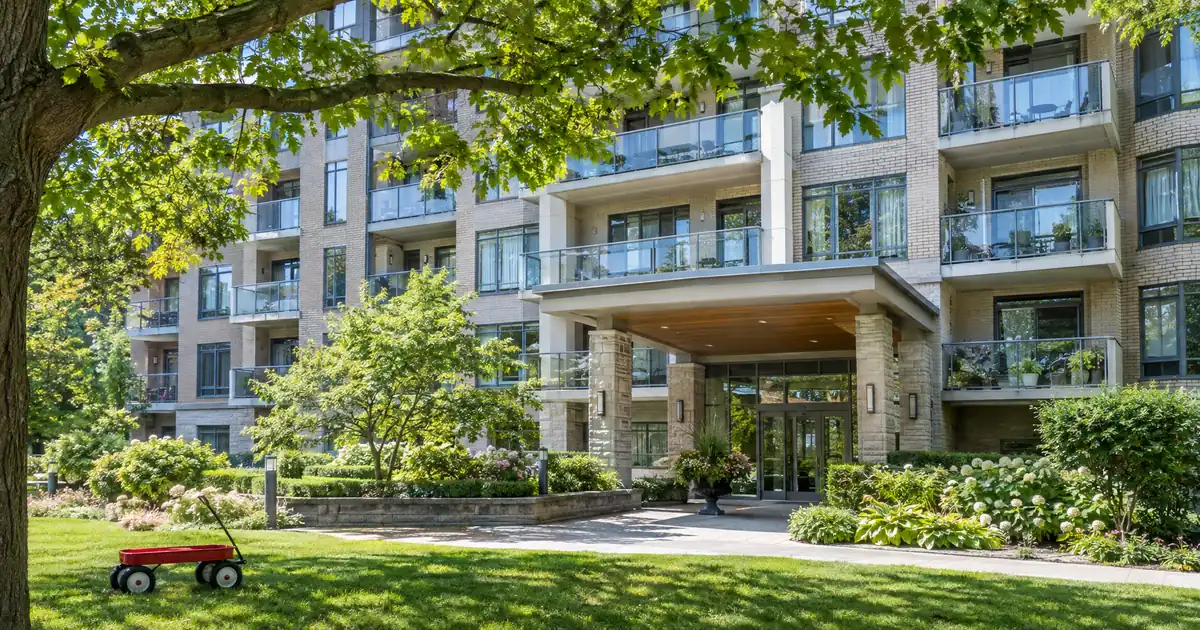
The Quick Read: The two loans judge a high-dues condo on different things, so the dues hurt each one in a different place. A DSCR loan puts association dues inside the monthly payment that the rent must cover, so heavy dues lower the coverage ratio directly. Hard money is a short-term bridge sized on value, project cost and the exit plan, so the dues show up mainly as a carrying cost and at the refinance.
- A DSCR loan suits an investor who plans to hold a rented condo for the long term.
- Hard money suits a short-hold purchase, a rehab, or a unit that is not yet rentable.
- High dues reduce DSCR coverage dollar for dollar, because dues are part of the payment.
- Hard money does not test coverage, but a bridge that closes can still fail the long-term exit.
- Both loans review the building itself, so a weak association can stop either one.
The honest answer is that the choice depends on what the unit is today and what you plan to do with it. A stabilized, leased condo points toward a DSCR loan. A vacant or distressed unit that needs work points toward a bridge. Many investors end up using both, one after the other, and that sequence is where high dues cause the most trouble.
What this loan actually costs to carry.
Hard money is sized against the project and priced by time. Enter the deal and see how much the program will lend, the cash required at closing, the carry while you hold it, and what is left at the exit.
Leverage tiers on the current program: 85% with fewer than 2, 90% with 2 or more, 93% with 5 or more completed projects — every tier capped at 75% of after-repair value. Loan amounts up to $5,000,000, larger by exception; terms of 6 to 18 months, interest-only, no prepayment penalty. The rehab portion funds in draws against completed work, not at closing.
Program parameters shown update from Lendmire’s centralized guideline source. Rate, points, and months are editable assumptions, not quoted terms.
Cost cap sets the loan · positive spread
Illustrative estimate only — not a quote, Loan Estimate, approval, or commitment to lend. Rate, points, and months are editable assumptions. Hard money is business-purpose financing for real estate investors, not a consumer mortgage. Leverage on the current program tops out at 93% of project cost for investors with a documented track record, capped at 75% of after-repair value, with rehab funding up to 100% of the documented budget released in draws; actual terms vary by lender, borrower experience, property, and exit. Lendmire is a mortgage broker, not a lender.
Side-by-Side
The table below shows how the two loans differ on structure. The DSCR column reflects the programs in Lendmire’s wholesale network. The hard money column combines the network’s published parameters with industry norms, which vary by lender, property, and borrower experience.
| Factor | DSCR Loan | Hard Money |
|---|---|---|
| Review basis | Property rent vs. full payment | Value, project cost, exit plan |
| Role of HOA dues | Counted in the payment | Carrying cost and exit risk |
| Personal income documents | Property-level income drives the file | Asset-based; credit still reviewed |
| Property types | Rentals, including many condos | Residential 1-4 units; rehab or bridge |
| Entity vesting | Individual or LLC, per program terms | Individual or entity, varies by lender |
| Loan term | Long-term, 30-year fixed is the spine | Short-term, 6-18 months in the network |
| Reserves | Commonly around 6 months of PITIA | Varies by lender and property |
| Building review | Yes, project review | Yes, collateral review |
The term row shows the real difference in purpose. One loan is meant to be held with the property. The other is meant to be repaid when the plan finishes.
How High HOA Dues Change the Coverage Math
Dues belong in the payment, not in a deduction from rent. DSCR for a residential rental compares monthly rent to PITIA, which stands for principal, interest, taxes, insurance and association dues. Leave the dues out and the ratio looks better than it really is.
Picture a condo that covers its payment at about 1.25x before the dues are counted. Add a heavy monthly association charge to the denominator, and the same rent might land near 1.02x. These are modeled assumptions, not market data. The rent did not change, and neither did the building. Only the payment grew.
That is why the reverse math is worth running before you make an offer. Take your target coverage ratio and multiply it by the full PITIA, dues included. The result is the minimum rent the unit must support. If the appraiser’s rent schedule will not reach that number, the loan size or the deal has to change.
Most standard DSCR programs in the network start at 1.00x, and stronger ratios open better leverage and terms. Select lenders in the network also offer a separate path below 1.00x, with leverage and terms adjusted. Neither path fixes high dues for free. A lower loan amount shrinks the payment, but it also means a larger down payment.
One more point matters here. Clearing 1.00x is not the same as having positive cash flow. DSCR compares rent to PITIA only. Vacancy, repairs, management, utilities and capital costs sit outside the calculation. A high-dues condo can pass the ratio and still leave thin cash at the end of the month.
Leverage on these files is set by the program, not by the dues. Purchase files in the network typically land at 75%-80% LTV, with select high-leverage programs reaching 85% for borrowers around 700 or higher. Loan sizes run up to $3,000,000 on standard programs (smaller balances available through select lenders), and most programs want a credit score near 660 or better. A 620 floor exists in parts of the network. All of these are typical ranges, subject to lender guidelines.
When a DSCR Loan Is the Better Fit
A DSCR loan is the better fit when the condo is rentable now and the investor wants to hold it. Three situations stand out.
The unit is leased or rent-ready. The loan is built for a stabilized rental. The appraiser’s rent schedule sets the rent used for review, and long-term financing follows the property’s income. Scotsman Guide lists warrantable and non-warrantable condominiums among the property types these loans cover.
The building will not meet agency standards. The same reporting notes that tighter agency condo guidelines narrowed the warrantable definition, which pushes many investors toward DSCR for non-warrantable units. Lenders do not all treat these buildings the same way. A non-warrantable condo means a narrower pool of lenders, not a closed door. Lendmire’s piece High-Dues Non-Warrantable Condo vs. Single-Family for DSCR Leverage goes deeper on that tradeoff.
The investor wants to keep adding properties. The same Scotsman Guide piece notes that DSCR loans do not carry the agencies’ limit on financed properties. Each lender still sets its own rules. An LLC-held portfolio can often be financed this way, subject to program terms.
The flip side is plain. If the dues are so heavy that the unit cannot reach the coverage a program wants at the leverage you need, a DSCR loan will either shrink or stop. In that case, the problem lies with the deal, and a different loan will not fix it. Reducing leverage, finding stronger rent support, or walking away are all more honest responses than hunting for a looser program.
The reserves expectation also matters. Reserves vary by lender, leverage, loan size and transaction type. Commonly they sit around 6 months of PITIA, and with high dues that number is larger than it looks. Conservative rate-term files at modest leverage under $1,500,000 can see reserves waived. Loans above that size typically step up to about 9 months. The full picture is in Lendmire’s complete DSCR loans guide.
When Hard Money Is the Better Fit
Hard money is the better fit when the condo cannot yet support a long-term rental loan, or when the hold is short by design. The loan is sized on collateral and the plan, and it does not run a rent-versus-payment test.
Corporate Finance Institute describes hard money as short-term lending secured by real estate, with repayment expected in roughly one to five years. It also reports that these lenders typically lend 65% to 75% of collateral value. Those are market-wide figures. In Lendmire’s network, terms run 6-18 months, interest-only, with no prepayment penalty. Bridge purchases without a rehab go up to 80% of purchase price. Rate-term and cash-out refinances go up to 65% of value. All of these figures vary by lender, property, and experience.
Fix-and-flip leverage is tiered by documented experience. It runs 85% of project cost with fewer than two completed projects, 90% at two or more, and 93% at five or more. Every tier is capped at 75% of after-repair value. Funding for the rehab budget comes in draws against completed work. Nav explains that these loans are judged on the property itself, including its post-renovation value, and that the as-is value is usually the base for loan-to-value.
Credit is still reviewed. The network’s minimum score is 620, with additional conditions below 660. Loan amounts go up to $5,000,000, and larger by exception. The collateral must be non-owner-occupied residential property of one to four units, which includes condos that pass collateral review.
Hard money makes the most sense in these cases:
- The unit is vacant, dated or in need of repairs, so no appraiser can support a stabilized rent figure yet.
- The investor plans to renovate and sell, and the hold is short enough that the dues are a manageable carry.
- The coverage ratio fails today but could pass after the work and a new lease.
The downside is the one that most pages skip. Because hard money does not test coverage, a bridge can close on a condo whose dues would never clear a DSCR test. The loan then matures, and the investor has to refinance or sell. Dues that were easy to carry for a few months can break the long-term math at the exit.
The Exit Test: Will the Condo Refinance Into Long-Term Financing?
Run the DSCR test before you take the bridge, not after. The most common plan is to buy with a bridge, improve the unit, lease it, and refinance into long-term rental financing. Many investors use a DSCR loan for that last step, and Lendmire brokers that path through its network.
The new loan is sized on its own appraisal and rent schedule, not on your after-repair estimate. Dues go into its payment. If the rent supports the payment at the leverage a program allows, the exit works. If it does not, the new loan may be too small to pay off the bridge and the closing costs, and the investor has to bring cash.
Seasoning rules, meaning how long you must own the property before a refinance, differ by lender. A cash-out refinance in the network commonly looks for about 6 months of seasoning and tops out around 75% LTV on a standard rental. A bridge that matures before that window opens will need an extension.
Here is a plain test you can run on any condo before buying:
1. Estimate market rent for the finished unit.
2. Add the full monthly dues to the expected payment.
3. Check whether the rent clears at least 1.00x at the loan size the exit needs.
4. If it only clears at a smaller loan, confirm you can fund the gap in cash.
If step three fails with no good answer in step four, the bridge is the wrong first move. You would be postponing a problem that the dues will still cause later.
DSCR loans are designed for non-owner-occupied investment properties. Because they are business-purpose investor loans, they are reviewed differently from a standard owner-occupied mortgage. The CFPB’s truth-in-lending examination guide treats credit to acquire or improve a non-owner-occupied rental property as business-purpose credit. That is why neither loan runs the personal debt-to-income test used on a primary residence. Tax treatment varies; consult a qualified professional before relying on any deduction.
The Building Review Both Loans Share
Whichever loan you choose, the lender looks at the building, because it must be able to sell the unit if a borrower defaults. A passing DSCR ratio does not mean the condo is approved, and an asset-based bridge does not skip the review. Lenders commonly look at:
- The share of units that are owner-occupied versus investor-owned.
- Whether any one investor owns a large share of the units.
- Delinquent dues across the association.
- Pending litigation involving the association.
- The strength of the association’s reserves.
- Master insurance coverage.
- Rental restrictions in the governing documents.
Agency programs show what these tests can look like. The HUD condominium project guide describes a 50% owner-occupancy standard and a limit of 10% of units for any single investor or entity on FHA-approved projects. Those are FHA rules, not DSCR rules. They illustrate why a building full of investor-owned units can be hard to finance with any loan.
Special assessments deserve a separate look. Lenders do not all treat them the same way, and a large one can strain the association’s finances. Treat them as a file risk rather than a fixed rule. If a building has announced a dues increase or an assessment, price it into the coverage math before you offer.
Rental restrictions can also block the plan under either loan. Short-term rental rules can vary by city, county, HOA, and property type, so investors should confirm local rules before relying on projected rental income.
Key Terms Defined
PITIA: Principal, interest, taxes, insurance and association dues, which together make up the monthly payment used in a DSCR calculation.
DSCR: Debt service coverage ratio, which compares a property’s monthly rent to its PITIA.
Warrantable condo: A condo project that meets the agency standards for owner-occupancy, investor concentration, reserves and litigation.
Non-warrantable condo: A condo project that fails one or more of those standards, which narrows the lender pool but does not end financing options.
Loan-to-cost: The loan amount compared with the purchase price plus project costs, used to size hard money for rehabs.
After-repair value (ARV): The estimated value of the property once renovations are done.
Seasoning: The length of time you must own a property before a lender will refinance it.
The Verdict: Match the Loan to the Condo’s Stage
Neither loan is simply better. They fit different stages of the same property.
If the condo is leased or ready to lease, and the rent clears the payment with dues included at a leverage you can fund, a DSCR loan is usually the cleaner choice. You get long-term financing built around the rental, without a maturity date forcing a second decision.
If the unit needs work, is vacant, or is a short hold, hard money may be the practical choice. The warning is that high dues can hide inside a bridge. Test the DSCR exit first, so the refinance does not fail on a number you could have seen at purchase.
For an investor with a heavily dues-burdened condo and thin rent support, the harder question comes first: whether this unit belongs in the portfolio at all. Changing loan types will not make the dues smaller. Lendmire’s article Sell vs. DSCR Hold on a Hard Money Flip for a High-Volume Flipper covers the sell-or-keep decision in more detail.
If you are buying, rehabbing or refinancing an investment property on a short timeline and want to see how the numbers work, Lendmire can help you compare hard money options based on the project, the exit plan, leverage, and your goals. Lendmire arranges both DSCR and hard money financing through select lenders in its wholesale network across 41 markets, including Washington, D.C., subject to lender guidelines and not a commitment to lend. The calculator on this page gives an illustrative estimate only. You can also reach the team at 828-256-2183.
Frequently Asked Questions
Do HOA dues count against me on a DSCR loan?
Yes, dues count as part of the monthly payment. DSCR compares rent to PITIA, and the A in PITIA is association dues. They are not subtracted from rent. A condo with high dues needs more rent to reach the same coverage as a similar house without them.
Does hard money care about HOA dues?
Hard money does not run a coverage ratio, so dues are not a qualifying input. They still matter as a holding cost and as a risk at the exit. The lender also reviews the building, because the condo is the collateral.
Can I refinance out of hard money into a DSCR loan on a condo?
Often, but it is not automatic. The new lender applies its own appraisal, rent schedule, project review and payment test with dues included. Seasoning rules differ by lender, and the new loan is sized on its own appraisal rather than your after-repair estimate.
Is a non-warrantable condo eligible for either loan?
Frequently, though the lender pool is narrower. Non-warrantable is an agency label, and many DSCR lenders take these units with extra documentation or lower leverage. Hard money lenders review the same building issues as collateral risk.
What can I do if dues push coverage below 1.00x?
You can lower the loan amount, find stronger rent support, or look at select lenders in the network that go below 1.00x with leverage and terms adjusted. If none of those work, the unit may not suit a rental plan. Every file is reviewed individually.
About Lendmire
As a DSCR and non-QM mortgage broker, Lendmire — NMLS# 2371349 — connects investors with wholesale lending channels across 41 markets, including Washington, D.C. The property’s rental income, not the borrower’s tax returns, is central to lender review, which works for self-employed operators and portfolios beyond four financed properties. Scotsman Guide named Lendmire a Top Mortgage Workplace in both 2025 and 2026.
Get Started
Ready to find the right loan for you?
See your offer in seconds. No credit pull, no obligation.
Informational only. Not a Loan Estimate, approval, or commitment to lend. Program availability and eligibility are subject to lender guidelines, credit approval, property review, and underwriting.
References
1. Scotsman Guide, Invest in Your Future
2. Corporate Finance Institute, Hard Money Loan
3. Nav
4. CFPB Truth in Lending Act Examination Guide
5. HUD Condominium Project Approval and Processing Guide
This article is part of Lendmire’s hard money loan program — full qualification details, guidelines, and scenarios live on the program page.
Related reading: Can You Get a DSCR Loan on a Vacant Rental With No Lease? · Can You Finance a Chicago Two-Flat With a DSCR Loan? · Hard Money Documentation for a Flip Exiting Into a DSCR Loan
Brandon Miller
Founder & CEO, Mortgage Loan Originator, Lendmire LLC
- Mortgage Loan Originator · NMLS# 1129696 · Verify on NMLS Consumer Access
- North Carolina Real Estate Broker · License# 343312 · Verify on NCREC
- North Carolina Insurance Producer · License# 19053198 · Property, Casualty, Life, Health · Verify on NAIC SBS
- Lendmire LLC · Firm NMLS# 2371349 · Verify firm licensure
Legal disclosures. Lendmire (NMLS# 2371349) is a state-licensed mortgage brokerage that arranges financing through wholesale lender relationships. Lendmire is not a direct lender, depository institution, or registered financial advisor. The discussion above is general informational content about real estate financing — it is not financial, legal, or tax advice, and readers should consult licensed professionals for guidance on their individual circumstances. Loan inquiries are subject to lender underwriting; this article does not represent a commitment to lend. Loan terms, rates, and qualification standards vary by borrower, property, and state, and are subject to change at any time. Equal Housing Opportunity. NMLS Consumer Access: nmlsconsumeraccess.org.