
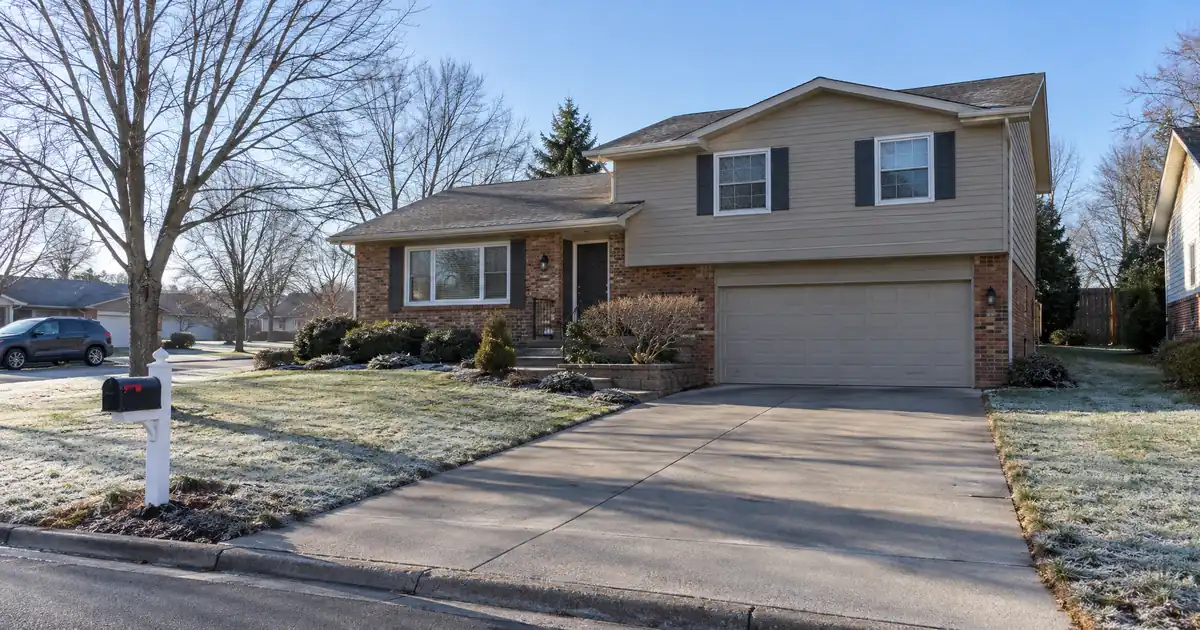
The Quick Read: Selling out of a DSCR portfolio loan works through the release terms in your loan documents. A release lets one rental leave the pool when you pay the lender a release price that runs above that property’s allocated balance. The lender may then retest the rentals that remain. Without a release clause, a sale can put the whole loan at risk.
- Check the note for a partial release clause before you list anything.
- The release price runs above the property’s allocated balance, so your payoff is larger than the share of debt that property carries.
- The remaining rentals usually have to pass pooled coverage and leverage tests again.
- A prepayment charge may attach to a release or to a full payoff, depending on the note.
- Selling every property means a full payoff, and a buyer rarely takes over the loan.
What Is a DSCR Portfolio Loan, in Plain Words?
A DSCR portfolio loan is one note secured by several rentals. The lender looks at the rent from the whole pool against the debt service on the whole pool. DSCR stands for debt service coverage ratio. It compares rent to the full monthly obligation: principal, interest, taxes, insurance, and any association dues.
People call this a portfolio loan, a blanket loan, or a cross-collateralized loan. Those names all describe the same thing: one loan, several properties pledged. A bank also uses “portfolio loan” for a different idea, a loan the bank keeps on its own books. That is a separate sense of the word and has nothing to do with this structure.
Across our wholesale network, two structures cover most pooled files. The 30-year portfolio DSCR loan holds two to twenty properties under one note, typically from $300,000 to $5,000,000, with leverage up to 80% of value on a purchase or rate-and-term refinance. The rental portfolio term loan is built for five or more properties or units, with fixed terms of 3, 5, 7, or 10 years and a balloon at maturity. Both are subject to lender guidelines. Neither structure is for owner-occupied property, co-ops, mixed-use, or commercial buildings. Manufactured and mobile homes are not reviewable on any of these programs.
For the basics behind all of this, Lendmire’s complete DSCR loans guide covers how the ratio works on a single rental.
Key Terms Defined
Allocated amount: the share of the total debt the loan documents assign to one property at closing.
Release clause: a term in the note that lets one property leave the pool when you meet stated conditions.
Release price: the payment the lender requires to release that property’s lien. It runs above the allocated amount.
Retest: the lender’s second look at whether the remaining properties still meet coverage and leverage requirements.
Cross-collateralization: every property secures the whole loan, so a problem on one can reach all of them.
Due-on-sale: a clause letting the lender demand full repayment if the property is transferred without consent.
Prepayment charge: a fee for paying the loan down or off ahead of schedule, set by the note.
First, Check Which Structure You Actually Have
Not every “portfolio” is one note. Some lenders close several separate loans together and market them as a package. With separate notes, you sell a rental and pay off only that rental’s loan. No release is needed, though that loan’s own prepayment terms still apply.
In a true blanket note, every sale runs through the release terms. A one-note pool buys you a single payment, pooled coverage, and often an easier approval for a weaker property. The cost is that your exits are no longer independent.
Ask for the actual note structure in writing. Do not rely on a marketing label. This one question changes everything that follows here.
Why You Can’t Just Sell One Rental
The lender holds a lien on every property in the pool. A buyer’s title company will not insure clear title while that lien sits on the property. So the lien has to come off, and that takes a release.
There is also a legal backdrop. The federal due-on-sale statute, 12 U.S.C. § 1701j-3, makes due-on-sale clauses enforceable. Its protective exceptions are narrow. Per Miller, Miller & Canby, they cover residential property with fewer than five units, and they deal with family and estate-style transfers. Nothing there protects an arm’s-length sale to an unrelated buyer.
In practice, the note controls the outcome. No federal rule hands you a release right. As Nav advises, secure a release clause in a blanket loan, because selling one property tied to a cross-collateralized loan is much harder without one.
How Underwriting Treats a Sale, Step by Step
Here is the sequence on a true one-note pool.
1. Read the note before you list. Confirm that a partial release clause exists and what it says.
2. Find the allocated amount. This is the debt share assigned to the property you want to sell.
3. Request a written release quote before accepting an offer. Ask the servicer for the release price and every condition.
4. Check the conditions. Many notes include a minimum paydown, a cap on releases per period, or a minimum amount of collateral that must remain.
5. Close through title or escrow. The release price is paid from your sale proceeds, and the lender records a release of lien. Until that recording happens, the property stays tied to the pool.
6. Expect a retest. The remaining properties may need to pass coverage and leverage tests again. That can mean an extra paydown, or a declined release.
7. Work out your net. Net proceeds equal the sale price, minus the release payment, minus closing and selling costs, minus any prepayment charge on the paydown.
Step six is where many investors get surprised. On our pooled programs, coverage is measured on the whole pool, so stronger properties can offset weaker ones. That is a real advantage while the pool is intact. When you sell the strongest rental, you take that offset away.
A Release in Practice: Strong Property Out, Weak Pool Left
Picture an investor holding five rentals in one pool. Four sit near the 1.00 coverage line. One carries rent well above its share of the debt, and it lifts the pooled number comfortably over the floor.
The investor gets a strong offer on that fifth property. The release price runs above its allocated balance, so more debt gets paid off than the property “owns.” That is usually good for the leftover pool’s leverage. But the pooled rent drops by the full rent of the property sold, while only part of the pooled debt service goes with it.
The retest may now show pooled coverage sitting below the floor. A rental under 1.00 can sit inside a pool, but underwriting tests the pooled coverage, the leverage, and the terms. If the remainder fails, the usual fixes are an additional paydown, a substitution of another property, a refinance of the remainder, or a decision to sell a weaker property instead.
The honest lesson: pick which property to sell by running the retest first, not after you have signed a purchase contract.
What If the Note Has No Release Clause?
Not every blanket note has one. A release clause is common, but nothing in federal law supplies one. Without it, a sale of one property can give the lender the right to call the whole loan due.
You then have four real options.
| Option | What it means |
|---|---|
| Pay off the whole loan | Retire the note, then sell freely |
| Refinance the pool | Replace it with a loan that includes release terms |
| Negotiate lender consent | Ask for a one-time modification or waiver |
| Hold the property | Skip the sale until the loan structure changes |
Each has a cost. A full payoff triggers whatever prepayment charge the note carries. A refinance means a new underwriting review. Consent is at the lender’s discretion.
Release Language: “May” Versus “Shall”
Read the exact wording. “Lender may release” gives the lender room to say no or reprice the deal. “Lender shall release” is an entitlement once you meet the conditions. That single word changes how much control you have at exit.
Also look at what the conditions require. Some notes demand a minimum paydown, an appraisal on the remaining properties, or a per-release fee. Others cap releases per period. Raise these items before closing the loan, not at the moment you receive an offer.
Selling Several or All of the Properties
Selling in sequence works like repeating the single release, but each step changes the pool. Early releases often go smoothly. The last few are where problems bite.
Many notes set a minimum remaining count or collateral amount. Dropping below it typically triggers a full payoff of whatever is left. A two-property pool has a harder version of the same issue: the survivor must carry the leftover balance alone, and it may not clear the tests.
Selling everything is a full payoff. The prepayment terms in the note apply to the whole balance, so check them before accepting a bulk offer. On the rental portfolio term loan, prepayment runs through yield maintenance, which is a payment designed to make the lender whole for lost interest over the remaining term. Defeasance, a related commercial exit, replaces the collateral with securities instead. Check whether your note uses either one. These are commercial-style exits and not features of every DSCR note. CommercialCafe explains how defeasance works.
Can a buyer take over the loan? Rarely. On the rental portfolio term loan, a one-time purchaser assumption exists on loans above $5,000,000, subject to underwriting and an assumption fee, and below that amount only on an exception basis. On other structures, assumption works only if the note allows it and the lender consents. Plan on a payoff.
Prepayment, Guaranties, and Other Traps
Prepayment charges. They vary by note. Some tie the charge to a full payoff. Others tie it to any unscheduled principal reduction, which can include a release paydown. Do not assume a release is penalty-free. Put the charge on your sale spreadsheet next to commissions and transfer costs. A short hold can still make sense if the profit covers it.
The guaranty. Where the loan is recourse, your personal guarantee generally stays in place after a property leaves the pool. Non-recourse structures exist on the rental portfolio term loan, and they carry carve-outs for items like fraud and bankruptcy.
Default contagion. Until the lien release records, the property remains collateral for the whole loan. One default can reach every pledged property.
LLC ownership. The LLC almost always has the legal authority to sell the property, but the loan documents decide whether it can do so without the lender’s involvement, subject to lender program eligibility. Note that the Garn-St Germain protections do not extend to moving mortgaged property into an LLC, per Wealth Counsel.
1031 exchanges. If you plan an exchange, the IRS sets a 45-day identification period and an 180-day exchange period. A release process that drags can collide with those statutory deadlines, so line them up before listing. Tax treatment varies; consult a qualified professional.
One more point from daily files: many investors price the release premium but forget the retest. The premium is a known number. The retest is the one that can derail the next sale.
Pooled Loan or Separate Loans: Which Sells Better?
| Factor | One-note pool | Separate loans |
|---|---|---|
| Selling one rental | Needs a release | Pay off that loan only |
| Cost at exit | Release price above allocation | That loan’s own payoff terms |
| Effect on the rest | Retest of remaining pool | None |
| Coverage measured | On the pooled rent | Property by property |
| Default risk | Can reach every property | Contained to one note |
A pool suits investors who plan to hold. If you expect to trade rentals often, separate notes usually give cleaner exits.
Pre-Sale Checklist and Questions for Your Lender
Before you list, get these answers in writing:
- Does the note have a partial release clause, and does it say “may” or “shall”?
- What is the release price formula, and is there a per-release fee?
- Is there an appraisal or retest on the remaining properties?
- What is the minimum remaining count or collateral?
- Does the prepayment charge apply to a release, a payoff, or both?
- Does the guaranty remain after release?
Also remember that clearing 1.00 is not the same as positive cash flow. DSCR compares rent to the full monthly obligation only. Repairs, vacancy, management, utilities, and capital expenses sit outside it.
Frequently Asked Questions
Can I sell one rental and keep the rest of the DSCR portfolio loan?
Yes, if the note has a partial release clause and you meet its conditions. You pay the release price, the lender records a lien release, and the loan continues on the remaining properties. Without that clause, the lender may be able to call the loan.
Why is the release price higher than the property’s share of the debt?
The lender sets it above the allocated balance by design, so the paydown outpaces the collateral you free. That protects the lender’s position on the remaining pool. Model your net proceeds with that premium in mind.
Does a sale change my payment or terms on the rest?
Yes, it can. The balance, payment, and terms may change after a release, and the remaining collateral is often retested. If the pool fails the retest, expect an extra paydown or a declined release.
Does a prepayment charge apply when I release one property?
It depends on the note. Some notes apply the charge only to a full payoff, while others apply it to any unscheduled principal reduction. Verify the trigger before assuming a release is penalty-free.
Can a buyer assume the loan instead of paying it off?
Rarely. Assumption exists only if the note allows it and the lender consents. The rental portfolio term loan offers a one-time purchaser assumption on larger balances, subject to underwriting and a fee, so plan on a payoff.
Next Step
If you are buying or refinancing a rental property and want to see how the numbers work, Lendmire can help you compare DSCR loan options based on the property income, credit profile, leverage, and investor goals. As a broker, Lendmire arranges financing through select lenders in its wholesale network across 41 markets, including Washington, D.C. Every file is reviewed individually and is not a commitment to lend.
About Lendmire
Lendmire (NMLS# 2371349) is a DSCR-focused mortgage broker that helps arrange investor financing across 41 markets, including Washington, D.C., through wholesale and investor-lending channels. DSCR eligibility is generally reviewed by the lender around the property’s rental income rather than personal income documentation, subject to lender guidelines — which works for self-employed investors, LLC operators, and portfolios above four financed properties. Scotsman Guide named Lendmire a Top Mortgage Workplace in both 2025 and 2026.
Get Started
Ready to find the right loan for you?
In about 30 seconds you can review financing options available for your investment property. No commitment required.
Informational only. Not a Loan Estimate, approval, or commitment to lend. Program availability and eligibility are subject to lender guidelines, credit approval, property review, and underwriting.
References
1. Cornell LII – 12 U.S.C. § 1701j-3
2. Miller, Miller & Canby – Garn-St Germain
3. Nav – Cross collateralization
4. CommercialCafe – Defeasance process
5. Wealth Counsel – Transferring title of mortgaged real property
This article is part of Lendmire’s DSCR loan program — full qualification details, guidelines, and scenarios live on the program page.
Related reading: How to Underwrite a Pool of Condos for a Portfolio DSCR Loan · Can an Investor With 10+ Doors in LLCs Get a DSCR Portfolio Loan? · How to Prepare Guarantor Credit for a Portfolio DSCR Loan
Brandon Miller
Founder & CEO, Mortgage Loan Originator, Lendmire LLC
- Mortgage Loan Originator · NMLS# 1129696 · Verify on NMLS Consumer Access
- North Carolina Real Estate Broker · License# 343312 · Verify on NCREC
- North Carolina Insurance Producer · License# 19053198 · Property, Casualty, Life, Health · Verify on NAIC SBS
- Lendmire LLC · Firm NMLS# 2371349 · Verify firm licensure
Important disclosures. Lendmire (NMLS# 2371349) is a licensed mortgage brokerage. Lendmire is not a direct lender, depository institution, or financial advisor. All loan inquiries are subject to lender underwriting; this article does not constitute a commitment to lend. Rates, terms, and program guidelines are subject to change without notice and vary by borrower profile, property type, and state. Information in this article is general in nature and is not financial, legal, or tax advice. Equal Housing Opportunity. NMLS Consumer Access: nmlsconsumeraccess.org.