
The Quick Read: A DSCR loan and a portfolio loan are not opposites, because one describes how a loan is qualified and the other describes where the loan is kept. On a rental with a thin rent history, a DSCR file leans on the appraiser’s market-rent opinion, while a bank-held portfolio loan leans on your whole financial profile.
- A DSCR loan is reviewed primarily on property-level rental income covering the payment, subject to lender guidelines.
- A bank portfolio loan is set by the individual bank, and it usually reviews personal income, assets, and the relationship.
- A rent-ready vacant rental can be reviewed on market rent alone on a purchase.
- In the DSCR world, “portfolio loan” can also mean one note secured by several rentals, which is a second meaning.
- Neither product guarantees approval, and each file is reviewed individually.
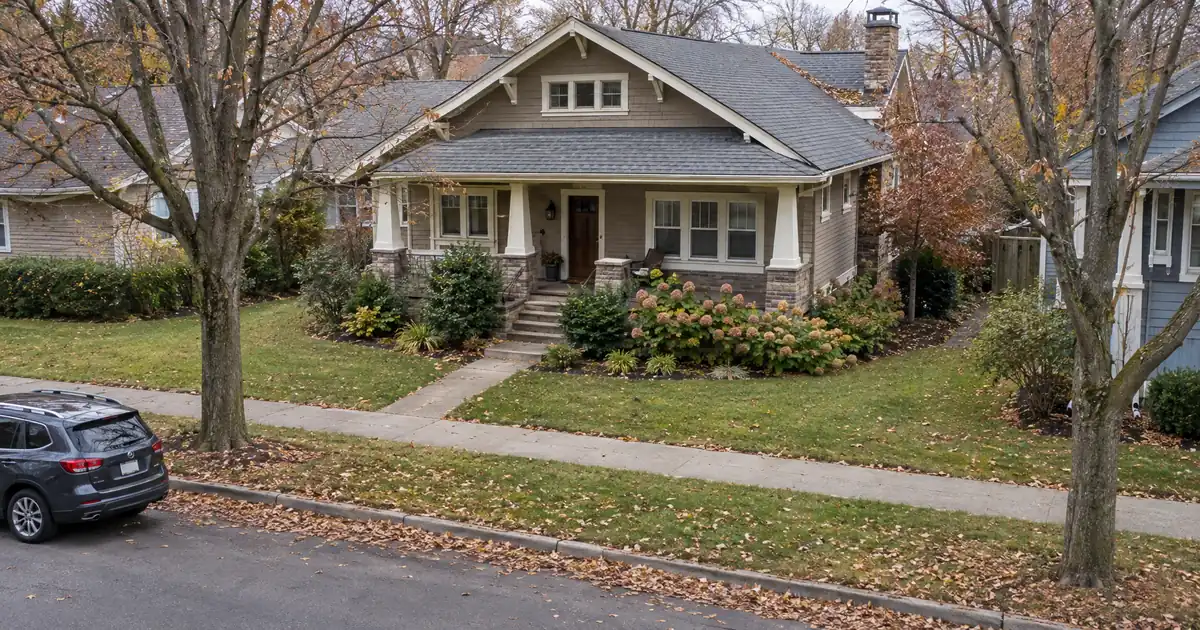
Picture a single rental near the Gettysburg battlefield. It may be vacant, newly leased, or carrying a short, seasonal lease history. That is a light rent roll. The question is which story needs to be strong: the property’s rent, or your own balance sheet.
What Do “DSCR” and “Portfolio Loan” Actually Mean?
“DSCR” describes the qualification test. The lender divides the property’s monthly rent by its monthly PITIA, meaning principal, interest, taxes, insurance, and any HOA dues. A ratio of 1.00 means rent just covers that obligation.
“Portfolio loan” has more than one meaning, and the confusion matters here.
1. A blanket loan. In investor circles, a portfolio loan can be one note secured by several rentals. Here, “portfolio DSCR loan,” “blanket loan,” and “cross-collateralized loan” all name that same thing.
2. A DSCR loan the lender holds. A loan can be both. “Portfolio” is about where it lives after closing, and “DSCR” is about how it was qualified.
Because those meanings overlap, comparing “DSCR vs. portfolio” is really comparing two underwriting stories. One tests the property. The other tests the borrower and the bank’s appetite.
Side-by-Side
The DSCR column reflects how programs across Lendmire’s wholesale network typically work. The bank portfolio column shows published industry norms, which vary bank by bank.
| Factor | DSCR loan (single rental) | Bank-held portfolio loan |
|---|---|---|
| Review basis | Property rent vs. PITIA | Whole-borrower review |
| Personal income docs | Generally not the focus | Commonly requested |
| Rent evidence | Lease and/or appraiser market rent | Judged against wider finances |
| Entity vesting | LLC vesting common, subject to program terms | Varies; guarantees often requested |
| Reserves | Often about 6 months of PITIA | Set by the bank |
| Terms | 30-year fixed spine; other structures via select lenders | Bank-specific; balloons possible |
| Property focus | 1-4 unit rentals | Whatever the bank accepts |
| Outcome driver | Appraisal rent opinion and comps | Net worth, liquidity, relationship |
For a vacant or newly leased property, the biggest row is the rent evidence one. In a DSCR file, the rent figure carries the weight. In a bank file, your overall strength does.
How Does Each Route Treat a Light Rent Roll?
Start with the DSCR path. The lender orders an appraisal with a rent schedule. For a one-unit property, that is Form 1007. For two to four units, it is Form 1025. Across the programs we place files with, the rent counted is generally the lower of the signed lease and the appraiser’s market rent. An above-market lease gets trimmed, so a high lease does not help. A below-market lease holds the ratio down at the lease figure. A vacant, rent-ready property can be reviewed on market rent alone on a purchase.
Property condition matters more than rent here. A property that needs heavy rehab is an eligibility problem, not a rent problem, and it generally has to be rent-ready first.
Now the bank path. The borrower applies to a bank that will hold the loan. The bank applies its own credit policy. That commonly means income documentation, a credit report, and asset verification. A thin rent roll is judged against everything else you own, which can be a real advantage if your liquidity is strong. Terms vary widely, so check the note for balloons and prepayment structure.
One more point. Clearing 1.00 on a DSCR file is not the same as positive cash flow. DSCR compares rent to PITIA only. Repairs, vacancy, management, utilities, and capital expenses sit outside the calculation, and a light rent roll makes those costs more visible.
When DSCR Is the Better Fit
A DSCR loan tends to suit the investor whose property tells a better story than their paperwork does.
- Self-employed or heavy write-offs. If your tax returns understate your real earning power, a loan that qualifies primarily on property-level rental income can be cleaner.
- LLC-held rentals. Vesting in an entity is common on DSCR programs, subject to program terms. Many banks ask for personal guarantees either way.
- A rent-ready vacant purchase. If comps support the rent, the appraisal can carry the file without a lease in place.
- Scaling beyond a bank’s comfort. Portfolio bank lending is often tied to net worth and concentration limits. DSCR files qualify one property at a time.
- A defined leverage lane. Most purchase files in our network land at 75%-80% LTV, with a 620 credit floor in parts of the network. Most programs want around 660, and 700+ opens the strongest tiers. Loans reach up to $3,000,000 on standard programs, with smaller balances available through select lenders, subject to lender guidelines.
Coverage is where the tradeoffs sharpen. A coverage ratio of 1.00 is where many select programs start. A separate select-lender path takes coverage below 1.00 with leverage and terms adjusted. If your light rent roll produces a ratio under 1.00, that path exists, but expect lower leverage and different terms, and treat it as a structural choice rather than a workaround.
Remember the flip side of a DSCR file. If the appraiser’s rent opinion lands low, the loan size can shrink even when the value appraises cleanly. A bigger down payment can lower the payment and lift the ratio. It does not erase leverage caps, credit floors, reserve rules, or property eligibility. The strongest files clear both tests: enough equity and enough rental coverage.
For the full picture of how these loans work, see Lendmire’s complete DSCR loans guide.
When a Bank Portfolio Loan Is the Better Fit
A bank-held loan can win when you are the strong part of the file.
- High liquidity and a banking relationship. If you hold substantial deposits and a long history with a community bank, the bank may weigh that more than a thin lease history.
- Clean, strong personal returns. If your tax returns show stable income, the extra paperwork is less of a burden.
- A property that doesn’t fit a standard program. A bank sets its own standards and may be flexible on unusual situations. Flexible is not lenient, though. Borrowers who miss even the bank’s relaxed criteria may be ineligible.
- A small number of properties, locally held. If you plan to stay in one area and keep the relationship, a local bank can make sense.
The drawbacks are real. The route usually involves more personal paperwork, terms differ bank to bank, and structures such as balloon maturities or prepayment terms are bank-specific. Growth can also stall when a bank caps how much it will lend to one borrower.
A reasonable rule of thumb: if the property’s rent evidence is strong but your personal paperwork is messy, DSCR typically fits better. If your finances are strong but the property’s rent evidence is weak, a bank may fit better. That is a tendency, not a ruling.
What About a Blanket DSCR Loan?
Some investors hear “portfolio loan” and mean one note across several rentals. Lendmire’s network includes two such structures.
The 30-year portfolio DSCR loan covers 2 to 20 properties under one note. Loan size typically runs from $300,000 to $5,000,000, with leverage up to 80% of value on a purchase or rate-and-term refinance. Coverage is measured on the pool, meaning pooled rent against pooled debt service. A weaker property can sit alongside stronger ones, but underwriting tests the pooled coverage, the leverage, and the terms. Property types include single-family, 2-4 unit, condo, and townhome. The credit floor is typically 640, and some structures ask for 680 or 720.
The rental portfolio term loan is built for five or more rental properties or units under one loan, from $500,000 to $50,000,000 and up to 75% of value. It uses fixed terms of 3, 5, 7, or 10 years with a balloon at maturity. Recourse and non-recourse versions exist. A non-recourse loan looks to the real estate, with recourse limited to carve-outs such as fraud and bankruptcy. Small multifamily of five or more units is eligible only inside this term structure.
For one Gettysburg rental, neither blanket structure applies. They start at two properties. Every property in a pool still needs a lease or an appraiser-supported market rent. Selling one property out of the pool follows the loan documents and the lender’s release terms, and the remaining portfolio must still cover its debt service.
If you are weighing one note against several, Lendmire’s piece Portfolio DSCR Loan vs Individual DSCR Loans for a Rental Package covers the cross-collateral tradeoff in depth.
Does Business-Purpose Treatment Matter Here?
Briefly, yes. Credit to buy or maintain a non-owner-occupied rental is generally treated as business-purpose, which is why a rental loan can look at property income instead of a consumer-style income test. The Federal Register’s ability-to-repay rule states that investment-purpose loans are considered business-purpose loans. The test is the loan’s purpose, not the label. Under CFPB Regulation Z section 1026.3, expected owner use of more than 14 days in the coming year can remove that treatment. A Gettysburg property you plan to use personally for part of the year deserves a careful look before you assume investor treatment.
Where Investors Get It Wrong
“DSCR means no documentation.” It does not. There is still an appraisal, entity papers, insurance, and a credit review. It means qualification runs on the property’s income rather than your personal income documentation.
“Portfolio means easy approval.” It means the bank decides. That can help or hurt.
“A lease above market helps.” It is typically trimmed to market.
“A vacant property can’t qualify.” On a purchase, a rent-ready vacant rental can generally be reviewed on market rent.
“Form 1007 works for Airbnb-style rentals.” It does not. Short-term rental income is documented separately. In our network, STR purchases go up to 75% LTV with a 640+ score and about 12 months of hosting history. Short-term rental rules can vary by city, county, HOA, and property type, so investors should confirm local rules before relying on projected rental income. The exact numbers vary by lender and program and follow a full review of property, leverage, and credit.
Manufactured homes, log homes, and barndominiums are not offered through the network’s DSCR programs.
Key Terms Defined
DSCR: The monthly rent divided by the monthly PITIA, used to test whether a property’s income covers its payment.
PITIA: Principal, interest, taxes, insurance, and any association dues, the full monthly obligation on the property.
Bank portfolio loan: A loan a bank keeps on its own books instead of selling, so the bank sets its own terms.
Blanket loan: One note secured by several rentals, also called a portfolio DSCR loan or cross-collateralized loan.
Light rent roll: A rental that is vacant, partly leased, or thinly documented.
Rent schedule: The appraiser’s market-rent opinion, completed on Form 1007 for one unit and Form 1025 for two to four units.
A Balanced Verdict
For one Gettysburg-style rental with a light rent roll, the deciding variable is which side of the file is stronger. If the rent can be shown by comps, and your personal documents are messy or you prefer to keep the file property-driven, DSCR typically fits. If your liquidity and banking relationship are strong and the rent evidence is thin, a bank may carry it better.
There is also an honest “neither” outcome. If the property needs heavy work, no DSCR program will treat it as rent-ready. If your finances are modest and the rent opinion lands low, expect reduced leverage or a larger down payment either way. Tax treatment varies; consult a qualified professional.
If you are buying or refinancing a rental property and want to see how the numbers work, Lendmire can help you compare DSCR loan options based on the property income, credit profile, leverage, and investor goals. Lendmire is a broker arranging financing through select lenders in its wholesale network, with DSCR programs in 41 markets, including Washington, D.C. This is not a commitment to lend.
Frequently Asked Questions
Is a portfolio loan the same as a DSCR loan?
No. A DSCR loan is defined by how it is qualified, using rent against PITIA. A portfolio loan is defined by who holds it or, in investor usage, by one note covering several rentals. A single loan can be both.
Can a vacant rental qualify for a DSCR purchase loan?
Often, yes, if it is rent-ready. The file relies on the appraiser’s market-rent opinion, since there is no lease to count. Heavy-rehab properties are generally not eligible until they are rent-ready, and every file is reviewed individually.
What if my rent barely covers the payment?
A ratio near 1.00 means the margin is thin, and 1.00 is where many select programs start. A larger down payment can lift the ratio but does not override credit floors or reserve rules.
Can I use both a DSCR loan and a bank loan?
Yes, on different properties. One property can carry only one first lien, so it cannot sit in a blanket loan and a stand-alone loan at once. Some investors keep properties they may sell on individual loans and group long-term holds together.
Do I need an LLC for a DSCR loan?
Not always. LLC vesting is common on DSCR programs, subject to program terms, but eligibility and guarantee requirements vary by lender.
About Lendmire
Lendmire, NMLS# 2371349, is a mortgage brokerage focused on investor financing, arranging DSCR loans in 40 states plus Washington, D.C. — 41 markets total. Qualification is based on the property’s income rather than personal income documentation, subject to lender guidelines, making it a fit for LLC-held rentals and scaling portfolios. Scotsman Guide named Lendmire a Top Mortgage Workplace in both 2025 and 2026.
Get Started
Ready to find the right loan for you?
See your offer in seconds. No credit pull, no obligation.
Informational only. Not a Loan Estimate, approval, or commitment to lend. Program availability and eligibility are subject to lender guidelines, credit approval, property review, and underwriting.
References
1. Federal Register, ATR/QM final rule
This article is part of Lendmire’s DSCR loan program — full qualification details, guidelines, and scenarios live on the program page.
Related reading: Does a DSCR Loan Need a 1007 Rent Schedule? · Is a DSCR Loan Worth It Over a Conventional Loan on a Rental? · How to Move a Rental From a Conventional Loan to a Portfolio DSCR Loan
Guides: DSCR Loans in Gettysburg, PA · DSCR Loans in Pennsylvania
Brandon Miller
Founder & CEO, Mortgage Loan Originator, Lendmire LLC
- Mortgage Loan Originator · NMLS# 1129696 · Verify on NMLS Consumer Access
- North Carolina Real Estate Broker · License# 343312 · Verify on NCREC
- North Carolina Insurance Producer · License# 19053198 · Property, Casualty, Life, Health · Verify on NAIC SBS
- Lendmire LLC · Firm NMLS# 2371349 · Verify firm licensure
Compliance and disclosures. Lendmire (NMLS# 2371349) is a licensed mortgage broker and is not a direct lender, depository institution, financial advisor, or tax professional. Content in this article is general market analysis and educational information — not financial, legal, or tax advice for any specific situation. Lendmire does not guarantee loan approval; every transaction is subject to underwriting by the funding lender. Mortgage pricing and loan program guidelines are subject to change at any time without notice and vary by borrower characteristics, property type, and state regulations. Lendmire complies with Equal Housing Opportunity. Licensure verification: NMLS Consumer Access.