
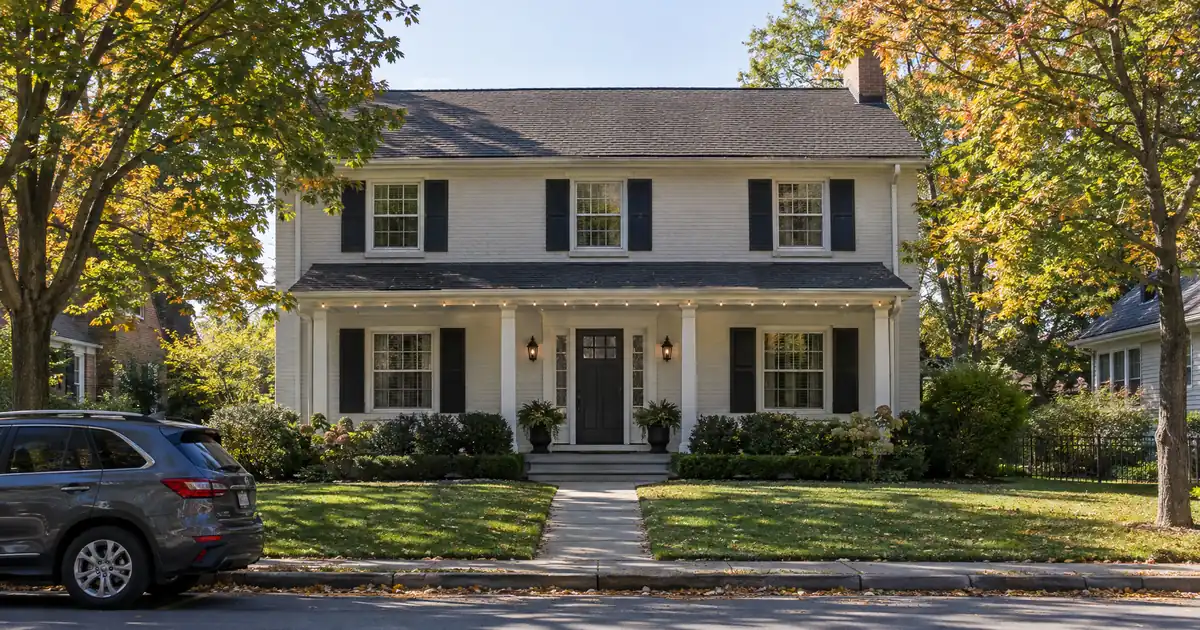
The Quick Read: The two options differ only in who pays the property tax and insurance bills, and neither one changes your DSCR. A waiver suits an investor with strong reserves and a reliable system for due dates. Full escrow suits an investor who wants those bills paid automatically. Whether a waiver is available depends on the program, the property, and flood status, subject to lender guidelines.
Key takeaways
- Taxes and insurance count in the DSCR math whether or not they run through escrow, so a waiver never lifts your coverage number.
- A waiver changes cash timing. You skip the escrow deposit at closing, but you owe the full tax and insurance bills in lump sums later.
- Full escrow gives you steady monthly budgeting and a servicer that pays the bills on time. The cost is a larger deposit up front and a payment that can shift after each yearly review.
- Flood insurance may still be escrowed even when the rest is waived.
- Waivers are a program decision, not a right. Lenders often look harder at reserves and landlord experience before agreeing.
DSCR Calculator
Run the numbers in your market
Rate source: Freddie Mac 30-yr average via FRED® — Federal Reserve Bank of St. Louis · effective Oct 29, 2026
Prefilled with starting assumptions — enter your own rent or nightly figures, taxes, insurance, and HOA for a more accurate picture.
Program parameters update from Lendmire’s centralized guideline source. Taxes and insurance are editable estimates.
As of Oct 29, 2026 · General Freddie Mac market benchmark, not a Lendmire loan offer. Rent, nightly rate, occupancy, taxes, and insurance are editable estimates. Short-term rental figures are estimates only and vary significantly by season, property type, management approach, and local short-term-rental rules — confirm local regulations before relying on them. Qualifying income for short-term rentals varies by program — some use appraisal market rent, others use documented STR history or projections — and is confirmed in underwriting. Not a Loan Estimate, approval, or commitment to lend. Program availability and eligibility are subject to lender guidelines, credit approval, property review, and underwriting.
Side-by-Side
The table shows common industry practice for each option. Waiver availability varies by lender program, and Lendmire’s wholesale network places both structures. Treat the waiver column as the usual pattern, not a promise.
| Factor | Escrow Waiver | Full Escrow |
|---|---|---|
| Review basis | Rent vs. PITIA | Rent vs. PITIA |
| Who pays tax and insurance | You, directly | Servicer, from your payments |
| Key documents | Proof of insurance, tax bill | Escrow agreement, quotes |
| Cash at closing | No escrow deposit | Initial deposit common |
| Reserve expectations | Often reviewed more closely | Program standard |
| Property types | Same list; some restrictions | Same list as waiver |
| Entity vesting | Same either way | Same either way |
| Flood-zone property | Flood escrow may still apply | Included |
| Payment predictability | Lump-sum bills later | Smoothed monthly |
| Timeline | Same underwriting steps | Adds escrow setup |
Property eligibility does not change with the escrow choice. Manufactured homes (single- and double-wide), log homes, and barndominiums are not offered through the network’s DSCR programs under either structure. Entity vesting works the same way, too. Closing a loan in an LLC is possible with either structure, subject to lender program eligibility.
Key Terms Defined
Escrow account: A holding account where the servicer collects a monthly share of your property taxes and insurance, then pays those bills when they come due. Some people call this an impound account.
Escrow waiver: An agreement that lets you pay the tax and insurance bills yourself instead of through the servicer.
PITIA: Principal, interest, taxes, insurance, and association dues. This is the monthly obligation the lender compares to rent.
DSCR (debt service coverage ratio): Monthly rent divided by PITIA. A loan is reviewed primarily on property-level rental income covering the payment, subject to lender guidelines.
Lender-placed insurance: Coverage the servicer buys for you when your own policy lapses. It is usually more expensive and protects the lender, not you.
Reserves: Liquid funds you hold after closing, usually counted in months of PITIA.
Does Waiving Escrow Change Your DSCR?
No. Lenders put taxes and insurance in the denominator whether you escrow them or not. The bills exist either way, and the ratio counts them either way.
Run the numbers on a rental whose rent covers the full monthly obligation at roughly 1.2x. Turn escrow on, and the ratio stays near 1.2x. Waive escrow, and it still sits near 1.2x. The only thing that moves is when the cash leaves your account.
That is why a waiver is a timing choice, not a cost cut. It also does not rescue a weak file. If coverage is thin, skipping the escrow does nothing for it.
Clearing 1.00 is also not the same as positive cash flow. DSCR compares rent to PITIA only. Repairs, vacancy, management, utilities, and capital expenses sit outside the calculation. Across the wholesale network Lendmire works with, 1.00 is where select programs start, and stronger ratios open better leverage tiers. None of that depends on the escrow election.
A bigger down payment can help the ratio by shrinking the loan. It will not erase leverage caps, credit floors, reserve rules, or property eligibility. The strongest files clear both tests, enough equity and enough rental coverage. Most purchase files land at 75%–80% LTV on an investment property, and a typical program wants a credit score around 660, with 620 as a floor in parts of the network. Final terms depend on the lender’s guidelines, the property type, and the borrower’s complete credit picture.
Is Escrow Required on a DSCR Loan?
Usually the program decides, not federal law. DSCR loans are designed for non-owner-occupied investment properties. Because they are business-purpose investor loans, they are reviewed differently from a standard owner-occupied mortgage.
The best-known federal escrow mandate applies to certain higher-priced, first-lien loans on a principal dwelling, per the eCFR text of Regulation Z. A rental you do not live in is not a principal dwelling. Business-purpose loans are also generally exempt from the federal mortgage servicing rules, per the Federal Reserve’s coverage rule. A credit union compliance blog explains the same link in plain terms.
The practical result is simple. Your note and mortgage documents set the escrow terms, and the lender program sets whether a waiver is allowed. Ask about this before you pick a program, not at the closing table.
Flood is the common exception. Lenders can require flood insurance to be escrowed for a property in a special flood hazard area, and a loan buyer can add that requirement even when the originator is not directly regulated. Treat a waiver in a flood zone as partial at best. You may pay the tax bill and homeowners policy yourself while the servicer still collects flood premiums.
When an Escrow Waiver Is the Better Fit
A waiver works best for an investor who has the cash cushion and the discipline to run the bills alone. These are the usual profiles.
The investor with deep reserves. Reserves on DSCR files commonly run around 6 months of PITIA. They vary by lender, leverage, loan size, and transaction type. Conservative rate-and-term files at modest leverage under $1,500,000 can see reserves waived, and larger loans typically step up to about 9 months. If you hold well past the program minimum, a waiver asks little extra of you.
The investor who wants control of the money. Escrow means the servicer holds your cash for months. Some landlords would rather keep that cash in an account of their own and pay the bills when due. They want the flexibility, and they keep a dedicated account for it.
The investor who shops insurance. Direct payment makes it easier to change carriers or compare quotes. You can also see tax bills as they arrive, which gives you a chance to catch an error or appeal an assessment. A lender-collected escrow can still be adjusted, but you are one step further from the bill.
The investor trying to lower cash to close. With a waiver, you skip the initial escrow deposit. That helps a purchase where cash is tight. The lump-sum bills still come later, so this changes when you pay, not how much you pay.
A waiver also asks for habits. Keep one calendar for tax and insurance due dates across every property. Move money into a rental-only account each month so a big bill never surprises you. Keep clear records, too. Tax treatment can depend on how the funds are used and how the property is held, so keep documentation and speak with a qualified tax professional before relying on any deduction.
Some programs attach conditions to a waiver, and a few attach a cost. Get the terms in writing before you count on it.
When Full Escrow Is the Better Fit
Full escrow works best for an investor who values a steady, hands-off system. Several profiles fit.
The first-time landlord. A new investor has enough to learn without also tracking tax calendars and renewal notices. The servicer pays on time, and a missed bill cannot sink the file. For a first rental, that safety net is often worth the deposit.
The portfolio builder. Ten properties can mean twenty or more due dates. Escrow turns that into one monthly payment per property and takes the calendar off your plate. Some portfolio owners escrow everything and keep their own attention on rents and repairs.
The investor with thinner reserves. If liquid cash is close to the program minimum, spreading the bills across twelve months can feel safer than a large annual hit. The lender may also prefer it, since the money is already set aside.
The investor in a flood zone or a condo. Flood escrow may be required regardless, so a full escrow can simplify the setup. For a condo, the association may carry the master policy, which changes what gets escrowed. Ask how the program treats that.
Full escrow has real costs. The initial deposit at closing can be sizable. The monthly obligation can also move after each annual review when taxes or insurance change. That is fine for most budgets, but it means the number you underwrote may not hold forever. If a payment jump would break your cash flow, stress-test it before you buy.
For a look at the same trade-off on an owner-occupied loan, see Lendmire’s explainer Prepaid Escrow vs Escrow Waiver on a Conventional Loan. The rules there differ from DSCR files, but the cash-timing logic carries over.
DSCR vs. conventional financing
There are two common ways to finance an investment property, and they qualify you differently — here’s how investors weigh them.
Why investors choose it
- Qualifies on the property’s rental income — no personal tax returns, W-2s, or pay stubs needed to document income.
- No personal debt-to-income ceiling to clear, so existing mortgages and obligations don’t cap your borrowing the same way.
- Can be closed in an LLC, keeping the property inside a business entity.
- Built for scaling — not held to the limit on number of financed properties that conventional financing applies.
- Underwriting centers on the deal: generally qualifies when the rent covers the payment, a 1.00x coverage ratio being a common baseline (confirmed in underwriting).
- Designed specifically for investment property, including long-term and, where the program allows, short-term rentals.
Where it’s strong
- Often the lowest ongoing financing cost for a buyer who fully qualifies on personal income — a fit for a first property or a cost-first purchase.
Trade-offs for investors
- Requires full personal income documentation and must fit within a debt-to-income limit — salary, existing debts, and other mortgages all count.
- Typically held in your personal name rather than a business entity.
- Caps how many financed properties you can carry, which can become a ceiling as a portfolio grows.
- Evaluates you as a borrower as much as the property, which usually means more paperwork.
How investors usually choose: a first or single property often optimizes for the lowest financing cost; portfolio builders often optimize for leverage, vesting in an LLC, and scaling past conventional caps. The right answer depends on your goals, the property, and current guidelines — both paths run through select lenders in Lendmire’s wholesale network, with eligibility and terms confirmed in underwriting.
What Lenders Look At When You Ask for a Waiver
Think of a waiver request as a short risk review. Programs vary, but lenders commonly weigh these categories:
- Reserves. More liquid cash after closing makes a waiver easier to approve.
- Leverage. Lower LTV usually helps. A high-leverage file is a harder ask.
- Credit profile. Stronger scores signal a better payment history.
- Landlord experience. A track record of paying bills on time across properties helps.
- Property and location. Flood status, property type, and local tax-bill structure all matter.
- Proof of coverage. You still must show a bound policy with the lender’s mortgagee clause.
Ask at application, not after closing. Request the waiver in writing and confirm whether the lender can revoke it later. Many escrow clauses stay in the loan documents even when a waiver is granted, so a late payment or a lapse could put escrow back in play. Ask whether you can waive taxes and insurance separately, since some programs allow a partial waiver.
Where Waiver Mistakes Happen
The common failures are boring and avoidable.
1. Missing an insurance renewal. A lapse can trigger lender-placed insurance, which costs more and covers less.
2. Forgetting a tax bill. Unpaid property taxes can create a lien on the property and a default risk on the loan.
3. Ignoring a servicing transfer. If the loan moves to a new servicer, update the mortgagee clause and send fresh proof of coverage. A missed renewal proof can lead to lender-placed coverage.
4. Mixing rental and personal cash. One shared account makes it easy to spend the money meant for the bills. Keep a separate account, and fund it monthly.
5. Treating a repair escrow as the same thing. A repair holdback is a share of loan proceeds held until work is done. It has nothing to do with the tax and insurance election.
A simple tracker beats good intentions. List each property, its tax due dates, its insurance renewal date, and where the funds sit. Set reminders well ahead of each bill.
The Balanced Verdict
Neither option is better by default. They are the same loan with a different bill-paying system.
Choose a waiver if you hold strong reserves, run a clean calendar, and want control of your cash. Expect to ask for it, to meet the program’s conditions, and to pay flood premiums through escrow if the property requires it. Choose full escrow if you want predictable monthly budgeting, a servicer that handles the bills, or a margin of safety on a thin-reserve file. Expect a larger deposit and a payment that can change each year.
This one is close to a toss-up for many investors. A single-property landlord with solid savings might lean toward a waiver for the control, while the same person at ten properties might switch to escrow just to protect their time. Your answer can change as the portfolio grows. In both cases, the DSCR is the same. The better file is the one where the rent covers the payment with room to spare and the borrower has a bill-paying plan they will actually follow.
For a wider view of how these loans fit together, Lendmire’s complete DSCR loans guide walks through leverage, credit, reserves, and property rules.
Frequently Asked Questions
Can I waive escrow on a DSCR rental loan?
Sometimes. Waiver eligibility is a lender and program decision, not a federal right. Lenders often weigh reserves, leverage, credit, and landlord experience. Flood insurance may still be escrowed, so confirm the exact terms for your property type and location before you commit.
Does waiving escrow help me qualify?
No. Taxes and insurance stay in PITIA either way, so the coverage ratio is the same. A waiver only changes when you pay the bills. If your DSCR is thin, the fix is more rent, more down payment, or a different structure, not a different escrow election.
Is a waiver the same as having no escrow account?
Not always. A waiver is an agreement that you will pay the bills yourself, and the escrow clause often stays in your loan documents. If you miss a payment or let a policy lapse, the lender may be able to start escrow. Ask whether the waiver is revocable.
Can I add or remove escrow after closing?
It depends on the loan documents and the servicer. Some programs let you request a change after a period of on-time payments, and others do not. Settle the question at application, since removing escrow later is harder to count on.
Can I waive only taxes or only insurance?
Possibly, depending on the program. Some lenders allow a partial waiver, and flood premiums may stay escrowed regardless. If you want a split arrangement, ask for it in writing early in the process.
Next Step
If you are buying or refinancing a rental property and want to see how the numbers work, Lendmire can help you compare DSCR loan options based on the property income, credit profile, leverage, and investor goals. Lendmire is a broker arranging financing through select lenders in its wholesale network, across 41 markets including Washington, D.C. Call 828-256-2183 to talk through whether a waiver or full escrow fits your plan. Programs and eligibility are subject to lender guidelines and are not a commitment to lend.
About Lendmire
A non-QM mortgage broker (NMLS# 2371349), Lendmire arranges DSCR financing for real estate investors in 41 markets — 40 states plus Washington, D.C. Because deals are underwritten primarily on property cash flow rather than personal income documentation, the structure suits self-employed buyers and entity-owned portfolios. Lendmire places loans through wholesale investor lenders; it is not a direct lender. Scotsman Guide named Lendmire a Top Mortgage Workplace in both 2025 and 2026.
Get Started
Ready to find the right loan for you?
See your offer in seconds. No credit pull, no obligation.
Informational only. Not a Loan Estimate, approval, or commitment to lend. Program availability and eligibility are subject to lender guidelines, credit approval, property review, and underwriting.
References
1. eCFR, 12 CFR 1026.35 (higher-priced mortgage loan escrow requirements)
2. Regulation X § 1024.5, Coverage of RESPA
3. America’s Credit Unions, Compliance Blog on Regulations and Business Loans
This article is part of Lendmire’s DSCR loan program — full qualification details, guidelines, and scenarios live on the program page.
Related reading: Can a DSCR Loan Refinance a Rental Loan About to Mature? · How a DSCR Refinance Works When a Rental Loan Resets · DSCR Refinance vs Keeping the Original Loan on a Rental
Brandon Miller
Founder & CEO, Mortgage Loan Originator, Lendmire LLC
- Mortgage Loan Originator · NMLS# 1129696 · Verify on NMLS Consumer Access
- North Carolina Real Estate Broker · License# 343312 · Verify on NCREC
- North Carolina Insurance Producer · License# 19053198 · Property, Casualty, Life, Health · Verify on NAIC SBS
- Lendmire LLC · Firm NMLS# 2371349 · Verify firm licensure
Important disclosures. Lendmire (NMLS# 2371349) is a licensed mortgage brokerage. Lendmire is not a direct lender, depository institution, or financial advisor. All loan inquiries are subject to lender underwriting; this article does not constitute a commitment to lend. Rates, terms, and program guidelines are subject to change without notice and vary by borrower profile, property type, and state. Information in this article is general in nature and is not financial, legal, or tax advice. Equal Housing Opportunity. NMLS Consumer Access: nmlsconsumeraccess.org.