
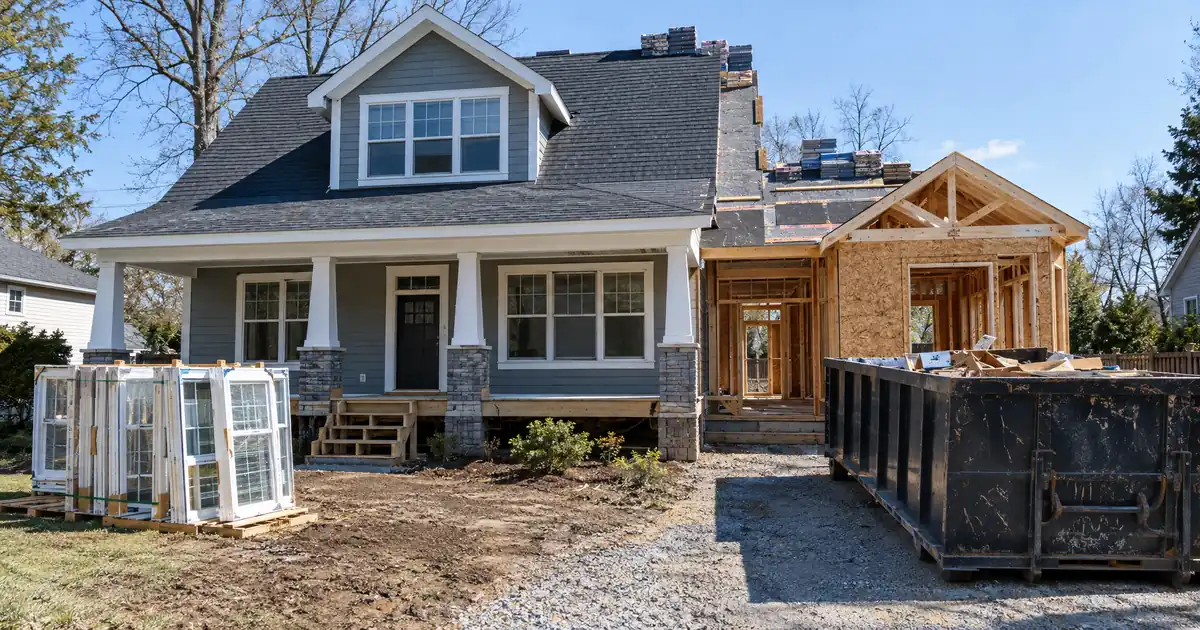
The Quick Read: A cash-out refinance fits a finished, leased rental whose appraisal and rent coverage can support a long-term loan. Extending the private note fits a rental that is not ready, such as one with no tenant, a low appraisal, or a clock that has not run.
- A DSCR cash-out refinance on a standard rental tops out around 75% LTV, with about 6 months of seasoning from title recording.
- Coverage starts at 1.00 on select programs. Stronger ratios open better leverage.
- Extending only moves the maturity date. A refinance replaces the structure.
- Clearing 1.00 is not positive cash flow. Repairs, vacancy, and management sit outside the ratio.
- Both exits depend on the lender and the file, and neither is a commitment to lend.
The honest answer is that these two moves solve different problems. The refinance solves a structure problem: it swaps short-term, interest-only, balloon debt for long-term debt, and it can return the equity the rehab created. The extension solves a calendar problem: it buys time when the property, the appraisal, or the seasoning clock is not ready. Many investors end up using both, extending first and refinancing second.
DSCR Cash-Out Calculator
Run the cash-out numbers in your market
Rate source: Freddie Mac 30-yr average via FRED® — Federal Reserve Bank of St. Louis · effective Oct 8, 2026
Prefilled with starting assumptions — enter your property’s value, balance, taxes, and insurance for a more accurate picture.
Program parameters update from Lendmire’s centralized guideline source. Taxes and insurance are editable estimates.
As of Oct 8, 2026 · General Freddie Mac market benchmark, not a Lendmire loan offer. Property value, balance, taxes, and insurance are editable estimates. Maximum loan-to-value varies by lender, program, property type, and seasoning. Not a Loan Estimate, approval, or commitment to lend. Program availability and eligibility are subject to lender guidelines, credit approval, property review, and underwriting.
Side-by-Side
The refinance column describes how DSCR cash-out loans work across Lendmire’s wholesale network. The extension column shows published industry norms for private and hard-money notes, which vary by lender and note.
| Factor | Cash-out refinance (DSCR) | Extending the private note |
|---|---|---|
| Review basis | Rent vs. full payment, credit, reserves, appraisal | Lender’s view of asset, exit plan, relationship |
| Documentation | Appraisal with rent schedule, lease, entity papers, guaranty, payoff statement | Extension or modification agreement, insurance, exit plan |
| Property types | Rentals; manufactured, log, barndominium not offered | Set by the original note |
| Entity vesting | LLC with personal guarantor is common, per program terms | Stays as originally papered |
| Timeline | Tied to appraisal, underwriting, and payoff | Tied to lender’s willingness and note terms |
| Reserves | Commonly about 6 months of PITIA; more on larger loans | Usually none new, depending on lender |
| Structural effect | Long-term amortizing debt replaces the bridge | Balloon moves; maturity date remains |
What the Cash-Out Refinance Has to Clear
Four tests decide a DSCR cash-out on a BRRRR rental, and the file has to pass all of them.
Value. The new appraiser’s number sizes the loan, not your after-repair estimate. On most files in the network, cash-out tops out around 75% LTV on a standard rental. A low appraisal cuts the leverage you were counting on, and an appraisal reconsideration packet with recent in-neighborhood sales is a routine response.
Seasoning. Across the network, about 6 months is the common expectation, and it runs from title recording. The end of the rehab and the start of the lease do not start the clock. Until it runs, many lenders size the loan to cost basis (purchase price plus documented rehab) instead of appraised value. For non-agency loans this is lender policy, not law, and it varies. The AdviceOnly BRRRR glossary describes the refinance step breaking in two places: whether the appraisal supports the new loan, and the lender’s seasoning rule.
Coverage. DSCR is monthly rent divided by the full payment: principal, interest, taxes, insurance, and any HOA dues. A bigger loan raises the payment, so the ratio has to clear on the new balance, not the old one. Select programs start at 1.00. A separate select-lender path takes coverage below 1.00, with leverage and terms adjusted. Rent support comes from a lease or the appraiser’s rent schedule: Form 1007 on single-family, Form 1025 on 2-4 units.
Borrower file. Most programs want a score around 660, and 700 or higher opens the strongest leverage tiers. A 620 floor exists in parts of the network. Reserves commonly run about 6 months of PITIA, stepping up to about 9 months above $1,500,000. Standard programs go to $3,000,000.
Equity out is not a guaranteed figure. It depends on rent used for lender review, the payment, reserves, and the LTV ceiling together. More down on a purchase, or more equity left in a refinance, can lift the ratio. It never erases leverage caps, credit floors, or property eligibility. The strongest files clear both tests: enough equity and enough rent.
For the full program picture, see Lendmire’s complete DSCR loans guide.
When the Cash-Out Refinance Is the Better Fit
Pick the refinance when the property is done and the numbers are real.
- The unit is leased and stable. A signed lease and a rent schedule give the appraiser and the underwriter something to test.
- The seasoning clock has run, or will before maturity. Title recorded at least about 6 months back means the loan can size to appraised value on many programs.
- The forced equity is large. If the rehab created real value, only a cash-out sized on appraised value returns that capital for the next deal.
- You want the balloon gone. The refinance turns a maturity date into a permanent amortizing loan. An extension only pushes the date.
- Entity papers are in order. DSCR loans commonly allow title in an LLC with a personal guarantor, subject to lender program eligibility. Operating agreement, certificate of good standing, and guaranty belong in the file before submission.
Say you hold a leased duplex that appraises well above cost, with title recorded more than six months ago. The file clears roughly 1.2x on the new balance at 75% LTV. That is a clean refinance candidate. If the same duplex is still vacant, the file has no lease evidence and the numbers are not real yet. Final terms depend on the lender’s guidelines, the property type, and the borrower’s complete credit picture.
A word on the agency route. Fannie Mae’s guide allows a delayed financing exception for purchases within six months. It is an agency rule, not a DSCR rule, and it rarely fits a BRRRR buyer. Under the archived version of the same guide, purchase money secured by another asset must be repaid from the proceeds. The AdviceOnly glossary adds that the new loan under the exception is capped at documented investment plus closing costs, so rehab spend falls outside the formula.
When Extending Private Money Is the Better Fit
Pick the extension when forcing the refinance would produce a weak file.
- There is no tenant yet. A DSCR file with no lease and no market-rent support is a file with gaps. Extending can be cleaner than rushing it.
- The seasoning clock is still running. If maturity lands before about 6 months from title recording, a refinance may size to cost basis instead of appraised value. Waiting can recover the difference.
- The appraisal came in low. Contest it first. If the number holds, an extension lets you leave money in the deal and refinance later rather than sell or take a bad structure.
- The rehab slipped. An unfinished property does not support a long-term loan.
Extensions have limits, and terms differ by lender and note. The practical rules are the same everywhere. Get the extension in writing before maturity. Do not rely on a verbal “keep paying me.” Keep working the exit in parallel while the extension runs: lease-up, seasoning, appraisal.
Hard-money terms in the network typically run 6 to 18 months, interest-only, with no prepayment penalty. That varies by lender, property, and experience. There are no multi-year structures on the current program, so an investor needing longer runway usually plans a long-term exit instead.
Where Files Break
The failure modes are predictable, and they are mostly calendar problems.
Maturity before seasoning. The bridge term is shorter than seasoning plus lease-up plus appraisal plus underwriting. Plan the exit at acquisition and confirm any extension option before buying.
Appraisal below the plan. The leverage on the new loan is based on the lender’s value. If the number lands light, the cash-out shrinks and sometimes the payoff does not clear.
Coverage that clears only on paper. Rent that works against the old balance may not work against the new, larger one. Run the ratio on the proposed loan before ordering the appraisal.
Documents that trail the deal. Entity papers, guaranty, lease, payoff statement, and the draw history for the hard-money note should be ready before the file goes in. Missing items cause the quiet delays.
Treating DSCR as cash flow. A file can clear 1.00 and still lose money after repairs, vacancy, management, utilities, and capex. The ratio compares rent to PITIA only.
Mixed entity rules. Agency loans generally close in individual names. DSCR programs generally keep the LLC, subject to program terms. Do not assume the agency treatment carries over.
Payoff-Only vs. Cash-Out
One more distinction matters on BRRRR files. If the new loan only covers the hard-money payoff and closing costs, the market usually treats it as a rate-and-term refinance. Cash beyond that makes it a cash-out, with the stricter 75% ceiling and seasoning. On the network’s DSCR sheet, rate-and-term refinance can reach a higher ceiling (up to 85% LTV, no cash back at closing). A payoff-only exit is sometimes the better plan when the goal is to retire the bridge and the equity can wait. Many investors also refinance out of hard money into long-term DSCR financing once the property is stabilized, and Lendmire’s hard money exit refinance program page covers that path.
Key Terms Defined
Seasoning: the period a lender requires you to hold title before it will lend on appraised value rather than cost.
Cost basis: purchase price plus documented rehab spend.
Payoff-only refinance: a refinance whose proceeds only retire the existing loan and cover closing costs.
DSCR: monthly rent divided by the full monthly payment, including taxes, insurance, and any HOA dues.
Balloon: the lump sum due at maturity on an interest-only note.
Lien release: the document that clears the old lender’s claim on title after payoff.
A Balanced Verdict
Refinance when the property is leased, the appraisal supports the plan, and the clock has run. Extend when any of those is missing and the cost of waiting is lower than the cost of a weak file. The two are not rivals so much as stages. An extension is a bridge to a better refinance, not a substitute for one.
The decision comes down to four checks: where the maturity date falls against the seasoning clock, whether the appraisal clears the leverage you need, whether rent covers the new payment, and whether the unit is leased. If all four pass, the refinance is usually ready. If any fail, price the extension and use the time.
If you are rehabbing or refinancing an investment property on a short timeline and want to see how the numbers work, Lendmire can help you compare hard money options based on the project, the exit plan, leverage, and your goals. Reach the team at 828-256-2183 or request a quote.
Tax treatment varies; consult a qualified professional.
Frequently Asked Questions
Does the seasoning clock start when the rehab ends?
No. On most programs in the network it runs from title recording, about 6 months for a cash-out. The end of the rehab and the start of the lease do not reset it. Until it runs, many lenders size the loan to cost basis.
Can I extend private money and refinance at the same time?
Yes, and it is a common plan. The extension covers the gap while the lease, seasoning, and appraisal come together. Keep the extension in writing and keep the refinance file moving in parallel so the maturity date never becomes the deadline.
Does delayed financing help a hard-money BRRRR buyer?
Rarely. It is an agency exception, not a DSCR feature. The AdviceOnly glossary notes the new loan is capped at documented investment plus closing costs, which leaves rehab spend out.
What if the appraisal comes in low?
Request an appraisal reconsideration with recent in-neighborhood sales and condition adjustments. If the value holds, you can leave capital in the deal and refinance later, or use an extension to wait out the gap.
Is a DSCR cash-out refinance the same as positive cash flow?
No. Clearing 1.00 means rent covers PITIA. Repairs, vacancy, management, utilities, and capex are outside the calculation, so the ratio is a qualification test, not a profit measure.
For current guidelines and terms, see Lendmire’s DSCR loan programs page.
About Lendmire
Lendmire (NMLS# 2371349) is a mortgage brokerage focused on DSCR investor financing, helping arrange programs through wholesale and investor-lending channels in 41 markets, including Washington, D.C. DSCR loans are evaluated by the lender on property cash flow rather than personal income, subject to lender guidelines, supporting LLC closings and accommodating investors with four or more financed properties. Scotsman Guide Top Mortgage Workplace in both 2025 and 2026.
Get Started
Ready to find the right loan for you?
In about 30 seconds you can review financing options available for your investment property. No commitment required.
Informational only. Not a Loan Estimate, approval, or commitment to lend. Program availability and eligibility are subject to lender guidelines, credit approval, property review, and underwriting.
References
2. Fannie Mae Selling Guide B2-1.3-03, Cash-Out Refinance Transactions
3. Fannie Mae Selling Guide B2-1.3-03 (archived version)
This article is part of Lendmire’s hard money loan program — full qualification details, guidelines, and scenarios live on the program page.
Related reading: How to Cash Out Several Rentals in Order With Individual DSCR Loans · How Loan-to-Value Steps Change a DSCR Cash-Out for a Scaling Investor · How to Find a Rental HELOC When Big Banks Say No
Brandon Miller
Founder & CEO, Mortgage Loan Originator, Lendmire LLC
- Mortgage Loan Originator · NMLS# 1129696 · Verify on NMLS Consumer Access
- North Carolina Real Estate Broker · License# 343312 · Verify on NCREC
- North Carolina Insurance Producer · License# 19053198 · Property, Casualty, Life, Health · Verify on NAIC SBS
- Lendmire LLC · Firm NMLS# 2371349 · Verify firm licensure
Disclosures. The information presented in this article is general market commentary, not financial, legal, or tax advice. Lendmire is a mortgage brokerage (NMLS# 2371349) — not a direct lender or depository institution — and loan placement is subject to lender underwriting. Nothing in this content represents a commitment to lend. Loan terms, pricing, and program availability vary based on borrower qualifications, property characteristics, and state of subject property, and are subject to change at any time. Lendmire complies with Equal Housing Opportunity requirements. Consumer access: nmlsconsumeraccess.org.