
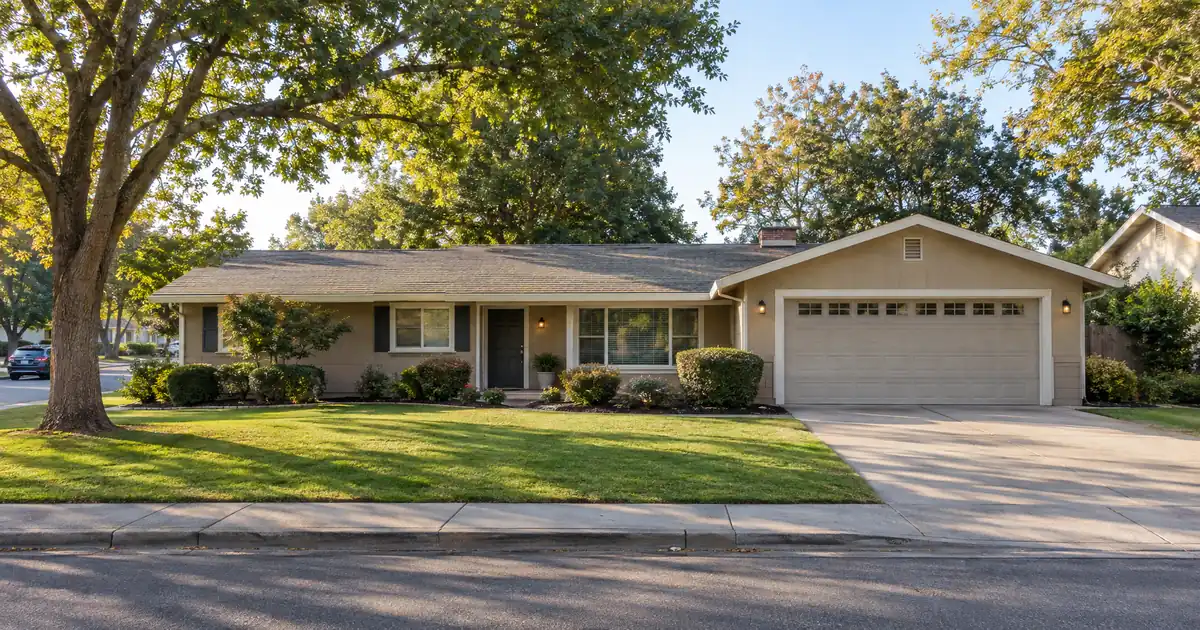
The Quick Read: Usually, yes. A month-to-month tenancy does not by itself block a DSCR cash-out refinance, but it makes the file weaker on paper, so the lender leans on the appraiser’s market-rent opinion instead of the lease. The outcome turns on four things, all subject to lender guidelines:
- Time on title: about 6 months from the recorded deed on a cash-out.
- Rent counted: generally the lower of documented rent and appraised market rent.
- Leverage: up to about 75% LTV on a standard rental cash-out.
- Credit and reserves: a 620 floor exists in parts of the network, most programs want around 660, and reserves commonly run about 6 months of PITIA.
A quick disambiguation: this guide is for a landlord whose tenant rents month to month on a property being refinanced. It is not about renting an apartment yourself.
DSCR Cash-Out Calculator
Run the cash-out numbers in your market
Rate is an editable market assumption — the live benchmark loads when available.
Prefilled with starting assumptions — enter your property’s value, balance, taxes, and insurance for a more accurate picture.
Program parameters update from Lendmire’s centralized guideline source. Taxes and insurance are editable estimates.
Fallback assumption · General Freddie Mac market benchmark, not a Lendmire loan offer. Property value, balance, taxes, and insurance are editable estimates. Maximum loan-to-value varies by lender, program, property type, and seasoning. Not a Loan Estimate, approval, or commitment to lend. Program availability and eligibility are subject to lender guidelines, credit approval, property review, and underwriting.
Why Does the Lease Type Matter at All?
A lender wants to know the rent will keep coming in. A fixed-term lease answers that with an end date and a signed rent figure. A month-to-month tenancy renews automatically, ends with notice, and lets the rent change. That is flexible for you and fuzzier for an underwriter.
So the lender looks for other proof. Bank deposits, a prior lease, and a clean payment history all work. Across the wholesale network, the lease type matters less than whether the rent is written down, paid, and close to market.
DSCR is the property’s monthly rent divided by its monthly PITIA. PITIA means principal, interest, taxes, insurance, and any HOA dues. The loan is reviewed primarily on property-level rental income covering the payment, subject to lender guidelines. Your personal income is not the main test.
How Does a Lender Count Rent With No Fixed Term?
The rent used for lender review is generally the lower of two numbers: what your tenant actually pays and what the appraiser says the home should rent for. Two situations follow from that rule:
- Rent above market: it does not raise your number. It gets capped at market.
- Rent below market: it pulls the coverage ratio down.
That second case is the real obstacle for a first rental. A tenant who has paid the same low rent for years can sink a file far more than the month-to-month label ever will.
The market-rent figure comes from the appraisal. For a one-unit home, the appraiser completes Form 1007, the Single-Family Comparable Rent Schedule. Lenders use it to get market rent from the appraiser. For two to four units, the equivalent is Form 1025. DSCR loans are not agency loans. The industry simply borrowed the forms.
The form asks for rent comparables, adjustments, and a final reconciled monthly market rent. It also says rent concessions should be adjusted to the market, so free-rent deals do not inflate the figure.
One more point on the math. Coverage is tested against the new, larger payment after the cash-out, not your old one. Testing the old payment is a classic first-timer mistake. Lendmire’s piece How to Stress-Test DSCR on a First Rental Cash-Out Refinance walks through that test.
Your Tenant Situation, Row by Row
| Situation | What the lender leans on | What to provide |
|---|---|---|
| Fixed term, time left | Lease rent vs market | Signed lease |
| Written month-to-month | Market rent, lease as support | Terms plus payment proof |
| Expired, rolled over | Market rent | Prior lease, deposits |
| Verbal only | Market rent, weak evidence | Written terms, bank records |
| Vacant | Appraiser’s market rent alone | Nothing from a tenant |
In most rows the fix is the same: get the rent in writing and prove it was paid. Signing a fresh lease at a clear rent and term before you apply is often the cleanest repair. Lendmire’s guide How to Document Month-to-Month Rent on Your First Rental Cash-Out Refinance covers the paper trail in detail.
A few edge cases come up often:
- Family tenants and informal deals. Expect the same proof requirements. Name mismatches between lease, title, and insurance create avoidable friction.
- Voucher or rent-assisted tenants. Plan on the lease, the housing contract, and a payment ledger.
- Concessions. Free rent lowers effective rent. Disclose it.
Should You Sign a New Lease First?
Often, yes. The decision comes down to one question: is your current rent at market?
- Rent at market, paid by deposit: go as-is. A month-to-month tenancy with documented payments is workable.
- Rent below market: consider renewing at market first, then refinancing. A fresh lease can lift the rent the lender counts. Give proper notice and check any local rent rules before changing the rent.
- No paperwork at all: write a simple lease and keep deposit records before you apply.
Renewing does not disturb the tenant. The tenancy carries through the refinance. The appraiser needs access, so the tenant should get notice. Nobody has to move out. Tenant-occupied is the expected state for this kind of loan.
What Is Different About a First Rental?
A first rental means one property and no portfolio to offset a weak spot. Everything rides on this file. Four details matter most:
1. The seasoning clock. Seasoning is the waiting period between buying and refinancing. It runs about 6 months for cash-out and starts at the recorded deed. A signed lease or finished rehab does not start it. It is lender policy, not law.
2. Inside the window. Loans are generally sized on the lower of your cost or the appraisal. After it, they are sized on appraised value.
3. Title. The borrower on the loan should match who holds title, or the entity vesting should be clean. LLC-titled loans are available subject to lender program eligibility.
4. Converted homes. If you moved out of your own home and turned it into a rental, confirm how a lender counts your ownership time and whether it treats the property as an investment.
A quick contrast helps. Agency cash-out rules, such as Fannie Mae’s six-month title requirement, do not govern DSCR files. DSCR programs set their own seasoning. Across most of our network, it lands near six months.
A Worked Picture
Say you bought a single-family rental and have owned it past the seasoning window. Your tenant has gone month to month at the old lease rent, which sits well below what comparable homes rent for. The appraiser’s rent schedule comes back higher.
Because the lender generally counts the lower figure, your coverage may land in borderline territory, roughly at or just below 1.00x on the new payment. Run the same property after renewing at market rent, and coverage might land closer to 1.2x. The house did not change. The rent evidence did.
On that low-coverage version, a few paths exist. Raising the rent to market first is the simplest. Coverage below 1.00 is also available through select lenders in the network, with leverage and terms adjusted, and lenders review these case by case. Neither is a promise. Each is subject to credit approval, property review, and lender guidelines.
Does Clearing 1.00 Mean the Rental Makes Money?
No. Coverage compares rent to PITIA only. Repairs, vacancy, management, utilities, and capital expenses sit outside the calculation. A property can clear the test and still lose money after real-world costs. Treat the ratio as a lender’s test, not a profit forecast.
Definitions also differ. Some publishers define the ratio as net operating income divided by annual debt service, which is a different formula from rent over PITIA. DSCR files here use the rent-over-PITIA version.
Go Now or Wait?
Go now if you can check all of these:
- You are past about six months from the recorded deed.
- The rent is written down and proven by deposits.
- The rent sits near market.
- Your credit and reserves fit the tier you want. A 620 floor exists in parts of the network, around 660 is more typical, and 700+ opens the strongest leverage.
- Coverage still clears on the new, larger payment.
Wait, or fix the file first, if the rent is far below market or you are inside the seasoning window. A few months of cleanup can mean a bigger loan.
When Is This the Wrong Move?
Be honest about the costs. Many DSCR loans carry a prepayment penalty, which is a fee for paying the loan off early. Refinancing also has closing costs. Proceeds come after payoff, costs, and reserves, so the cash you see is not the full LTV math.
If you only need a small amount, the cost may not justify it. If you plan to sell soon, skip it. Tax treatment can depend on how the funds are used and how the property is held; investors should keep clear records and speak with a qualified tax professional before relying on any deduction.
One more distinction. A short-term rental is not the same as month-to-month. Form 1007 is built on monthly-lease comparables, so a nightly rate times 30 does not give market rent. Cash-out leverage on short-term-rental collateral runs lower, about 70%, versus about 75% on a standard rental. Lenders usually want about 12 months of hosting history. Short-term rental rules can vary by city, county, HOA, and property type, so investors should confirm local rules before relying on projected rental income.
Properties like manufactured homes, log homes, and barndominiums are not offered through the network’s DSCR programs.
For the full picture of how these loans work, see the complete DSCR loans guide.
Frequently Asked Questions
Does month-to-month hurt my chances?
It weakens the paperwork, not the eligibility. Underwriting leans on the appraiser’s market rent, so documented payments and a rent near market keep the file strong.
Can I refinance a vacant rental?
Often, yes. The appraiser’s market rent stands alone, with no tenant evidence to support it. Leverage and terms are still subject to lender guidelines.
Do I need a lease at all?
Not always, but a simple written lease helps a lot. Pair it with deposit records and the file reads much cleaner.
Will the tenant have to leave?
No. The tenancy carries through the refinance. The appraiser needs access, so give the tenant notice.
Can a rate-and-term refinance work instead?
Yes, if you do not need cash. It returns no cash at closing and carries a higher LTV ceiling, up to about 85%.
If you are buying or refinancing a rental property and want to see how the numbers work, Lendmire can help you compare DSCR loan options based on the property income, credit profile, leverage, and investor goals.
Investors weighing their equity options can start with Lendmire’s guide to cash-out refinance on an investment property.
About Lendmire
Lendmire — NMLS# 2371349 — is a DSCR and non-QM mortgage brokerage with investor loan programs in 41 markets, including Washington, D.C. DSCR eligibility is commonly reviewed by the lender around property-level rent rather than personal income documentation, subject to lender guidelines, and the brokerage helps arrange financing for LLC-owned portfolios beyond conventional financed-property limits. Recognized by Scotsman Guide as a Top Mortgage Workplace in 2025 and 2026.
Get Started
Ready to find the right loan for you?
In about 30 seconds you can review financing options available for your investment property. No commitment required.
Informational only. Not a Loan Estimate, approval, or commitment to lend. Program availability and eligibility are subject to lender guidelines, credit approval, property review, and underwriting.
References
1. Freddie Mac / Fannie Mae Form 1007 instructions
This article is part of Lendmire’s investment property cash-out refinance program — full qualification details, guidelines, and scenarios live on the program page.
Related reading: Cash Out Refinance Investment Property Laws · Should I Pay Off My HELOC or Invest? · Cash Out Refinance Balloon LLC Property
Brandon Miller
Founder & CEO, Mortgage Loan Originator, Lendmire LLC
- Mortgage Loan Originator · NMLS# 1129696 · Verify on NMLS Consumer Access
- North Carolina Real Estate Broker · License# 343312 · Verify on NCREC
- North Carolina Insurance Producer · License# 19053198 · Property, Casualty, Life, Health · Verify on NAIC SBS
- Lendmire LLC · Firm NMLS# 2371349 · Verify firm licensure
Compliance and disclosures. Lendmire (NMLS# 2371349) is a licensed mortgage broker and is not a direct lender, depository institution, financial advisor, or tax professional. Content in this article is general market analysis and educational information — not financial, legal, or tax advice for any specific situation. Lendmire does not guarantee loan approval; every transaction is subject to underwriting by the funding lender. Mortgage pricing and loan program guidelines are subject to change at any time without notice and vary by borrower characteristics, property type, and state regulations. Lendmire complies with Equal Housing Opportunity. Licensure verification: NMLS Consumer Access.