
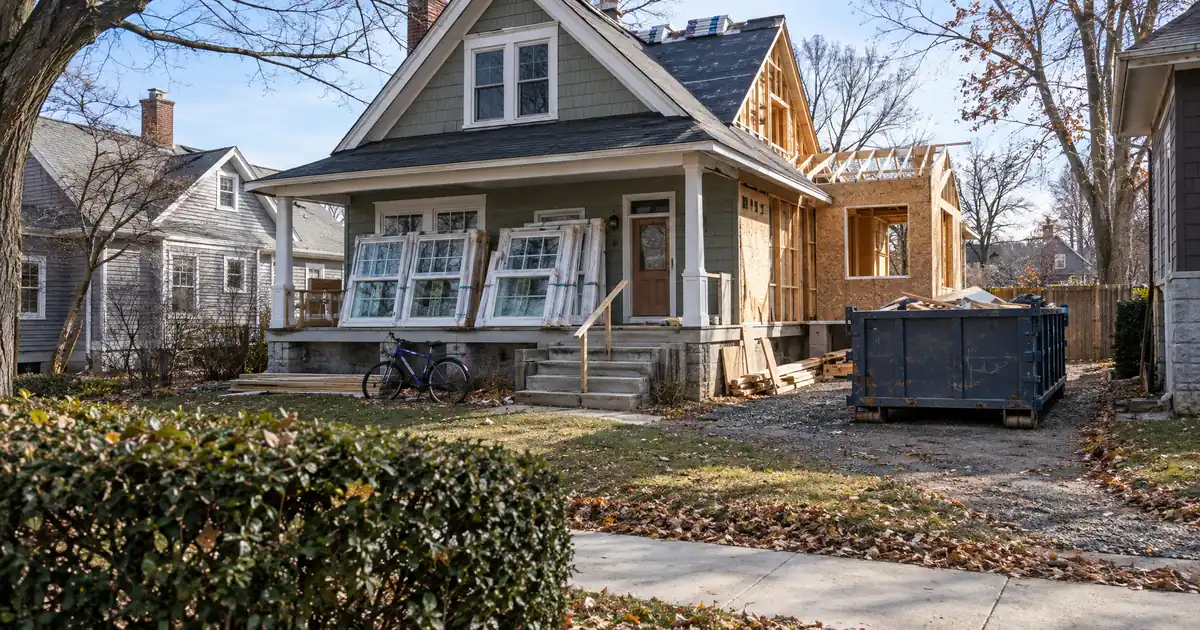
The Quick Read: Usually yes. Hard money underwriting centers on the property, the project plan, and the exit, so a missing track record rarely blocks approval outright, though it does lower the leverage you get and raises the cash you bring. Some lenders still insist on prior deals, which makes this a lender-by-lender answer.
- Experience changes terms more than eligibility. On the programs Lendmire places files with, fix-and-flip leverage is 85% of project cost for borrowers with fewer than 2 completed projects, always capped at 75% of after-repair value. Varies by lender, property, and experience.
- There is no true 100% purchase program. Up to 100% of the rehab budget can be funded, but it is released in draws against finished work.
- Credit still matters. A 620 minimum score is typical, with extra conditions below 660.
- The exit is part of the approval. Terms run 6-18 months, interest-only, so the lender wants to see how you get repaid.
- Scope note: this is about first-time investors buying non-owner-occupied property, not first-time homebuyers.
Key Terms Defined
After-repair value (ARV): what the property should be worth once the renovation is finished.
Loan-to-cost (LTC): the loan as a percentage of your total project cost, meaning purchase plus rehab.
Interest-only note: a loan where you pay interest during the term and repay the full balance at the end.
Personal guarantee: your promise to repay personally if the entity that holds the property can’t.
DSCR loan: a long-term investor loan that qualifies primarily on property-level rental income covering the payment, subject to lender guidelines. DSCR stands for debt service coverage ratio.
PITIA: principal, interest, taxes, insurance, and any association dues. It is the full monthly obligation on a property.
What this loan actually costs to carry.
Hard money is sized against the project and priced by time. Enter the deal and see how much the program will lend, the cash required at closing, the carry while you hold it, and what is left at the exit.
Leverage tiers on the current program: 85% with fewer than 2, 90% with 2 or more, 93% with 5 or more completed projects — every tier capped at 75% of after-repair value. Loan amounts up to $5,000,000, larger by exception; terms of 6 to 18 months, interest-only, no prepayment penalty. The rehab portion funds in draws against completed work, not at closing.
Program parameters shown update from Lendmire’s centralized guideline source. Rate, points, and months are editable assumptions, not quoted terms.
Cost cap sets the loan · positive spread
Illustrative estimate only — not a quote, Loan Estimate, approval, or commitment to lend. Rate, points, and months are editable assumptions. Hard money is business-purpose financing for real estate investors, not a consumer mortgage. Leverage on the current program tops out at 93% of project cost for investors with a documented track record, capped at 75% of after-repair value, with rehab funding up to 100% of the documented budget released in draws; actual terms vary by lender, borrower experience, property, and exit. Lendmire is a mortgage broker, not a lender.
What Do Hard Money Lenders Look at Instead of Your Track Record?
They look at the deal. The collateral is the property, so the first questions are about its value, the renovation plan, and how the loan gets repaid. Your résumé matters, but it is one input among several, not the gate.
A bank sizes you up first and the property second. A hard money lender flips that order.
| Factor | Hard money lender | Bank mortgage |
|---|---|---|
| Main focus | Property and project plan | Borrower income and debt |
| Key number | ARV and total project cost | Debt-to-income ratio |
| Experience | Sets leverage tier | Rarely asked |
| Exit plan | Required | Not applicable |
| Term | Short, interest-only | Long, amortizing |
Underwriting still touches you. Expect a credit pull, ID, proof of the cash you’re putting in, and a personal guarantee. Documentation is lighter than a bank file, but “lighter” is not “none.”
How Does Missing Experience Change the Loan?
It moves you to a lower leverage tier. Across the wholesale network Lendmire places files with, the tiers are tied to documented completed projects. Every tier is capped at 75% of ARV, and the figures below vary by lender, property, and experience.
| Completed projects | Fix-and-flip loan-to-cost |
|---|---|
| Fewer than 2 | 85% of project cost |
| 2 or more | 90% of project cost |
| 5 or more | 93% of project cost |
The top tier is reserved for experienced investors. A first-timer starts at the bottom, and that is fine. It is a starting point, not a rejection.
Other parameters that matter on a first deal, all typical ranges and not commitments:
- Bridge purchases with no rehab: up to 80% of the purchase price.
- Cash-out and rate/term refinances: up to 65% of value.
- Rehab funding: up to 100% of the rehab budget, released in draws against completed work. That is a rehab figure, never a purchase LTV.
- Loan size: up to $5,000,000, larger by exception. Smaller balances vary by lender.
- Terms: 6-18 months, interest-only, no prepayment penalty. No multi-year options exist on the current program.
- Credit: 620 minimum score, with additional conditions below 660.
- Collateral: non-owner-occupied residential property of 1-4 units. Ground-up construction can go to 10 units. Commercial, land, and owner-occupied properties are not on the sheet.
Notice what the tiers do. They don’t ask whether you may borrow. They ask how much of the project the lender will carry. Everything the loan doesn’t cover is your cash.
Why Do Lenders Set Their Own Experience Rules?
Because hard money to investors is business-purpose credit. These loans are designed for non-owner-occupied investment properties, and they are reviewed differently from a standard owner-occupied mortgage. The CFPB’s Regulation Z, section 1026.3 exempts credit extended primarily for a business or commercial purpose.
The test is the loan’s purpose, not the property type, as Compliance Alliance explains in its overview of investment property loans. The practical result: lenders write their own rules on experience, leverage, and documents. That is why one lender asks for five completed flips and another prices you into a lower tier.
What Counts as Experience When You Have None?
More than you’d think, as long as you present it honestly. Lenders weigh whether you can manage a project and absorb a surprise. A flip history is one proof of that. It isn’t the only one.
Legitimate credentials to put on the page:
- Construction or trade background, including managing a crew or a budget.
- A contractor with a documented record who has agreed in writing to your scope and bid.
- A partner or mentor with completed deals, named, with their role defined.
- Property management or real estate sales experience.
- A rental you already own and run.
- Strong post-close liquidity, meaning cash left over after the down payment and rehab.
Don’t inflate. Lenders check, and an exaggerated résumé turns a normal first-timer file into a credibility problem. “This is my first deal, here is the team and the numbers” lands better than a stretched story.
What Should You Have Ready Before You Apply?
A complete package shows you’ve done the homework. A pile of loose questions shows the opposite.
| Item | Why it matters | When it’s needed |
|---|---|---|
| Purchase contract | Establishes price and terms | At property review |
| Scope of work and budget | Sizes the rehab and draws | At property review |
| ARV comps | Supports the value ceiling | At property review |
| Contractor bid or agreement | Proves the plan is executable | Before funding |
| Entity documents (if used) | Identifies the borrower | Before funding |
| Proof of down payment and reserves | Shows cash in the deal | Before funding |
| Exit plan | Shows how the loan is repaid | At pre-screen |
On entities, many investors buy through an LLC, subject to program terms, and the personal guarantee usually still comes from you. An entity is not required to start the conversation.
Why Do First-Timers Get Declined?
Rarely because they lack experience alone. Declines usually come from weakness elsewhere in the file. Here are the common ones.
- Thin deal math. If total cost sits too close to ARV, the 75% ARV cap binds and your cash requirement balloons.
- An optimistic rehab budget. Lowball scopes and missing contingency make lenders nervous.
- No contractor plan. “I’ll figure it out” is not a plan.
- Thin reserves. The deal pencils, but one bad month sinks it.
- A vague exit. “I’ll sell it” without comps or a refinance path is a red flag.
- A property outside the box. Owner-occupied or oversized collateral is not on the sheet.
An observation from broker-level file flow: first-time files that get through tend to ask for less than the maximum, state the as-is value and ARV conservatively, and arrive with a contractor bid already attached. Files that stall tend to lead with a big number and fill in the plan later. Same lender, same tier, different outcome.
How Do You Build a Team That Offsets Inexperience?
Put the experience on the page by borrowing it, ethically. Three people do most of the work.
The contractor. A written bid from someone with completed projects of similar size carries real weight. Get references and check them.
The agent. An agent who knows the sold comps in the neighborhood makes your ARV defensible. That matters because ARV drives the cap.
The mentor or partner. An experienced investor who joins the deal, or advises on it, strengthens the file. If a partner will be on the loan or the entity, say so up front.
Some investors also take a smaller first project (cosmetic over structural) specifically to build documented completions. That moves you up the tier ladder for the next deal. It’s slower, but it’s cheaper than learning on a gut renovation. For a look at how first-time flippers handle draw funding, see Lendmire’s piece on getting hard money without fronting draws.
What Does the Process Look Like, Step by Step?
The order matters more than the calendar. Here is the sequence on a typical first deal.
1. Pre-screen. You share the property, the plan, and the exit. The broker checks which lender programs fit.
2. Deal review. The lender reviews as-is value, ARV, comps, the rehab budget, and the contractor plan.
3. Borrower review. Credit, ID, entity documents, and proof of funds.
4. Terms and tier. Your completed-project count sets the leverage tier. Fees and structure are itemized.
5. Funding. Purchase funds go out at the closing table. Rehab money follows in draws as work is finished.
6. Exit. You sell, or you refinance into long-term financing, before the term ends.
Nothing here is a commitment to lend. Every file is underwritten individually by the lender.
Worked Example: A First Deal (and the One That Goes Sideways)
Treat the numbers below as modeled assumptions, not market data.
Scenario one: the tidy file. Assume total project cost, purchase plus rehab, comes to about 70% of ARV. At the 85% loan-to-cost tier, the loan works out to roughly 59.5% of ARV. That sits well under the 75% ARV cap, so the cost-based tier controls. You bring the remaining 15% of project cost, plus reserves. Rehab dollars flow in draws.
Scenario two: thin margin. Now assume project cost is about 90% of ARV. Eighty-five percent of cost would be 76.5% of ARV, which is over the cap. The 75% ARV ceiling controls, and your cash requirement rises. Same borrower, same lender, worse deal. That is why deal margin is the first thing to check.
Scenario three: it goes wrong. The rehab runs over budget and the sale stalls. Because draws are released against completed work, overruns come from your pocket, not the lender’s. Interest keeps accruing on an interest-only note, and the balance is due at maturity. A first-timer should model the downside before signing: what if the work takes longer, and what if the sale price lands below the ARV?
What Are the Costs and Risks, Stated Plainly?
The risks sit mostly on your side. The loan is short, the balance comes due all at once, and you personally guarantee it.
- Fees and pricing vary by lender and file. Ask for every charge in writing and compare the whole package, not one line.
- Interest-only means no principal paydown. The full balance is due at the end of the term.
- Short runway. Terms run 6-18 months, and there are no multi-year options on the current program.
- Prepayment. There is no prepayment penalty on the program described here.
- Your exit is yours. Don’t count on the hard money lender to take you out.
How Should a Beginner Compare Lenders?
Ask the same questions of everyone, in writing, and compare the answers side by side. A broker can do this across several lenders at once, and a broker is paid by the lender, the borrower, or both, depending on the file. Either way, compare the full terms yourself.
Questions worth asking:
- What leverage tier will I get with no completed projects, and what is it based on?
- Is that loan-to-cost, ARV, or both?
- How are rehab draws released, and what inspections are required?
- What happens if the rehab runs long or the sale stalls?
- Are there fees beyond interest, and what are they?
Anyone promising a loan with no fees beyond interest is describing something other than what it sounds like, often a structure where costs are rolled elsewhere or fees are inflated.
What If You Get Declined or Aren’t Ready?
You have real options, and a decline is often a to-do list in disguise.
- Shrink the first project. A lighter rehab means less execution risk and a cleaner file.
- Bring in a partner who has completed deals.
- Tighten the numbers. Lower the purchase price, trim the scope, or pad the budget.
- Rethink the strategy. If your real goal is a rental, you may not need a bridge at all.
That last point deserves a plain explanation. A DSCR loan compares the property’s rent to its PITIA. Select programs start at a 1.00 coverage ratio, and stronger ratios can open better terms and leverage. A separate path through select lenders in the network goes below 1.00 with leverage and terms adjusted. Clearing the ratio is not the same as positive cash flow, because repairs, vacancy, management, and capex sit outside the calculation.
Many investors refinance out of hard money into long-term DSCR financing once the property is stabilized, and Lendmire brokers that path. For the full picture, see the complete DSCR loans guide.
Frequently Asked Questions
Do I need an LLC before I apply?
No. You can start the conversation as an individual. Many investors form an LLC for the purchase, which is generally acceptable subject to program terms. Per the ABA Banking Journal, the loan’s purpose drives the analysis even when an individual guarantees for an LLC. Expect to sign a personal guarantee either way.
What credit score do I need?
A 620 minimum score is typical on this program, with additional conditions below 660. A stronger score can help the file. Credit is usually pulled, so don’t expect a no-credit-check loan. Requirements vary by lender, property, and experience.
Will a lender fund 100% of my first deal?
Not on a purchase. A first-timer typically lands at the 85% of project cost tier, capped at 75% of ARV. Up to 100% of the rehab budget can be funded, but in draws against completed work. Anything advertised as full financing deserves a close read.
Can I get pre-approved before I have a property under contract?
Many lenders will review your borrower profile and give you a pre-qualification you can show sellers. It is not a commitment to lend. The property, the scope, and the exit all still get reviewed once there’s a contract.
Is hard money a good way to buy my first rental?
It can work if you plan to renovate and then refinance, but it’s a bridge, not a long-term home. If the property is already rent-ready, buying with DSCR financing from the start may avoid the bridge entirely.
Next Step
If you are buying, rehabbing or refinancing an investment property on a short timeline and want to see how the numbers work, Lendmire can help you compare hard money options based on the project, the exit plan, leverage, and your goals. Lendmire is a mortgage broker arranging financing through select lenders in its wholesale network, across 41 markets, including Washington, D.C. Reach the team at 828-256-2183 or request a quote.
About Lendmire
As a non-QM mortgage broker (NMLS# 2371349), Lendmire facilitates DSCR investor loans across 41 markets, including Washington, D.C. DSCR eligibility is generally reviewed around property-level rental income instead of personal income documentation, subject to lender guidelines, serving LLC-structured portfolios and self-employed borrowers who don’t fit conventional boxes. A two-time Scotsman Guide Top Mortgage Workplace (2025, 2026).
Get Started
Ready to find the right loan for you?
In about 30 seconds you can review financing options available for your investment property. No commitment required.
Informational only. Not a Loan Estimate, approval, or commitment to lend. Program availability and eligibility are subject to lender guidelines, credit approval, property review, and underwriting.
References
1. CFPB, Regulation Z §1026.3: Exemptions
2. Compliance Alliance: Regulation Z and Investment Properties
3. ABA Banking Journal: Individual applicant with an LLC guarantor
This article is part of Lendmire’s hard money loan program — full qualification details, guidelines, and scenarios live on the program page.
Related reading: Hard Money Rehab Draw Inspections for a Full-Gut Rehab · Can a First-Time Airbnb Buyer Still Get a DSCR Loan After a Drop? · Hard Money Overrun Documentation for a BRRRR Rehab Into a DSCR Loan
Brandon Miller
Founder & CEO, Mortgage Loan Originator, Lendmire LLC
- Mortgage Loan Originator · NMLS# 1129696 · Verify on NMLS Consumer Access
- North Carolina Real Estate Broker · License# 343312 · Verify on NCREC
- North Carolina Insurance Producer · License# 19053198 · Property, Casualty, Life, Health · Verify on NAIC SBS
- Lendmire LLC · Firm NMLS# 2371349 · Verify firm licensure
Disclosure information. Lendmire is a state-licensed mortgage brokerage under NMLS# 2371349. Lendmire is not a depository institution, direct lender, or financial advisor — all loans referenced are placed through wholesale lender partners and are subject to each lender's underwriting standards. This article is provided for general informational purposes and is not a commitment to lend, nor does it constitute financial, legal, or tax advice. Loan programs, terms, rates, and qualification standards change without notice and depend on borrower profile, property type, and the state in which the subject property is located. Equal Housing Opportunity provider. NMLS Consumer Access: nmlsconsumeraccess.org.