
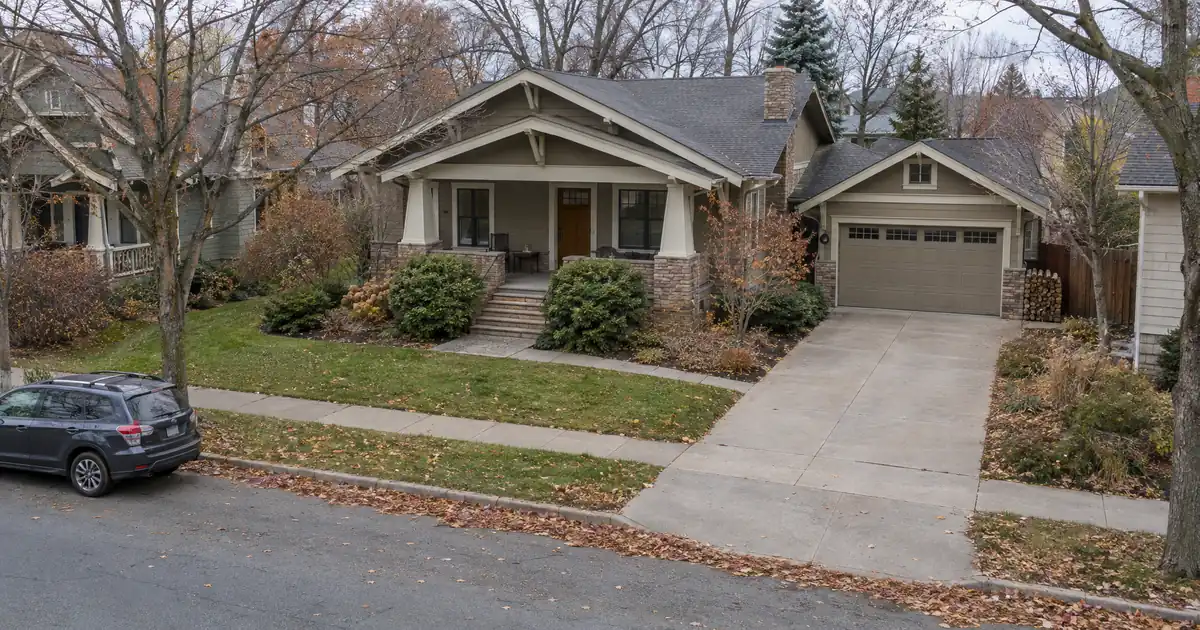
The Quick Read: Start by finding out which of four things went wrong: the policy lapsed, the lender never got proof, the policy fails the loan’s terms, or the property became a rental and the policy form no longer fits. Then send the lender a corrected declarations page naming the right insured, address, and lender clause.
- A homeowners policy usually does not fit a rented property. A landlord (dwelling) policy is the typical fix.
- Proof means the declarations page or an insurance certificate, not a quote.
- Do not cancel the old policy until the lender accepts the new one.
- Lender-placed coverage protects the lender’s building interest, not your liability or lost rent.
- Investment lines on this network cap at 70% CLTV, so a clean insurance file matters when equity is already tight.
Insurance trouble on a rental line is rarely dramatic. It is usually a paperwork mismatch that grows because nobody answers the first letter. This article walks the repair in order, from diagnosis to prevention.
How large a line the equity supports.
An equity line is sized by combined loan-to-value, occupancy, and credit — not by rental coverage. Switch the occupancy or the credit band and the ceiling moves with it.
Investment-property lines require a 700 minimum credit score; second-home lines start at a 640 minimum and primary-residence lines at 600, and the combined-LTV ceiling steps down as the credit band drops on primary-residence and second-home lines and holds on investment-property lines; the line cap steps down on primary-residence lines and holds at every tier on investment-property and second-home lines.
A debt-to-income ratio above 45% requires 680+ credit. Profiles under 640 are limited to single-family homes. At least 75% of the approved line is drawn at closing. Ceilings, floors, and caps update from Lendmire’s centralized guideline source.
Line estimate
Illustrative estimate only — not a quote, Loan Estimate, approval, or commitment to lend. The rate is an editable assumption; equity-line pricing is variable through both the draw and repayment periods and never converts to fixed. Occupancy and credit drive the ceiling together: an investment property tops out at 70% combined LTV (minimum credit 700, line cap $500,000); a second home tops out at 90% combined LTV (minimum credit 640, line cap $500,000), with the ceiling stepping down as the credit band drops (the cap holds at every tier); a primary residence tops out at 90% combined LTV (minimum credit 600), and its $750,000 maximum line is available only at 75% combined LTV or below with a 700-or-better credit profile (720 on the longer-runway program) and a full appraisal. Lines above $500,000 require a full appraisal. Credit, debt-to-income, property type, and full underwriting review all affect the final line.
Why a Lender Cares About Insurance on a HELOC
A home equity line (HELOC) is a loan secured by the property, so the lender needs the building protected. If the house burns and the policy is void, the lender’s collateral disappears. That is why every lien, first or second, carries an insurance covenant.
Here is the catch for one-rental owners. The covenant was written for the property as it looked at closing. If you then moved out and rented the place, the facts changed. The policy may not.
Lendmire is a mortgage broker, not a lender. It places home equity lines through select wholesale partners in its 16 full-service states, and each partner sets its own insurance conditions. The loan documents you signed are the final word, so read them first.
Key Terms Defined
Named insured: the person or entity listed as the policyholder. It should match the borrower on the loan.
Mortgagee clause: the wording that lists the lender on your policy so it gets paid first after a covered loss. It needs the lender’s exact name and your loan number.
Loss payee: a party paid for damage to specific property. Some documents use it where others use mortgagee.
Dwelling (landlord) policy: coverage written for a building you rent to others. It typically covers the structure, liability, and often lost rent.
Loss of rents: coverage that replaces rental income while a covered loss makes the unit unlivable.
Lender-placed (force-placed) insurance: a policy the lender buys on your behalf, at your cost, when it believes your coverage is missing or inadequate.
Declarations page: the summary page of your policy showing insured, address, coverage types, limits, deductibles, and listed lenders.
Triage: What Did the Lender Say?
Match the message you received to the likely cause. Then go straight to the fix.
| What you heard | Likely cause | Fix | Who to call |
|---|---|---|---|
| “No proof of coverage” | Documents never reached lender | Send declarations page | Agent, then lender |
| “Policy canceled” | Lapse or non-renewal | Rebind new policy | Agent |
| “Wrong occupancy” | Homeowners form on a rental | Convert to landlord policy | Agent |
| “Insured doesn’t match” | Name or title mismatch | Endorse correct name | Agent |
| “Lender clause incorrect” | Missing or wrong mortgagee | Correct clause and loan number | Agent |
| “Coverage doesn’t meet terms” | Deductible or valuation basis | Raise limit, cut deductible, replacement cost | Agent |
| “Lender-placed policy added” | Any of the above unresolved | Send proof, request cancellation | Servicer |
Homeowners Policy vs. Landlord Policy
A homeowners policy is built for the person who lives in the house. Once a tenant moves in, that assumption breaks. BiggerPockets explains that homeowners policies are meant for an owner’s primary residence and generally do not cover damage once the property is rented. Its landlord insurance guide adds that homeowners forms often exclude business activity and carry lower liability limits.
| Factor | Homeowners | Landlord (dwelling) |
|---|---|---|
| Built for | Owner who lives there | Property rented to others |
| Business activity | Often excluded | Contemplated |
| Lost rent | Usually not included | Often available |
| Liability | Personal-use limits | Rental-use limits |
| Premium | Lower | Typically higher |
Expect the landlord form to cost more. Carriers price tenant-occupied homes as higher risk. That is a real budget line, so shop it before the lender forces the issue.
Short-term rentals add another layer. Standard landlord policies often carry business-pursuits exclusions, so BiggerPockets notes that nightly-stay use may need a commercial-style policy.
The Step-by-Step Fix
Work the problem in this order. Skipping ahead is how a small flag becomes a lender-placed policy.
1. Find the trigger. Pull your HELOC agreement and read the insurance covenant. Then pull every notice the lender sent. Note the exact wording.
2. Audit your declarations page. Check four fields: named insured, property address, lender clause with loan number, and coverage form (homeowners or landlord).
3. Call your agent with a precise request. Say what the lender flagged. Ask for the change by name, such as converting to a dwelling policy or correcting the mortgagee clause.
4. Fix deficiencies in place. If the policy exists but misses the loan’s terms, raise the limit, lower the deductible, or move to replacement cost instead of actual cash value. The National Consumer Law Center lists those as common reasons a policy is judged non-compliant.
5. Send proof to the right department. Proof is the declarations page or an insurance certificate showing coverage type and the lender as loss payee. A quote does not count.
6. Get written confirmation. Ask the lender to confirm the problem is cleared. Ask for cancellation of any placed policy and a refund of overlapping premium.
7. Calendar the renewal. Set a reminder well before the policy expires.
Do not cancel first. A flood-insurance practitioner warns that canceling the old policy before the lender accepts the new one can create a lapse that triggers lender-placed coverage. Bind the new policy, get acceptance, then cancel the old one.
If It Already Lapsed or the Lender Placed Coverage
Lender-placed coverage is a stopgap the lender buys for itself, and you pay for it. Nolo describes three triggers: no policy at all, no proof of coverage on file even though coverage may exist, and a policy whose amount, deductible, or type misses the loan’s requirements.
| Item | Your own landlord policy | Lender-placed policy |
|---|---|---|
| Protects | You and the lender | The lender’s interest |
| Liability | Included | Typically excluded |
| Lost rent | Often available | Typically excluded |
| Cost | You shop it | Generally higher |
MoneyGeek notes that placed coverage is typically structure-only. For a landlord, liability and lost rent are the real exposures, and placed coverage leaves both open.
To remove it, buy a compliant policy and send proof. A lapse can also breach the loan terms, which may bring penalties or acceleration, according to MoneyGeek. Expect your old carrier to be reluctant to take you back after a lapse. That is an insurance-marketplace observation rather than a rule, so shop several carriers.
Do the Federal Notice Rules Protect You?
Maybe, and you should check rather than assume. For covered mortgage loans, federal servicing rules in 12 CFR 1024.37 require the servicer to have a reasonable basis to believe coverage is missing. They also require a first written notice at least 45 days before charging you and a reminder at least 15 days before. The NCUA’s exam guidance restates that cadence. Once the servicer gets evidence of coverage, the CFPB’s exam procedures describe a 15-day window to cancel the placed policy.
Here is the open question. Open-end credit lines and business-purpose loans may sit outside these servicing rules, and a limited small-servicer exemption also exists, so it is not clear how the rules treat a rental HELOC. Treat the protections as something to verify against the rule’s scope sections. Your loan contract and state law may govern instead.
The Flood Check Nobody Expects
A HELOC draw or increase can prompt a fresh flood review. Per the interagency flood Q&A, if collateral becomes uninsured or underinsured against flood, a regulated lender must tell the borrower to fix it and may buy coverage on the borrower’s behalf. The NAR notes that flood insurance is required for a federally related mortgage in a Special Flood Hazard Area, not in moderate or low zones. Non-bank lenders may impose it by contract anyway. Check your zone before the lender does.
Worked Example: One Owner, One Rental, One Flag
Picture an owner who moved out of a house two years ago, rented it, and kept the original homeowners policy. The owner later opens a HELOC on the property. The lender’s review flags “wrong occupancy.”
The fix runs in a straight line. The owner pulls the declarations page and sees the homeowners form with no lost-rent coverage. The agent writes a landlord policy with the lender’s exact mortgagee clause and loan number. The owner sends the new declarations page to the lender. Only after written acceptance does the owner cancel the old policy. The lender confirms in writing. No placed coverage is ever added.
Two small habits did the work: acting on the first notice, and sequencing the cancellation last.
Edge Cases Where the Standard Fix Changes
Two lenders, one policy. If a first mortgage sits ahead of your line, each lender may have its own conditions. One policy has to list both correctly. Ask each for its written checklist.
Title changes. An investment line must be held by the individual borrower or a revocable living trust. LLCs, corporations, and irrevocable or land trusts cannot hold title on these lines, subject to lender guidelines. If you move the property into an entity, the insured name and the loan no longer match. A property already deeded to an LLC usually calls for a vesting change or a DSCR cash-out instead.
Owner-occupied multifamily. BiggerPockets notes that some homeowners carriers offer an endorsement for a unit rented to others. Ask whether yours does and whether your lender accepts it.
Escrow. Most HELOCs have no escrow, so nobody is paying your premium for you. A missed renewal is entirely your problem.
What an Unfixed Problem Costs You on the Line
Insurance trouble is a default-clause issue, not just a nuisance charge. Depending on the loan agreement, an uncured lapse can mean placed-coverage charges, a freeze on further draws, or a default declaration. The exact remedy is in your contract.
Investment lines on this network run up to 70% CLTV (combined loan-to-value, meaning all liens against the property compared with its value) at a 700 credit profile or better, with a $500,000 maximum line, subject to lender guidelines. That is tighter than the ceilings on primary residences. With less equity cushion, a lender has less patience for a collateral problem.
Where Insurance Meets a Future DSCR Loan
If you later refinance the rental into a DSCR loan, insurance becomes part of the monthly obligation in the coverage ratio. DSCR (debt service coverage ratio) compares rent to the full monthly payment of principal, interest, taxes, insurance, and any HOA dues. A premium that jumps after a landlord-policy conversion can pull the ratio down. Across our wholesale network, most programs want coverage around 1.00 or better, and a separate select-lender path exists below 1.00 with leverage and terms adjusted. Stronger ratios open better terms, subject to lender guidelines.
A clean insurance history and a correctly written landlord policy make that move smoother. The same applies to a DSCR purchase. Lendmire’s piece How Lenders Count Insurance on a One-Rental Investment Property HELOC goes deeper on the premium line. The complete DSCR loans guide covers how coverage is calculated. Keep in mind that clearing 1.00 is not the same as positive cash flow, since repairs, vacancy, and management sit outside the ratio.
Prevention Checklist
- Turn on auto-renew, and confirm the lender stays listed after each renewal.
- Tell the lender whenever you switch carriers.
- Update the insurer whenever occupancy or title changes.
- Keep an electronic copy of the current declarations page.
- Review limits, deductible, and valuation basis each year.
- Budget for the landlord premium before converting a home to a rental.
Frequently Asked Questions
Will my homeowners policy work if I rent the house out?
Usually not. Homeowners forms are written for owner-occupants and often exclude business activity. Tell your agent about the tenant and ask for a landlord or dwelling policy before the lender asks.
What proof does the lender actually need?
Send the declarations page or an insurance certificate. It should show the coverage type, limits, deductible, and the lender named as mortgagee or loss payee. A quote or a bill generally will not satisfy the requirement.
Can I get lender-placed insurance removed?
Yes, in most cases. Buy a compliant policy, send proof to the servicer, and request cancellation and a refund of any overlapping premium in writing. Federal exam guidance describes a 15-day window to cancel once the servicer receives evidence, though whether it covers your line should be verified.
Does a HELOC draw trigger a flood check?
It can, since a new draw or increase is a loan event, and regulated lenders re-check flood status when one occurs. Look up your flood zone ahead of time and carry flood coverage if the lender requires it.
Does a tenant’s renters policy cover my building?
No. Renters insurance covers the tenant’s belongings and liability. Your landlord policy covers the structure and your rental exposure.
If you are considering a home equity line and want to see how the numbers work, Lendmire can help you compare HELOC options based on the property, the equity available, credit profile, combined leverage, and your goals. Reach the team at 828-256-2183. Requirements vary by lender, and every file is reviewed individually. Tax treatment varies; consult a qualified professional.
About Lendmire
As a mortgage broker (NMLS# 2371349), Lendmire helps homeowners and real estate investors in its 16 full-service states open home equity lines of credit arranged through wholesale lenders. Lendmire is never the lender; line amounts, ceilings and terms are set by the lender under its guidelines. Scotsman Guide named Lendmire a Top Mortgage Workplace in both 2025 and 2026.
Get Started
Ready to find the right loan for you?
In about 30 seconds you can review financing options available for your home or investment property. No commitment required.
Informational only. Not a Loan Estimate, approval, or commitment to lend. Program availability and eligibility are subject to lender guidelines, credit approval, property review, and underwriting.
References
1. BiggerPockets: insurance policies for landlords
2. BiggerPockets: landlord insurance
3. BiggerPockets: short-term rental coverage gaps
4. NCLC Consumer Credit Library
6. Nolo: force-placed insurance
7. MoneyGeek: mortgage after insurance is canceled
8. MoneyGeek: no homeowners insurance
12. BiggerPockets: rental property insurance types
This article is part of Lendmire’s investment property HELOC program — full qualification details, guidelines, and scenarios live on the program page.
Related reading: Can You Get a Hard Money Loan to Buy and Repair a Rental? · Is a Leased Rental Ready for a DSCR Takeout of Hard Money? · Should You Use Hard Money for a Rental Then Refinance to DSCR?
Brandon Miller
Founder & CEO, Mortgage Loan Originator, Lendmire LLC
- Mortgage Loan Originator · NMLS# 1129696 · Verify on NMLS Consumer Access
- North Carolina Real Estate Broker · License# 343312 · Verify on NCREC
- North Carolina Insurance Producer · License# 19053198 · Property, Casualty, Life, Health · Verify on NAIC SBS
- Lendmire LLC · Firm NMLS# 2371349 · Verify firm licensure
Disclosures. The information presented in this article is general market commentary, not financial, legal, or tax advice. Lendmire is a mortgage brokerage (NMLS# 2371349) — not a direct lender or depository institution — and loan placement is subject to lender underwriting. Nothing in this content represents a commitment to lend. Loan terms, pricing, and program availability vary based on borrower qualifications, property characteristics, and state of subject property, and are subject to change at any time. Lendmire complies with Equal Housing Opportunity requirements. Consumer access: nmlsconsumeraccess.org.