
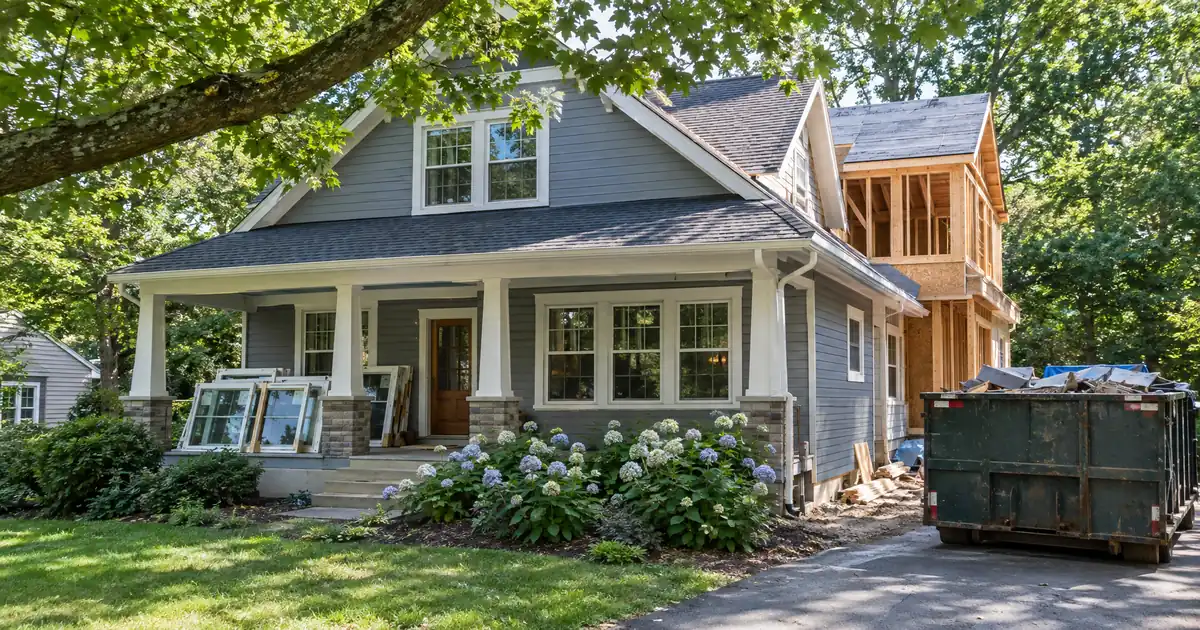
The Quick Read: Hard money underwriting starts with the property, the rehab plan and the exit, while a DSCR loan starts with whether rent covers the monthly payment, so a lower score usually clears the rehab loan more easily and meets a firmer credit tier when the refinance begins. The score matters in both, but it does different work in each. Leverage, reserves and appraisal results all depend on lender guidelines and the individual file.
- Hard money is built for the rehab phase. The asset carries most of the file, and the score sets conditions and leverage tiers.
- A DSCR loan is built for the hold phase. The property must be rent-ready, and the score sets how much leverage the refinance can reach.
- The real risk for a lower-score rehabber is the exit, not the entry.
- The two loans are meant to be used in sequence, so size the first one around what the second will require.
- A larger down payment helps both files but never erases a credit floor or a leverage cap.
Side-by-Side
Across the wholesale network Lendmire places files with, the two products answer different questions. The table shows typical network guidelines for each. Exact terms vary by lender, property and borrower.
What this loan actually costs to carry.
Hard money is sized against the project and priced by time. Enter the deal and see how much the program will lend, the cash required at closing, the carry while you hold it, and what is left at the exit.
Leverage tiers on the current program: 85% with fewer than 2, 90% with 2 or more, 93% with 5 or more completed projects — every tier capped at 75% of after-repair value. Loan amounts up to $5,000,000, larger by exception; terms of 6 to 18 months, interest-only, no prepayment penalty. The rehab portion funds in draws against completed work, not at closing.
Program parameters shown update from Lendmire’s centralized guideline source. Rate, points, and months are editable assumptions, not quoted terms.
Cost cap sets the loan · positive spread
Illustrative estimate only — not a quote, Loan Estimate, approval, or commitment to lend. Rate, points, and months are editable assumptions. Hard money is business-purpose financing for real estate investors, not a consumer mortgage. Leverage on the current program tops out at 93% of project cost for investors with a documented track record, capped at 75% of after-repair value, with rehab funding up to 100% of the documented budget released in draws; actual terms vary by lender, borrower experience, property, and exit. Lendmire is a mortgage broker, not a lender.
| Factor | Hard Money | DSCR Loan |
|---|---|---|
| What is underwritten first | Property, rehab scope, exit plan | Appraised rent against the full payment |
| Credit score | 620 minimum, extra conditions below 660 | 620 in parts of the network, about 660 typical |
| Strongest credit tier | Experience sets the top leverage tier | 700+ opens the strongest leverage |
| Documentation | Scope, budget, exit, track record | Lease or rent proof, rent appraisal, credit |
| Property condition | Rehab projects, draws on completed work | Livable and rentable at closing |
| Property types | Non-owner-occupied, 1–4 units | Rentals; manufactured and log homes not offered |
| Leverage shape | 85%–93% of project cost, 75% of ARV cap | 75%–80% on a purchase, about 75% on a cash-out |
| Timeline shape | Short, interest-only, balloon exit | Long-term hold, 30-year fixed spine |
| Reserves | Vary by lender and file | Commonly about 6 months of PITIA, varies |
Both products commonly close in a business entity, and LLC vesting on a DSCR file is available subject to lender program eligibility. The hard money leverage figures are loan-to-cost on a fix-and-flip, tiered by completed projects: 93% at five or more, 90% at two or more, and 85% with fewer. Every tier is capped at 75% of after-repair value (ARV). The DSCR figures are loan-to-value on rental property, and a 700+ score with a select high-leverage program can reach 85% on a purchase.
Key Terms Defined
ARV (after-repair value): The appraised value the property is expected to have once the rehab is finished.
Loan-to-cost: The loan amount as a share of the total project cost, which includes purchase and rehab.
DSCR (debt service coverage ratio): Monthly rent divided by the full monthly payment on the loan, including principal, interest, taxes, insurance and any HOA dues.
PITIA: The full monthly obligation on the property. It covers principal, interest, taxes, insurance and association dues.
Seasoning: The time a borrower owns a property before a lender will refinance against its new value. About 6 months is the common expectation on a cash-out.
Draw: A release of rehab funds after inspected, completed work.
Why the Credit Standard Changes Between the Two Loans
The standard changes because the risk changes. A hard money lender is lending against a property that has a plan and a short runway. A DSCR lender is lending against a stabilized rental for a long hold.
Business.com notes that private lenders are often more willing to work with weaker credit or modest reserves because the collateral secures the loan. That matches what most files in the network look like. The value of the asset, the realism of the scope and the strength of the exit do most of the work.
Still, credit is not ignored. Hard money in the network starts at a 620 minimum, with added conditions below 660. A first-time investor typically lands in the lower leverage tiers. Claims of no credit review usually describe a pure asset-only loan, and many fix-and-flip programs layer borrower underwriting on top.
DSCR credit is usually firmer than hard money at the bottom and more demanding at the top. A 620 floor exists in parts of the network. Most programs want around 660. A score of 700 or higher unlocks the strongest leverage tiers. A lower score does not usually end the conversation, but it moves the borrower into a lower leverage tier, and that lower tier is where the exit gets tight.
When Hard Money Is the Better Fit
Hard money is the better fit when the property is not yet rentable, when the rehab budget is the main need, or when the credit file is thin or recovering. It is also the better fit when the deal is strong enough to carry the file on its own.
Consider the situations where it fits best:
- The house needs real work. A DSCR lender wants the property livable and rentable at closing and releases no rehab draws. Rehab money on the hard money side releases in draws against inspected work, and up to 100% of the rehab budget can be funded this way. Leverage still follows the tiers above.
- The numbers rest on the ARV spread. Hard money sizes against both the as-is value and the after-repair value, and the loan is typically bound to whichever produces the lower amount. A wide spread with a realistic scope can offset a weaker score.
- The score is in the 620s or 630s. The file can still be reviewed, with added conditions below 660.
- The borrower is new to rehabbing. The top leverage tier is reserved for experienced investors, but a first-time investor can still qualify at the lower tiers.
Here is the catch. Hard money has a short, interest-only term that ends in a balloon. A lower score gets you into the project, but it does not get you out of the balloon. The exit has to be planned on day one.
When a DSCR Loan Is the Better Fit
A DSCR loan is the better fit when the property is finished, leased or leasable, and the plan is to hold it. It is also the better fit when the borrower wants a long-term structure and the rent clearly covers the payment.
The loan is reviewed primarily on property-level rental income covering the payment, subject to lender guidelines. The appraiser produces both a value and a rent opinion. On a one-unit property the rent comes from Form 1007, and on a two-to-four-unit property it comes from Form 1025. Underwriting typically uses the lower of the lease rent and the market rent, so an above-market lease does not raise the number.
Strong DSCR files usually clear two tests at once: enough equity and enough coverage.
- Coverage. A ratio above 1.00 means rent covers the payment on paper. Many select programs start at 1.00. A separate select-lender path goes below 1.00, with leverage and terms adjusted. Stronger ratios open stronger leverage.
- Leverage. Most purchases land at 75%–80% loan-to-value. A cash-out on a standard rental tops out around 75%, with about 6 months of seasoning as the common expectation.
- Reserves. These are commonly around 6 months of PITIA. Conservative rate-term files at modest leverage under $1,500,000 can see them waived. Larger loans typically step up to about 9 months.
- Credit. The tier you land in sets the leverage, so a 660 score and a 700 score can face meaningfully different results on the same property.
One caution matters here. Clearing 1.00 is not the same as positive cash flow. The calculation compares rent to PITIA only. Repairs, vacancy, management, utilities and capital expenses sit outside it. A larger down payment lowers the payment and can lift the ratio, but it never erases a credit floor, a leverage cap, reserve rules or property eligibility.
The network does not offer DSCR on manufactured homes, log homes or barndominiums. For the broader mechanics, Lendmire’s complete DSCR loans guide walks through the file from application to appraisal.
A Lower-Score Rehabber, Stage by Stage
Picture a rehabber with a score in the low 640s and one prior project. This is a modeled profile, not a market statistic. Here is how the credit test shows up at each stage.
Purchase. The file sits below 660, so a hard money lender may add conditions. With fewer than two completed projects, the borrower lands in the 85% loan-to-cost tier, still capped at 75% of ARV. The asset and the plan carry the review.
Rehab. Funds release in draws against inspected work. Credit plays almost no role here. The scope, the budget and the schedule do.
Lease-up. The property is rented. The lender will later compare the lease with the appraiser’s market rent and typically use the lower figure.
Appraisal. The appraisal sets both the value and the rent opinion. If the bridge loan was sized near its ARV cap, the refinance can only pay it off when the value lands with room left for closing costs. A low appraisal means bringing cash, taking a smaller loan, waiting or challenging the value.
Refinance. This is where the score bites. Credit tiers at 620, 660, 680 and 700 set the leverage on the new loan. A cash-out on a standard rental tops out around 75% of value, and a lower tier may sit below that.
The practical lesson is simple. A rehab should land its all-in cost a few points below 75% of the appraised value to exit cleanly. For a lower-score borrower, that cushion is not optional. It is the compensating factor.
Is It a Low Score or a Derogatory Event?
A thin or low score is a different problem from a recent bankruptcy, foreclosure or collection. A low score is a tier question. A derogatory event can change which lenders will review the file at all.
For a low score, the plan is usually to rebuild during the hold. Pay down revolving balances, avoid new credit lines before the refinance, and correct any reporting errors. The seasoning window gives the score time to move.
For a derogatory event, the answer depends on the type of event, how long ago it happened and the lender’s guidelines. Some lenders will review the file with adjusted terms. Others will not. A broker who sees many lenders’ guidelines can often tell which path fits before an application is submitted.
In both cases, documented rehab spend supports the cost basis inside the seasoning window. Tax treatment varies; consult a qualified professional.
Exit-Readiness Check Before You Pick the Bridge
Choosing a loan on the entry standard alone is a common mistake. Before closing the first loan, run these checks:
1. Does the plan end with a rent-ready, livable property? 2. Will the all-in cost land a few points below 75% of the likely appraised value? 3. Is the expected rent supported by comparable leases, not just a hoped-for number? 4. Does the likely credit tier support the leverage the exit needs? 5. Can you hold reserves of about 6 months of PITIA, or more on larger loans? 6. Is the property type eligible for a long-term rental loan?
If you miss the exit, you have a few options. You can bring cash to the refinance, take a smaller loan, wait for the score or the value to improve, or sell. Many investors refinance out of hard money into long-term DSCR financing once the property is stabilized, and Lendmire brokers that path. The point is to know the Plan B before the balloon date, not after.
The Business-Purpose Frame
DSCR loans are designed for non-owner-occupied investment properties. Because they are business-purpose investor loans, they are reviewed differently from a standard owner-occupied mortgage. The CFPB’s summary of Regulation Z explains that the creditor must decide in each case whether the primary purpose is business, and eCFR’s text of the rule sets out the exemption. This is why neither product runs on a consumer income file. It does not mean there are no standards. The credit, the property and the exit still get reviewed.
The Balanced Verdict
For a rehabber with a lower score, hard money is usually the more forgiving entry, and DSCR is usually the firmer exit. Neither is better in the abstract. They are built for different stages of the same deal.
If the property needs work, the score is in the lower tiers and the deal has a wide ARV spread, hard money is the logical first step. If the property is already rent-ready and the rent covers the payment, a DSCR loan may be the only loan needed. If the score is the main weakness, the strongest move is to plan the exit before choosing the entry. Build the score during the hold, keep the all-in cost under the appraisal cap, and check the credit tier the refinance will require.
The flip point comes when the DSCR tier you can reach produces less leverage than the bridge needs repaid. At that point, the first loan was sized too large, and the fix is a smaller bridge or a different project.
Frequently Asked Questions
Can I get hard money with a lower credit score?
Often yes, with conditions. In the network, hard money starts at a 620 minimum, with added conditions below 660. First-time investors typically qualify at the lower leverage tiers. The property, the plan and the exit still carry most of the file.
Is a DSCR loan harder to qualify for than hard money?
On credit, it is usually firmer. A 620 floor exists in parts of the network, but most programs want around 660, and 700+ unlocks the strongest leverage. On documentation it is lighter, because it qualifies primarily on property-level rental income covering the payment, subject to lender guidelines.
Why might I clear the flip loan but not the refinance?
The two loans test different things. The flip loan tests the asset and the plan. The refinance tests the rent coverage, the appraised value, the credit tier and the reserves. A property can pass the first test and miss the second if the appraisal comes in low or the credit tier limits the leverage.
Does a bigger down payment offset a weak score?
It helps, but only so far. More equity lowers the payment and can lift the coverage ratio. It does not remove credit floors, leverage caps, reserve rules or property eligibility. The strongest files have both enough equity and enough rental coverage.
Can I use both loans on one project?
Yes. That is how they are usually used. The hard money loan funds the purchase and rehab, and the DSCR loan replaces it once the property is stabilized. Size the first loan around the second.
Next Step
If you are buying, rehabbing or refinancing an investment property on a short timeline and want to see how the numbers work, Lendmire can help you compare hard money options based on the project, the exit plan, leverage and your goals. Lendmire is a broker that arranges financing through select lenders in its wholesale network across 41 markets, including Washington, D.C. Investors can reach the team at 828-256-2183 or request a quote.
About Lendmire
As a non-QM mortgage broker (NMLS# 2371349), Lendmire facilitates DSCR investor loans across 41 markets, including Washington, D.C. DSCR eligibility is generally reviewed around property-level rental income instead of personal income documentation, subject to lender guidelines, serving LLC-structured portfolios and self-employed borrowers who don’t fit conventional boxes. A two-time Scotsman Guide Top Mortgage Workplace (2025, 2026).
Get Started
Ready to find the right loan for you?
In about 30 seconds you can review financing options available for your investment property. No commitment required.
Informational only. Not a Loan Estimate, approval, or commitment to lend. Program availability and eligibility are subject to lender guidelines, credit approval, property review, and underwriting.
References
1. Business.com – Hard Money Loans and Private Lenders
2. CFPB – Regulation Z § 1026.3
This article is part of Lendmire’s hard money loan program — full qualification details, guidelines, and scenarios live on the program page.
Related reading: Can You Refinance Hard Money Into a DSCR Loan After a Rehab? · Is There a Seasoning Period Before Refinancing Hard Money Into DSCR? · Should a Light-Rehab Airbnb Go Hard Money Then DSCR or Direct DSCR?
Brandon Miller
Founder & CEO, Mortgage Loan Originator, Lendmire LLC
- Mortgage Loan Originator · NMLS# 1129696 · Verify on NMLS Consumer Access
- North Carolina Real Estate Broker · License# 343312 · Verify on NCREC
- North Carolina Insurance Producer · License# 19053198 · Property, Casualty, Life, Health · Verify on NAIC SBS
- Lendmire LLC · Firm NMLS# 2371349 · Verify firm licensure
Disclosure information. Lendmire is a state-licensed mortgage brokerage under NMLS# 2371349. Lendmire is not a depository institution, direct lender, or financial advisor — all loans referenced are placed through wholesale lender partners and are subject to each lender's underwriting standards. This article is provided for general informational purposes and is not a commitment to lend, nor does it constitute financial, legal, or tax advice. Loan programs, terms, rates, and qualification standards change without notice and depend on borrower profile, property type, and the state in which the subject property is located. Equal Housing Opportunity provider. NMLS Consumer Access: nmlsconsumeraccess.org.