
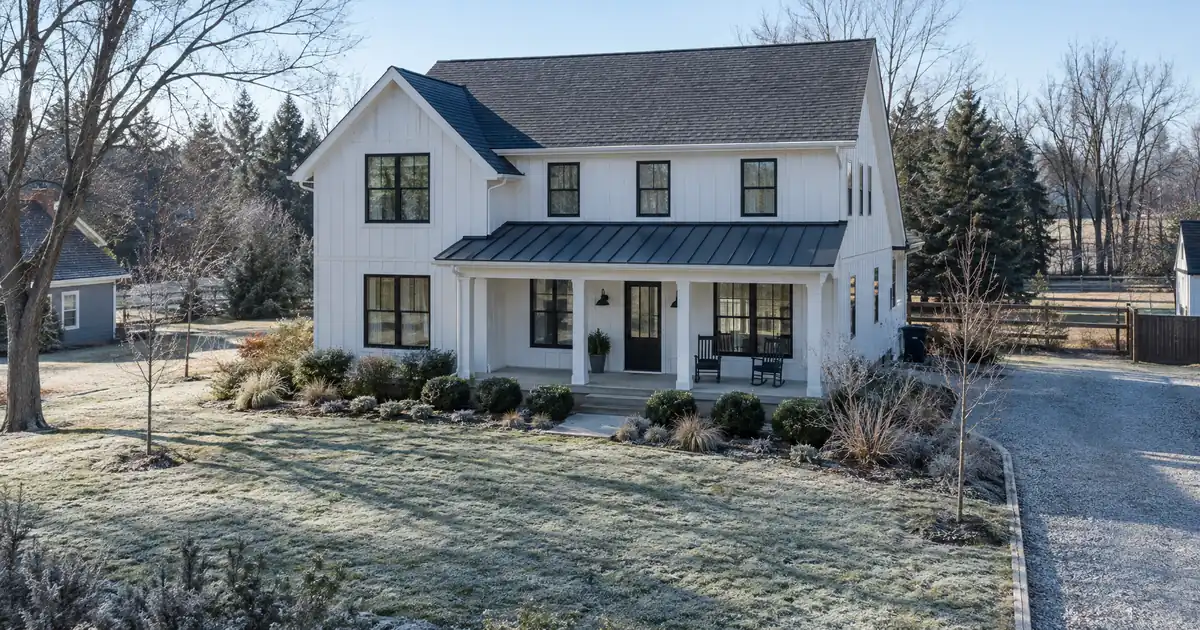
The Quick Read: A permitted ADU may support appraised value and market rent, while an unpermitted one is usually flagged and often earns little or no credit, but your bank statement income is analyzed the same either way, so permit status is a collateral question rather than an income question. An ADU (accessory dwelling unit) is a second, smaller home on the same lot, such as a garage conversion, a backyard cottage, or an attached suite. Permitted is the cleaner path for anyone who wants the unit to count. Unpermitted can still work if you only need the main house to carry the loan.
- Your deposits qualify you. The permit decides what the property is worth and what rent counts.
- Strong bank statements do not make an unpermitted unit count as value or income.
- A permitted ADU does not rescue thin or messy income documentation.
- Treatment varies by lender and appraiser, so plan the deal assuming zero credit for an unpermitted unit.
- Occupancy (owner-occupied versus rental) changes which ADU question matters most.
Side-by-Side
The table shows how each option usually plays out across a bank statement file. The columns describe typical treatment and are not guarantees, since every file is underwritten individually.
What your deposits qualify you for.
Alt-doc programs read 12 months of business or personal bank deposits instead of tax returns. Enter your average monthly deposits and see the income a lender would credit you.
The expense factor is set by the lender from your business type and profit-and-loss statement; it is not a number you choose. This widget quotes no rate and no payment.
Program parameters shown update from Lendmire’s centralized guideline source.
Estimate
Illustrative estimate only — not a quote, Loan Estimate, approval, or commitment to lend. Deposit average, expense factor, and housing ratio are editable assumptions; the expense factor a lender applies is set from your business type and documentation. No interest rate or monthly payment is quoted here. Purchase capacity is a simplified illustration and does not account for taxes, insurance, HOA dues, or other debts. Alt-doc income documentation is available on consumer mortgages in the states where Lendmire is licensed for consumer lending; actual terms vary by lender, borrower, and property.
| Factor | Permitted ADU | Unpermitted ADU |
|---|---|---|
| Review basis | Documented income, same as any file | Documented income, same as any file |
| Documentation | Permit, final sign-off, lease if rented | Often a gap; records may be incomplete |
| Appraisal treatment | Described and may support value | Flagged; value credit doubtful |
| ADU rent credit | May count when supported by comps | Generally excluded |
| Property types | Single-family with ADU, small multi-unit | May be limited to main-house-only value |
| Entity vesting | Personal title or LLC, per program | Personal title or LLC, per program |
| Lender conditions | Typically fewer open items | Repair or removal conditions possible |
| Reserve expectations | Typically about 6 months, program-based | Same baseline; stricter file may ask more |
Two rows deserve a note. Entity vesting means how the title is held. A sole proprietor often holds title personally, and an LLC on a rental is possible, subject to lender program eligibility. Reserves are cash left over after closing, and across the wholesale network they commonly run around 6 months of the housing payment, though programs differ.
How Permitted vs Unpermitted ADU Status Plays Out for a Sole Proprietor
There are two separate underwriting questions, and mixing them up causes most of the confusion. The first is whether you qualify. The second is what the property is worth and what it earns.
The income question. A sole proprietor is one person with no separate legal entity, so there is no ownership-percentage split to prorate. On a bank statement loan, the lender reviews 12 months of business or personal statements across the programs Lendmire places files with. Trade coverage from Scotsman Guide describes the typical setup as 12 to 24 months of statements, with an expense factor applied to deposits. That article uses 50% as an illustration only. Real factors vary by lender, industry, and account type, and you do not choose yours.
The steps look like this:
1. The underwriter pulls the statements.
2. Transfers, loan proceeds, and other non-income deposits come out.
3. Eligible deposits are averaged.
4. An expense factor is applied, or a profit-and-loss statement or a tax professional’s expense statement is used if the program allows it.
5. The result is qualifying income, tested against your debts including the new housing payment.
Permit status never enters that math. The file is reviewed on documented income under the applicable program, subject to lender guidelines.
The collateral question. Here the permit matters. The appraiser reports on the property and any accessory unit. Lenders underwrite conservatively because they must consider what happens if they ever have to take the property back. An unpermitted unit is a risk to them, not a bonus.
When a Permitted ADU Is the Better Fit
A permitted ADU is the better fit whenever the unit is part of your plan. That includes rent you want counted, value you want reflected, or a refinance you expect to do later.
Even permitted units are not automatic. The appraiser still has to describe the unit and analyze its effect on value and marketability, as practitioners such as The Bienstock Group note when quoting selling-guide language. Appraisers often want comparable sales and comparable rents that show the unit is supported by the market. A permit helps. It does not replace comps.
A permitted ADU also fits best when:
- You are buying and want maximum flexibility. On a primary residence purchase or rate-and-term refinance, select lenders in Lendmire’s network go up to 90% LTV, with the top of the range reserved for stronger files. LTV is the loan amount divided by the property value. A clean, permitted unit gives the appraiser less to argue about.
- You plan to take cash out. On a primary residence cash-out, the ceiling is typically 80% LTV with a fixed expense ratio, or 75% with an accountant-prepared ratio. On a second home, cash-out tops out around 75% LTV, depending on loan size and credit. Those are not the 90% purchase figures.
- The unit is an income source on a rental. On a non-owner-occupied property, ADU rent matters more, and a lawful, appraised unit is the version that can carry it.
- You want a wider exit. Permitted units tend to attract a broader pool of buyers and lenders later.
Short-term-rental ADUs add a wrinkle. The standard rent schedule form is built for long-term market rent, and appraisal commentary from Class Valuation argues it cannot support a short-term rental appraisal. A building permit is also not a short-term-rental permit. Short-term rental rules can vary by city, county, HOA, and property type, so confirm local rules before relying on projected rental income.
When an Unpermitted ADU Is the Better Fit
“Better” is a strong word here. An unpermitted unit is rarely preferable on its own merits. It is the better fit in specific situations where permitting first would cost you the deal or the timing.
The main house carries the loan. If your income is strong and the primary dwelling qualifies without help, the ADU is just extra. Many files proceed this way, with the unit excluded from value and from rent. You borrow against the house you can document. Your qualifying income is the same as it would be if the ADU did not exist.
You are buying at a price that already reflects the problem. Sellers of unpermitted units often face a narrower buyer pool, so the price may leave room. If you underwrite the purchase assuming zero credit for the unit, any later legalization is upside you did not pay for.
You intend to legalize, but not before applying. Some owners want financing in place first and plan to pursue the permit afterward. That is workable only if the lender and appraiser accept the file as-is. Some lenders will consider a non-permitted unit if the appraisal supports marketability, while others will not. Treatment differs between programs.
The seller or an existing owner has a messy history. Appearing in county records does not prove a unit is permitted. Shared utilities do not prove it is unpermitted either. If the paper trail is unclear, applying with the unit excluded keeps the file simple while you investigate.
Here is a quick comparison. Picture two sole proprietors with identical deposits, identical credit, and identical homes. One has a finaled permit on a backyard cottage. The other converted the same cottage without a permit. Both qualify on income the same way. The first appraisal describes the cottage and may credit value and rent. The second flags the unit, assigns little or no value to it, and may add a condition to repair, remove, or legalize it. Same borrower, same statements, different collateral outcome.
Where the Rules Bend
Treatment is not uniform, and anyone who says otherwise is simplifying.
- Lender discretion. Programs differ on whether an unpermitted unit is ignored, conditioned, or a reason to decline. Many lenders in a wholesale network are conservative on collateral even when they are flexible on documentation. Expect the strictest overlays to want a legal-use classification, and a few lenders to be more open.
- Subject-to conditions. An appraisal on an unpermitted addition may be made subject to repairs, and those items must clear before closing. Plan for the possibility.
- One unit, not several. Where a property has more than one accessory unit, financing treatment is typically more conservative. Expect the extra units to be excluded.
- Classification boundaries. A property with one primary dwelling and an ADU is generally classified as a one-unit property, while two to four units move to a different appraisal form. The agency appraisal forms are useful only as vocabulary: Fannie Mae’s appraiser resources name Form 1007 for market rent and Form 1025 for small income properties. Bank statement and DSCR programs borrow the form names, not agency eligibility rules. Fannie Mae’s Selling Guide also shows the idea that a unit with questionable legal status gets reported rather than hidden.
- Open or unfinished permits. A permit that was pulled but never finaled is not the same as a finaled one. Get the status in writing from the local building department.
Lendmire’s complete DSCR loans guide covers the investor-side alternative, where the property’s rent drives qualification and the ADU question gets sharper.
Purchase, Refinance, Cash-Out: Where Permit Status Bites
Across the wholesale network, the same permit problem shows up differently depending on the transaction.
Purchase. You can walk away or reprice. The appraisal will tell you what the lender thinks of the unit before you are committed. Leverage on a primary residence purchase runs up to 90% LTV on the strongest files. Terms vary by lender guidelines, property type, leverage, credit profile, and full file review.
Rate-and-term refinance. You already own the unit, so the question is whether the appraisal will count it. A file with the unit excluded still works if the main house supports the loan.
Cash-out. This is where excluded value hurts most. Cash-out ceilings are lower than purchase ceilings: up to 80% on a primary residence with a fixed expense ratio, 75% with an accountant-prepared one, and 75% on a second home. If the appraiser gives your ADU no value, your cash-out is sized to the house alone. Investment-property cash-out tops out around 75% LTV. Investment purchase leverage on bank statement documentation varies by lender, and investor-focused leverage guidance belongs on the DSCR side.
Loan sizes in this lane typically run from $125,000 to $3,500,000, subject to lender guidelines and credit approval.
Occupancy Changes the Question
Owner-occupied bank statement files are consumer mortgages, so consumer disclosure rules, including TRID, apply. A bank statement loan on a non-owner-occupied rental, including a short-term rental, is business-purpose and exempt from TRID. Business-purpose loans are reviewed differently from a standard owner-occupied mortgage.
For you, the practical point is simple. If you live in the house and the ADU is just a bonus, the ADU is a secondary question and your income carries the file. If the property is a rental and the ADU is part of the rent picture, the permit becomes central, because rent only counts when the unit is lawful, appraised, and supported.
Keep your deposits clean too. ADU rent landing in the same account as business revenue can raise questions about double counting. Lendmire’s explainer Business vs Personal Bank Statement Deposit Rules for a Sole Proprietor walks through that separation. Tax treatment varies; consult a qualified professional.
If You Want to Legalize First
Legalizing is a local-permitting process, and costs and rules vary widely. A typical sequence:
1. Request the permit history from the local building department.
2. Schedule an inspection against current code, which may require opening walls.
3. Complete corrections and obtain final sign-off.
4. Order a new appraisal so the unit can be described as lawful.
5. If you rent it, document the lease and keep the rent trail clean.
Assemble permits, final inspection records, lease history, utility information, and insurance before you apply. Lendmire’s piece Permitted vs Unpermitted ADU on a Bank Statement Loan: Value and Income goes deeper on that side.
The Balanced Verdict
Pick the permitted ADU when the unit is part of the plan. It is the only version that may support value or rent credit, and it keeps cash-out and exit options wider. Pick the unpermitted route only when the main house is strong enough to stand alone, when the price already reflects the gap, or when legalization is a project you will finish on your own timeline.
Either way, your bank statements qualify you separately from the permit. Underwrite the deal as if the unpermitted unit contributes nothing, and treat any credit as a bonus. Qualification remains subject to lender guidelines, credit approval, and property review, and nothing here is a commitment to lend.
If you are self-employed and want to see how the numbers work, Lendmire can help you compare bank statement loan options based on your deposits, the property, credit profile, leverage, and your goals. Lendmire’s consumer mortgage licensing covers 16 states.
Frequently Asked Questions
Can I get a bank statement loan if my ADU is unpermitted?
Often yes, if the main house supports the loan on its own. The unit is usually excluded from value and rent. Some lenders add conditions or decline, so treatment varies by program, appraisal, and lender guidelines.
Does ADU rent count as my business income?
Generally not as business deposits. Rent on a lawful, appraised unit may be considered separately, depending on the program and occupancy. Keep rent deposits distinguishable from business revenue so nothing is counted twice.
Does a sole proprietor face different ADU rules than an LLC owner?
The permit rules are the same. What changes is vesting and documentation. A rental held in an LLC may be eligible, depending on program guidelines, while a sole proprietor often holds title personally.
Will the appraiser count an unpermitted ADU?
Usually not toward value or rent. The appraiser flags it, and the lender decides how to treat it. A permit helps, but the unit still needs comparable support.
Should I permit first or apply first?
If the ADU matters to value, rent, or cash-out, permit first. If the main house carries the loan and legalization would hold up the purchase, applying with the unit excluded can make sense. The choice depends on your goals and the lender’s treatment.
About Lendmire
Lendmire, NMLS# 2371349, is a mortgage brokerage with consumer lending licenses in 16 states. Bank statement, P&L-only, 1099-only and asset-based mortgages are arranged through wholesale lending partners for borrowers whose tax returns understate their income, and each application is reviewed individually by the lender. Scotsman Guide named Lendmire a Top Mortgage Workplace in both 2025 and 2026.
Get Started
Ready to find the right loan for you?
In about 30 seconds you can review financing options available for your home or investment property. No commitment required.
Informational only. Not a Loan Estimate, approval, or commitment to lend. Program availability and eligibility are subject to lender guidelines, credit approval, property review, and underwriting.
References
1. Scotsman Guide: Rev Up the Engine for Non-QM Lending
2. The Bienstock Group: ADUs in the City of LA
3. Class Valuation: Form 1007 and short-term rentals
4. Fannie Mae appraisers and property underwriting
5. Fannie Mae Selling Guide B4-1.2-01
This article is part of Lendmire’s bank statement loan program — full qualification details, guidelines, and scenarios live on the program page.
Related reading: Can You Get a Bank Statement Loan With No Tax Returns or Accountant? · Should You Pick a Bank Statement Loan Over a 1099 or P&L Loan? · Can You Get a Bank Statement Loan With Inconsistent Deposits?
Brandon Miller
Founder & CEO, Mortgage Loan Originator, Lendmire LLC
- Mortgage Loan Originator · NMLS# 1129696 · Verify on NMLS Consumer Access
- North Carolina Real Estate Broker · License# 343312 · Verify on NCREC
- North Carolina Insurance Producer · License# 19053198 · Property, Casualty, Life, Health · Verify on NAIC SBS
- Lendmire LLC · Firm NMLS# 2371349 · Verify firm licensure
Required disclosures. Lendmire (NMLS# 2371349) operates as a licensed mortgage broker, not a direct lender or depository. The discussion in this article is general in nature and should not be relied upon as financial, legal, or tax advice — every investment scenario is unique and should be reviewed by a qualified professional. Any loan inquiry is subject to lender underwriting, and this article is not a commitment to lend or a guarantee of approval. Mortgage rates, loan terms, and program guidelines vary by borrower, property, and state, and may change without notice. Equal Housing Opportunity. Verify licensure at NMLS Consumer Access.