
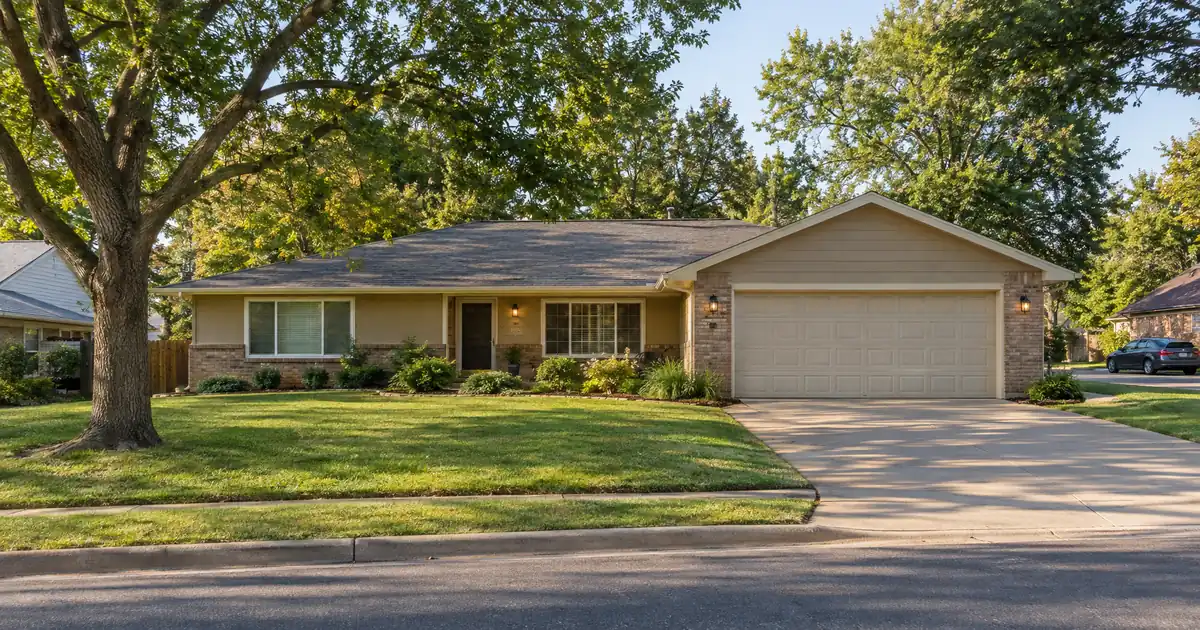
The Quick Read: A cash-out refinance can buy out a partner and free cash for another purchase, but only if the new loan is large enough to cover three things at once: the old payoff, the partner’s payout, and closing costs. One loan has to pass two tests, the leverage cap and the rent-coverage test. Most investors find the first test, not the second, sets the ceiling.
- The new loan pays off the old lien first, then the partner, and only then does any leftover cash reach you.
- Cash-out leverage on a standard rental tops out around 75% LTV across most of the network, subject to lender guidelines.
- A bigger loan means a bigger payment, so coverage falls as the payout grows.
- The partner’s price should be set in a signed agreement before anyone orders the appraisal.
- The next rental is a separate file with its own approval.
Partner buyouts go wrong in the paperwork more often than in the math. Two owners agree on a handshake number, one appraisal comes in light, and the loan can no longer cover both the payoff and the payment to the partner. This piece walks through how a DSCR cash-out handles that deal from start to finish, where the usual rules break, and how to decide whether the plan is worth running. For the broader product background, see Lendmire’s complete DSCR loans guide.
DSCR Cash-Out Calculator
Run the cash-out numbers in your market
Rate source: Freddie Mac 30-yr average via FRED® — Federal Reserve Bank of St. Louis · effective Oct 8, 2026
Prefilled with starting assumptions — enter your property’s value, balance, taxes, and insurance for a more accurate picture.
Program parameters update from Lendmire’s centralized guideline source. Taxes and insurance are editable estimates.
As of Oct 8, 2026 · General Freddie Mac market benchmark, not a Lendmire loan offer. Property value, balance, taxes, and insurance are editable estimates. Maximum loan-to-value varies by lender, program, property type, and seasoning. Not a Loan Estimate, approval, or commitment to lend. Program availability and eligibility are subject to lender guidelines, credit approval, property review, and underwriting.
What Is a Partner Buyout Cash-Out Refinance?
It is one new loan doing three jobs. The new loan pays off the existing lien. Part of the proceeds goes to the departing partner. Anything left becomes cash you can use as a down payment elsewhere.
That differs from a plain cash-out refinance, where all the cash comes to the owner. It also differs from a buyout-only refinance, which pays off the old loan and the partner and returns nothing. Once cash comes back to the borrower, the cash-out caps and seasoning rules apply. A payoff-only file is often treated more leniently, but that varies by program.
On a DSCR file the lender qualifies primarily on property-level rental income covering the payment, subject to lender guidelines. The ratio is rent divided by principal, interest, taxes, insurance, and any HOA dues. Personal income is not the main test. DSCR loans are designed for non-owner-occupied investment properties, and because they are business-purpose loans, they are reviewed differently from a standard owner-occupied mortgage.
How Does Underwriting Treat the Deal, Step by Step?
Underwriting looks at one property, one appraisal, and one larger payment. The steps below follow the order a clean file moves in.
1. Settle the valuation method and the payout. Decide how the partner’s share is priced: the appraisal, a negotiated number, or the appraisal net of hypothetical sale costs. One investor’s draft agreement, shared on a real estate investing forum, prices the buyout off the refinance appraisal and nets out an assumed 6% commission first. That is one person’s draft, not a standard. The lesson is to write the method down and say who pays for a second appraisal if someone disputes the first.
2. Confirm how title is held. If the partners are co-owners on a deed, the departing partner signs a deed at closing. If an LLC holds title, the member’s interest is assigned or redeemed under the operating agreement. Either way, the lender wants entity documents and the same owner name across title, insurance, lease, and application.
3. Size the new loan. Take the leverage cap times the appraised value. Subtract the old payoff and closing costs. What is left is the cash pool. The partner comes out of that pool first, and whatever remains is your next-rental fund.
4. Run the coverage test on the larger payment. More loan on the same rent means a thinner ratio. Select programs in the network start at a 1.00 coverage ratio, and stronger ratios open better pricing and leverage. A separate select-lender path takes coverage below 1.00, with leverage and terms adjusted.
5. Order the appraisal and document the rent. Expect an independent appraisal with a rent schedule, plus a lease where one exists. The rental forms used in appraisal work are Form 1007 for single-family rent schedules and Form 1025 for small residential income properties.
6. Close in the right order. Title or escrow pays off the old lien first. Then the partner is paid. The departing partner signs the deed or assignment at the table. Only payoff of the old note releases the old liability. A quitclaim removes a name from title but not from the note.
Does the Math Work? Sizing the Loan
The math works only when value and rent both support the loan. Equity on paper is not cash in hand. The 75% cash-out ceiling on a standard rental caps the loan against value. The coverage ratio caps it against rent. Whichever binds first sets your number. The exact numbers vary by lender and program and follow a full review of property, leverage, and credit.
Reserves matter too. Across most of the network, reserves run about 6 months of PITIA, and about 9 months on loans above $1,500,000. Those reserves are on top of the cash you hope to pull out, so the next-rental fund is smaller than the raw equity math suggests.
Three scenarios show how it plays out. These are illustrative, expressed as shares of value, and not program terms.
| Scenario | What limits the loan | Result for the next rental |
|---|---|---|
| Fully covered | Neither cap binds | Cash left after partner and costs |
| Value-limited | 75% LTV ceiling binds | Partner paid, little or nothing left |
| Rent-limited | Coverage ratio binds first | Loan trimmed below the LTV cap |
The value-limited case is the common one when the partner’s share is large. If the partner owns half and the property carries an existing loan near the cap, the new loan may cover the payoff and not much else. The rent-limited case shows up on lower-rent properties, where adding payout cash pushes the payment past what the rent supports. Coverage clearing 1.00 also does not mean positive cash flow. Repairs, vacancy, management, utilities, and capex sit outside the ratio.
How Is the Partner’s Price Set?
By agreement, not by formula. A 50% owner is not automatically owed half of the gross value. Sale costs, the remaining loan balance, and each partner’s capital contributions can all move the number. The cleanest approach is to price the stake off the same appraisal the lender orders, net of the old payoff and agreed costs, and put that in writing.
One appraisal now sets both the partner’s price and your loan size. A low value hurts both sides at once: the partner receives less and the loan shrinks. If the appraisal misses, a documented reconsideration request with recent nearby sales and condition support is the usual next step. Agreeing in advance what happens on a low number saves a relationship.
Qualifying: Entity, Credit, and Seasoning
Most programs want credit around 660. A 620 floor exists in parts of the network, and 700 and above unlocks the strongest leverage tiers. Loan amounts run up to $3,000,000 on standard programs, and smaller balances route through select lenders in the network.
Entity vesting needs care. DSCR programs often allow an LLC borrower with a personal guaranty, subject to program eligibility. A two-member LLC becomes a one-member LLC after the buyout, so the operating agreement must be amended and the entity papers cleaned up before the application goes in.
Seasoning is the other file-killer. Cash-out generally expects about 6 months of ownership, measured from title recording. A recent deed from a partner can complicate that clock, and lenders treat it differently. Ask before you record anything.
In practice, the strongest files on these deals show clean entity documents, one consistent owner name across the paperwork, a signed buyout agreement, and reserves documented before the lender asks. Lenders review what is on the page. Gaps in the entity chain are the most preventable reason these files get kicked back.
Where the General Rule Breaks
Deeding the partner off before the refinance. The instinct is to quitclaim the partner off title, or move the property into a new LLC, before refinancing. That can raise a due-on-sale problem. The federal rule is the Garn-St Germain Act, implemented at 12 CFR Part 191, where section 191.5 limits due-on-sale clauses and lists narrow exceptions, such as certain transfers to a spouse or children and transfers from a divorce decree. Moving a mortgaged rental into an LLC is not among them. One estate-planning firm’s explainer notes there is no federal protection for an owner-landlord’s trust transfer. Because the refinance pays off the old loan, the risk matters most when a deed moves before the payoff. Sequence the deed at closing.
Delayed financing. That is an agency idea built for all-cash buyers. It does not govern DSCR files, and it does not fit a buyout, because there was no all-cash purchase to reverse.
Subordinate notes to the partner. Paying the partner over time through a second note can conflict with a lender’s lien-position rules. It is program-specific, so confirm before drafting.
Short-term rental collateral. Leverage and rent source differ. For short-term rentals, cash-out runs around 70%, and files typically expect a 640+ score and about 12 months of hosting history. Short-term rental rules can vary by city, county, HOA, and property type, so investors should confirm local rules before relying on projected rental income.
Ineligible property types. Manufactured homes (single- and double-wide), log homes, and barndominiums are not offered in the network’s DSCR programs.
What Does the Investor Decision Look Like?
The decision comes down to four questions. Does the appraisal support a loan big enough for payoff, partner, and costs? Does the rent still cover the larger payment at a ratio the lenders will accept? Is there enough left after the partner to fund a real down payment, plus reserves? And can the new loan be held past any prepayment period?
If any answer is no, there are other routes: a sale, a partial paydown with the partner staying in for a stake, or an installment buyout. A sale ends ownership and may create a taxable gain. A refinance generally is not a sale event for the retaining owner, though the departing partner’s payout is a separate matter. Tax treatment varies; investors should keep clear records and speak with a qualified tax professional. The seller’s side is its own topic, and IRS Publication 541 covers partnerships.
Once the buyout closes, the next purchase is its own file. It is reviewed on its own property’s coverage. Purchase leverage typically lands at 75% to 80% LTV, and select high-leverage programs reach 85% with roughly a 700+ score. For how cash-out proceeds typically feed that down payment, see Lendmire’s piece Is a Cash-Out Refinance the Usual Way Investors Fund the Next Rental?.
Key Terms Defined
Cash-out refinance: A new, larger loan that pays off the old one and returns the difference as cash.
Buyout-only refinance: A refinance that pays off the old loan and the partner and returns no cash to the borrower.
DSCR: Monthly rent divided by principal, interest, taxes, insurance, and any HOA dues.
Seasoning: The ownership time a lender wants before it allows cash-out, measured from title recording.
Due-on-sale clause: A loan term letting the lender demand payoff if the property is transferred.
Quitclaim deed: A deed that removes a name from title without releasing that person from the loan.
Frequently Asked Questions
Can I refinance to pay off a partner and still get cash for another rental?
Yes, if the loan is big enough. The new loan covers the old payoff, the partner’s payout, and closing costs first. Only what is left is available for the next purchase. Leverage caps near 75% on cash-out and the rent-coverage test usually limit that leftover, subject to lender guidelines.
Does removing my partner from the deed remove them from the loan?
No. A quitclaim removes a name from title only. The old note is released when it is paid off, which is why the payoff happens at closing before or alongside the partner’s deed.
How long must I own the property before a cash-out?
About 6 months of ownership is the common expectation, measured from title recording. A recent partner deed can complicate that clock, and treatment varies by lender, so ask before recording.
What happens if the appraisal comes in low?
The loan shrinks and the partner’s price may drop with it. A reconsideration request with recent nearby sales is the usual response. Agree in writing beforehand how the buyout will be repriced.
Does clearing 1.00 coverage mean the property cash-flows?
No. The ratio compares rent to the full monthly obligation only. Repairs, vacancy, management, and capex sit outside it, so budget for them separately.
If you are buying or refinancing a rental property and want to see how the numbers work, Lendmire can help you compare DSCR loan options based on the property income, credit profile, leverage, and investor goals. Lendmire is a broker arranging financing through select lenders in its wholesale network, covering 41 markets including Washington, D.C.; it is not a commitment to lend.
For the mechanics of pulling equity out of a rental property, see Lendmire’s guide to cash-out refinance on an investment property.
About Lendmire
Lendmire — NMLS# 2371349 — is a DSCR and non-QM mortgage brokerage with investor loan programs in 41 markets, including Washington, D.C. DSCR eligibility is commonly reviewed by the lender around property-level rent rather than personal income documentation, subject to lender guidelines, and the brokerage helps arrange financing for LLC-owned portfolios beyond conventional financed-property limits. Recognized by Scotsman Guide as a Top Mortgage Workplace in 2025 and 2026.
Get Started
Ready to find the right loan for you?
In about 30 seconds you can review financing options available for your investment property. No commitment required.
Informational only. Not a Loan Estimate, approval, or commitment to lend. Program availability and eligibility are subject to lender guidelines, credit approval, property review, and underwriting.
References
This article is part of Lendmire’s investment property cash-out refinance program — full qualification details, guidelines, and scenarios live on the program page.
Related reading: How Much Equity a Top-Leverage Hard Money Rehab Needs for DSCR Cash-Out · Can You Stack DSCR Cash-Outs One After Another on Different Rentals? · How to Free One Rental From a Blanket Loan With DSCR Cash-Out
Brandon Miller
Founder & CEO, Mortgage Loan Originator, Lendmire LLC
- Mortgage Loan Originator · NMLS# 1129696 · Verify on NMLS Consumer Access
- North Carolina Real Estate Broker · License# 343312 · Verify on NCREC
- North Carolina Insurance Producer · License# 19053198 · Property, Casualty, Life, Health · Verify on NAIC SBS
- Lendmire LLC · Firm NMLS# 2371349 · Verify firm licensure
Compliance and disclosures. Lendmire (NMLS# 2371349) is a licensed mortgage broker and is not a direct lender, depository institution, financial advisor, or tax professional. Content in this article is general market analysis and educational information — not financial, legal, or tax advice for any specific situation. Lendmire does not guarantee loan approval; every transaction is subject to underwriting by the funding lender. Mortgage pricing and loan program guidelines are subject to change at any time without notice and vary by borrower characteristics, property type, and state regulations. Lendmire complies with Equal Housing Opportunity. Licensure verification: NMLS Consumer Access.