
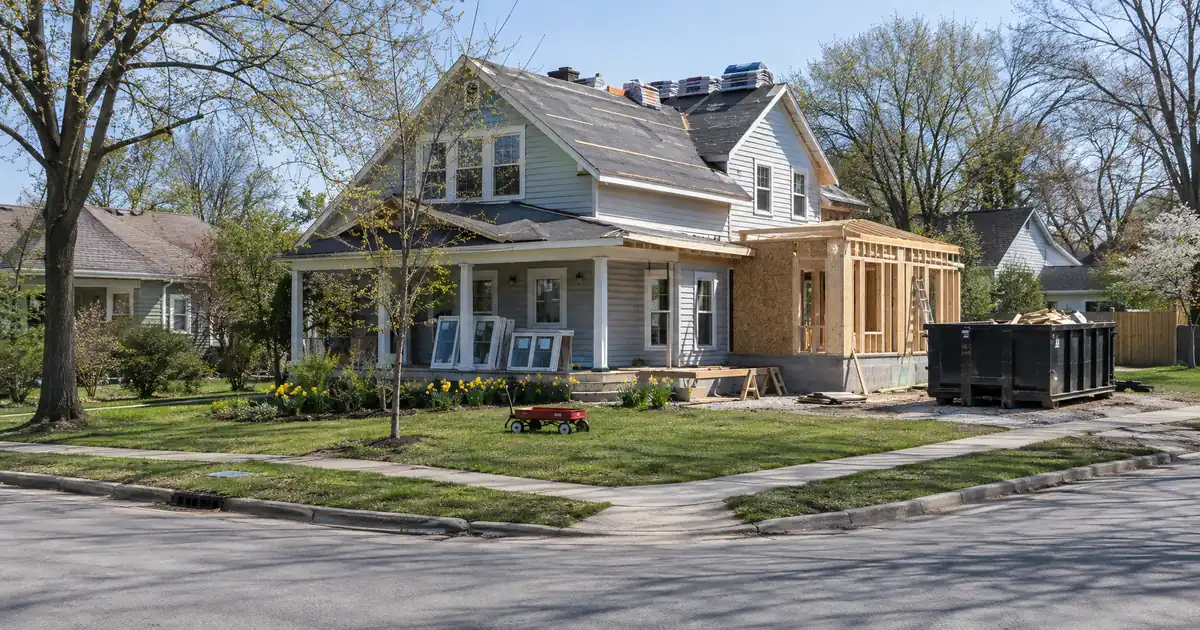
The Quick Read: Sometimes, but only when the first-lien hard money lender accepts the gap money, which usually means an unsecured or note-only loan rather than a recorded second mortgage. Gap capital can pre-fund the cash you spend before your first reimbursement, but a second lien can freeze your rehab funds at the next draw.
- A draw reimburses finished, inspected work, so you carry the cost in the meantime.
- A recorded second lien is the usual deal-breaker with a first-lien lender.
- Unsecured or note-only gap money is more likely to be accepted, and it costs more.
- Gap money adds a second obligation and raises total leverage on the project.
- Your own cash reserve is still the safest float.
Why You Front the Cost in the First Place
A hard money rehab loan does not hand you the renovation money at closing. Only the purchase portion funds up front. The rehab budget sits in a holdback and is released in draws as work is finished and checked.
What this loan actually costs to carry.
Hard money is sized against the project and priced by time. Enter the deal and see how much the program will lend, the cash required at closing, the carry while you hold it, and what is left at the exit.
Leverage tiers on the current program: 85% with fewer than 2, 90% with 2 or more, 93% with 5 or more completed projects — every tier capped at 75% of after-repair value. Loan amounts up to $5,000,000, larger by exception; terms of 6 to 18 months, interest-only, no prepayment penalty. The rehab portion funds in draws against completed work, not at closing.
Program parameters shown update from Lendmire’s centralized guideline source. Rate, points, and months are editable assumptions, not quoted terms.
Cost cap sets the loan · positive spread
Illustrative estimate only — not a quote, Loan Estimate, approval, or commitment to lend. Rate, points, and months are editable assumptions. Hard money is business-purpose financing for real estate investors, not a consumer mortgage. Leverage on the current program tops out at 93% of project cost for investors with a documented track record, capped at 75% of after-repair value, with rehab funding up to 100% of the documented budget released in draws; actual terms vary by lender, borrower experience, property, and exit. Lendmire is a mortgage broker, not a lender.
Here is the sequence on most files:
1. You finish a phase and pay the contractor.
2. You submit a request listing the completed line items.
3. The lender orders an inspection.
4. Funds release after a clean inspection.
The trigger is verified completion, not your invoice. The logic is simple. The lender wants proof the work exists before money moves. The cash gap between paying the contractor and getting repaid is the real pressure point on a rehab.
Inspection fees add to the float. They are usually the borrower’s cost, and they pile up across several draws.
Materials are a common trap. Lumber and fixtures sitting in the garage generally do not count. Installed work does.
What Gap Funding Actually Is
Gap funding is capital that covers the difference between the first-lien rehab loan and your total cash need. Wikipedia’s entry on gap financing describes the gap funder as taking a second-position lien and often a share of the profit.
Those two details matter here. A second-position lien sits behind the hard money lender. A profit share changes your math on a flip.
Most gap pages talk about the closing table: down payment, closing costs, carry. Draw float is a related use, not the main one. Whether it works for you depends on structure.
Will the First-Lien Lender Allow It?
Usually only if it knows about it and approves it. This is the heart of the question.
Priority matters. Nolo’s explainer on subordination agreements covers how first and second liens rank and why a lender in first position may refuse to let another lender sit behind it. Many hard money lenders want to be the only lienholder.
Here is the practical risk. At each draw, the lender checks title or runs a lien search. A recorded second mortgage can show up in that search. The draw may then stall until the second is released or the lender signs off.
Mechanics liens work the same way. A recorded claim from an unpaid contractor can cloud title, and the California Contractors State License Board explains how owners get lien releases to prevent that. The lesson carries beyond one state. Any recorded claim against the property can slow a draw.
Hard money leverage is also built around the project, not around you. On the network we broker through, fix-and-flip loans typically run 85% to 93% of project cost depending on documented completed projects, always capped at 75% of after-repair value. Those tiers vary by lender, property, and experience. A gap loan stacks on top of that, and combined leverage can exceed what the first lender will tolerate.
Which Gap Structures Tend to Work
Here is how the common structures usually line up, from most to least likely to cause trouble.
| Gap structure | Draw-freeze risk | What to expect |
|---|---|---|
| Recorded second mortgage | High | Many first-lien lenders prohibit it |
| Gap lender in second position | High | Needs written consent first |
| Unsecured or note-only loan | Lower | Higher cost, personal guarantee likely |
| Secured by other property | Lower on the rehab | Equity elsewhere is at risk |
| Partner or private capital | Varies | Depends on how the deal is papered |
A few notes on each.
Recorded second. This is the structure most likely to trip a draw. It shows up in the lien search.
Note-only or unsecured. A private investor lends on a promissory note with no lien attached. Practitioners say this can work, but expect a high cost and possible personal-guarantee exposure. With no collateral, the lender is pricing in risk.
Secured by other property. A private lender may take a lien on a different property with equity. The rehab title stays clean. Your other property carries the risk.
Packaged by the same lender. Some hard money lenders arrange their own gap partner, often for a profit split. At least that way the first lender knows about it up front.
Some gap providers advertise “no second liens” structures, as on Gapfunded’s site. Treat that as one structure that exists, not an endorsement. Marketing is not verification.
What Gap Money Can and Cannot Cover
| Need | Gap money typically covers it? | Why |
|---|---|---|
| Down payment | Often | Common gap use, if the lender consents |
| Closing costs | Often | Same consent question |
| First-phase float | Sometimes | Depends on lien structure |
| Interest and carry | Sometimes | Adds to total cost |
| Budget overrun | Rarely planned for | Overruns tend to sit on you |
| Final holdback | Not a fit | Released after completion |
The pattern is simple. Gap money fits known, planned shortfalls. It fits poorly as a cushion for surprises.
Budget blowouts deserve their own warning. If costs run over and you have no reserves, the first lender may foreclose, and the gap funder sits behind it with exposure. That is a bad outcome for everyone, and the borrower usually feels it most.
How It Plays Out: A Staged Walkthrough
Picture an investor with a light-rehab flip. The purchase funds at closing. The rehab budget sits in holdback.
Month one, the contractor finishes demo and framing. The investor pays the bill from cash on hand. The investor then submits a draw request with the completed line items.
An inspector visits. A clean inspection releases funds, and the investor is repaid for that phase. Then the cycle repeats.
The float is the largest amount you will have paid out before the next reimbursement. To estimate yours:
1. List each planned draw and the cost of its phase.
2. Find the largest single phase.
3. Add inspection fees and interest for the period.
4. Add a contingency cushion on top.
That total is the cash you should be able to reach without borrowing against the deal. If gap money is part of your plan, it should plug into that number, and your first lender should have approved it in writing.
Does the reimbursed draw repay the gap loan? Not automatically. Many gap loans run until sale or refinance, so the second obligation keeps accruing while the reimbursement goes back to you. Confirm the repayment sequence in writing before you sign.
Better Ways to Cover the Float
Gap funding is one tool. Compare it with the others before committing.
| Float source | Main upside | Main catch |
|---|---|---|
| Your own reserves | No second lender, no consent issue | Ties up cash |
| Gap loan | Preserves your cash | Second payment, higher cost |
| Partner capital | Shares the burden | Shares the profit too |
| Contractor payment terms | No added debt | Depends on the relationship |
| Larger rehab holdback structure | One lender, one lien | Limited by project cost caps |
One lender-side voice makes a fair point: the best use of gap money is by borrowers who have the cash and want to keep it as reserves, and it is risky for borrowers with no money for the down payment at all. That matches what we see. Gap money works best as a convenience for a strong file. It is a poor rescue for a weak one.
There is also no true 100% purchase program in hard money. Up to 100% of the rehab budget can fund in draws against completed work, but that is a rehab-budget figure, not a purchase loan-to-value. Fees, interest, and the draw lag typically stay with you.
When Gap Funding Is the Wrong Move
Skip it if any of these apply:
- The first lender has not consented in writing.
- The flip margin is thin and a second cost layer eats it.
- You have no exit beyond a hopeful sale.
- You have no cushion for overruns.
- The gap offer asks for upfront fees or leaves lien position vague.
Watch for gap terms that conflict with your first loan. Unclear lien position is the biggest red flag.
What Goes Wrong at a Draw
Failed inspection, reduced draw, or delay. Each one stretches your float. A failed inspection means unfinished items. A reduced draw means the lender paid less than you spent. A delay means contractors wait, and holding costs climb.
Your fallback is the same for all three: reserves. Gap money does not reliably step in for unplanned problems.
The DSCR Exit and the Gap Loan
Many investors refinance out of hard money into long-term DSCR investor loans once the property is stabilized. Lendmire brokers that path through select lenders in its wholesale network. A rental refinance has to pay off every lien on the property, including a gap loan. A lien balance you forgot about shrinks what a refinance can do for you.
Rental coverage on a stabilized property qualifies primarily on property-level rental income covering the payment, subject to lender guidelines. Meeting that coverage test is not the same as producing positive cash flow, because repairs, vacancy, and management sit outside the calculation. For the broader picture, see the complete DSCR loans guide.
Terms for rehab loans run 6 to 18 months, interest-only, with no prepayment penalty on the network we place files with. There are no multi-year options, so a stacked second obligation has to fit inside that runway. Tax treatment varies; consult a qualified professional.
Key Terms Defined
Draw: A release of rehab holdback money after completed work is inspected.
Holdback: The part of the loan set aside for renovation and paid out in stages.
Gap funding: Capital covering the difference between the first-lien loan and your total cash need.
Second lien: A claim on the property that ranks behind the first lender.
Mechanics lien: A recorded claim by a contractor or supplier for unpaid work on the property.
Float: The cash you carry between paying for work and getting reimbursed.
Checklist Before You Apply
- Disclose any gap loan to the first-lien lender before closing.
- Get written confirmation of which gap structures it allows.
- Ask whether the gap funder will sign a subordination agreement.
- Confirm how and when the gap is repaid.
- Hold your own reserves for the cash lag.
- Build roughly a 10% contingency into the rehab budget.
Frequently Asked Questions
Does gap funding pay my contractor directly?
Generally no. Gap money usually goes to you, and you pay the contractor. The hard money lender then reimburses you through draws after inspection.
Is gap money repaid when the draw funds?
Not automatically. Many gap loans run until sale or refinance, so reimbursed draws do not necessarily retire the gap. Confirm the repayment terms before you sign.
Can I use it for materials not yet installed?
You can spend it that way, but the first lender typically will not reimburse stored materials. Installed, inspected work is what draws pay for.
Does the first lender have to approve it?
In practice, yes. Many first-lien lenders want to be the sole lienholder, and a surprise second lien can freeze draws. Ask before closing.
Can I finance 100% of the rehab?
Up to 100% of the rehab budget can fund in draws against completed work, subject to lender guidelines and varying by lender, property, and experience. That is not a 100% purchase loan, and you still cover fees, interest, and the reimbursement lag.
If you are buying, rehabbing or refinancing an investment property on a short timeline and want to see how the numbers work, Lendmire can help you compare hard money options based on the project, the exit plan, leverage, and your goals. Nothing here is a commitment to lend.
About Lendmire
As a DSCR and non-QM mortgage broker, Lendmire — NMLS# 2371349 — connects investors with wholesale lending channels across 41 markets, including Washington, D.C. The property’s rental income, not the borrower’s tax returns, is central to lender review, which works for self-employed operators and portfolios beyond four financed properties. Scotsman Guide named Lendmire a Top Mortgage Workplace in both 2025 and 2026.
Get Started
Ready to find the right loan for you?
In about 30 seconds you can review financing options available for your investment property. No commitment required.
Informational only. Not a Loan Estimate, approval, or commitment to lend. Program availability and eligibility are subject to lender guidelines, credit approval, property review, and underwriting.
References
2. Nolo: What Is a Subordination Agreement
3. California Contractors State License Board: Mechanics Lien
This article is part of Lendmire’s hard money loan program — full qualification details, guidelines, and scenarios live on the program page.
Related reading: Can a DSCR Pool With One Fourplex Close While a Tenant Is Evicted? · DSCR Cash-Out Now vs Waiting for Hard Money and Rehab Card Payoff · How to Document Private Loan Money on Your First DSCR Rental Loan
Brandon Miller
Founder & CEO, Mortgage Loan Originator, Lendmire LLC
- Mortgage Loan Originator · NMLS# 1129696 · Verify on NMLS Consumer Access
- North Carolina Real Estate Broker · License# 343312 · Verify on NCREC
- North Carolina Insurance Producer · License# 19053198 · Property, Casualty, Life, Health · Verify on NAIC SBS
- Lendmire LLC · Firm NMLS# 2371349 · Verify firm licensure
Legal disclosures. Lendmire (NMLS# 2371349) is a state-licensed mortgage brokerage that arranges financing through wholesale lender relationships. Lendmire is not a direct lender, depository institution, or registered financial advisor. The discussion above is general informational content about real estate financing — it is not financial, legal, or tax advice, and readers should consult licensed professionals for guidance on their individual circumstances. Loan inquiries are subject to lender underwriting; this article does not represent a commitment to lend. Loan terms, rates, and qualification standards vary by borrower, property, and state, and are subject to change at any time. Equal Housing Opportunity. NMLS Consumer Access: nmlsconsumeraccess.org.