
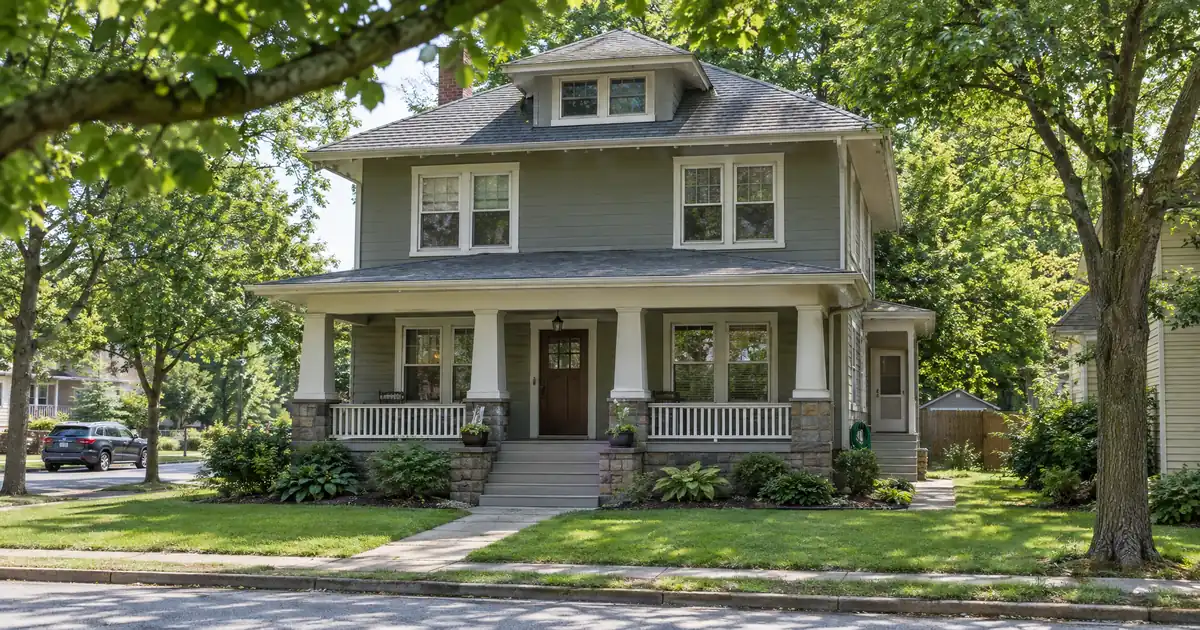
The Quick Read: Yes, in a limited form: a lender can review you as a borrower before you have an address, but it cannot approve a specific deal until a property exists, because the loan is reviewed primarily on property-level rental income covering the payment, subject to lender guidelines.
- Credit, reserves, entity plan, and strategy can all be reviewed before any property is chosen.
- The result is a working range of leverage and coverage expectations, not a loan amount on a deal.
- Rent, appraised value, and property eligibility stay open until an address is under contract.
- Pre-qualification is the accurate label for this stage. Preapproval comes later.
- A letter is not a commitment to lend, and it cannot make an ineligible property eligible.
Half of a DSCR file is the borrower. The other half is the property. The borrower half can be reviewed today. The property half cannot, and that split explains almost every confusing answer an investor hears on this question.
DSCR Calculator
Run the numbers in your market
Rate source: Freddie Mac 30-yr average via FRED® — Federal Reserve Bank of St. Louis · effective Oct 29, 2026
Prefilled with starting assumptions — enter your own rent or nightly figures, taxes, insurance, and HOA for a more accurate picture.
Program parameters update from Lendmire’s centralized guideline source. Taxes and insurance are editable estimates.
As of Oct 29, 2026 · General Freddie Mac market benchmark, not a Lendmire loan offer. Rent, nightly rate, occupancy, taxes, and insurance are editable estimates. Short-term rental figures are estimates only and vary significantly by season, property type, management approach, and local short-term-rental rules — confirm local regulations before relying on them. Qualifying income for short-term rentals varies by program — some use appraisal market rent, others use documented STR history or projections — and is confirmed in underwriting. Not a Loan Estimate, approval, or commitment to lend. Program availability and eligibility are subject to lender guidelines, credit approval, property review, and underwriting.
Why the Answer Is “Yes, But Not the Whole File”
A DSCR loan measures whether a property’s rent covers its full monthly obligation: principal, interest, taxes, insurance, and any HOA dues, together called PITIA. Without a property, there is no rent to measure and no payment to compare it to. So nobody can approve the deal.
What a broker can do is review the person. Across the wholesale network Lendmire works with, the early stage looks the same at most programs: a credit review, a look at reserves and liquid funds, a conversation about the entity you plan to buy in, and a discussion of the property type and strategy you are targeting. The output is a range. It tells you roughly how much leverage a profile supports and what coverage a target property will need.
The federal consumer-finance regulator describes a preapproval letter as a tentative statement that rests on assumptions and is not a guaranteed offer. That page is written for owner-occupied home buyers, so treat it as an analogy. The logic carries over: a letter reflects what was reviewed at that moment, not a promise.
Lendmire’s complete DSCR loans guide covers the full documentation difference between DSCR and conventional files. For this question, the short version is that DSCR files lean on lease or rent-survey evidence and an appraisal rather than tax returns and pay stubs, subject to program terms.
Prequalification, Preapproval, and Conditional Approval: What Each Means
The words are not standardized. One lender’s “preapproval” is another’s “prequalification.” The federal consumer-finance regulator’s own explainer says lenders use the terms differently and that neither guarantees a loan. So judge any letter by what was actually reviewed, not by its label.
For DSCR investing, a practical vocabulary looks like this:
| Stage | What is reviewed | What you receive | What stays open |
|---|---|---|---|
| Pre-qualification | Borrower: credit, reserves, entity, strategy | A working range of leverage and coverage | Everything about the property |
| Preapproval | Borrower plus a named property’s rent and value estimate | Property-specific terms | Appraisal, title, insurance, final review |
| Conditional approval | Full file after the appraisal | Approval with conditions to clear | Clearing conditions |
| Final approval | All conditions cleared | Clear to close | Nothing material |
Notice where the property enters. Until it does, you are in the first row. If a lender or an online ad promises a fixed commitment with no property reviewed, treat that as a red flag. Nobody can fix terms on rent that has not been measured.
What a Lender Can and Cannot Know Before There Is an Address
This is the part most investors never see laid out. The table below separates the knowable from the unknowable.
| Known now (borrower side) | Unknown until an address exists |
|---|---|
| Credit profile and score tier | Rent the appraiser will support |
| Reserve and liquidity position | Appraised value, which drives LTV |
| Entity plan and documents needed | Taxes, insurance, and HOA dues |
| Strategy: long-term or short-term rental | Whether the property type is eligible |
| Likely leverage band for your profile | The actual DSCR ratio |
A strong borrower cannot cure a weak property. Rent, value, condition, and property type can each change the loan amount or terms, no matter how clean the credit looks. On the network Lendmire places files with, manufactured homes, log homes, and barndominiums are not offered, so a profile review will never override that.
What You Can Expect to Learn Early
Most programs we place files with share the same broad guardrails, though every lender differs and every file is reviewed individually.
- Leverage. On a purchase of an investment property, most files land at 75%–80% LTV, meaning 20%–25% down. Select high-leverage programs reach 85% LTV (15% down) with roughly a 700+ score.
- Credit. A 620 floor exists in parts of the network. Most programs want around 660, and 700+ unlocks the strongest leverage tiers.
- Coverage. 1.00 is where select programs start, not a universal rule. Stronger ratios open better pricing and leverage. A separate select-lender path takes coverage below 1.00, with leverage and terms adjusted.
- Reserves. They vary by lender, leverage, loan size, and transaction type. Around 6 months of PITIA is common, and loans above $1,500,000 typically step up to about 9 months. Conservative rate-term files at modest leverage under that size can see reserves waived.
- Loan size. up to $3,000,000 on standard programs (smaller balances available through select lenders). Above $2,500,000 the network generally holds to 30-year fixed structures.
Programs change, and nothing here is a commitment to lend. The point of the early conversation is to find out which of these bands you fall into before you spend weekends touring properties that won’t fit.
If you hold a property now and plan to pull equity for the next purchase, the structure is different. A cash-out refinance tops out around 75% LTV across most of the network, with about 6 months of seasoning as a common expectation. Each figure is subject to lender guidelines and a complete review of property type, leverage, and credit.
How Does Rent Get Set Once You Find a Property?
The lender’s rent number comes from the appraiser, not from your spreadsheet. For single-family homes, the appraiser completes a rent schedule. Form 1007 is the market-rent estimate for one-unit investment properties, and it was not designed for short-term rentals. The Freddie Mac version of the form is the same single-family comparable rent schedule. Two-to-four unit properties use a companion form.
Those are agency form names only. DSCR loans are not agency products, and each lender’s own guidelines decide which rent evidence counts. In practice:
- Leased property. Most programs use the lower of the active lease and the market rent from the appraisal.
- Vacant property. The appraiser’s market rent alone sets the number. A vacant property that isn’t rent-ready may have little supportable rent until repairs are done.
- Short-term rentals. Files generally rely on platform data rather than the standard rent schedule. Expect a 640+ score and about 12 months of hosting history. Purchase leverage tops out at 75% LTV with a 1.00 coverage floor, and refinances run around 70% with a 1.00 floor. Short-term rental rules can vary by city, county, HOA, and property type, so investors should confirm local rules before relying on projected rental income.
- Per-bedroom leases. The rent schedule prices whole-property comps, so per-bed leases can exceed the appraiser’s whole-house figure.
The appraisal does two jobs at once. It sets value, which drives LTV, and it sets market rent, which drives coverage. If value comes in under the contract price, the loan is sized on the lower figure and you fund the gap.
How to Pre-Screen a Target Market Without a Property
You can do useful math before an address. The formula is simple: monthly rent divided by the full monthly obligation. Corporate Finance Institute explains the general coverage-ratio concept, and the formula varies by lender and context.
Here is how to build a rough screen:
1. Pick a target price band and property type.
2. Estimate market rent conservatively, because the appraiser may land lower than your comps.
3. Estimate taxes, insurance, and any HOA dues for the area.
4. Divide rent by the full obligation to see where coverage lands.
5. Stress the result by trimming rent a few percent and raising insurance.
Run it with placeholder inputs and watch the sensitivity. A deal that sits at roughly 1.25x holds up if rent comes in a bit low. A deal sitting right at 1.00x may drop below the line the moment taxes or insurance move. Putting more money down lowers the payment and can lift the ratio, but it never erases leverage caps, credit floors, reserve rules, or property eligibility. The strongest files clear both tests: enough equity and enough rental coverage.
Keep one distinction straight. Clearing 1.00 is not the same as positive cash flow. Repairs, vacancy, management, utilities, and capital expenses sit outside the calculation. Underwrite those yourself.
What to Prepare Before You Make Calls
Document lists vary by program, but the borrower-side stage generally covers:
- Government ID
- Entity documents, if you plan to buy in an LLC (subject to lender program eligibility)
- Proof of liquid funds for the down payment and reserves
- A credit authorization
Rent and property documents come later. A DSCR file generally does not use tax returns or W-2s, since qualification runs on the property’s income. That is not the same as no personal documentation at all.
Ask any lender one question up front: will you pull credit at this stage? The answer varies, and you should know before you authorize it.
How the Process Runs, Step by Step
1. Intake call. You share target property type, strategy, market, and timeline of intent.
2. Borrower review. Credit, reserves, and entity plan are reviewed.
3. Working range. You learn leverage and coverage expectations, and which programs fit.
4. Property search. You screen listings against the coverage you need.
5. Contract. An address exists, so the lender can run property-level math.
6. Appraisal, underwriting, and conditions. Value and rent are set, the file is reviewed, and conditions are cleared.
A broker adds something here a single lender cannot: comparison. At step three, a broker with many wholesale lenders can show how the same profile lands across programs, which tells you where your file is strongest.
DSCR vs. conventional financing
There are two common ways to finance an investment property, and they qualify you differently — here’s how investors weigh them.
Why investors choose it
- Qualifies on the property’s rental income — no personal tax returns, W-2s, or pay stubs needed to document income.
- No personal debt-to-income ceiling to clear, so existing mortgages and obligations don’t cap your borrowing the same way.
- Can be closed in an LLC, keeping the property inside a business entity.
- Built for scaling — not held to the limit on number of financed properties that conventional financing applies.
- Underwriting centers on the deal: generally qualifies when the rent covers the payment, a 1.00x coverage ratio being a common baseline (confirmed in underwriting).
- Designed specifically for investment property, including long-term and, where the program allows, short-term rentals.
Where it’s strong
- Often the lowest ongoing financing cost for a buyer who fully qualifies on personal income — a fit for a first property or a cost-first purchase.
Trade-offs for investors
- Requires full personal income documentation and must fit within a debt-to-income limit — salary, existing debts, and other mortgages all count.
- Typically held in your personal name rather than a business entity.
- Caps how many financed properties you can carry, which can become a ceiling as a portfolio grows.
- Evaluates you as a borrower as much as the property, which usually means more paperwork.
How investors usually choose: a first or single property often optimizes for the lowest financing cost; portfolio builders often optimize for leverage, vesting in an LLC, and scaling past conventional caps. The right answer depends on your goals, the property, and current guidelines — both paths run through select lenders in Lendmire’s wholesale network, with eligibility and terms confirmed in underwriting.
Does a Pre-Qualification Help When You Make Offers?
Sometimes. The CFPB notes that a preapproval can show a seller you are likely to get financing. Whether a seller or agent requires one in an investor deal varies by market and by seller. A pre-qualification helps most when you are competing against other buyers and can show you have already been reviewed. It does little in a market where sellers rarely ask.
Worth stating plainly: a letter that reads as vague will carry less weight than one that names your target property type and the leverage band you can support.
What Can Go Wrong Between the Letter and the Closing Table
| Symptom | Likely cause | What to do |
|---|---|---|
| Coverage drops below target | Appraised rent lower than your estimate | Underwrite rent conservatively |
| Loan amount shrinks | Appraised value under contract price | Plan cash for the gap |
| Property is declined | Ineligible type or condition | Confirm eligibility before offering |
| Terms change | Credit moved or reserves dropped | Hold reserves steady during the search |
| Letter no longer applies | It expired or the profile changed | Refresh the review |
Treat the early range as indicative. It is not locked terms. This is not a commitment to lend.
Key Terms Defined
DSCR (debt service coverage ratio): the property’s monthly rent divided by its full monthly obligation.
PITIA: principal, interest, taxes, insurance, and any association dues, added together.
Form 1007: the appraiser’s single-family rent schedule, which estimates market rent.
Seasoning: the time you must hold a property before a cash-out refinance is typically allowed.
Reserves: liquid funds left after closing, often measured in months of PITIA.
Pre-qualification: an early borrower-side review that produces a working range, not a deal approval.
Who Needs a Different Path?
First-time investors can pursue this, though landlord-experience requirements vary by program.
Borrowers who own a primary residence have an extra option. No-ratio structures are available only through select lenders, generally for borrowers who already own a primary residence. Coverage below 1.00 is also available through select lenders in the network, with leverage and terms adjusted. Neither is a shortcut for deals that fail the math in every neighborhood you’re searching. If the numbers only work when you reach for those structures, revisit the target market first.
If the early answer is “not yet,” the fix is usually concrete: build reserves, let credit improve, or lower your target price band. Waiting a few months beats burning a hard inquiry on a file that isn’t ready.
Mistakes to Avoid
- Assuming strong credit and cash mean approval on any rental.
- Trusting your lease as the number. Most programs use the lower of lease and market rent.
- Believing a DSCR loan needs no appraisal. Standard files require one.
- Treating a letter as locked terms.
- Spending reserves on a rehab before the file is reviewed.
Tax treatment can depend on how the funds are used and how the property is held; investors should keep clear records and speak with a qualified tax professional before relying on any deduction.
If you are buying or refinancing a rental property and want to see how the numbers work, Lendmire can help you compare DSCR loan options based on the property income, credit profile, leverage, and investor goals. Lendmire is a mortgage broker arranging DSCR financing through select lenders in its wholesale network across 41 markets, including Washington, D.C.
Frequently Asked Questions
Does a DSCR pre-qualification cost anything?
Practices differ by lender, so ask before you authorize anything. Some reviews are free, and some lenders charge once a property is under contract and an appraisal is ordered. The more useful question is whether credit will be pulled and what fees attach at each stage.
Is a DSCR preapproval letter binding?
No. It reflects what was reviewed at that point and rests on assumptions. The lender still has to review the appraisal, rent, title, insurance, and your final file. It is not a commitment to lend.
Can a first-time investor get reviewed before choosing a property?
Yes. The borrower review works the same way. Landlord-experience requirements vary by program, so a first-time investor should ask which programs in the network accept a thin track record and what leverage adjusts as a result.
Can I use this process for a short-term rental?
Yes, but the screen differs. Expect a 640+ score and about 12 months of hosting history, with purchase leverage up to 75% LTV. Rent evidence leans on platform data instead of the standard rent schedule, so the early range is broader and less certain. Leverage, reserves, and pricing vary by lender and program; the final terms follow the full file review.
Will the early range change once I find a property?
Yes, it can change. Appraised rent, value, taxes, insurance, condition, and property type all move the final terms. A stronger borrower profile does not offset a weaker property, so expect the range to tighten once real numbers replace assumptions.
About Lendmire
Lendmire (NMLS# 2371349) is a mortgage brokerage built around DSCR investor lending, with programs available in 41 markets, including Washington, D.C. DSCR lenders commonly evaluate rental-income coverage instead of personal income paperwork — a practical fit for LLC-owned and multi-property investors. Terms vary by lender, property, leverage, and program. Scotsman Guide named Lendmire a Top Mortgage Workplace in both 2025 and 2026.
Get Started
Ready to find the right loan for you?
See your offer in seconds. No credit pull, no obligation.
Informational only. Not a Loan Estimate, approval, or commitment to lend. Program availability and eligibility are subject to lender guidelines, credit approval, property review, and underwriting.
References
1. CFPB – Get a preapproval letter
3. Corporate Finance Institute – Debt Service Coverage Ratio
This article is part of Lendmire’s DSCR loan program — full qualification details, guidelines, and scenarios live on the program page.
Related reading: How a DSCR Loan Works on an Edgartown Rental · Can You Choose Which Co-Buyer Is the Guarantor on a DSCR Loan? · How to Close a DSCR Loan on a Carolina Beach Rental
Brandon Miller
Founder & CEO, Mortgage Loan Originator, Lendmire LLC
- Mortgage Loan Originator · NMLS# 1129696 · Verify on NMLS Consumer Access
- North Carolina Real Estate Broker · License# 343312 · Verify on NCREC
- North Carolina Insurance Producer · License# 19053198 · Property, Casualty, Life, Health · Verify on NAIC SBS
- Lendmire LLC · Firm NMLS# 2371349 · Verify firm licensure
Disclosure information. Lendmire is a state-licensed mortgage brokerage under NMLS# 2371349. Lendmire is not a depository institution, direct lender, or financial advisor — all loans referenced are placed through wholesale lender partners and are subject to each lender's underwriting standards. This article is provided for general informational purposes and is not a commitment to lend, nor does it constitute financial, legal, or tax advice. Loan programs, terms, rates, and qualification standards change without notice and depend on borrower profile, property type, and the state in which the subject property is located. Equal Housing Opportunity provider. NMLS Consumer Access: nmlsconsumeraccess.org.