
The Quick Read: Usually not. Investment HELOCs placed through Lendmire’s wholesale network exclude condotels as a property type, because lenders classify the building by how it operates rather than by what the deed says, so strong credit and plenty of equity do not change the answer for the condotel itself. The workable routes are a DSCR cash-out refinance on the unit, or a line secured by a different property you own.
- Condotels are on the not-offered list for investment, second-home, and DSCR-style HELOCs in this network.
- Non-warrantable condos are a different story. They can be eligible, while condotels cannot.
- Investment HELOCs in this network top out at 70% CLTV and a $500,000 line, with a 700 minimum credit score.
- A DSCR cash-out refinance is the practical way to pull equity from a condotel, subject to lender guidelines.
- Equity in another property can fund the condotel without touching it as collateral.
What Exactly Is a Condotel?
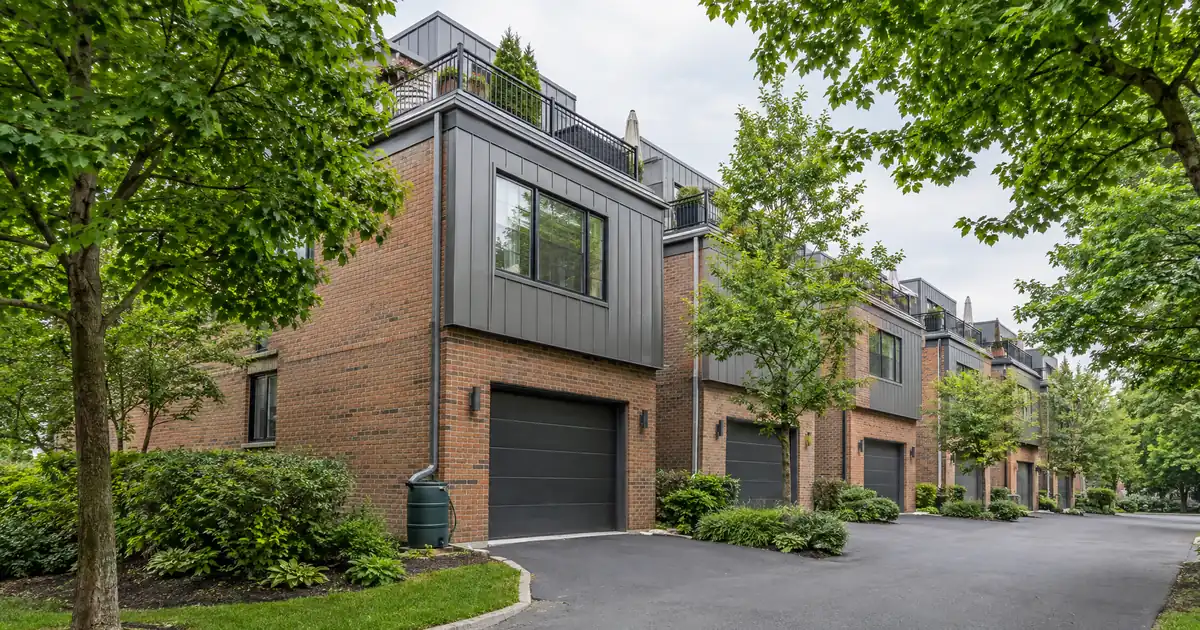
A condotel is a deeded condo unit inside a building run like a hotel. The building has a front desk, housekeeping, and usually a rental program the owner can opt into. Wikipedia’s entry on condo hotels describes the same structure.
How large a line the equity supports.
An equity line is sized by combined loan-to-value, occupancy, and credit — not by rental coverage. Switch the occupancy or the credit band and the ceiling moves with it.
Investment-property lines require a 700 minimum credit score; second-home lines start at a 640 minimum and primary-residence lines at 600, and the combined-LTV ceiling steps down as the credit band drops on primary-residence and second-home lines and holds on investment-property lines; the line cap steps down on primary-residence lines and holds at every tier on investment-property and second-home lines.
A debt-to-income ratio above 45% requires 680+ credit. Profiles under 640 are limited to single-family homes. At least 75% of the approved line is drawn at closing. Ceilings, floors, and caps update from Lendmire’s centralized guideline source.
Line estimate
Illustrative estimate only — not a quote, Loan Estimate, approval, or commitment to lend. The rate is an editable assumption; equity-line pricing is variable through both the draw and repayment periods and never converts to fixed. Occupancy and credit drive the ceiling together: an investment property tops out at 70% combined LTV (minimum credit 700, line cap $500,000); a second home tops out at 90% combined LTV (minimum credit 640, line cap $500,000), with the ceiling stepping down as the credit band drops (the cap holds at every tier); a primary residence tops out at 90% combined LTV (minimum credit 600), and its $750,000 maximum line is available only at 75% combined LTV or below with a 700-or-better credit profile (720 on the longer-runway program) and a full appraisal. Lines above $500,000 require a full appraisal. Credit, debt-to-income, property type, and full underwriting review all affect the final line.
You own the unit the way you would own any condo. The difference is the operation around it. Guests check in and out, a management company runs the rental pool, and the operator often keeps a share of the income.
That operating model is what lenders react to. A regular condo is a residential building where some owners happen to rent. A condotel is a hospitality business with residential titles attached.
Why Do Lenders Exclude Condotels From Equity Lines?
Lenders exclude them because an equity line is secured by the property, and a hotel-style building is harder to value, insure, and resell. Across our wholesale network, the line programs treat condotels as a closed door, and no credit score reopens it.
Three things drive the exclusion:
- Rental dependence. The unit’s value leans on a third-party operator and a rental pool, not on a pool of ordinary residential buyers.
- Resale narrowness. Fewer buyers want a hotel-style unit, and fewer lenders will finance one. A lender who might have to foreclose thinks about that.
- Building-level risk. Lenders already scrutinize condo associations. CBS News notes that home equity lenders on condos look at owner-occupancy rates and master insurance. A condotel has almost no owner-occupancy by design.
The wider market behaves the same way. No statute bars a HELOC on a condotel, and the barrier comes from lender and investor guidelines. For contrast, the Fannie Mae Selling Guide lists condo-hotel, resort, and transient rental traits among the features that make a condo project ineligible for purchase by that agency. DSCR and HELOC programs are not agency products, but their lenders tend to run similar project screens.
Strong borrowers still hit the wall. The exclusion attaches to the property, not the person. A 780 score and heavy equity do not turn a condotel into an eligible collateral type.
How Do You Tell If Your Building Counts as a Condotel?
You tell by looking at how the building operates, not how it markets itself. A project can advertise itself as a condo and still be classified as a condotel once a lender reviews it.
Signals that tend to trigger the condotel classification:
- A front desk, daily housekeeping, or other hotel services run by the association or an operator.
- A rental pool or mandatory rental program where the operator controls bookings.
- Heavy nightly-rental activity across many units.
- A project name that includes hotel, resort, or similar language.
- Restrictions on owner use, such as limited personal-stay days.
Ask the association or management company how the project is labeled and whether rental-pool participation is required or optional. Then ask your lender to run the project review before you count on a line. The review is separate from your personal approval, and it decides the outcome.
The distinction matters because ordinary condos, including non-warrantable ones, are eligible property types on our network’s HELOCs. A non-warrantable condo is one that fails standard project rules, for example because of investor concentration or pending litigation. It still gets a building review, but it is not excluded by type. Condotels are excluded by type.
What Does a HELOC Ask of the Property and the Borrower?
A HELOC is a revolving line you borrow against during a draw period, and it sits on top of or in place of your existing mortgage. The CFPB describes it as an open-end line you can draw on repeatedly, with a draw period that could last 10 years.
On the investment side of our network, the line is a standalone product in first or second lien position. Here are the parameters for an investment property, subject to lender guidelines and full file review:
- Maximum 70% CLTV (combined loan-to-value, meaning your existing mortgage plus the new line, divided by the property value).
- Minimum 700 credit score.
- Line size from $25,000 up to $500,000.
- A 5-year interest-only draw followed by a 25-year repayment period, with at least 75% of the line drawn at closing.
- Title held by you personally or in a revocable living trust. LLCs, corporations, and partnerships cannot hold title. Exact terms depend on the lender’s guidelines, property type, leverage, and a full review of the borrower’s file.
If your rental sits in an LLC, a HELOC generally means a vesting change, or a DSCR cash-out refinance instead. This is the sharpest structural difference between a HELOC and a DSCR loan, which is built for investor entities, subject to program terms.
These lines are brokered in only 16 of our states, a narrower footprint than the DSCR platform’s 41 markets, including Washington, D.C.
Your Real Options When the Answer Is No
You have three realistic paths: refinance the condotel with a DSCR cash-out, borrow against another property, or wait and restructure. Here is how they compare.
| Route | What is underwritten | Fit for a condotel |
|---|---|---|
| HELOC on the condotel | Borrower credit and DTI | Not offered |
| DSCR cash-out refinance | Rent vs. the full payment | Available, lower caps |
| Line on another property | Credit and that property | Works if it is eligible |
A standard HELOC underwrites you. A DSCR loan reviews the property’s rental income, so it qualifies primarily on property-level rental income covering the payment, subject to lender guidelines. That is why DSCR is the natural home for a unit that earns hotel-style income. The complete DSCR loans guide walks through how that test works.
What Does a DSCR Cash-Out on a Condotel Look Like?
It looks like a normal DSCR cash-out with a few extra layers. Cash-out refinances top out around 75% LTV across most of our network, with about 6 months of seasoning as the common expectation. Condotel files typically sit below that standard cap, and the exact figure depends on the lender.
DSCR is monthly rent divided by PITIA. PITIA is principal, interest, taxes, insurance, and association dues. For a condotel, three things shape that number:
- The operator’s share. The lender reviews the hotel-style operation first, then tests whether the unit’s rent, after the operator’s cut, covers the full payment.
- Dues. Association dues on a condotel can run high, and they land on the payment side. High dues pull coverage down faster than they would on a standard condo.
- The 1.00 mark. Coverage of 1.00 is where many select programs start, and stronger ratios open better terms. A separate select-lender path takes coverage below 1.00, with leverage and terms adjusted.
Clearing 1.00 does not mean the unit cash flows. Repairs, vacancy, management, utilities, and capex all sit outside the calculation. A condotel with a rental-pool operator can look fine on coverage and still disappoint on take-home income.
Credit and reserves follow the usual pattern. A 620 floor exists in parts of the network, most programs want around 660, and 700 or better unlocks the strongest leverage tiers. Reserves vary by lender, leverage, and loan size, and about 6 months of PITIA is common.
Here is a pattern we see often. A condotel owner assumes a line of credit is the easy move and spends weeks shopping HELOC lenders, only to learn the property type is the blocker. The owners who do best ask about the project classification first and structure the cash-out around it. A later refinance faces the same project review, so the lender pool at exit is as narrow as it was at purchase. Plan for that before you buy.
What About Borrowing Against a Different Property?
This is the cleanest workaround. A lender looks at the collateral, not at how you spend the funds. A line secured by another property you own can fund a condotel purchase or renovation without the condotel ever being collateral.
The tradeoff is real. Your other property backs the debt, and if that property is your home, you are putting your residence behind a hotel-style investment.
The ceilings depend on occupancy. On an investment property, the line caps at 70% CLTV. On a primary residence, ceilings rise with credit. The top tier of 90% CLTV applies only at a 720 credit profile or better, on lines up to $500,000. Second homes follow their own tiers. Whichever property you use, it must be an eligible type and sit in one of our 16 HELOC states.
If you would rather keep leverage off your residence, a DSCR purchase is the other lever. Most purchase files land at 75% to 80% LTV, and select programs reach 85% LTV with roughly a 700 score. Condotel purchases generally sit lower, and a larger down payment helps with coverage but never erases credit floors, reserve rules, or property eligibility.
Mistakes Condotel Owners Make
Assuming a condo is a condo. Eligibility turns on how the building operates. Check the classification before you pay for an appraisal.
Counting on credit to carry it. The exclusion is about the property. Credit helps within an eligible property type, and it does not move a condotel into one.
Confusing non-warrantable with condotel. Non-warrantable condos can be eligible. Condotels cannot.
Planning a purchase around a later HELOC takeout. Build the exit around a DSCR refinance or another property’s equity instead.
Ignoring the operator agreement. Condotel cash flow runs through a third party, so rental-pool terms become part of the credit file.
Assuming agencies will help. Conventional agency loans and the government-backed programs generally exclude condotels, and there is no special approval path.
Short-term rental rules can vary by city, county, HOA, and property type, so investors should confirm local rules before relying on projected rental income.
Key Terms Defined
Condotel: a deeded condo unit in a hotel-style building, often with an optional rental program.
HELOC: a revolving line of credit secured by a property, usable during a draw period and repaid afterward.
CLTV: combined loan-to-value, meaning all liens on the property divided by its value.
Non-warrantable condo: a condo project that fails standard project rules but is still a residential building, not a hotel.
DSCR: debt service coverage ratio, meaning monthly rent divided by the full monthly payment.
PITIA: principal, interest, taxes, insurance, and association dues, the full monthly carry.
Vesting: how title is held, such as individually, in a revocable trust, or in an LLC.
Frequently Asked Questions
Can a condotel owner get a HELOC if they live in the unit part of the year?
Not through this network’s lines. Occupancy changes the leverage tiers, but the condotel exclusion applies on investment, second-home, and DSCR-style lines alike. Part-time personal use does not change how the building is classified.
Does a rental pool make the difference?
Yes, it can. Rental-pool participation, a front desk, or heavy nightly-rental activity can each trigger a condotel classification. Ask the association how the project is labeled, and have your lender run the project review before you rely on any financing plan.
Can an LLC get a HELOC on a rental?
Not on the standard investment HELOC, because the line requires title in your name or a revocable living trust. A DSCR cash-out is the usual path for entity-owned property, depending on program guidelines.
Is a DSCR cash-out refinance the same as a HELOC?
No. A HELOC is a revolving line underwritten largely on your credit and debt-to-income ratio. A DSCR cash-out is a lump-sum refinance underwritten on the property’s rent against its payment. The first is flexible borrowing, and the second is closer to a reset of the whole loan.
What if I am a first-time landlord with a condotel?
The same property rule applies, and lenders will want to see your documentation and operator terms.
Next Step
If you are considering a home equity line and want to see how the numbers work, Lendmire can help you compare HELOC options based on the property, the equity available, credit profile, combined leverage, and your goals. For a condotel, that comparison usually runs through a DSCR cash-out or another property’s equity, and Lendmire arranges those through select lenders in its wholesale network. Every figure here is subject to lender guidelines and full file review, and nothing is a commitment to lend.
Condotels reward the buyer who confirms the building’s classification before closing on the unit, because that one label decides almost every financing option that comes after.
About Lendmire
Lendmire — NMLS# 2371349 — is a mortgage broker that arranges home equity lines of credit in its 16 full-service states through wholesale lenders, on primary residences, second homes and investment properties. Every line is subject to the lender’s guidelines and full underwriting. Scotsman Guide named Lendmire a Top Mortgage Workplace in both 2025 and 2026.
Investors who want the broader program framework can review how DSCR loans work.
Get Started
Ready to find the right loan for you?
See your offer in seconds. No credit pull, no obligation.
Informational only. Not a Loan Estimate, approval, or commitment to lend. Program availability and eligibility are subject to lender guidelines, credit approval, property review, and underwriting.
References
2. CBS News
3. Fannie Mae Selling Guide B4-2.1-03: Ineligible Projects
This article is part of Lendmire’s HELOC & home equity loan program — full qualification details, guidelines, and scenarios live on the program page.
Related reading: DSCR HELOC Rules When the Home Is Still in the Estate · How to Qualify for an Investment Property HELOC Before Your Return Is Filed · How to Qualify for a DSCR HELOC as a Co-Owner Who Is on the Deed
Brandon Miller
Founder & CEO, Mortgage Loan Originator, Lendmire LLC
- Mortgage Loan Originator · NMLS# 1129696 · Verify on NMLS Consumer Access
- North Carolina Real Estate Broker · License# 343312 · Verify on NCREC
- North Carolina Insurance Producer · License# 19053198 · Property, Casualty, Life, Health · Verify on NAIC SBS
- Lendmire LLC · Firm NMLS# 2371349 · Verify firm licensure
Legal disclosures. Lendmire (NMLS# 2371349) is a state-licensed mortgage brokerage that arranges financing through wholesale lender relationships. Lendmire is not a direct lender, depository institution, or registered financial advisor. The discussion above is general informational content about real estate financing — it is not financial, legal, or tax advice, and readers should consult licensed professionals for guidance on their individual circumstances. Loan inquiries are subject to lender underwriting; this article does not represent a commitment to lend. Loan terms, rates, and qualification standards vary by borrower, property, and state, and are subject to change at any time. Equal Housing Opportunity. NMLS Consumer Access: nmlsconsumeraccess.org.