
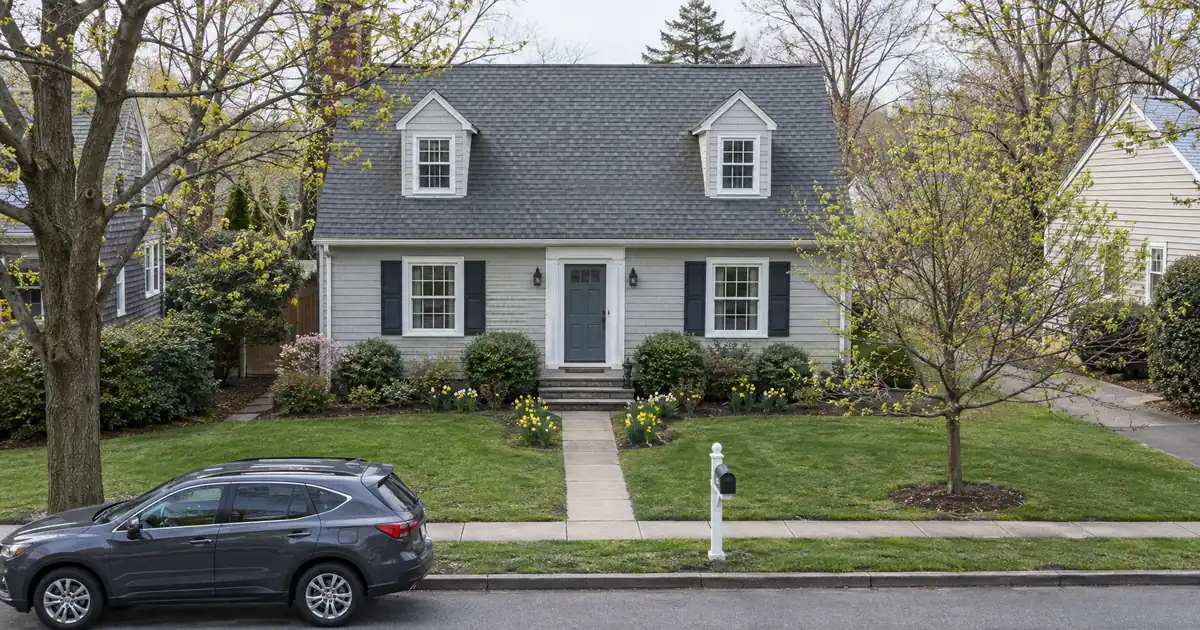
The Quick Read: Start by finishing repairs, cleaning the property, and building a short packet of facts for the appraiser: your lease, a rent history, a list of improvements, and a few recent comparable sales. The appraisal sets two numbers that decide your cash: the property’s value and its market rent. Prep influences the facts the appraiser sees. It never lets you pick the result.
- Value feeds the leverage cap. On a cash-out refinance on an investment property, the cap is about 75% LTV (loan-to-value, the loan as a share of value).
- Market rent feeds the coverage ratio. A lease far above market does not help, because many programs count the lower of the two figures.
- Timing matters too. Most cash-out files need about 6 months of ownership, measured from title recording.
- Condition fixes matter. Quality ratings, which describe how the home was built, do not change with cleaning or paint.
- Give the appraiser facts and comps, not a target. The exact numbers vary by lender and program and follow a full review of property, leverage, and credit.
What the Appraiser Delivers on a Rental
On a DSCR cash-out refinance, the appraisal does two jobs. First, it sets the value your loan is measured against. Second, it gives an opinion of market rent for each unit. DSCR stands for debt service coverage ratio. It divides the property’s rent by the full monthly obligation: principal, interest, taxes, insurance, and any HOA dues, together called PITIA.
DSCR Cash-Out Calculator
Run the cash-out numbers in your market
Rate source: Freddie Mac 30-yr average via FRED® — Federal Reserve Bank of St. Louis · effective Nov 5, 2026
Prefilled with starting assumptions — enter your property’s value, balance, taxes, and insurance for a more accurate picture.
Program parameters update from Lendmire’s centralized guideline source. Taxes and insurance are editable estimates.
As of Nov 5, 2026 · General Freddie Mac market benchmark, not a Lendmire loan offer. Property value, balance, taxes, and insurance are editable estimates. Maximum loan-to-value varies by lender, program, property type, and seasoning. Not a Loan Estimate, approval, or commitment to lend. Program availability and eligibility are subject to lender guidelines, credit approval, property review, and underwriting.
The forms differ by property type. Per the Fannie Mae Selling Guide, Form 1025 is the small residential income report for 2-4 unit properties. Form 1007 is the rent schedule used for one-unit investment properties. These are agency forms, and DSCR loans are not agency loans. Lenders in the network borrow the forms because they are the industry’s standard way to document rent.
On a 2-4 unit, the report works unit by unit. Fannie Mae’s Form 1025 has the appraiser reconcile market rents for each unit. It also compares actual rents with estimated market rents and leaves room to explain the gap. That is why a messy rent roll deserves a clean explanation.
One more point on rent. The 1007 and 1025 reflect long-term monthly market rent, not nightly income.
How the Appraisal Sets Your Cash
Your new loan is the smaller of two limits. One limit comes from value: the LTV cap applied to the appraised value. The other comes from rent: the loan size your coverage ratio will support. Your payoff, reserves, and costs come out of that smaller number. What is left is your cash.
Consider how a miss plays out. Suppose you expect the value to support the full 75% LTV cap. If the appraisal lands short, the value limit shrinks. On a loan that already carries a large balance, a modest miss can turn a cash-out into a payoff-only refinance. The rent side works the same way. Cash-out raises the balance, so it lowers coverage. Many programs start at 1.00 coverage, and stronger ratios open better pricing and leverage. A separate select-lender path takes coverage below 1.00, with leverage and terms adjusted. Final terms depend on the lender’s guidelines, the property type, and the borrower’s complete credit picture.
Clearing 1.00 is not the same as positive cash flow. DSCR compares rent to PITIA only. Repairs, vacancy, management, and utilities sit outside it.
Pulling slightly less cash than the maximum keeps a cushion on both limits. That cushion absorbs a low value or a low rent opinion without sinking the deal.
Prep Timeline: From Weeks Out to Appraisal Day
A countdown keeps this manageable. The table below sorts tasks by timing.
| Timing | Task | Why it matters |
|---|---|---|
| Before you apply | Confirm ownership length and whether a fresh appraisal applies | About 6 months is the common benchmark |
| Several weeks out | Finish repairs and fix below-market leases | Unfinished work drags the value opinion |
| Two weeks out | Build the appraiser packet | Facts beat persuasion |
| One week out | Notify the tenant, confirm access | Avoids cancellations and surprises |
| Day before | Professional clean, tidy yard | First impressions shape perceived condition |
| Appraisal day | Be available, hand over the packet, answer questions | Keeps the facts in front of the appraiser |
On a lender-ordered appraisal, you cannot choose the appraiser. Lenders usually order through a management company. Your leverage is in the property and the paperwork, not the assignment.
Condition Checklist: What to Fix and What to Skip
Start with the exterior: clean gutters, trimmed landscaping, intact paint and siding, working entry lights. Move inside: working fixtures, clean floors, no clutter, no strong odors, patched holes. Then check systems and safety: heat, hot water, smoke detectors, no active leaks.
Here is how the repairs sort out.
| Item | Moves value or conditions? | Worth doing before the visit? |
|---|---|---|
| Active leaks, broken systems | Yes | Yes |
| Unfinished units or rooms | Yes | Yes, finish them |
| Minor deferred maintenance | Yes, chips away at value | Yes |
| Deep cleaning, tidy yard | Perceived condition | Yes |
| Major cosmetic remodel | Depends on comps | Usually no, unless already planned |
| Full systems replacement | Depends on age and condition | Depends |
The ratings help explain why. Under the appraisal industry’s data standard, McKissock notes that quality ratings run Q1 through Q6 and describe materials and craftsmanship. Condition ratings run C1 through C6. Valued Audit describes C1 as brand new and never lived in, and C6 as severe damage. Repairs and upkeep move condition. They do not move quality, because quality is about how the house was built.
The Birmingham Appraisal Blog says C1 through C5 can generally be financed as-is, while C6 or Q6 usually cannot. Programs in the network review condition at the property level. A C6 property needs work before it can go forward.
The Appraiser Packet
Keep it short and factual. Include:
- A signed lease, plus rent history for each unit.
- A one-page list of improvements since you bought, with receipts and before-and-after photos.
- Three to five recent as-is comparable sales, ideally sold within the last six months, listed as plain sale data without your own opinion of value.
- A few rental comps if you have them.
- Documents that confirm property facts: deed, floor plan, permit records.
That last item deserves attention. Wrong bedroom count, bath count, square footage, or lot size are the first errors to check. A wrong fact quietly sinks a value.
Think of the packet as supplying evidence, not conclusions. Give the appraiser data and let the appraiser decide. An appraiser can cancel an assignment over what looks like pressure, so never name a target value.
A lease far below market drags coverage down. Fix below-market leases and vacancy before the appraisal, not after.
Where the Rules Don’t Reach (and Why You Still Behave)
Federal appraisal-independence rules mostly protect consumers buying or refinancing their own homes. Valuation independence under Regulation Z applies to a consumer’s principal dwelling. A true investment rental generally falls outside that scope. DSCR loans are business-purpose investor loans, so they are reviewed differently from an owner-occupied mortgage.
That does not change your conduct. Appraisers and management companies still expect to work without pressure. Hand over facts and comps. Skip the negotiating.
Vacant, Occupied, Short-Term, and Multi-Unit
Each setup has its own prep. The table compares them.
| Setup | Prep focus | Watch for |
|---|---|---|
| Occupied, long-term | Tenant notice, clean entry, lease and rent history | Clutter, pets, tenant cooperation |
| Vacant | Staged-clean, working utilities | No lease to cap rent, so market rent rules |
| Short-term rental | Booking history, guest-ready condition | Forms show long-term rent only |
| 2-4 units | Unit-by-unit rent roll | Month-to-month tenants at different rates |
Vacant units can look cleaner, and some investors prefer an appraisal before a tenant moves in. That is a preference, not a rule. A vacant unit relies on market rent alone.
For short-term rentals, the network’s guidelines run differently. Expect leverage of about 70% on a short-term-rental cash-out and about 12 months of hosting history. Most programs want a credit score of about 660, though a 620 floor exists. Short-term rental rules can vary by city, county, HOA, and property type, so investors should confirm local rules before relying on projected rental income. Each figure is subject to lender guidelines and a complete review of property type, leverage, and credit.
Ineligible property types stay ineligible no matter how good the prep. Manufactured homes, log homes, and barndominiums are not offered in these programs.
Talk to tenants early. Tell them who is coming, roughly when, and why. Ask them to tidy and to secure pets.
If the Number Comes In Low
Check the property facts first. Then look at your options: ask for a review, pull a smaller amount of cash, wait and reorder later, or accept a payoff-only refinance.
Review requests are harder to win than many people expect. Adding comps rarely works on its own, because the dispute is usually over adjustments. A review can hold the value or lower it. A fully rehabbed house rated average, with comps rated the same, is a classic under-credit. The best remedy is closed sales that show how the market priced similar work.
For a step-by-step plan, read Lendmire’s guide How to Respond When a Rental Cash-Out Refinance Appraisal Comes In Low.
What Lenders in the Network Look For
Across the wholesale network, most programs want about 660 credit, though a 620 floor exists in parts of the network and 700+ unlocks the strongest leverage tiers. Cash-out tops out around 75% LTV on a standard rental. Reserves commonly run about 6 months of PITIA, stepping up to about 9 months above $1,500,000. Standard programs go up to $3,000,000, subject to lender guidelines.
A strong file clears both tests: enough equity and enough rental coverage. A bigger down payment never erases leverage caps, credit floors, or reserve rules.
Even a paid-off property should plan on a full appraisal. Don’t count on skipping it. The complete DSCR loans guide walks through how these pieces fit together.
Key Terms Defined
DSCR: the property’s rent divided by its full monthly obligation. A higher ratio means more cushion.
LTV: the loan amount as a percentage of the property’s appraised value.
PITIA: principal, interest, taxes, insurance, and association dues, the full monthly cost of holding the loan.
Seasoning: the waiting period after you buy a property before a lender will do a cash-out. About 6 months is common.
Market rent: the appraiser’s opinion of what the unit would rent for today, not what your lease says.
Form 1007 and Form 1025: the one-unit rent schedule and the 2-4 unit income report, respectively.
Frequently Asked Questions
Can I choose the appraiser for a cash-out refinance?
Not on a lender-ordered appraisal. The lender or its management company assigns the appraiser. You influence the outcome through property condition and the facts you supply.
Does a higher lease raise my coverage ratio?
Often not. Many programs count the lower of the signed lease and the appraiser’s market rent. A lease well above market does not lift coverage, so check your rents before the appraisal.
Should I be there on appraisal day?
Being present helps if possible. You can hand over the packet and answer factual questions. Keep the conversation on the property, not on the value you want.
Do repairs and updates raise the appraised value?
An improvement may support a higher appraised value, depending on comps and underwriter review. Cleaning and finishing repairs mostly protect against markdowns. Cosmetic remodels depend heavily on what similar homes sold for.
Will short-term rental income show up on the appraisal?
Not on the standard forms. They reflect long-term monthly market rent. Short-term rental files typically document booking history separately, subject to lender guidelines.
If you are buying or refinancing a rental property and want to see how the numbers work, Lendmire can help you compare DSCR loan options based on the property income, credit profile, leverage, and investor goals. Reach the team at 828-256-2183, or use the illustrative calculator on the site to test a scenario. Not a commitment to lend.
About Lendmire
Lendmire (NMLS# 2371349), a non-QM mortgage broker serving investors in 41 markets including Washington, D.C., helps structure DSCR scenarios commonly evaluated around a property’s rental income rather than personal income paperwork, subject to lender guidelines. A Scotsman Guide Top Mortgage Workplace in 2025 and 2026, Lendmire places loans through wholesale investor lenders and is not a direct lender.
A deeper walk-through of investment-property equity extraction lives in Lendmire’s guide to cash-out refinance on an investment property.
Get Started
Ready to find the right loan for you?
See your offer in seconds. No credit pull, no obligation.
Informational only. Not a Loan Estimate, approval, or commitment to lend. Program availability and eligibility are subject to lender guidelines, credit approval, property review, and underwriting.
References
1. Fannie Mae Selling Guide B4-1.2-01
2. McKissock: Understanding UAD Quality Ratings
3. Valued Audit: Appraisal Condition Ratings C1-C6
4. Birmingham Appraisal Blog: Condition and Quality Ratings
This article is part of Lendmire’s investment property cash-out refinance program — full qualification details, guidelines, and scenarios live on the program page.
Related reading: Best Short-Term Rental Cash-Out Refinance Program With No Mortgage · How to Get a Cash-Out Refinance on a Rental You Just Bought · How to Get a DSCR Cash-Out Refinance on a San Marcos TX Rental
Brandon Miller
Founder & CEO, Mortgage Loan Originator, Lendmire LLC
- Mortgage Loan Originator · NMLS# 1129696 · Verify on NMLS Consumer Access
- North Carolina Real Estate Broker · License# 343312 · Verify on NCREC
- North Carolina Insurance Producer · License# 19053198 · Property, Casualty, Life, Health · Verify on NAIC SBS
- Lendmire LLC · Firm NMLS# 2371349 · Verify firm licensure
Required disclosures. Lendmire (NMLS# 2371349) operates as a licensed mortgage broker, not a direct lender or depository. The discussion in this article is general in nature and should not be relied upon as financial, legal, or tax advice — every investment scenario is unique and should be reviewed by a qualified professional. Any loan inquiry is subject to lender underwriting, and this article is not a commitment to lend or a guarantee of approval. Mortgage rates, loan terms, and program guidelines vary by borrower, property, and state, and may change without notice. Equal Housing Opportunity. Verify licensure at NMLS Consumer Access.