
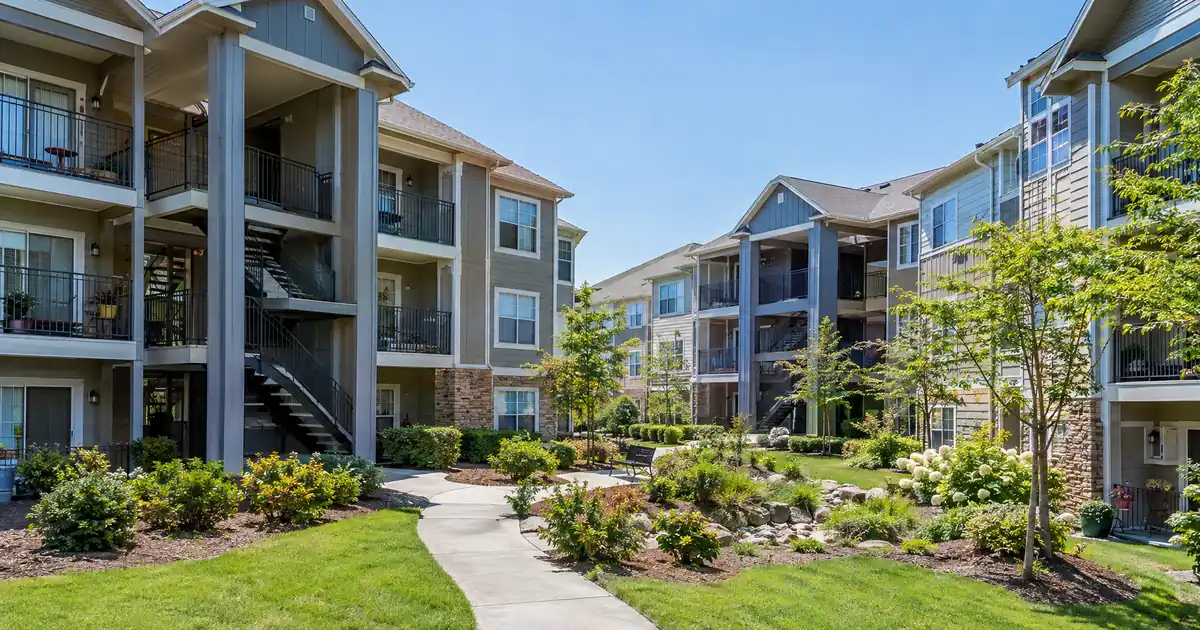
The Quick Read: Usually not through a one-to-four unit hard money program, but often yes through a multifamily bridge lender, since short-term, asset-based capital exists for partly empty buildings and the vacancies make the deal a true bridge candidate rather than a disqualified one. The test that matters most is whether you can fill the building and refinance before the loan matures.
- Hard money lenders underwrite the property, the plan, and the exit. Current rent is not the main input.
- Ten units is multifamily territory, and Lendmire’s hard money program covers one-to-four unit non-owner-occupied properties, so this building sits outside it.
- Vacancy caused by physical condition is a classic bridge deal. Vacancy caused by weak rents or a weak market is a much harder sell.
- A rent-based DSCR loan usually can’t fund a half-empty building at the start, but it often becomes the long-term exit once the building is leased.
- Program terms vary by lender, property, and experience, and nothing here is a commitment to lend.
Where Lendmire’s Hard Money Stops and Ten-Unit Bridge Lending Starts
Lendmire’s hard money programs are built for non-owner-occupied residential property of one to four units, with ground-up construction allowed up to ten units. A ten-unit existing building with vacancies is a different product. Short-term bridge lending on five-plus unit buildings exists in the market, but it is its own lane with its own lenders.
What this loan actually costs to carry.
Hard money is sized against the project and priced by time. Enter the deal and see how much the program will lend, the cash required at closing, the carry while you hold it, and what is left at the exit.
Leverage tiers on the current program: 85% with fewer than 2, 90% with 2 or more, 93% with 5 or more completed projects — every tier capped at 75% of after-repair value. Loan amounts up to $5,000,000, larger by exception; terms of 6 to 18 months, interest-only, no prepayment penalty. The rehab portion funds in draws against completed work, not at closing.
Program parameters shown update from Lendmire’s centralized guideline source. Rate, points, and months are editable assumptions, not quoted terms.
Cost cap sets the loan · positive spread
Illustrative estimate only — not a quote, Loan Estimate, approval, or commitment to lend. Rate, points, and months are editable assumptions. Hard money is business-purpose financing for real estate investors, not a consumer mortgage. Leverage on the current program tops out at 93% of project cost for investors with a documented track record, capped at 75% of after-repair value, with rehab funding up to 100% of the documented budget released in draws; actual terms vary by lender, borrower experience, property, and exit. Lendmire is a mortgage broker, not a lender.
The line sits at five units. At one to four units, underwriting looks like residential lending: the lender studies the property, the borrower’s experience, and the plan. At five or more units, the building is treated as a commercial asset. Lenders care about net operating income, which is the rent the building actually collects minus what it costs to run.
Here is how the two lanes compare:
| Factor | 1–4 unit hard money | Ten-unit bridge lending |
|---|---|---|
| Collateral | Non-owner-occupied residential | Multifamily, five-plus units |
| Term | 6–18 months, interest-only | Often longer, built for repositioning |
| Prepayment penalty | None on Lendmire’s program | Varies by lender |
| Key inputs | Property, plan, exit | Rent roll, operating history, plan, exit |
| Who it fits | Flips, small rentals, bridges | Partly empty or under-managed buildings |
The terms shown for the one-to-four unit program reflect how Lendmire’s program is set up. Terms for multifamily bridge loans vary by lender, property, and experience. For a deeper look at what the small-property program covers, see Lendmire’s complete guide for a hard money loan on 2-4 unit properties.
The honest takeaway: if you own or want to buy a ten-unit, you need a multifamily bridge lender. If you also own smaller rentals, the one-to-four unit program may still be useful for those deals.
Why Vacancies Don’t Kill the Deal
Vacancy is the reason bridge capital exists. A bank or a rent-based lender wants to see a building that already pays its own way. A bridge lender is willing to fund the stretch before that happens.
Picture a ten-unit where four units sit empty because they need new kitchens and flooring. A permanent lender can’t underwrite those four units, because they produce no rent to measure. A bridge lender can look at what the building is worth as it stands, what it should be worth once leased, and whether the plan to get there is believable.
That logic holds when the vacancy has a fixable cause. A building with dated interiors, deferred maintenance, or rents set far below the market gives a lender something to fix. A building that sits empty because renters don’t want to live there is different. The exit math fails, and most lenders can see it.
How to Get Hard Money on a Ten-Unit With Vacancies: What the Lender Underwrites
A bridge lender looks at three things: the asset, the plan, and the exit. Income from the building today matters less than it does for a permanent loan.
The asset. Lenders size a bridge loan on as-is value, on a stabilized value, or on project cost. They do not size on DSCR. Vacant units add no in-place rent, so value rests on the business plan. That means you need rent comps, a rehab scope, and a timeline to full occupancy.
The plan. Renovation money is usually held back at closing and released in draws as work is finished. Lease-up is the other half of the plan: signing leases, collecting deposits, and building a documented rent record.
The exit. This is the part many first-time buyers underweight. The bridge lender wants to know who will refinance them out and what that lender will need to see. A plan with no named take-out path is a weak file.
Lenders also look at who is asking. Sponsor liquidity and track record count heavily on a ten-unit, because more can go wrong than on a duplex. A borrower with other completed projects is a stronger candidate than a first-time buyer taking on a half-empty building.
How Much Vacancy Is Too Much?
There is no universal number. What a lender cares about is why the units are empty and how fast they can be filled.
| Situation | How a lender usually reads it |
|---|---|
| A few units empty, rent-ready | Normal turnover and lease-up. Often manageable. |
| Several units need rehab | Classic bridge deal if the scope and budget are realistic |
| Most of the building empty | Bridge only, with stronger liquidity and a clear plan |
| Empty because rents or location are weak | Hard to fund. The exit math fails. |
Some permanent multifamily programs cap how many units can be vacant at closing. Those caps differ by lender and program, so a ten-unit with several empty units could fall outside one program and fit another. That is one reason to talk to a broker who sees many lenders before you commit to a purchase contract.
A useful way to think about it is physical versus economic vacancy. Physical vacancy means a unit is empty. Economic vacancy means a unit is occupied but not paying, or paying far below market. Lenders look at both, and a building with high economic vacancy can look worse than its occupancy count suggests.
Who Pays While the Units Sit Empty
You do, in cash. A bridge loan is interest-only, so the loan itself doesn’t pay down. Empty units add no rent to cover insurance, utilities, taxes, or maintenance, and that money comes out of your reserves.
Insurance deserves a close look. Commercial property policies often limit coverage once a building counts as vacant. The IRMI definition of a vacancy provision notes that these clauses typically restrict coverage after a stated number of consecutive days, commonly 60. IRMI’s commentary on vacancy and commercial property coverage adds that standard wording treats a building as vacant when 90% or more of its square footage is unrented or unused. It also describes an endorsement that can lower the minimum percentage that must be rented.
So a mostly empty ten-unit can trip a vacancy clause, while a building with a few empty units generally won’t. Ask the insurance carrier before closing. A vacant-building policy may be needed, and forms differ between carriers.
Extensions cost money too. If lease-up runs past the original term, many short-term lenders charge for an extension, so build room into the timeline.
What a Lender Will Ask to See
Expect a file built around the plan, not just the borrower. A typical package includes:
- A current rent roll showing every unit, its status, and its rent.
- Copies of existing leases.
- A trailing operating statement, if the building has been operating.
- A rehab budget and scope of work, with a contingency.
- A lease-up timeline that doesn’t assume instant rentals.
- Rent comps for the units you plan to fill.
- Proof of liquidity after closing.
- A named take-out plan.
Several things weaken a file fast. Rent projections borrowed from better buildings are one. Another is a lease-up timeline with no slack, and a third is thin cash after closing. Skipping the rehab contingency is the fourth, and having no idea who the permanent lender will be is the fifth.
One pattern shows up often across multifamily files. Borrowers show a strong purchase price and a weak operating plan. Lenders flip that: they will take a more modest price if the budget, the comps, and the exit are solid.
A Ten-Unit Walkthrough
These numbers are placeholders to show how the logic runs. They are not drawn from published industry norms, lender terms or market data.
Say you’re looking at a ten-unit with six units leased and four empty. That is 60% occupied. Two of the empty units are rent-ready, and two need a light renovation. The leased units are at rents slightly below nearby comps.
A bridge lender would likely run three views:
1. As-is value. What the building is worth with four units empty.
2. Stabilized value. What it should be worth with all ten leased at market rents.
3. Cost basis. What you paid plus the renovation budget.
The loan is sized from those views, and the lender holds back renovation funds for draws. Your job is to lease the four units, document the rents, and keep the rest of the building clean on paper.
Now compare a second building. Same ten units, but six are empty and the surrounding market shows soft rents. The lender can’t point to a clear reason the units would fill at the rents you assume. That file usually stalls, because the plan relies on an optimistic rent assumption rather than a fixable problem.
The difference between the two is not the vacancy count. It is whether the story behind the vacancy is believable.
The Exit: What the Next Lender Needs
Your exit decides whether the bridge was a good idea. The permanent lender uses its own appraisal and the rent it can document. Your projected after-repair value does not set the number.
At five-plus units, a permanent lender wants net operating income measured against total debt service. NOI subtracts vacancy, management, maintenance, replacement reserves, and common-area costs from gross rent. Expect trailing operating statements, a rent roll, and a sample of leases. Many lenders also want a stretch of leased history first, so a building that just finished lease-up may need time on the books.
Many investors refinance out of a bridge into long-term DSCR financing once the property is stabilized, and Lendmire brokers that path. DSCR qualifies primarily on property-level rental income covering the payment, subject to lender guidelines. Clearing a 1.00 ratio is not the same as positive cash flow, because repairs, vacancy, management, and capital expenses sit outside the calculation. For the program basics, Lendmire’s complete DSCR loans guide walks through how the ratio works and where the leverage tiers sit.
If your building is a smaller rental, the same exit logic applies.
The risk to respect is the two-loan problem. The bridge lender is usually not the permanent lender, so if lease-up runs long and the building isn’t ready, you can end up with a maturing loan and no take-out.
When Hard Money Is the Wrong Tool
Skip a bridge if the building could already qualify for permanent financing. The short term and extra costs aren’t worth paying when a long-term loan fits.
Skip it, too, if the numbers only work with perfect execution. A plan that needs every unit leased on schedule at top-of-market rents is fragile.
Other routes can fit better:
- A bank or credit union. Depository lenders sometimes finance a partly leased building if you bring strong liquidity and a banking relationship. They tend to want higher occupancy.
- Seller financing. A motivated seller may carry part of the price while you stabilize.
- Waiting. Sometimes the best move is to buy a stabilized building at a higher price and skip the lease-up risk.
- A smaller property. If your experience is thin, a one-to-four unit deal can fit Lendmire’s hard money program and build the track record that bigger lenders want.
DSCR loans are designed for non-owner-occupied investment properties. Because they are business-purpose investor loans, they are reviewed differently from a standard owner-occupied mortgage.
Key Terms Defined
Hard money loan: A short-term, asset-based loan that funds a property based on its value and the plan for it, usually with interest-only payments.
Bridge loan: Short-term financing that carries a property until it qualifies for long-term debt. It is usually longer than a flip loan and built for repositioning.
Rent roll: A unit-by-unit list of tenants, lease terms, rents, and vacancies.
Net operating income (NOI): Rent collected minus operating expenses, before the loan payment.
Stabilization: The point where a building is leased and operating steadily enough for permanent financing.
Lease-up: The stretch of time spent signing leases to fill empty units.
Take-out loan: The permanent loan that pays off the bridge.
Frequently Asked Questions
Can Lendmire’s hard money fund a ten-unit building?
No. Lendmire’s hard money program is built for non-owner-occupied residential property of one to four units, with ground-up construction allowed up to ten units. An existing ten-unit apartment building with vacancies sits outside that scope. The building would need a multifamily bridge lender, and a broker with a wide lender network can help you compare options.
How many empty units can a ten-unit have and still get bridge financing?
It depends on the lender, the reason for the vacancy, and your plan. A few rent-ready empty units are easy to explain. Several units that need rehab are common bridge territory. A mostly empty building can still work, but it calls for stronger liquidity and a believable lease-up. Caps and terms vary by lender, property, and experience.
Can I use a DSCR loan on a half-empty ten-unit?
Usually not at the start. A DSCR loan needs rent to measure, and at five-plus units lenders generally want occupancy and operating history first. A bridge carries the building through lease-up, and DSCR financing can become the exit once rents are documented. Qualification is subject to lender guidelines.
Will my insurance cover the empty units?
Not always. Commercial policies often include a vacancy provision that limits coverage after a stated number of days, and a mostly empty building can trigger it. Ask your carrier before closing whether a vacant-building policy or an endorsement is needed.
What do I do if lease-up takes longer than the bridge term?
Plan for that before you close. Extensions usually cost money, and a late take-out puts the loan at risk. Build slack into the timeline, keep cash in reserve, and line up the permanent lender early.
Next Step
If you are buying, rehabbing or refinancing an investment property on a short timeline and want to see how the numbers work, Lendmire can help you compare hard money options based on the project, the exit plan, leverage, and your goals. You can reach the team at 828-256-2183 or request a quote through Lendmire’s mortgage quote page.
About Lendmire
Lendmire (NMLS# 2371349) is a mortgage broker that arranges investor financing through select lenders in its wholesale network, across 41 markets including Washington, D.C. Lendmire does not lend directly, and program terms are set and approved by the lenders. Scotsman Guide named Lendmire a Top Mortgage Workplace in both 2025 and 2026.
Get Started
Ready to find the right loan for you?
In about 30 seconds you can review financing options available for your investment property. No commitment required.
Informational only. Not a Loan Estimate, approval, or commitment to lend. Program availability and eligibility are subject to lender guidelines, credit approval, property review, and underwriting.
References
2. IRMI — Vacancy: What Does It Mean for Commercial Property Coverage?
This article is part of Lendmire’s hard money loan program — full qualification details, guidelines, and scenarios live on the program page.
Related reading: DSCR Cash-Out Now vs Waiting for Hard Money and Rehab Card Payoff · How to Document Private Loan Money on Your First DSCR Rental Loan · How to Handle a Low Appraisal on a 2-4 Unit DSCR Rental Purchase
Brandon Miller
Founder & CEO, Mortgage Loan Originator, Lendmire LLC
- Mortgage Loan Originator · NMLS# 1129696 · Verify on NMLS Consumer Access
- North Carolina Real Estate Broker · License# 343312 · Verify on NCREC
- North Carolina Insurance Producer · License# 19053198 · Property, Casualty, Life, Health · Verify on NAIC SBS
- Lendmire LLC · Firm NMLS# 2371349 · Verify firm licensure
Disclosure information. Lendmire is a state-licensed mortgage brokerage under NMLS# 2371349. Lendmire is not a depository institution, direct lender, or financial advisor — all loans referenced are placed through wholesale lender partners and are subject to each lender's underwriting standards. This article is provided for general informational purposes and is not a commitment to lend, nor does it constitute financial, legal, or tax advice. Loan programs, terms, rates, and qualification standards change without notice and depend on borrower profile, property type, and the state in which the subject property is located. Equal Housing Opportunity provider. NMLS Consumer Access: nmlsconsumeraccess.org.