
The Quick Read: Mostly the deal: a hard money lender approves the loan mainly on the property, the project plan, and how you will repay, not on your income or a spotless credit score, though your credit is still pulled and still shapes leverage, reserves, and file conditions.
- The property and the exit plan carry the most weight.
- Credit shows up in how much the lender will advance and what conditions attach, more often than in a flat decline.
- Experience moves leverage more than almost any other borrower factor.
- A strong deal can offset thin credit. A weak deal rarely survives on great credit.
- Programs differ. Everything below varies by lender, property, and experience.
What “Approved on the Deal” Actually Means
Approved on the deal means the lender asks whether the property protects the loan before it asks whether you are a good credit risk. If the borrower stumbles, can the lender be repaid from the property? That question comes first.
What this loan actually costs to carry.
Hard money is sized against the project and priced by time. Enter the deal and see how much the program will lend, the cash required at closing, the carry while you hold it, and what is left at the exit.
Leverage tiers on the current program: 85% with fewer than 2, 90% with 2 or more, 93% with 5 or more completed projects — every tier capped at 75% of after-repair value. Loan amounts up to $5,000,000, larger by exception; terms of 6 to 18 months, interest-only, no prepayment penalty. The rehab portion funds in draws against completed work, not at closing.
Program parameters shown update from Lendmire’s centralized guideline source. Rate, points, and months are editable assumptions, not quoted terms.
Cost cap sets the loan · positive spread
Illustrative estimate only — not a quote, Loan Estimate, approval, or commitment to lend. Rate, points, and months are editable assumptions. Hard money is business-purpose financing for real estate investors, not a consumer mortgage. Leverage on the current program tops out at 93% of project cost for investors with a documented track record, capped at 75% of after-repair value, with rehab funding up to 100% of the documented budget released in draws; actual terms vary by lender, borrower experience, property, and exit. Lendmire is a mortgage broker, not a lender.
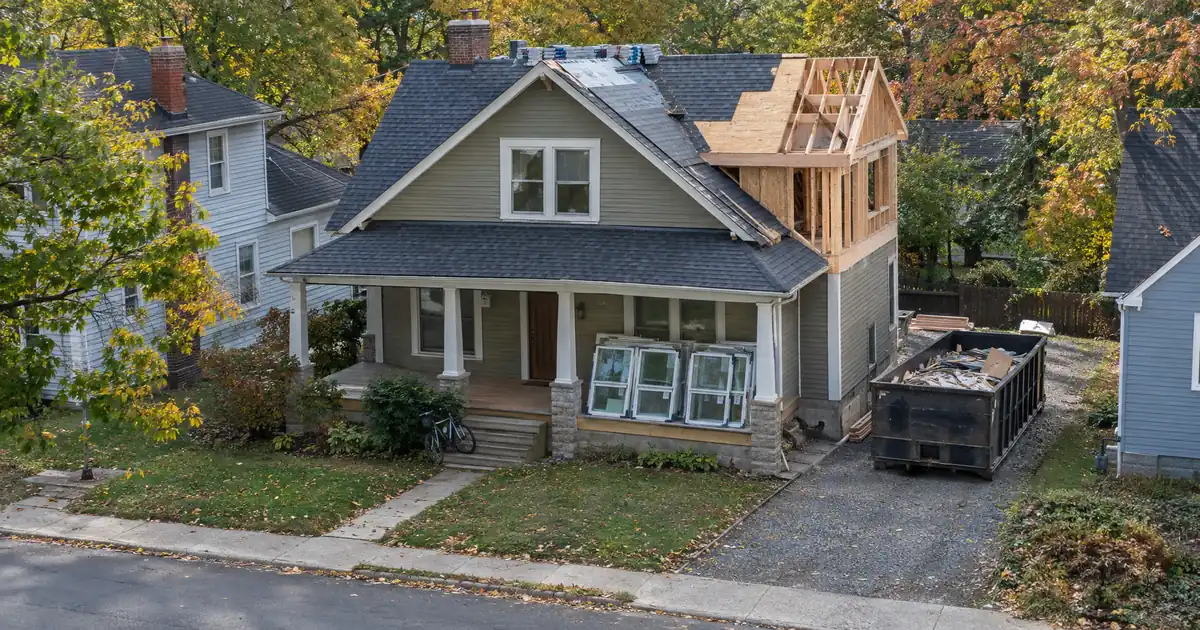
Picture an investor with a purchase contract on a worn-out duplex. The lender looks at the price, the repair budget, what the property should be worth when finished, and how the investor will pay the loan off. Income and traditional personal-income documentation barely come up.
Banks flip that order. A bank wants to know if you can make payments out of your paycheck. A hard money lender wants to know if the collateral covers the loan. That is why the loans exist: they handle files a bank cannot, such as a property in rough shape or a borrower whose income is hard to document.
Credit still gets pulled. It just is not the gate.
Key Terms Defined
- After-repair value (ARV): what the property should be worth once the planned work is finished.
- Loan-to-cost: the loan as a percentage of what the project costs, meaning purchase price plus rehab budget.
- Asset-based underwriting: approving a loan mainly on the value and quality of the collateral.
- Personal guarantee: your signed promise to repay if the borrowing entity cannot.
- Draw: a release of rehab funds after a portion of the work is finished.
- Exit strategy: the plan for repaying the loan, usually a sale or a refinance.
What Does the Lender Check on the Deal?
The lender checks five things: value, margin, budget, exit, and title. Each one answers the same question: if this goes sideways, does the property still repay the loan?
| Factor | What the lender asks | What weakens it |
|---|---|---|
| Value | What is it worth as-is and after repairs? | Thin comps, unusual property |
| Margin | Is there room between cost and ARV? | Paying near finished value |
| Budget | Is the scope realistic and itemized? | Vague or low contractor bids |
| Exit | How does the loan get repaid? | No sale or refinance plan |
| Title | Is ownership clean? | Liens, disputes, defects |
The strongest files show a real cushion. Across the lenders in the network, a deal that only works if every assumption lands perfectly gets a harder look than one that works with conservative numbers.
Where Your Credit Still Shows Up
Credit lands in four places: eligibility, leverage, pricing, and conditions. It rarely acts as the single deciding factor, but it is never absent.
Eligibility. The program Lendmire arranges through its network sets a 620 minimum score, with added conditions below 660. Those conditions can mean lower leverage or extra reserves. Underwriting stays asset-based, so the score does not make the decision alone. Still, 620 is a floor, not a suggestion.
Leverage. Fix-and-flip loans are sized on project cost and capped by after-repair value. Typical tiers run 85% of project cost with fewer than two completed projects, 90% at two or more, and 93% at five or more. Every tier is capped at 75% of ARV. Bridge purchases without rehab go up to 80% of the purchase price, and refinances up to 65% of value. Rehab money can fund up to 100% of the rehab budget in draws against completed work. That is a rehab-budget figure, not a purchase loan-to-value.
Pricing. Stronger credit and a longer track record tend to improve terms. Weaker files pay for the added risk. That is the usual landing spot for a middling score.
Conditions. Reserves, a personal financial statement, entity documents, and a personal guarantee are common asks. Lenders also pull credit on the principals behind an LLC, subject to lender program eligibility.
(One reader-friendly rule of thumb: the lower the score, the more the lender wants to see cash in the bank and equity in the deal.)
Deal-Based vs. Credit-Based Underwriting
| Factor | Hard money | Bank mortgage |
|---|---|---|
| Main question | Does the property repay the loan? | Can the borrower repay? |
| Income review | Light or limited | Full documentation |
| Credit role | Pricing, leverage, conditions | Core approval driver |
| Property role | Central | Supporting |
| Typical term | 6-18 months, interest-only | Long-term amortizing |
Notice the term. Hard money is a bridge, not a place to live. Terms run 6-18 months, interest-only, with no prepayment penalty on the current program. Nobody should plan to hold there.
One note on why credit is not a legal requirement. These are business-purpose investor loans, so they are reviewed differently from a standard owner-occupied mortgage. The Federal Register text of the federal ability-to-repay rule states that business-purpose and investment-purpose loans fall outside it. Purpose still matters, though. Compliance Alliance explains that the test looks at what the loan proceeds are used for, not only the property type, so owner-occupied homes are not hard money territory. The lender chooses what to weigh. Nothing forces it to underwrite your paycheck, and nothing forbids it from weighing your credit.
Two Files, Side by Side
These are illustrative scenarios, not real borrowers. Both use percentages only.
File one: strong deal, bruised credit. An investor with a score in the low 600s and one prior project buys a distressed 3-unit. Total project cost, purchase plus rehab, comes to 70% of ARV. At the 85% loan-to-cost tier, the loan lands near 60% of ARV, well under the 75% cap. The lender sees a wide margin and a clear refinance exit. Expect added conditions below 660, such as extra reserves, but the property carries the file.
File two: strong credit, weak deal. An investor with excellent credit and five completed projects finds a flip where total cost runs 88% of ARV. The 93% loan-to-cost tier would push the loan past the 75% ARV cap. The cap trims the loan back, so the investor funds the gap in cash. The lender also sees almost no margin for a cost overrun or a soft sale. Credit does not fix that.
The first investor gets a workable structure. The second may get a decline or a much smaller loan. Great credit buys you a seat at the table, not a good deal.
Why Does a Good Property Still Get Declined?
A valuable property can still fail on any of these:
- A weak exit. No believable sale or refinance plan.
- Thin margin. Cost sits too close to finished value.
- An unrealistic budget. Scope and bids do not match.
- Title problems. Liens or ownership disputes.
- Property limits. Hard money here covers non-owner-occupied residential property, 1-4 units, with ground-up construction up to 10 units. Commercial, industrial, land or lots, hospitality, and owner-occupied property are not on the sheet.
- Weak execution signals. First-time investors qualify at the lower leverage tiers, but a thin record paired with an ambitious scope draws questions.
Strong collateral can offset weak credit and thin experience. A deal bought at a deep discount to finished value can persuade a lender to look past a short track record. A co-borrower with a stronger profile can also fill gaps. None of this is guaranteed, and every file is underwritten individually.
How Approval Works, Step by Step
1. Submit the deal. Send the purchase contract, scope of work, and budget.
2. Value check. The lender reviews as-is value and ARV.
3. Size the loan. Leverage is set from project cost, ARV, and your experience tier.
4. Review the exit. The lender wants a clear repayment plan.
5. Borrower check. Credit pull, track record, entity documents, and a personal financial statement.
6. Term sheet. Read the term, leverage, reserves, and draw schedule before accepting.
7. Draws. Rehab funds release as completed work is verified.
Loans go up to $5,000,000, with larger amounts by exception. Smaller balances vary by lender.
What to have ready:
| Item | Why the lender wants it |
|---|---|
| Purchase contract | Proves price and terms |
| Scope and budget | Tests the rehab plan |
| Entity documents | Confirms who is borrowing |
| Financial statement | Shows liquidity |
| Experience summary | Shows you can execute |
| Exit plan | Shows how repayment happens |
Who Does This Fit?
It fits investors with a defined project and a clear way out. It fits experienced flippers who want higher leverage, and newer investors who can accept lower tiers. It fits borrowers whose paperwork would stall a bank loan.
It does not fit a long-term hold. The structure is built to be temporary. Many investors refinance out of hard money into long-term rental financing once the property is stabilized, and Lendmire arranges that path too. At that stage the property’s rent is measured against its full payment, and your credit counts again. Lendmire’s complete DSCR loans guide explains how that works. Clearing that test is not the same as positive cash flow, since repairs, vacancy, and management sit outside it.
Tax treatment varies; consult a qualified professional.
Self-Check Before You Apply
Run your own deal through these questions first.
- Does the finished value leave real room above total cost?
- Would the deal still work if the budget ran over or the sale took longer?
- Can you name the exit, and does it hold up on conservative numbers?
- Is your title clean and your entity set up?
- Is your score at 620 or above, and do you know what changes below 660?
- Do you have reserves, and an honest count of completed projects?
Four or more yeses means the file is worth submitting. Fewer than that, fix the weak spots before a lender finds them.
Frequently Asked Questions
Does a hard money lender check credit?
Yes. Credit is pulled, and it usually affects leverage, conditions, and pricing instead of triggering an automatic decline. The program here uses a 620 minimum with added conditions below 660. Lenders also pull credit on members behind an entity. Underwriting stays asset-based.
Can I get approved with bad credit?
It depends on how far below the floor you are. Below 620, this program is generally out of reach. Between 620 and 660, added conditions apply, such as lower leverage or more reserves. A strong deal helps, but approval is never guaranteed and varies by lender, property, and experience.
Can I get approved with no experience?
Often, yes, at the lower leverage tiers. First-time investors typically sit at the 85% of project cost level, always capped at 75% of ARV. A strong margin, a realistic budget, and a clear exit help offset the thin record.
Do I need income documents?
Generally not in the way a bank asks for them. The lender focuses on the property and the plan. You should still expect to provide a purchase contract, scope and budget, entity documents, and a financial statement.
What if the property appraises low?
The loan shrinks, because sizing follows value. Cost-based leverage is capped by ARV, so a lower appraised value cuts the loan and raises the cash you bring. Run the numbers on conservative value before you commit.
If You Are Buying, Rehabbing, or Refinancing
If you are buying, rehabbing, or refinancing an investment property and want to see how the numbers work, Lendmire can help you compare hard money options based on the project, the exit plan, leverage, and your goals. As a mortgage broker, it arranges financing through select lenders in its wholesale network across 41 markets, including Washington, D.C. You can reach the team at 828-256-2183 or request a quote through the quote page. Nothing here is a commitment to lend.
The investors who get the best outcomes treat the credit pull as a pricing input and the deal as the real application.
About Lendmire
Lendmire (NMLS# 2371349) is a DSCR-focused mortgage broker that helps arrange investor financing across 41 markets, including Washington, D.C., through wholesale and investor-lending channels. DSCR eligibility is generally reviewed by the lender around the property’s rental income rather than personal income documentation, subject to lender guidelines, which works for self-employed investors, LLC operators, and portfolios above four financed properties. Scotsman Guide named Lendmire a Top Mortgage Workplace in both 2025 and 2026.
Get Started
Ready to find the right loan for you?
In about 30 seconds you can review financing options available for your investment property. No commitment required.
Informational only. Not a Loan Estimate, approval, or commitment to lend. Program availability and eligibility are subject to lender guidelines, credit approval, property review, and underwriting.
References
1. Federal Register – CFPB Ability-to-Repay/QM Final Rule
2. Compliance Alliance – Regulation Z and Investment Properties
This article is part of Lendmire’s hard money loan program — full qualification details, guidelines, and scenarios live on the program page.
Related reading: How to Refinance Out of Hard Money When Your Credit Score Blocks DSCR · Hard Money Maximum Loan Amount Requirements for a Flip · How ADU Builders Draw Funds on a Hard Money Construction Loan
Brandon Miller
Founder & CEO, Mortgage Loan Originator, Lendmire LLC
- Mortgage Loan Originator · NMLS# 1129696 · Verify on NMLS Consumer Access
- North Carolina Real Estate Broker · License# 343312 · Verify on NCREC
- North Carolina Insurance Producer · License# 19053198 · Property, Casualty, Life, Health · Verify on NAIC SBS
- Lendmire LLC · Firm NMLS# 2371349 · Verify firm licensure
Disclosure information. Lendmire is a state-licensed mortgage brokerage under NMLS# 2371349. Lendmire is not a depository institution, direct lender, or financial advisor — all loans referenced are placed through wholesale lender partners and are subject to each lender's underwriting standards. This article is provided for general informational purposes and is not a commitment to lend, nor does it constitute financial, legal, or tax advice. Loan programs, terms, rates, and qualification standards change without notice and depend on borrower profile, property type, and the state in which the subject property is located. Equal Housing Opportunity provider. NMLS Consumer Access: nmlsconsumeraccess.org.