
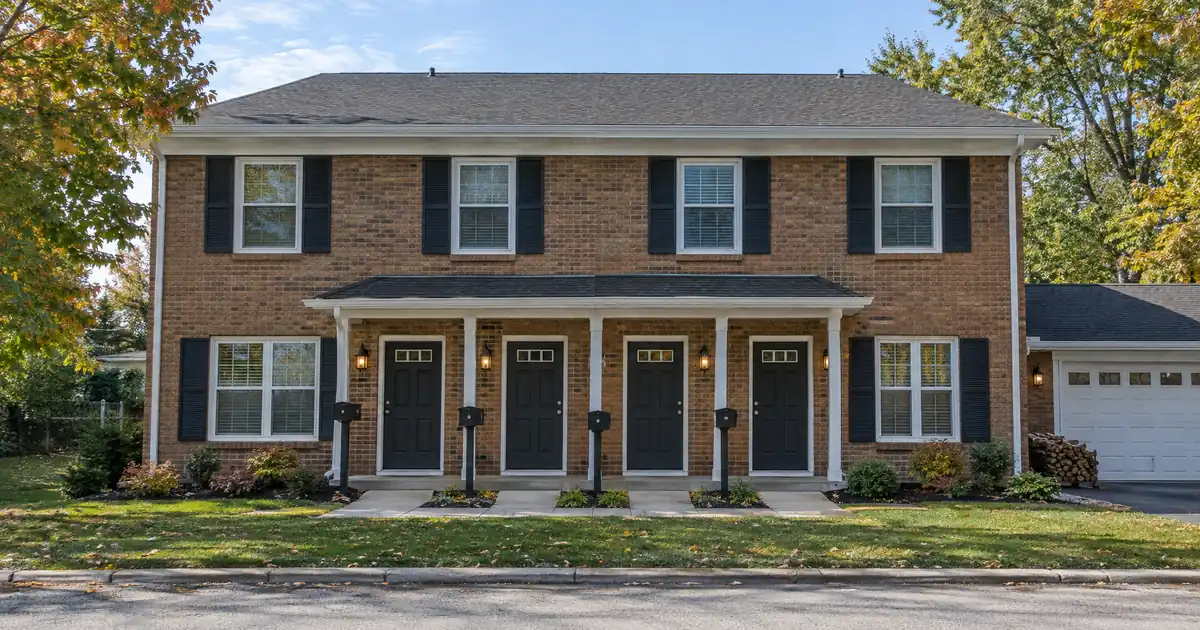
The Quick Read: A line on a 2-4 unit you live in is a primary-residence line that can reach up to 90% combined loan-to-value at a 720 or better credit profile, while the same building rented out entirely becomes an investment line capped at 70% combined loan-to-value with a 700 credit minimum, subject to lender guidelines.
- Both lines are underwritten on the borrower’s credit, debt-to-income and combined leverage, not on the building’s rent.
- Investment lines run from $25,000 to $500,000. Primary-residence lines run up to $750,000, and anything above $500,000 needs a full appraisal and caps at 75% combined leverage.
- Title has to sit with an individual or a revocable living trust on both. An LLC cannot hold it.
- Moving out changes the lane. The leverage you could reach while living there does not follow you.
Here is the honest answer. The owner-occupant who lives in one unit and wants the most leverage and the largest line should look at the primary-residence version, as long as the occupancy is real. The investor who rents every unit gets a narrower product with a smaller lender pool, a lower leverage ceiling and a higher credit floor. That investor should also ask whether a rent-based cash-out loan fits better than a personal-credit line. Lendmire arranges DSCR investor loans across 41 markets, including Washington, D.C., but home equity lines through its wholesale partners are narrower, available in 16 full-service states. Every figure below is subject to lender guidelines and full file review.
How large a line the equity supports.
An equity line is sized by combined loan-to-value, occupancy, and credit — not by rental coverage. Switch the occupancy or the credit band and the ceiling moves with it.
Investment-property lines require a 700 minimum credit score; second-home lines start at a 640 minimum and primary-residence lines at 600, and the combined-LTV ceiling steps down as the credit band drops on primary-residence and second-home lines and holds on investment-property lines; the line cap steps down on primary-residence lines and holds at every tier on investment-property and second-home lines.
A debt-to-income ratio above 45% requires 680+ credit. Profiles under 640 are limited to single-family homes. At least 75% of the approved line is drawn at closing. Ceilings, floors, and caps update from Lendmire’s centralized guideline source.
Line estimate
Illustrative estimate only — not a quote, Loan Estimate, approval, or commitment to lend. The rate is an editable assumption; equity-line pricing is variable through both the draw and repayment periods and never converts to fixed. Occupancy and credit drive the ceiling together: an investment property tops out at 70% combined LTV (minimum credit 700, line cap $500,000); a second home tops out at 90% combined LTV (minimum credit 640, line cap $500,000), with the ceiling stepping down as the credit band drops (the cap holds at every tier); a primary residence tops out at 90% combined LTV (minimum credit 600), and its $750,000 maximum line is available only at 75% combined LTV or below with a 700-or-better credit profile (720 on the longer-runway program) and a full appraisal. Lines above $500,000 require a full appraisal. Credit, debt-to-income, property type, and full underwriting review all affect the final line.
Side-by-Side
The two lanes share the same property type and the same underwriting logic. They differ on leverage, credit floor, line size and draw structure. The table shows where the same building lands in each lane, using ranges from select wholesale-network programs.
| Factor | Live in one unit | Rent every unit |
|---|---|---|
| Lender treats it as | Primary residence | Investment property |
| Review basis | Borrower credit, DTI, CLTV | Same, with tighter limits |
| Max CLTV | Up to 90% (720+ only) | 70% |
| Credit minimum | 600 floor; 2-4 units may need 640 | 700, no tier below |
| Line size | $25,000 to $750,000 | $25,000 to $500,000 |
| Draw structure | 3-year/17-year or 5-year/25-year | 5-year/25-year only |
| Valuation | Automated to $500,000; full appraisal above | Automated lane; full appraisal rarely applies |
| Title and vesting | Individual or revocable trust | Individual or revocable trust; no LLC |
| Reserves | Vary by program and file | Vary by program and file |
Two notes on the table. The 640 minimum for 2-4 units applies on the wholesale program with the longer draw (a 5-year interest-only draw, then a 25-year repayment), so call it the longer-draw program. And 90% exists only at 720 and above. Below 720 on a primary residence, lower tiers apply.
When the Primary-Residence Line Is the Better Fit
This lane suits the house hacker who really lives in one unit of a duplex, triplex or fourplex and wants the highest leverage and largest line available. It is the only lane that reaches 90% combined leverage, and it is the only lane that reaches a line above $500,000.
The leverage tiers depend on credit. The top tier needs a 720 profile. The line above $500,000 needs 700 or better (720 on the longer-draw program), caps at 75% combined leverage, and requires a full appraisal. Lines at or below $500,000 usually run on an automated valuation, though a higher combined leverage may call for a secondary valuation, and a borrower can ask for a full appraisal in any case.
The file is built on the borrower. The maximum debt-to-income ratio is 50%. It drops to 45% for credit profiles from 600 to 679, and anything above 45% needs a 680 minimum. The lender qualifies the file on the interest-only payment calculated on the maximum draw, not on what you plan to draw. That is a stricter test than most borrowers expect.
Two sides of the lane deserve a hard look.
First, lender appetite. Some depository lenders limit equity lines to single-family homes, so a 2-4 unit owner-occupant may find fewer doors open. A broker placing files across several wholesale lenders can look for the ones that accept 2-4 units. Eligible property types also include PUDs, townhomes and condominiums, including non-warrantable ones. Manufactured homes, co-ops, condotels, log homes, mixed-use and agricultural-zoned properties are not eligible.
Second, the line can shrink. The CFPB’s HELOC booklet says lenders generally may freeze or reduce a credit line if the home’s value falls or the borrower’s financial situation worsens. A line sized at a high leverage tier on a building you live in is also the line most exposed to a value decline.
On occupancy: the lender expects to verify that you live in the building. Misrepresenting occupancy to obtain a higher-leverage tier carries serious legal risk. If plans to move out are already set at application, the investment tier is the honest lane.
When the Rental Line Is the Better Fit
The rental lane fits the investor who owns the building as a pure rental, or who has moved out of it, and wants to pull equity without refinancing the first mortgage. The ceiling is 70% combined leverage, the credit floor is 700, and the line tops out at $500,000. The 700 floor is hard, with no tier beneath it. A 720 score does not raise the ceiling on an investment line. It just leaves the file with more credit cushion.
The structure is narrower too. Investment lines run only the 5-year interest-only draw with a 25-year repayment. At least 75% of the line is drawn at closing, and the line stays variable through both the draw and the repayment period. A borrower who wants a small standby line should know that going in.
Valuation is simpler. Because an investment line caps at $500,000 and full appraisals begin only above $500,000, the investment lane sits in the automated-valuation lane and commonly closes with no traditional appraisal. The catch is that an automated valuation will not capture a rehab that just finished.
The market pattern matches this. NerdWallet’s explainer on investment-property HELOCs says borrowers face a smaller pool of lenders and borrow less than they could against a primary home, because lenders see higher default risk on rentals. NerdWallet also notes that projected rental income can enter the file as income. Whether and how a given lender counts rent varies. What does not vary is the basis of the review: the borrower’s credit, equity and debt load, with the building’s rent as supporting detail at most.
A rental line also stays inside portfolio limits. A borrower is limited to three lines, with combined exposure capped at $2,000,000 on the higher-leverage wholesale program and $750,000 on the longer-draw program. A borrower with more than 15 financed properties is not eligible. Investors who stack financed rentals hit that wall before they hit the leverage ceiling.
One Building, Two Lanes
Take one building and hold everything else equal: the same value, the same first mortgage, the same borrower. Combined leverage is the first mortgage balance plus the line, divided by the property’s value. That one calculation is run against a different ceiling in each lane.
On the investment side the ceiling is 70%. An owner whose first mortgage already sits near that level has almost no room for a line. Even a first mortgage at a modest share of value leaves a thinner cushion than the primary lane would.
On the primary side the ceiling can reach 90%, but only at 720 or better. A borrower at 700 to 719 does not get the top tier. Run it at 700 and the primary lane can still beat the investment lane. Run it at 640 and the investment lane is closed altogether, because 700 is the floor there.
This is why the move-out decision matters. The leverage gap between the lanes is large, and it opens the day the building stops being your residence. Lenders treat the lanes as different products, and the product is chosen by how the building is actually used, not by what the money is for. A line on your own home used to buy a rental is still a primary-residence line. A line on the rental is an investment line even if the money goes to personal use.
How Occupancy Is Classified
Occupancy also drives how the credit is classified. The CFPB’s commentary on Regulation Z treats credit to acquire, improve or maintain non-owner-occupied rental property as business-purpose credit regardless of unit count. It counts a property as owner-occupied if the owner expects to occupy it for more than 14 days in the coming year. An owner-occupied duplex is therefore not automatically business-purpose credit. Which side of the line a specific file falls on is the lender’s call, not a general rule.
For investors, the practical point is simple. A building you live in is a consumer-style credit file. A building you rent entirely is a business-purpose file with different leverage limits and a different lender pool.
When a DSCR Cash-Out Beats Both
Neither line works for every investor. The personal-credit test, the exposure caps and the vesting rule leave gaps, and a rent-based loan fills several of them.
A DSCR cash-out refinance qualifies primarily on property-level rental income covering the payment, subject to lender guidelines. It is a one-time term loan that replaces the first mortgage, not a revolving line. It is built for non-owner-occupied investment property, so it fits the fully rented lane, not the building you live in. LLC-titled borrowers can use it, subject to lender program eligibility. That alone matters for investors who hold rentals in entities, because an LLC cannot hold title on a home equity line.
Typical ranges across the wholesale network: cash-out on standard rentals tops out around 75% LTV, with about 6 months of seasoning expected on a recent purchase. Loan sizes run up to $3,000,000 on standard programs (smaller balances available through select lenders). Most programs want a credit score around 660, a 620 floor exists in parts of the network, and 700 and above opens the strongest leverage tiers. Coverage of 1.00 is where select programs start. A separate select-lender path takes coverage below 1.00, with leverage and terms adjusted. Clearing 1.00 does not mean the property cash flows, because repairs, vacancy, management and capex sit outside the calculation.
The trade-off is real. A cash-out replaces the first mortgage. If your existing first mortgage is a good one, a second-lien line leaves it alone, and that is the reason to stay with a HELOC. Lendmire’s complete DSCR loans guide covers the program in full. Tax treatment can depend on how the funds are used and how the property is held. Borrowers should keep clear records and speak with a qualified tax professional before relying on any deduction.
Key Terms Defined
Combined loan-to-value (CLTV): The first mortgage balance plus the new line, divided by the property’s value.
Occupancy lane: The product tier a lender assigns based on whether you live in the building or rent every unit.
Draw period: The stretch when you can borrow against the line, followed by a repayment period with no new draws.
DSCR: A ratio comparing a property’s rent to its full monthly obligation, used to qualify rent-based investor loans.
Vesting: The legal name on the title, which on these lines must be an individual or a revocable living trust.
Mistakes That Stall These Files
- Assuming rent qualifies the line. Rent can support the file, but the line is sized on the borrower’s credit, debt and equity.
- Deeding the building to an LLC first. A property already in an LLC needs a vesting change before a line, or a DSCR cash-out instead.
- Picking the lane by plans, not facts. The application has to match how the building is occupied today.
- Counting five units as residential. Five or more units is commercial and falls outside these lines.
- Skipping the freeze language. Read the plan terms on lender freezes, line reductions and renting the home before you open a line.
- Going in with a stale credit report. The report cannot be more than 90 days old at closing, and no rescores are allowed.
- Ignoring reserve expectations. They vary by program and file; Lendmire’s piece How a Rental HELOC Sizes Reserves on a 2–4 Unit Building walks through them.
Frequently Asked Questions
Can I get a HELOC on a duplex I live in?
Yes, on many files. The wholesale network accepts 2-4 units, and a primary-residence line on a duplex you occupy can reach up to 90% combined leverage at a 720 or better profile. Individual lenders vary, and some stop at single-family, so the placement matters. Lines through Lendmire are available in 16 full-service states.
Does rent from the other units help me qualify?
Sometimes it supports the file, but it does not size the line. These are borrower-qualified lines, reviewed on credit, debt-to-income and combined leverage, and the debt ratio is run on the interest-only payment at the maximum draw. How a particular lender counts rent from the other units varies. A DSCR loan is the product that qualifies primarily on the building’s rent.
Can my LLC hold the property and still get a line?
No. Title must be held by an individual borrower or a revocable living trust. LLCs, corporations, partnerships and irrevocable, blind or land trusts cannot hold title on these lines. A property already in an LLC needs a vesting change or a DSCR cash-out instead.
What happens if I move out after opening a line on my primary residence?
The line was opened on the premise that you live there, so renting the whole building can conflict with the plan terms. Lenders can also freeze or reduce a line when finances or values change, as the CFPB booklet above describes. Read the agreement before you move, and expect any new line on the rented building to fall in the investment lane.
Does a fourplex count as four properties?
It is generally counted as one building. The exposure limits that matter are the three-line cap, the combined-exposure caps and the 15-financed-property ceiling. Unit count inside the 2-4 range mostly changes lender appetite, not the program math.
The Balanced Verdict
If you live in the building, the primary-residence line is the stronger tool, with higher leverage, a bigger line and two draw structures, provided the occupancy is real and your credit clears the tier. If you rent every unit, the investment line works for an investor with a 700 or better profile who wants a modest line at up to 70% combined leverage and can hold title personally or in a revocable trust. If title sits in an LLC, the portfolio is large, or the rent matters more than your personal profile, a DSCR cash-out belongs in the comparison. If you are considering a home equity line and want to see how the numbers work, Lendmire can help you compare HELOC options based on the property, the equity available, credit profile, combined leverage, and your goals. Reach the team at 828-256-2183 or through the quote form.
For current guidelines and terms, see Lendmire’s investment-property HELOC programs page.
About Lendmire
As a mortgage broker (NMLS# 2371349), Lendmire helps homeowners and real estate investors in its 16 full-service states open home equity lines of credit arranged through wholesale lenders. Lendmire is never the lender; line amounts, ceilings and terms are set by the lender under its guidelines. Scotsman Guide named Lendmire a Top Mortgage Workplace in both 2025 and 2026.
Get Started
Ready to find the right loan for you?
In about 30 seconds you can review financing options available for your home or investment property. No commitment required.
Informational only. Not a Loan Estimate, approval, or commitment to lend. Program availability and eligibility are subject to lender guidelines, credit approval, property review, and underwriting.
References
2. NerdWallet, can you get a HELOC on an investment property
3. CFPB, Regulation Z commentary on §1026.3
This article is part of Lendmire’s investment property HELOC program — full qualification details, guidelines, and scenarios live on the program page.
Related reading: How to Read a DSCR Price Sheet on a 2-4 Unit Rental · DSCR vs Commercial Loan on a 10-Unit Building When Term and Ratio Decide · Can You Put a DSCR-Financed Rental in a Trust After Closing?
Brandon Miller
Founder & CEO, Mortgage Loan Originator, Lendmire LLC
- Mortgage Loan Originator · NMLS# 1129696 · Verify on NMLS Consumer Access
- North Carolina Real Estate Broker · License# 343312 · Verify on NCREC
- North Carolina Insurance Producer · License# 19053198 · Property, Casualty, Life, Health · Verify on NAIC SBS
- Lendmire LLC · Firm NMLS# 2371349 · Verify firm licensure
Important disclosures. Lendmire (NMLS# 2371349) is a licensed mortgage brokerage. Lendmire is not a direct lender, depository institution, or financial advisor. All loan inquiries are subject to lender underwriting; this article does not constitute a commitment to lend. Rates, terms, and program guidelines are subject to change without notice and vary by borrower profile, property type, and state. Information in this article is general in nature and is not financial, legal, or tax advice. Equal Housing Opportunity. NMLS Consumer Access: nmlsconsumeraccess.org.