
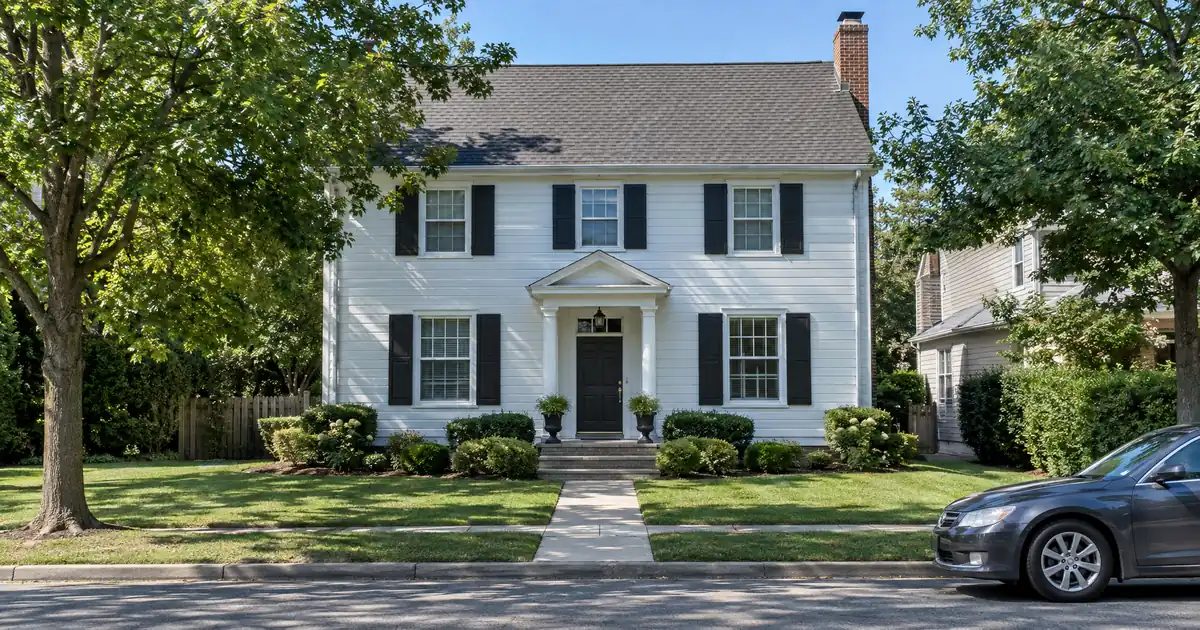
The Quick Read: Usually yes, because no federal rule sets a waiting period after a listing is pulled, and Lendmire’s wholesale network applies its listing rule only in six states, with five rentals sitting well inside the portfolio limits; the pulled listing still has to clear the same credit, title, debt-to-income, and combined-leverage tests as any other rental.
- The wait after a delisting is lender policy, not law. It varies by lender and by state.
- In Indiana, North Carolina, Pennsylvania, Tennessee, Texas, and Washington, a rental that is listed, or was listed within the past 60 days, is ineligible for an investment line.
- Outside those six states the network does not apply the listing rule, but every other eligibility test still applies.
- Five rentals do not disqualify a borrower. More than 15 financed properties does.
- An LLC cannot hold title on the line. That trips up more landlords than the listing does.
What Does “Delisted” Actually Mean to a Lender?
A delisted rental is one that was listed for sale and then pulled off the market. The lender does not care about your reason. It cares about the status history and the date the status changed.
How large a line the equity supports.
An equity line is sized by combined loan-to-value, occupancy, and credit — not by rental coverage. Switch the occupancy or the credit band and the ceiling moves with it.
Investment-property lines require a 700 minimum credit score; second-home lines start at a 640 minimum and primary-residence lines at 600, and the combined-LTV ceiling steps down as the credit band drops on primary-residence and second-home lines and holds on investment-property lines; the line cap steps down on primary-residence lines and holds at every tier on investment-property and second-home lines.
A debt-to-income ratio above 45% requires 680+ credit. Profiles under 640 are limited to single-family homes. At least 75% of the approved line is drawn at closing. Ceilings, floors, and caps update from Lendmire’s centralized guideline source.
Line estimate
Illustrative estimate only — not a quote, Loan Estimate, approval, or commitment to lend. The rate is an editable assumption; equity-line pricing is variable through both the draw and repayment periods and never converts to fixed. Occupancy and credit drive the ceiling together: an investment property tops out at 70% combined LTV (minimum credit 700, line cap $500,000); a second home tops out at 90% combined LTV (minimum credit 640, line cap $500,000), with the ceiling stepping down as the credit band drops (the cap holds at every tier); a primary residence tops out at 90% combined LTV (minimum credit 600), and its $750,000 maximum line is available only at 75% combined LTV or below with a 700-or-better credit profile (720 on the longer-runway program) and a full appraisal. Lines above $500,000 require a full appraisal. Credit, debt-to-income, property type, and full underwriting review all affect the final line.
Pulling a listing does not erase it. The MLS record stays visible, and an underwriter can count from the date the status moved to withdrawn, cancelled, or expired. The lender picks the start date. Many use the off-market date.
| Listing status | How a lender may read it | What to do |
|---|---|---|
| Withdrawn | Owner pulled it, intent unclear | Record the date, write a short explanation |
| Cancelled | Agreement ended early | Keep the cancellation notice |
| Expired | Contract ran out | Keep the date, state your plan |
| Paused, never closed out | Status may still read active | Close it out in the MLS first |
The last row causes real trouble. A listing that was only paused informally can still read as active, and an active listing is a different question from a recently delisted one. Close the status out cleanly and keep the dated confirmation.
Which Clock Applies: The Lender’s, Not the MLS’s
The lender’s lookback is the only clock that matters for the loan. Some MLS systems reset days on market after a property sits off the market for a stretch. That reset helps a buyer reading the listing. It does not restart or shorten a lender’s lookback.
In the six restricted states, the rental is ineligible until the 60-day lookback clears. If the investor relists, the count starts again from the new off-market date. An owner who delists and relists in a cycle can keep resetting the clock without realizing it.
In every other state, the network does not apply the listing rule at all. That does not mean the file is automatic. Credit, title, debt-to-income, and combined leverage still decide it. Lendmire’s wholesale network is also the only source for these terms here, so any other lender may set a longer wait or no investment line at all.
How a Five-Rental Landlord Gets Tested
Five rentals is a portfolio, and the line is underwritten on the borrower. The checks split into property-level and borrower-level tests, and equity does not pool across the portfolio.
| Test level | What gets checked |
|---|---|
| Property | Listing history, title vesting, value, existing first mortgage |
| Borrower | Credit, debt-to-income across all financed properties, housing payment history |
On the network’s investment HELOC, the main parameters look like this, subject to lender guidelines and full file review:
- Credit: 700 minimum, and 720 does not buy more leverage on an investment property.
- Leverage: 70% combined loan-to-value on an investment property, with no tier above it.
- Line size: $25,000 to $500,000, and the line can sit in first or second lien position.
- Debt-to-income: up to 50%, measured on the interest-only payment at the maximum draw.
- Credit report: a single-bureau score, no more than 90 days old at closing.
- Exposure: up to three lines per borrower, and no eligibility above 15 financed properties.
Five rentals sit well inside the property-count limit. The housing payment history gets reviewed across all of them, so a late payment on any rental can matter even if the delisted one is spotless.
A Five-Rental Example With One Delisted Unit
Picture an investor with five financed rentals. Four are leased. The fifth was listed for sale, pulled, and now sits vacant while the owner decides whether to re-rent it. The owner wants a line against one of the leased properties and has not touched the vacant one.
Here is how the underwriter reads it. The equity math runs on the pledged property only: value times 70%, minus the existing first mortgage, capped at the line maximum. Equity in the other four does not add to it. Lease terms affect the income evidence, not the equity math.
Debt-to-income runs across all five. The vacant unit’s rent may count at zero. The new line is qualified on the interest-only payment at the full draw, not on what the owner plans to borrow. That is the number that surprises people. A line sized at its maximum can push a portfolio with one empty unit over the 50% ceiling.
The delisted property is not the one being pledged, so its listing history is a smaller issue in that file. The portfolio exposure is the bigger one. If the investor wants to pledge the delisted rental itself, and it sits in one of the six restricted states, the lookback applies to that property.
Title and Entity: The Sharper Problem
The line must be held in the individual borrower’s name or in a revocable living trust. LLCs, corporations, partnerships, and land trusts cannot hold title on it. This is the sharpest structural difference from a DSCR loan.
For a landlord with mixed title, the pledged property decides the product. A rental already deeded to an LLC needs a vesting change, a business line, or a DSCR cash-out instead. Re-vesting means giving up the liability separation the LLC provided on that property, which is a real tradeoff and worth a conversation with your attorney before you sign anything. The structure is available subject to lender program eligibility on the DSCR side, but the HELOC does not bend on this point.
What If the Rental Is Vacant After the Delisting?
Vacant is the hardest tenancy status to document on a HELOC. Expect a written explanation and prior rent history, and expect the vacant unit’s rent to count at zero in debt-to-income.
A short letter of explanation helps. The underwriter will see the listing history, so say what happened: the listing ended, the plan is to keep and re-rent, and the property is being marketed to tenants. Attach the dated status record from the MLS.
Vacancy is also a cash-flow problem after closing, separate from approval. Market commentary on investment HELOCs notes that the payment does not pause when the unit sits empty. An interest-only draw period keeps the payment low, but it does not go away. Stress-test the line against an empty unit for several months before drawing it.
State-level rules add one more layer. Texas has homestead rules, but they bind primary residences. A Texas investment property qualifies as non-homestead. New Mexico and Ohio scale the combined-leverage cap to the credit profile.
When the Line Can Shrink or Freeze
A HELOC is an open-end line, so the lender keeps some control after closing. The CFPB’s HELOC explainer says a lender may freeze additional draws if the home’s value falls significantly or the borrower’s finances change. A landlord who plans to lean on the line for the next purchase should know that the money is not always there when the need arrives.
The same page notes that draw periods can run, for example, 10 years. The investment line in this network runs a 5-year interest-only draw followed by a 25-year repayment, with at least 75% of the line drawn at closing. Pricing floats and does not convert to fixed. A quoted figure always belongs to its own structure, so compare structures before you compare anything else.
That is a useful reminder: much of the public HELOC material assumes a primary residence, not a landlord with a portfolio.
When a DSCR Cash-Out Fits Better
A HELOC looks at you. A DSCR cash-out looks at the property. That distinction decides the product for many five-rental landlords.
A DSCR cash-out replaces the first mortgage with a new first lien. It qualifies primarily on property-level rental income covering the payment, subject to lender guidelines. On a standard long-term rental, cash-out tops out around 75% LTV across most of the network, and about 6 months of seasoning is the common expectation. Coverage of 1.00 is where many select programs start, and a separate select-lender path takes coverage below 1.00 with leverage and terms adjusted. Stronger coverage opens better pricing and leverage. The footprint is wider as well: the DSCR network reaches 41 markets, including Washington, D.C., against 16 states for the HELOC.
Clearing 1.00 is not the same as positive cash flow. Repairs, vacancy, management, and utilities sit outside the calculation. A vacant rental also behaves differently here. On many files the appraiser’s market rent can stand in for a lease, which can make a vacant or between-tenant unit easier to document than on a HELOC.
Listing history can still matter at the lender level on a cash-out. Some cash-out lenders want a stretch off the market. Check the specific DSCR guidelines for the file before promising anything.
| Situation | Best path | Tradeoff |
|---|---|---|
| Delisted rental in a restricted state, recently taken off the market | Wait, or pledge a different property | Lookback restarts if you relist |
| Heavy personal debt-to-income across five rentals | DSCR cash-out | Replaces the first mortgage |
| Rental held in an LLC | DSCR cash-out | HELOC would need re-vesting |
| Unrestricted state, clean credit, personal title | Investment HELOC | Payment continues if the unit sits empty |
For more on how the two products compare, Lendmire’s piece Variable Rental HELOC vs Fixed Cash-Out for a Long-Term Landlord walks through the structure differences. The complete DSCR loans guide covers how the rent-based side works from the start.
Mistakes That Cost Landlords the File
Most denials on this kind of file are preventable.
1. Assuming the MLS reset is the lender’s clock. It is not. The lender picks its own start date.
2. Relisting before the lookback clears. In a restricted state, that restarts the 60-day count.
3. Pledging an LLC-owned rental. The title test fails before credit is even pulled.
4. Ignoring the maximum-draw test. Debt-to-income runs on the full line, not the planned draw.
5. Skipping the explanation letter. The underwriter sees the listing either way, and a short written note is cheaper than a condition later.
One more point, and it is brief. Tax treatment can depend on how the funds are used and how the property is held; investors should keep clear records and speak with a qualified tax professional before relying on any deduction.
Short-term rental rules can vary by city, county, HOA, and property type, so investors should confirm local rules before relying on projected rental income. Removing a listing from a booking platform is also not an MLS listing event. It is a separate situation, and it does not trigger the sale-listing lookback.
Key Terms Defined
Delisted rental: A rental that was listed for sale and then pulled off the market without a sale.
Lookback period: The stretch of time a lender counts back from the off-market date when checking listing history.
Combined loan-to-value (CLTV): All liens on the property added together, divided by the property value.
Interest-only draw period: The early years of a HELOC when the required payment covers interest only.
Revocable living trust: A trust you can change or cancel, which can hold title on this line when an LLC cannot.
Frequently Asked Questions
Is there a federal waiting period after delisting a rental?
No federal rule sets one. Any wait is lender policy, and it varies by lender and by state. Lendmire’s wholesale network applies a 60-day listing lookback only in certain states.
Which states apply the listing rule?
Indiana, North Carolina, Pennsylvania, Tennessee, Texas, and Washington. In those states a rental that is listed, or was listed within the past 60 days, is ineligible. The count usually starts at the off-market date. Other states do not apply the rule, though every other test still does.
Do five rentals count against me?
No. A borrower can hold up to three lines, and a borrower with more than 15 financed properties is not eligible. Five rentals sit comfortably inside both limits. The bigger issue is debt-to-income across all five, calculated on the interest-only payment at the maximum draw.
Can I use an LLC-owned rental for the line?
No. Title must sit with the individual borrower or a revocable living trust. A rental already held in an LLC needs a vesting change, or a DSCR cash-out instead, which generally lets the entity stay on title, subject to program terms.
What credit score and leverage apply on an investment line?
The network floor is 700, with a ceiling of 70% CLTV on an investment property. Lines run from $25,000 to $500,000, and the valuation at that size is ordinarily automated. These figures are subject to lender guidelines and full file review.
Next Step
If you are considering a home equity line and want to see how the numbers work, Lendmire can help you compare HELOC options based on the property, the equity available, credit profile, combined leverage, and your goals. As a broker, Lendmire arranges financing through select lenders in its wholesale network, and the HELOC is available in 16 states. Reach the team at 828-256-2183 or request a quote.
About Lendmire
Lendmire, NMLS# 2371349, is a mortgage brokerage that arranges home equity lines of credit through wholesale lending partners in its 16 full-service states. Lines on primary residences, second homes and investment properties are each reviewed individually by the lender under the program’s occupancy, credit and combined-loan-to-value guidelines. Scotsman Guide named Lendmire a Top Mortgage Workplace in both 2025 and 2026.
Get Started
Ready to find the right loan for you?
In about 30 seconds you can review financing options available for your home or investment property. No commitment required.
Informational only. Not a Loan Estimate, approval, or commitment to lend. Program availability and eligibility are subject to lender guidelines, credit approval, property review, and underwriting.
References
1. Switchwize – Investment HELOC guide
This article is part of Lendmire’s investment property HELOC program — full qualification details, guidelines, and scenarios live on the program page.
Related reading: Cash Out Refinance Investment Property Laws · Should I Pay Off My HELOC or Invest? · Cash Out Refinance Balloon LLC Property
Brandon Miller
Founder & CEO, Mortgage Loan Originator, Lendmire LLC
- Mortgage Loan Originator · NMLS# 1129696 · Verify on NMLS Consumer Access
- North Carolina Real Estate Broker · License# 343312 · Verify on NCREC
- North Carolina Insurance Producer · License# 19053198 · Property, Casualty, Life, Health · Verify on NAIC SBS
- Lendmire LLC · Firm NMLS# 2371349 · Verify firm licensure
Disclosure information. Lendmire is a state-licensed mortgage brokerage under NMLS# 2371349. Lendmire is not a depository institution, direct lender, or financial advisor — all loans referenced are placed through wholesale lender partners and are subject to each lender's underwriting standards. This article is provided for general informational purposes and is not a commitment to lend, nor does it constitute financial, legal, or tax advice. Loan programs, terms, rates, and qualification standards change without notice and depend on borrower profile, property type, and the state in which the subject property is located. Equal Housing Opportunity provider. NMLS Consumer Access: nmlsconsumeraccess.org.