
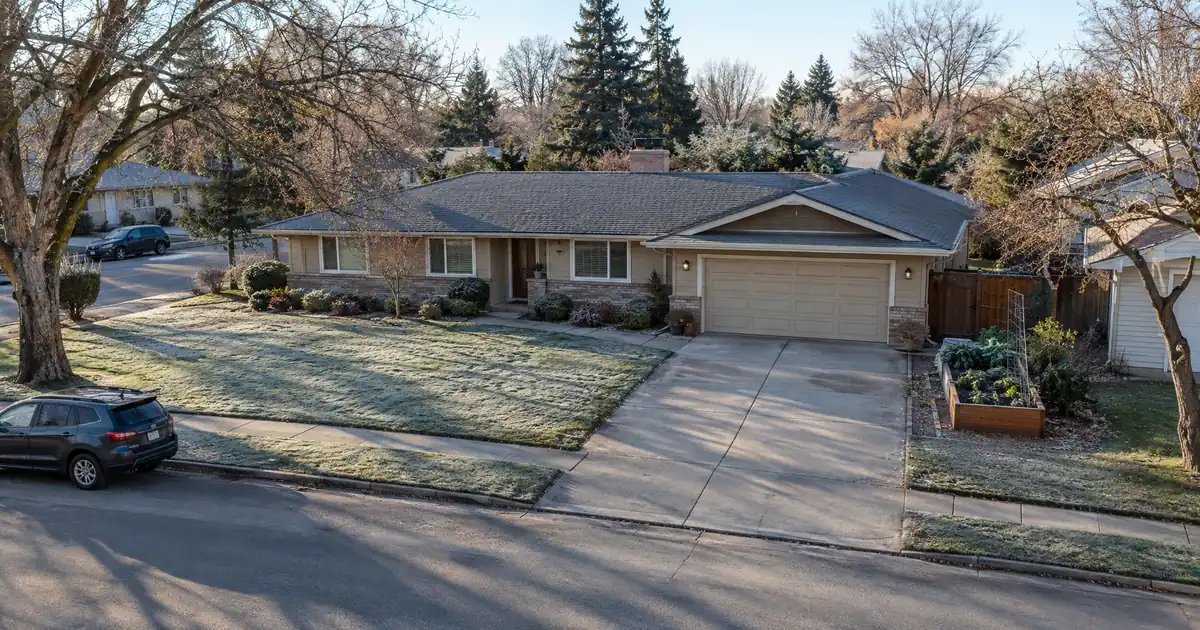
The Quick Read: A HELOC suits a homeowner who wants flexible, staged access to equity, while a home equity loan suits one who needs a single known amount on a fixed schedule, and either one sits behind the first mortgage so the existing first lien stays in place.
- A HELOC is a revolving line with an interest-only draw phase, then a fully amortizing repayment phase.
- A home equity loan is a lump sum with a scheduled payoff, and the lender’s published norms decide the details.
- Both are read on the borrower: credit, debt-to-income, equity, and the property.
- On Lendmire’s network, an investment-property line tops out at 70% combined loan-to-value (CLTV), while primary residences and second homes reach higher ceilings at stronger credit.
- When the equity sits in a rental held in an LLC, or the first mortgage should be replaced, a different tool fits better.
Across the wholesale network, the pattern is consistent. Owners with a low first mortgage want to leave it alone, and the question is only which second lien fits the use of funds. Staged rehab money, a reserve cushion, or a future down payment that has no date yet points to the line. A defined purchase or a fixed project with a known cost points to the closed-end loan.
How large a line the equity supports.
An equity line is sized by combined loan-to-value, occupancy, and credit — not by rental coverage. Switch the occupancy or the credit band and the ceiling moves with it.
Investment-property lines require a 700 minimum credit score; second-home lines start at a 640 minimum and primary-residence lines at 600, and the combined-LTV ceiling steps down as the credit band drops on primary-residence and second-home lines and holds on investment-property lines; the line cap steps down on primary-residence lines and holds at every tier on investment-property and second-home lines.
A debt-to-income ratio above 45% requires 680+ credit. Profiles under 640 are limited to single-family homes. At least 75% of the approved line is drawn at closing. Ceilings, floors, and caps update from Lendmire’s centralized guideline source.
Line estimate
Illustrative estimate only — not a quote, Loan Estimate, approval, or commitment to lend. The rate is an editable assumption; equity-line pricing is variable through both the draw and repayment periods and never converts to fixed. Occupancy and credit drive the ceiling together: an investment property tops out at 70% combined LTV (minimum credit 700, line cap $500,000); a second home tops out at 90% combined LTV (minimum credit 640, line cap $500,000), with the ceiling stepping down as the credit band drops (the cap holds at every tier); a primary residence tops out at 90% combined LTV (minimum credit 600), and its $750,000 maximum line is available only at 75% combined LTV or below with a 700-or-better credit profile (720 on the longer-runway program) and a full appraisal. Lines above $500,000 require a full appraisal. Credit, debt-to-income, property type, and full underwriting review all affect the final line.
Side-by-Side
The HELOC column reflects parameters from Lendmire’s network. The home equity loan column shows published industry norms, which vary by lender. Lendmire’s wholesale network places both structures.
| Factor | HELOC (network line) | Home equity loan (industry norms) |
|---|---|---|
| Funds access | Revolving draws, 75%+ drawn at closing | Single lump sum |
| Review basis | Borrower credit, DTI, equity | Borrower credit, DTI, equity |
| Documentation | Personal income and asset records | Personal income and asset records |
| Valuation | Automated at or under $500,000; appraisal above | Lender-set; appraisal common |
| Property types | 1-4 units, PUD, townhome, condo | Varies; often 1-4 units |
| Entity vesting | Individual or revocable trust only | Often individual name only |
| Payment shape | Interest-only draw, then amortizing | Level, scheduled payments |
| Line freeze risk | Present on revolving lines | No undrawn balance to freeze |
Two rows decide more files than the rest. The first is vesting. A property deeded to an LLC cannot take a line on this network, and many banks take the same view. The second is valuation. A line above $500,000 needs a full appraisal, so the file carries more steps once it crosses that size.
Key Terms Defined
Combined loan-to-value (CLTV): The first mortgage balance plus the new second lien, divided by the property’s value.
Draw period: The stretch when a HELOC borrower can pull funds, often paying interest only.
Repayment period: The stretch after the draw ends, when principal and interest are both due and no new draws are allowed.
Second lien: A loan recorded behind the first mortgage, so the first lender keeps priority.
Debt-to-income (DTI): Monthly debts divided by monthly income, the main personal-income test on a bank-style second lien.
When a HELOC Is the Better Fit
A HELOC fits staged, uncertain, or repeat needs. The money is available in pieces, and the borrower pays on what is drawn.
On the network, lines run two draw structures. One has a 3-year interest-only draw followed by a 17-year fully amortizing repayment. The other has a 5-year draw followed by a 25-year repayment. Tennessee shortens both. Investment-property lines run the 5-year structure only. The line floats and never converts to fixed, so the payment moves with the balance.
Consider a homeowner with a low first mortgage who plans three rehab phases on a rental over a couple of years. Draws match the spend, and interest-only payments during the draw keep carry light. That same flexibility is also the risk. The balance can climb, and when the repayment phase starts the payment steps up as principal begins.
Pick the line when these conditions hold:
- The spend is staged or the total is uncertain.
- The borrower is disciplined about repaying drawn balances.
- A revolving cushion has value as a reserve.
- The borrower accepts that a lender can freeze or reduce a line when the home’s value drops significantly, as the CFPB HELOC booklet explains.
Tax treatment can depend on how the funds are used and how the property is held; borrowers should keep clear records and speak with a qualified tax professional before relying on any deduction.
When a Home Equity Loan Is the Better Fit
A closed-end second fits one defined need. The borrower gets the full amount at closing, the payment follows a schedule, and principal reduces from the first payment. Nothing is left undrawn, so there is no line to freeze or shrink.
Say a homeowner needs a set sum for the down payment on a rental, and the purchase price is already known. A lump sum matches that need. There is no revolving temptation, and the payoff date is visible from day one. The trade-off is that the amount cannot be redrawn, and any extra need later means a new application.
The closed-end structure also helps owners who dislike variable payment behavior. A level schedule makes the combined obligation, first mortgage plus second, easier to plan around. The details on term, fees, and property types vary by lender, so a borrower should compare written terms rather than assume the table’s norms apply.
For a deeper look at how this choice plays out when the first mortgage is very low, see Lendmire’s piece HELOC vs Home Equity Loan on a Low First Mortgage Home.
What a Second Lien Does to Your Equity Math
Equity is measured by CLTV. The lender takes the appraised value, applies a maximum percentage, and subtracts the balance owed on the first mortgage. The same arithmetic applies to a closed-end second.
On the network, the ceiling depends on occupancy and credit:
- Investment property: 70% CLTV, with a 700 minimum credit profile and a maximum line of $500,000.
- Primary residence: tiers run from 60% CLTV at a 600 credit profile up to 85% at 700 and above, with a maximum line of $750,000.
- Second home: a 640 minimum, with tiers up to 85% at 680 and 700, and a maximum line of $500,000.
- The 90% tier: this exists only at a 720-or-better credit profile, on primary residences and second homes, for lines up to $500,000.
A Texas primary residence caps at 80% combined loan-to-value, so the upper tiers never apply there. Market surveys report that investment-property equity lines reach 80% maximums, with many lenders staying under 70% (NerdWallet). On this network, an investment-property line tops out at 70%.
DTI is the other gate. The network’s maximum is 50%, dropping to 45% for credit profiles from 600 to 679, and a ratio above 45% requires a 680 minimum. The line is qualified on the interest-only payment calculated on the maximum draw, so a borrower cannot qualify on a small draw and then use the full line. An investor whose traditional personal-income documentation shows depreciation-reduced income can find DTI is the binding constraint, not equity.
Check the first mortgage too. If it is a DSCR loan, a second payment lowers combined coverage, and the first lender’s documents have to permit a junior lien. Run the combined number before applying.
Eligibility has limits. Manufactured homes, co-ops, condotels, log homes, commercial, mixed-use, and agricultural-zoned properties are not eligible. A borrower is limited to three lines, and an owner with more than 15 financed properties is not eligible. The program is available in Lendmire’s 16 full-service states only, which is narrower than the 41-market DSCR footprint.
When Neither Fits: The Equity Sits in a Rental
Some owners hold the equity in a rental deeded to an LLC, or want to replace the first mortgage instead of adding to it. Both situations point away from a bank-style second lien.
DSCR loans are designed for non-owner-occupied investment properties. Because they are business-purpose investor loans, they are reviewed differently from a standard owner-occupied mortgage. Federal Regulation Z carves out business-purpose credit, which is part of why entity-held rentals run through a different lane than a consumer HELOC.
A DSCR cash-out refinance qualifies primarily on property-level rental income covering the payment, subject to lender guidelines. Across the wholesale network, cash-out tops out around 75% LTV on standard rentals, and about 6 months of seasoning is the common expectation. Credit floors start at 620 in parts of the network, most programs want around 660, and 700 and above opens the strongest leverage tiers. Loan sizes run up to $3,000,000 on standard programs (smaller balances available through select lenders). Coverage of 1.00 is where select programs start, and a separate select-lender path takes coverage below 1.00 with leverage and terms adjusted.
Clearing 1.00 is not the same as positive cash flow. The ratio compares rent to PITIA only, and repairs, vacancy, management, utilities, and capex sit outside it.
The tradeoff is plain. A DSCR cash-out replaces the first mortgage, so it only makes sense if the old first loan is not worth keeping. Lendmire’s piece Jumbo Cash-Out vs Home Equity Loan for a First Mortgage Worth Keeping covers that decision for owners with large balances. The complete DSCR loans guide explains how the coverage test works.
The Balanced Verdict
Choose the line when the spend is staged and the borrower can manage a variable balance. Choose the closed-end loan when the amount is known and a fixed schedule has value. Choose neither when the equity sits in an LLC-held rental, because the vesting rules on equity lines would force a title change first.
If you are considering a home equity line and want to see how the numbers work, Lendmire can help you compare HELOC options based on the property, the equity available, credit profile, combined leverage, and your goals. Everything above is a typical range, subject to lender guidelines and full file review, and not a commitment to lend.
Frequently Asked Questions
Is a home equity loan a second mortgage if I keep my first one?
Yes. It is recorded behind the first mortgage and carries its own payment on top of the existing one. The first mortgage is untouched, so its balance and term continue as before.
Can a lender freeze or reduce a HELOC?
Yes. Revolving lines generally allow the lender to freeze or reduce the available credit when the home’s value falls significantly or the borrower’s finances worsen, per the CFPB booklet linked above. A closed-end loan is fully funded at closing, so there is no undrawn balance to cut.
Can I put a HELOC on a rental property held in an LLC?
Not on this network. Title must sit with the individual borrower or a revocable living trust, and LLCs, corporations, partnerships, and irrevocable, blind, or land trusts cannot hold it. A property already deeded to an LLC needs a vesting change, or a DSCR cash-out instead.
What credit score do I need for an equity line?
It depends on the property. The network floor is 600 on a primary residence, 640 on a second home, and 700 on an investment property. The top tier of 90% CLTV requires 720 or better, and only on primary residences and second homes.
Does a second payment affect the coverage on a DSCR first loan?
Yes. Adding a second lien adds a payment, so combined coverage falls. Run the new combined obligation against rent before committing to the second lien.
About Lendmire
As a mortgage broker (NMLS# 2371349), Lendmire helps homeowners and real estate investors in its 16 full-service states open home equity lines of credit arranged through wholesale lenders. Lendmire is never the lender; line amounts, ceilings and terms are set by the lender under its guidelines. Scotsman Guide named Lendmire a Top Mortgage Workplace in both 2025 and 2026.
Get Started
Ready to find the right loan for you?
In about 30 seconds you can review financing options available for your home or investment property. No commitment required.
Informational only. Not a Loan Estimate, approval, or commitment to lend. Program availability and eligibility are subject to lender guidelines, credit approval, property review, and underwriting.
References
2. NerdWallet: HELOC on an investment property
3. CFPB Regulation Z 1026.3 and commentary
This article is part of Lendmire’s home equity line of credit program — full qualification details, guidelines, and scenarios live on the program page.
Related reading: Can You Get a HELOC and Keep Your Current First Mortgage? · Rolled-In Costs vs Cash for a First Flip on a Hard Money Loan · How to Cross-Collateralize Two Properties Under One Hard Money Loan
Brandon Miller
Founder & CEO, Mortgage Loan Originator, Lendmire LLC
- Mortgage Loan Originator · NMLS# 1129696 · Verify on NMLS Consumer Access
- North Carolina Real Estate Broker · License# 343312 · Verify on NCREC
- North Carolina Insurance Producer · License# 19053198 · Property, Casualty, Life, Health · Verify on NAIC SBS
- Lendmire LLC · Firm NMLS# 2371349 · Verify firm licensure
Important disclosures. Lendmire (NMLS# 2371349) is a licensed mortgage brokerage. Lendmire is not a direct lender, depository institution, or financial advisor. All loan inquiries are subject to lender underwriting; this article does not constitute a commitment to lend. Rates, terms, and program guidelines are subject to change without notice and vary by borrower profile, property type, and state. Information in this article is general in nature and is not financial, legal, or tax advice. Equal Housing Opportunity. NMLS Consumer Access: nmlsconsumeraccess.org.