
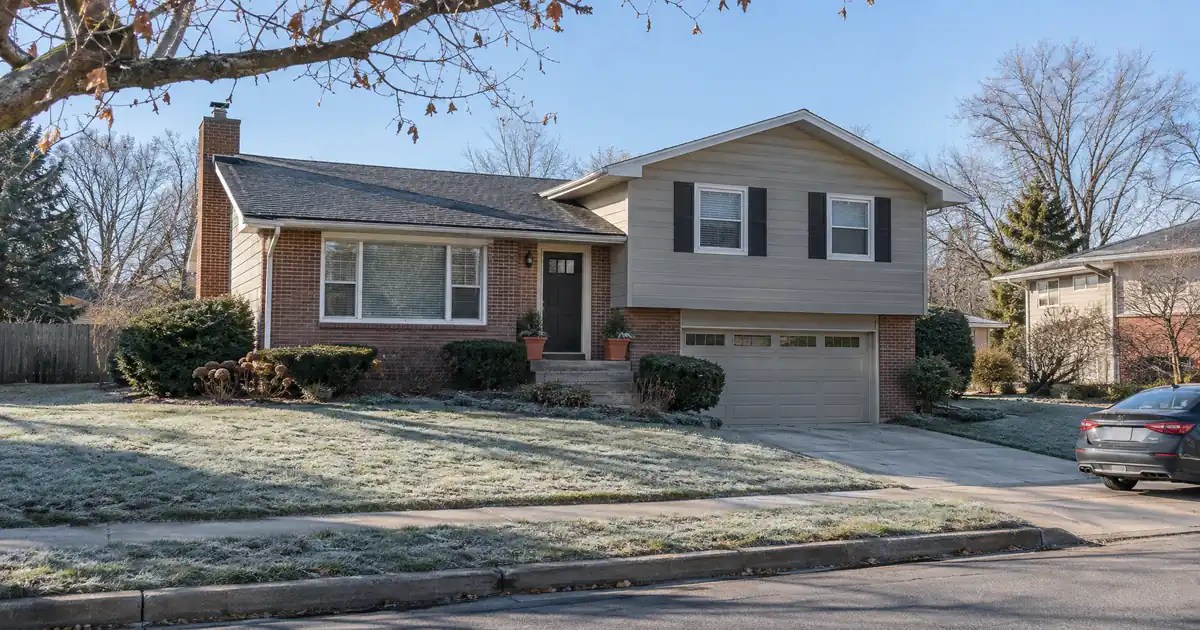
The Quick Read: A home equity investment (HEI) gives you cash today in exchange for a share of your property’s future value, with no monthly payment. A DSCR cash-out is a new first-lien loan that qualifies primarily on property-level rental income covering the payment, subject to lender guidelines. On a rental you own outright, the DSCR cash-out is usually the product that is actually available.
- An HEI is built mainly for owner-occupied homes, and published industry norms point to rentals and entity-owned property being excluded or heavily restricted.
- A DSCR cash-out is built for investment property, including property held in an LLC, subject to lender program eligibility.
- Free-and-clear clears the equity test, but rent coverage on the new, larger payment often becomes the limit first.
- An HEI makes sense mainly when you want no monthly payment and can find a provider that accepts your property type and title.
Here is the honest answer on who each is for. The HEI suits someone who wants capital without a payment and is comfortable giving up part of future appreciation. The DSCR cash-out suits an investor who wants a lump sum, can carry a payment, and wants to keep full ownership of the upside. Many readers will find the first option closed to them and the second open.
DSCR Cash-Out Calculator
Run the cash-out numbers in your market
Rate source: Freddie Mac 30-yr average via FRED® — Federal Reserve Bank of St. Louis · effective Oct 15, 2026
Prefilled with starting assumptions — enter your property’s value, balance, taxes, and insurance for a more accurate picture.
Program parameters update from Lendmire’s centralized guideline source. Taxes and insurance are editable estimates.
As of Oct 15, 2026 · General Freddie Mac market benchmark, not a Lendmire loan offer. Property value, balance, taxes, and insurance are editable estimates. Maximum loan-to-value varies by lender, program, property type, and seasoning. Not a Loan Estimate, approval, or commitment to lend. Program availability and eligibility are subject to lender guidelines, credit approval, property review, and underwriting.
Why a Paid-Off Rental Changes the Question
Most comparison pages assume you already have a mortgage. You do not. There is no payoff to subtract and no existing loan to protect, so the cash you receive is the gross amount less costs.
That makes the choice simple to state. You are choosing between selling a slice of future value and borrowing against the rent.
On the DSCR side, two tests run at the same time. One is a maximum loan-to-value (LTV), which is the loan as a percentage of appraised value. The other is the debt service coverage ratio (DSCR), which is monthly rent divided by the full monthly obligation: principal, interest, taxes, insurance and any association dues. The smaller result sets your loan amount.
Across most of the wholesale network Lendmire places files with, a cash-out refinance on a standard rental tops out around 75% LTV. Cash-out on short-term-rental collateral generally tops out at 70%. Owning the property outright means you clear the equity test easily. It does not exempt you from the rent test.
Side-by-Side
The HEI column reflects published industry norms, which vary by provider. The DSCR column reflects typical guidelines across select lenders in Lendmire’s network.
| Factor | Home equity investment | DSCR cash-out |
|---|---|---|
| What you give up | Share of future value | A lien on the property |
| Review basis | Home value, equity, provider appetite | Rent covering the payment |
| Documentation | Light on income | Credit, appraisal, rent support |
| Property types | Mostly primary residences | Investment properties |
| Entity vesting | Often excluded | LLCs common, per program |
| Monthly payment | None to the provider | New first-lien payment |
| Reserves | Provider-specific | Commonly around 6 months of PITIA |
| Settlement | End of term, sale or refinance | Payoff or prepayment terms apply |
PITIA means principal, interest, taxes, insurance and association dues, the same monthly obligation used in the coverage ratio. No pricing rows appear here on purpose. Cost comparisons live in the calculator, and any figure it shows is an illustrative estimate.
When a Home Equity Investment Is the Better Fit
An HEI is the better fit in a narrow set of cases. You want capital with no new monthly obligation. Your rent is too thin to pass a coverage test. You are comfortable giving up part of the future value.
NerdWallet’s explainer on home equity investments describes the core trade. There is no monthly payment and no interest. At the end of the term you repay the amount advanced plus a percentage of any appreciation. Terms commonly run 10 to 30 years.
The catch is availability. Home Equity 101, an industry educational site, reports that providers generally require a primary residence. It describes investment properties as excluded across the major providers. Some providers may take limited non-owner-occupied property on stricter terms, but that is rare, narrow and provider-specific. Do not plan around it.
Title is a second hurdle. Providers frequently exclude entity-owned property. If your rental sits in an LLC, an HEI is even less likely to be an option.
There is also a settlement question worth taking seriously. The Urban Institute’s report on shared equity products found that some homeowners it interviewed felt trapped. They feared having to sell the property to fund the lump-sum payment at the end of the term. A product with no monthly payment still has a due date.
The legal footing of these contracts is also unsettled. The CFPB’s issue spotlight on home equity contracts raised concerns that limited understanding, complex terms and non-standard disclosures may keep consumers from seeing the true costs and risks. Providers describe the product as not debt, while consumer advocates dispute that. Read the contract the way you would read a loan, and have an attorney review it.
Cost is the last piece. The return comes from your future appreciation. In a market that rises, giving up a share of that gain can cost more than interest on a loan would have. Run it as a scenario, not a hunch.
When a DSCR Cash-Out Is the Better Fit
A DSCR cash-out is the better fit when the property is a true rental, you want a lump sum, and you want to keep all of the future appreciation. It also fits when the property sits in an LLC, subject to lender program eligibility.
Here is the one business-purpose point that matters. DSCR loans are designed for non-owner-occupied investment properties. Because they are business-purpose investor loans, they are reviewed differently from a standard owner-occupied mortgage.
The practical parameters across the network look like this. Treat them as typical ranges, not promises, because every file is underwritten individually.
- Leverage: Cash-out on a standard rental generally tops out around 75% LTV. Cash-out on short-term-rental collateral tops out at 70%.
- Seasoning: About six months of ownership is the common expectation for a cash-out.
- Credit: A 620 floor exists in parts of the network. Most programs want around 660. A score of 700 or higher unlocks the strongest leverage tiers.
- Loan size: Standard programs go up to $3,000,000, and smaller balances are available through select lenders. Above $2,500,000 the network generally holds to 30-year fixed structures.
- Reserves: They vary by lender, leverage, loan size and transaction type. Around 6 months of PITIA is common, and loans above $1,500,000 typically step up to about 9 months.
- Coverage: A ratio of 1.00 is where many select programs start, and stronger ratios open better terms and leverage. A separate select-lender path takes coverage below 1.00, with leverage and terms adjusted.
A short-term rental adds its own requirements. Expect a score of 640 or higher and about 12 months of hosting history. Short-term-rental rules can vary by city, county, HOA and property type, so investors should confirm local rules before relying on projected rental income.
A few property types are not offered in the network’s DSCR programs. These are manufactured homes (single- and double-wide), log homes and barndominiums.
The structure options are broad. The spine is the 30-year fixed. Extended terms (40-year) and interest-only periods are available through select lenders in the network, and adjustable structures exist for investors who want them.
Where rent becomes the limit
Picture a free-and-clear fourplex with strong equity. At 75% LTV the loan size looks generous. But the new payment is built from the new loan amount, so a bigger cash-out lowers the coverage ratio. If the rent only covers that payment at around 1.0x, the rent test may cap the loan below what the equity would allow. Lower leverage raises coverage, and more cash down on a purchase does the same. These specifics are subject to lender guidelines and a full review of property, leverage, and credit.
This is the tradeoff an HEI avoids. It has no coverage test, so a property with thin rent is not disqualified for that reason.
A passing ratio is not positive cash flow
Clearing 1.00 means rent covers PITIA. It does not mean the property cash flows. Repairs, vacancy, management, utilities and capital expenses all sit outside the calculation. Plan for them separately before you take a larger payment on a property that already runs lean. The ratio is a lending test, not a profit forecast.
Prepayment and exit
DSCR loans commonly carry prepayment penalties in the early years. If you expect to sell or refinance soon, that matters. An HEI has the opposite shape: no payment now, but a fixed deadline and a settlement that grows with the property’s value. Both products limit how flexibly you can exit, in different ways.
Stacking the Two (and When to Skip Both)
Some investors consider using an HEI for the down payment on a new purchase, then financing that purchase with a DSCR loan. It can work on paper. Lenders review where down payment funds come from, and how an HEI is treated in that review depends on the lender and the contract. Raise it early.
The more common sequence is simpler. Take the DSCR cash-out on the paid-off rental. Use the proceeds as the down payment on the next one. Each file is reviewed separately.
Sometimes the right answer is neither. If your rent barely covers a payment at any workable leverage, and no HEI provider will take your property or title, the better move may be waiting. Building coverage through lease-up or rent increases and then revisiting the cash-out beats forcing a bad structure.
Key Terms Defined
Home equity investment (HEI): A contract where a provider advances cash and later receives the amount advanced plus a share of the property’s value or appreciation.
DSCR cash-out refinance: A new first-lien loan on an investment property, sized by LTV and by whether rent covers the new payment.
LTV: Loan-to-value, the loan amount as a percentage of the property’s appraised value.
PITIA: Principal, interest, taxes, insurance and any association dues, the full monthly obligation.
Seasoning: The waiting period between buying a property and refinancing it.
Lien position: Whether a claim on the property sits first in line or behind another loan. A DSCR cash-out takes the first position. An HEI generally sits behind any first mortgage.
The Verdict
Choose the DSCR cash-out if the property is a rental, may be held in an LLC, and the rent can carry a larger payment. You keep the upside, you get a lump sum, and the product was built for this property type. It does require credit, reserves, an appraisal and a passing coverage ratio.
Consider the HEI only if you can confirm a provider will accept your rental and your title, you value having no monthly payment, and you have stress-tested the settlement under rising, flat and falling values. Many investors will not clear the eligibility question.
Neither choice is free. One costs you a payment and prepayment flexibility. The other costs you a share of the future. For deeper context on the loan side, see Lendmire’s complete DSCR loans guide.
Frequently Asked Questions
Can I get a home equity investment on a rental property?
Rarely. Industry education sources describe providers as focused on primary residences, with investment properties generally excluded. Any exceptions are narrow and provider-specific, and they often come with stricter terms. Confirm directly with a provider before building a plan around one.
Can an LLC take a home equity investment?
Usually not. Published industry norms say providers frequently exclude entity-owned property. DSCR programs commonly lend to LLCs, subject to lender program eligibility, which is a major structural difference for investors who hold rentals in an entity.
Does a DSCR cash-out work on a property I own outright?
Yes, when the property and borrower meet program guidelines. With no existing mortgage there is nothing to pay off, so net cash is the loan less costs. The limit is usually the lower of the LTV cap and what the rent can support at the new payment.
Is a home equity investment debt?
That is contested. Providers describe it as not debt, while consumer advocates and regulators have raised questions about how these contracts should be classified. Treat it as a serious financial obligation, because it creates a settlement amount you must pay at the end.
Does passing the DSCR test mean the property cash flows?
No. The ratio compares rent to PITIA only. Vacancy, repairs, management, utilities and capital expenses are outside the test, so leave room for them before taking a larger payment.
Next Step
If you are buying or refinancing a rental property and want to see how the numbers work, Lendmire can help you compare DSCR loan options based on the property income, credit profile, leverage, and investor goals. As a broker arranging financing through select lenders in its wholesale network, Lendmire can walk through your property, available equity and goals. Every program is subject to lender guidelines and is not a commitment to lend.
About Lendmire
Lendmire, NMLS# 2371349, is a DSCR-focused mortgage broker that arranges investor loans through wholesale lending partners, with DSCR programs in 40 states plus Washington, D.C. (41 markets). DSCR loans qualify primarily on property-level rental income covering the payment, subject to lender guidelines. Scotsman Guide named Lendmire a Top Mortgage Workplace in both 2025 and 2026.
A deeper walk-through of investment-property equity extraction lives in Lendmire’s guide to cash-out refinance on an investment property.
Get Started
Ready to find the right loan for you?
In about 30 seconds you can review financing options available for your investment property. No commitment required.
Informational only. Not a Loan Estimate, approval, or commitment to lend. Program availability and eligibility are subject to lender guidelines, credit approval, property review, and underwriting.
References
1. NerdWallet, Home Equity Investment explainer
2. Home Equity 101, HEI eligibility requirements
3. Urban Institute, How Shared Equity Products Work
4. CFPB Issue Spotlight: Home Equity Contracts
This article is part of Lendmire’s investment property cash-out refinance program — full qualification details, guidelines, and scenarios live on the program page.
Related reading: How to Get a DSCR Loan on Your First Rental After a Bank Said No · Can You Deed a Home to an LLC and Still Get a DSCR Loan on a Lease? · How to Decide Between a Cash-Out Refinance and Selling a Rental
Brandon Miller
Founder & CEO, Mortgage Loan Originator, Lendmire LLC
- Mortgage Loan Originator · NMLS# 1129696 · Verify on NMLS Consumer Access
- North Carolina Real Estate Broker · License# 343312 · Verify on NCREC
- North Carolina Insurance Producer · License# 19053198 · Property, Casualty, Life, Health · Verify on NAIC SBS
- Lendmire LLC · Firm NMLS# 2371349 · Verify firm licensure
Important disclosures. Lendmire (NMLS# 2371349) is a licensed mortgage brokerage. Lendmire is not a direct lender, depository institution, or financial advisor. All loan inquiries are subject to lender underwriting; this article does not constitute a commitment to lend. Rates, terms, and program guidelines are subject to change without notice and vary by borrower profile, property type, and state. Information in this article is general in nature and is not financial, legal, or tax advice. Equal Housing Opportunity. NMLS Consumer Access: nmlsconsumeraccess.org.