
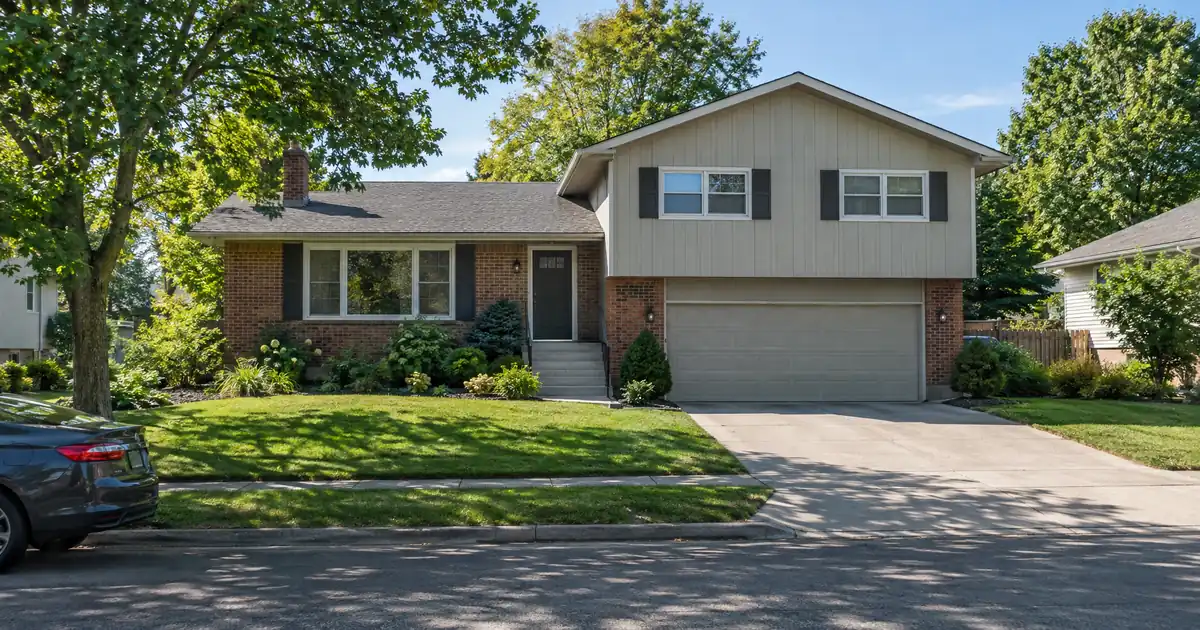
The Quick Read: It depends on how the property is classified, who holds title, and whether you want to keep your current first mortgage. A home equity product fits a true second home you personally use, while a DSCR cash-out refinance fits a property that works as a rental, especially when an LLC holds title. Both are reviewed under lender guidelines, and neither is a commitment to lend.
- A cash-out refinance replaces your first mortgage. A home equity loan or line sits behind it as a second lien.
- Home equity products are tested on your personal credit, income, and debt-to-income ratio. DSCR cash-out is tested mainly on the property’s rent.
- Across Lendmire’s wholesale network, home equity lines on a second home reach up to 90% combined loan-to-value (CLTV) only at a 720-or-better credit profile, and only up to $500,000.
- DSCR cash-out on a standard rental tops out around 75% LTV, and about 6 months of ownership is the common expectation.
- LLC-held rentals generally steer toward DSCR cash-out, subject to program terms.
Who Each Option Is Really For
A home equity loan suits someone who owns a vacation house, uses it personally, and holds a first mortgage worth keeping. You borrow a moderate amount, leave the first loan alone, and qualify on your own income.
How large a line the equity supports.
An equity line is sized by combined loan-to-value, occupancy, and credit — not by rental coverage. Switch the occupancy or the credit band and the ceiling moves with it.
Investment-property lines require a 700 minimum credit score; second-home lines start at a 640 minimum and primary-residence lines at 600, and the combined-LTV ceiling steps down as the credit band drops on primary-residence and second-home lines and holds on investment-property lines; the line cap steps down on primary-residence lines and holds at every tier on investment-property and second-home lines.
A debt-to-income ratio above 45% requires 680+ credit. Profiles under 640 are limited to single-family homes. At least 75% of the approved line is drawn at closing. Ceilings, floors, and caps update from Lendmire’s centralized guideline source.
Line estimate
Illustrative estimate only — not a quote, Loan Estimate, approval, or commitment to lend. The rate is an editable assumption; equity-line pricing is variable through both the draw and repayment periods and never converts to fixed. Occupancy and credit drive the ceiling together: an investment property tops out at 70% combined LTV (minimum credit 700, line cap $500,000); a second home tops out at 90% combined LTV (minimum credit 640, line cap $500,000), with the ceiling stepping down as the credit band drops (the cap holds at every tier); a primary residence tops out at 90% combined LTV (minimum credit 600), and its $750,000 maximum line is available only at 75% combined LTV or below with a 700-or-better credit profile (720 on the longer-runway program) and a full appraisal. Lines above $500,000 require a full appraisal. Credit, debt-to-income, property type, and full underwriting review all affect the final line.
A DSCR cash-out suits an investor whose second property earns rent. DSCR stands for debt service coverage ratio. It is monthly rent divided by the full monthly housing payment: principal, interest, taxes, insurance, and association dues, known together as PITIA. The loan is reviewed primarily on property-level rental income covering the payment, subject to lender guidelines.
The line between the two is classification. DSCR loans are designed for non-owner-occupied investment properties. Because they are business-purpose investor loans, they are reviewed differently from a standard owner-occupied mortgage. A second home you live in for part of the year generally sits outside that lane.
One clarification before the comparison. Some people read this title as borrowing against their primary home to buy a second one. This article covers borrowing against the second property itself.
Side-by-Side
| Factor | DSCR Cash-Out Refinance | Home Equity Loan or Line |
|---|---|---|
| First mortgage | Replaced by one new loan | Stays; second lien added |
| Review basis | Rent vs. full payment (DSCR) | Personal credit, income, DTI |
| Documentation | Property rent and appraisal lead | Personal income and credit files |
| Property fit | Non-owner-occupied rentals, incl. STR | True second home fits best |
| Entity vesting | LLC possible, subject to program terms | Individual or revocable trust only |
| Ceiling, true second home | Generally outside the DSCR lane | Up to 90% CLTV, only at 720+ credit |
| Ceiling, investment property | About 75% LTV on a standard-rental cash-out; 70% on an STR cash-out | 70% CLTV maximum; no higher tier |
| Reserves | Commonly around 6 months; varies | Lender-specific; personal file leads |
| Process weight | Full refinance with appraisal | Often lighter valuation on smaller lines |
The equity column reflects published industry norms for a second lien. The vesting and leverage cells reflect the line programs in Lendmire’s wholesale network. Those are standalone lines with floating pricing rather than fixed lump-sum loans.
Ceilings are tied to occupancy and credit. On an investment property, the network’s equity line stops at 70% CLTV. On a second home, the tiers step down with the credit profile: 85% CLTV at 700 and 680, 80% at 660, and 75% at 640. The minimum credit score is 640, and the line cap is $500,000. Programs change, and every file is underwritten individually.
When a DSCR Cash-Out Is the Better Fit
DSCR cash-out wins when the property is a rental, when an LLC holds title, or when your personal debt-to-income ratio is the obstacle. Each of those is a structural reason, not a pricing one.
The property earns rent. If the second home is rented most of the year, a lender treats it as an investment property. Both products then run under investor rules. A DSCR cash-out reads the property’s rent against the new payment, which is the test built for that situation. The appraisal can supply market rent too. Appraisers use forms such as the 1007 rent schedule and the 1025 small income property report, both listed on Fannie Mae’s forms page. DSCR loans are not agency loans, but that is how rent gets documented.
An LLC holds title. The network’s home equity lines require the individual borrower or a revocable living trust on title. LLCs, corporations, partnerships, and irrevocable, blind, or land trusts cannot hold title. A rental already deeded to an LLC needs a vesting change or a DSCR cash-out. DSCR programs can close in an LLC name, subject to program terms, and typically ask for a personal guarantee. Moving title in or out of an entity can raise due-on-sale questions with an existing lender. Read your loan documents before you re-deed anything.
Personal DTI is the wall. Picture a self-employed investor with a half-dozen financed properties and lumpy traditional personal-income documentation. A home equity product leans on personal income, and that investor’s ratio may not clear. DSCR moves the test to the property. Each file stands on its own rent and value, so you can sequence pulls property by property.
The loan is larger. Equity lines top out at $750,000, and anything above $500,000 is primary-residence only. DSCR loans run up to $3,000,000 on standard programs (smaller balances available through select lenders). Above $2,500,000, the network generally holds to 30-year fixed structures.
The tradeoffs are real. A cash-out replaces your existing loan and restarts the amortization clock. Coverage can also cap you before equity does. A bigger loan means a bigger payment, and a bigger payment lowers coverage. Picture a rental where rent covers the current payment at roughly 1.25x. A large cash-out could pull that toward 1.00x or below.
On the floor itself, 1.00 is where many select programs start. A separate select-lender path takes coverage below 1.00, with leverage and terms adjusted. Clearing 1.00 does not mean positive cash flow. DSCR compares rent to PITIA only, and repairs, vacancy, management, utilities, and capital expenses sit outside the ratio.
When a Home Equity Loan Is the Better Fit
A home equity product wins when your first mortgage is worth protecting, when you want a moderate draw, and when the property is truly a second home. In that lane, it is the simpler tool.
Your first mortgage is worth keeping. Only a second-lien product leaves it intact. A cash-out refinance resets your loan terms, and a home equity loan or line does not touch them. If your current first loan is one you would be sorry to give up, that settles a lot. Investors weigh this against the convenience of one larger loan. The tradeoff is two payments instead of one.
The amount is moderate. Lines run from $25,000 to $750,000 and often rely on automated valuation at or below $500,000, with no traditional appraisal, though a higher CLTV may require a secondary valuation. That is a lighter process than a full refinance. A borrower can also request a full appraisal in any case.
Your personal file is strong. The review leans on credit and income. The network’s lines allow up to 50% DTI, or 45% for credit profiles from 600 to 679. A ratio above 45% requires a 680 minimum. Qualification runs on the interest-only payment calculated on the maximum draw. A clean, well-documented W-2 or business income file suits that test.
The property is a true second home. On a second home, the highest-credit borrowers can reach 90% CLTV. That figure exists only at 720 or better, and only up to $500,000. Eligible property types include single-family, 2-4 units, PUD, townhome, and condominium, including non-warrantable. Manufactured homes, co-ops, condotels, log homes, and commercial, mixed-use, or agricultural zoning are not eligible.
Know the structure. The network’s lines are standalone and can sit in first or second lien position. Primary and second homes get two draw structures. One is a 3-year interest-only draw with a 17-year repayment. The other is a 5-year draw with a 25-year repayment. Investment lines run the 5-year draw and 25-year repayment structure only. At least 75% of the line is drawn at closing, and pricing floats through both periods without converting to fixed. A fixed-rate lump-sum second lien is a different product, so ask which one a lender means.
The tradeoffs are real. If you actually rent the property, the 90% ceiling disappears and the investment ceiling is 70% CLTV. Lenders look at traditional personal-income documentation, insurance policies, listings, and address records. Calling a rental a second home to reach a different product is a misrepresentation risk. It can expose you to serious legal trouble and put the loan at risk of being called due. Availability is also narrower. Lendmire’s wholesale network places equity lines in 16 states, while its DSCR footprint spans 41 markets, including Washington, D.C.
What Lenders Evaluate on Each Path
Most DSCR files placed through the network are built around these inputs:
- Credit. A 620 floor exists in parts of the network. Most programs want around 660. A 700-plus score unlocks the strongest leverage tiers.
- Leverage. Cash-out refinance tops out around 75% LTV on standard rentals across most of the network. Short-term-rental collateral caps at 70% on cash-out.
- Seasoning. About 6 months of ownership is the common expectation on a cash-out.
- Reserves. These vary by lender, leverage, loan size, and transaction type. They commonly run around 6 months of PITIA. Loans above $1,500,000 typically step up to about 9 months.
- Property. DSCR is not offered on manufactured homes, log homes, or barndominiums.
For a home equity line, the inputs are credit, DTI, CLTV, and valuation. The credit floor is 640 on a second home and 700 on an investment property. A bankruptcy needs 4 years of seasoning. A borrower is limited to three lines, and anyone with more than 15 financed properties is not eligible.
A bigger down payment or more equity helps either file. It does not erase leverage caps, credit floors, reserve rules, or property eligibility. The strongest DSCR files clear both tests: enough equity and enough rental coverage.
Where Most Borrowers Misjudge This Choice
Many borrowers compare the two products as if the label on the property were a free choice. It is not. Occupancy classification decides which products are even on the table. Investors who plan to use a property personally and rent it out should settle which category the property really belongs to before they shop.
Across file after file, the sticking points are not what people expect. A lender’s first questions are often about title and occupancy, not about the amount. An LLC-held rental asking for a home equity line is a common mismatch. So is a second-home owner with heavy rental income asking for second-home leverage. Settling vesting and classification first spares both sides a wasted application.
Tax is the other thing people assume. Tax treatment can depend on how the funds are used and how the property is held, so keep clear records and speak with a qualified tax professional before relying on any deduction. IRS Publication 936 covers the home mortgage interest rules.
For the head-to-head with a credit line, see Lendmire’s comparison of how a jumbo cash-out stacks up against a HELOC on a second home: How Much More a Jumbo Cash-Out Costs Than a HELOC on a Second Home For the program basics, the complete DSCR loans guide walks through coverage, leverage, and eligibility.
The Verdict
Neither is better in the abstract. Run three checks in order.
First, classification. If the property is a true second home you use yourself, a home equity product is available and often simpler. If it is a rental, you are in investor territory, and DSCR cash-out is built for it.
Second, title. If an LLC holds the property, a home equity line cannot take it as collateral. If you hold it personally or in a revocable trust, both paths stay open.
Third, what you give up. A home equity product keeps your first mortgage and adds a payment. A cash-out replaces the first loan, pulls more cash, and tests the rent against a larger payment. This one is a genuine toss-up when the first mortgage is good, the amount is moderate, and the property earns a little rent. In that case, the equity product is the lower-friction call. The cash-out starts to win once the amount grows, the entity enters, or personal DTI gets in the way.
Frequently Asked Questions
Can I get a home equity loan on a vacation home?
Often yes, if it is a true second home. In Lendmire’s wholesale network, a second-home line requires a minimum 640 credit profile and reaches up to 90% CLTV only at 720 or better, up to $500,000. Qualification is subject to lender guidelines and full file review.
Does it matter if I rent the property out?
Yes. Meaningful rental use can change the classification from second home to investment property. On an investment property, a home equity line in the network caps at 70% CLTV and uses the 5-year draw and 25-year repayment structure. At that point a DSCR cash-out becomes a natural comparison.
What happens to my first mortgage?
It depends on the product. A home equity loan or line leaves your first mortgage in place and adds a second lien. A cash-out refinance pays off the first mortgage and any junior liens with one new loan, then pays the remainder to you.
Can my LLC take out a home equity loan on its rental?
Not through the network’s equity lines. Title must sit with an individual or a revocable living trust. A property already in an LLC needs a vesting change or a DSCR cash-out, subject to program terms.
Does clearing 1.00 on a DSCR cash-out mean the rental cash flows?
No. DSCR compares rent to PITIA only. Repairs, vacancy, management, utilities, and capital expenses sit outside the ratio, so a deal can clear 1.00 and still run thin.
Next Step
If you are weighing a home equity loan against a cash-out refinance on a second property and want to see how the numbers work, Lendmire can help you compare options based on the property, the equity available, credit profile, combined leverage, and your goals. You can reach the team at 828-256-2183 or request a quote.
A deeper walk-through of investment-property equity extraction lives in Lendmire’s guide to cash-out refinance on an investment property.
For current guidelines and terms, see Lendmire’s HELOC programs page.
About Lendmire
Lendmire is a mortgage brokerage (NMLS# 2371349) arranging home equity lines of credit — primary-residence, second-home and investment-property lines — through a wholesale lending network in its 16 full-service states. Eligibility is determined by the lender on each file. Scotsman Guide named Lendmire a Top Mortgage Workplace in both 2025 and 2026.
Get Started
Ready to find the right loan for you?
In about 30 seconds you can review financing options available for your home or investment property. No commitment required.
Informational only. Not a Loan Estimate, approval, or commitment to lend. Program availability and eligibility are subject to lender guidelines, credit approval, property review, and underwriting.
References
1. Fannie Mae Selling & Servicing Guide Forms
This article is part of Lendmire’s home equity line of credit program — full qualification details, guidelines, and scenarios live on the program page.
Related reading: HELOC vs Home Equity Loan for an Investor Financing Rental Property · Is a Home Equity Line Considered a Cash-Out Refinance? · How to Pair a VA Cash-Out With a DSCR Loan on an Existing VA Loan
Brandon Miller
Founder & CEO, Mortgage Loan Originator, Lendmire LLC
- Mortgage Loan Originator · NMLS# 1129696 · Verify on NMLS Consumer Access
- North Carolina Real Estate Broker · License# 343312 · Verify on NCREC
- North Carolina Insurance Producer · License# 19053198 · Property, Casualty, Life, Health · Verify on NAIC SBS
- Lendmire LLC · Firm NMLS# 2371349 · Verify firm licensure
Legal disclosures. Lendmire (NMLS# 2371349) is a state-licensed mortgage brokerage that arranges financing through wholesale lender relationships. Lendmire is not a direct lender, depository institution, or registered financial advisor. The discussion above is general informational content about real estate financing — it is not financial, legal, or tax advice, and readers should consult licensed professionals for guidance on their individual circumstances. Loan inquiries are subject to lender underwriting; this article does not represent a commitment to lend. Loan terms, rates, and qualification standards vary by borrower, property, and state, and are subject to change at any time. Equal Housing Opportunity. NMLS Consumer Access: nmlsconsumeraccess.org.