
The Quick Read: A portfolio DSCR lender treats a cluster of neighboring rentals as a question of structure and concentration, not an automatic no, because the loan documents decide the outcome: each house can carry its own note, or all of them can sit under one pooled note tested on combined rent. Subdivision life adds shared risks, such as one builder, one HOA, and overlapping appraisal comparables. Underwriting is subject to lender guidelines, and no outcome is guaranteed.
- Separate notes keep one house’s trouble contained. A pooled note tests combined coverage but ties every house to the same loan.
- The 30-year portfolio DSCR loan takes 2 to 20 properties under one note, typically up to 80% of value on a purchase or rate-and-term refinance of investment rentals, with a 1.00 coverage floor measured on the pool.
- Every house still needs a lease or an appraiser-supported market rent, and each one is valued on its own.
- Shared HOA rules, builder, and rent comparables create linked risk, so the lender looks at the cluster as well as each house.
- Clearing 1.00 on a DSCR test does not mean the pool produces positive cash flow.
What Does “One Subdivision” Mean to a Lender?
To a lender, a subdivision is context, not a loan category. Across the wholesale network Lendmire works with, no program changes its terms because a house sits on a particular plat. What changes the outcome is how the loans are papered and how much your holdings overlap.
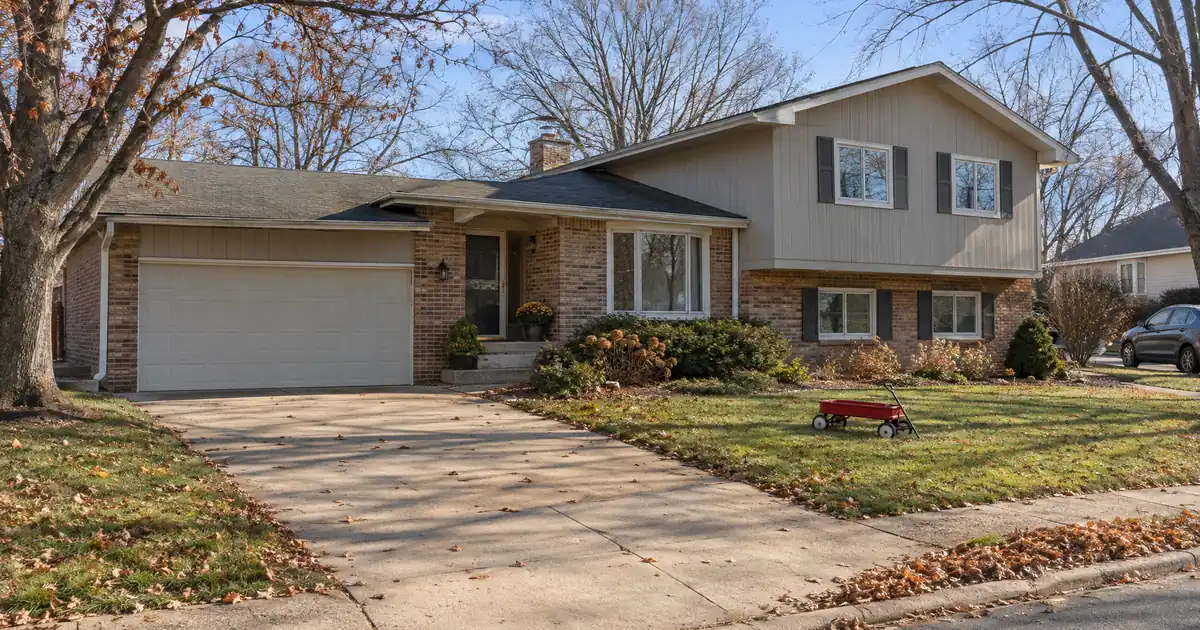
A subdivision is a tract of land divided into lots, usually built out by one builder or a small group of builders. The houses tend to share an age, a style, and a floor-plan family. They often share an HOA that sets rules for everyone on the street.
A lender does not box that into a rule. It asks a simpler question: if one thing goes wrong here, how many of your houses does it touch? That is a concentration question. The answer depends on the structure you pick, which the sections below cover. For the basics of how these loans qualify, see the complete DSCR loans guide.
Why Similar Houses Change the Risk Picture
Houses built together fail together more often than houses scattered across a metro. This is reasoning from how these files behave, not a published statistic. Still, the logic holds up.
Picture four houses on neighboring streets. They share a builder, so a recurring construction flaw would show up in all four. They share an HOA, so a special assessment lands on all four. They likely share the same rent comparables, so one weak batch of rent data can pull every house’s market rent down at once. And they depend on the same local employers for tenant demand.
Spread the same four houses across four neighborhoods and most of those links break. That is why a lender looking at a pool may pay attention to how tightly the properties cluster, even when no written rule names the subdivision.
Many lenders also look at concentration by area. That is a general habit across lenders, not a subdivision rule, and it is one reason a pooled file can be priced or sized differently from the same houses on separate notes.
Pooled Note or Separate Notes?
A standard DSCR loan is written one property at a time. Owning five houses in one LLC does not turn five loans into one. Each note stands on its own rent and its own payment.
The pooled alternative goes by three names: portfolio DSCR loan, blanket loan, and cross-collateralized loan. They all mean the same thing, one note secured by several rentals. A big bank’s portfolio loan, one the bank keeps on its own books, is a different sense of the phrase and is not what this article covers.
| Factor | Separate notes | One pooled note |
|---|---|---|
| Collateral | Each house secures its own loan | All houses secure one loan |
| Coverage test | Each house on its own | Combined rent over combined debt |
| One vacant house | Hurts only that loan | Lowers the pooled number |
| Selling one house | Pay off that loan | Follows release terms |
| If a payment is missed | Stays with that property | Can reach every house in the pool |
The two pooled structures
Two portfolio structures exist in the network, and they suit different investors.
The 30-year portfolio DSCR loan holds 2 to 20 properties under one note. Loan sizes run roughly $300,000 to $5,000,000, with larger balances reviewed case by case. Leverage goes up to 80% of value on a purchase or rate-and-term refinance. The 1.00 coverage floor is measured on the pool, so pooled rent is compared with pooled debt service. Fixed and adjustable structures exist, along with an interest-only period. Eligible property types are single-family, 2-4 unit, condo, and townhome.
The rental portfolio term loan is built for five or more rental properties or units under one loan. Loan sizes run roughly $500,000 to $50,000,000, with larger balances on review. Leverage goes up to 75% of value. Terms are fixed at 3, 5, 7, or 10 years with a balloon at maturity. Both recourse and non-recourse versions exist. A non-recourse loan looks to the real estate, with recourse limited to carve-outs such as fraud and bankruptcy. A recourse loan carries a personal guarantee. Prepayment runs on yield maintenance. Reserves are held for taxes, insurance, and capital expenditures. Every figure here is a program ceiling or floor, not a quote, and all are subject to lender guidelines.
How Underwriting Treats the Pool, Step by Step
A pooled file moves through the same stages each time. The stages are the same whether the houses sit on one street or in three counties, but a subdivision makes some of them tighter.
Step 1: Pick the structure. Each house gets its own note, or all houses go on one note. DSCR describes how the file qualifies, not how many properties secure it. The file qualifies primarily on property-level rental income covering the payment, subject to lender guidelines.
Step 2: Line up the entity. Pooling generally wants one borrowing entity. A special-purpose entity, typically an LLC, is required on some structures, subject to program terms. Deeding is a real step with its own costs, so decide early.
Step 3: Value each house separately. Every property gets its own appraisal, even inside a pool. In a tract subdivision, the comparable sales behind each appraisal can overlap heavily. Appraisal convention generally prefers comparables from the same neighborhood, including the same subdivision or project. It also allows nearby competing neighborhoods when they are the best data available, with the reasoning documented, as the Fannie Mae Selling Guide shows. That guide is an agency document and does not govern DSCR loans. It is useful here only as a picture of how appraisers think.
When few houses have sold, an appraiser may widen the search in time, distance, or dissimilarity and must explain why. McKissock’s appraisal education notes that agency guidance sets no fixed distance limit for comparables. That matters in a new subdivision with few resales. A thin comp set can make several appraisals soft at the same moment.
Step 4: Support the rent. Each house needs a lease or an appraiser-supported market rent. The rent schedule form used for single-family houses, Form 1007, estimates monthly market rent. A multi-unit property uses a parallel form, Form 1025. Per McKissock, some lenders require the rent schedule when rent is used to qualify, and the final income determination belongs to the lender. The appraiser documents the market. The lender decides what rent counts.
Houses in one subdivision often share rent comparables. One weak comp set can move every file at once.
Step 5: Run the coverage test. DSCR divides monthly rent by the full monthly obligation: principal, interest, taxes, insurance, and any HOA dues. On separate notes, each house is tested alone. On a pooled note, the test uses the sum of rents over the sum of those obligations. HOA dues belong in the bottom half of the fraction.
Pooling lets a stronger house carry a weaker one. A BiggerPockets article on cross-collateralization describes how a strong property can offset a weaker one when the combined ratio clears the lender’s bar. On the 30-year portfolio DSCR loan, the bar is the 1.00 pooled floor.
A rental under 1.00 on its own can sit in the pool, as long as the pool clears. Underwriting tests the pooled coverage, the leverage, and the terms. Coverage is a rent-to-payment ratio only. Repairs, vacancy, management, utilities, and capital spending sit outside it. A pool that clears 1.00 can still lose money in a bad year.
Step 6: Check the loan-size caps. On a purchase or rate-and-term refinance, leverage tops out at the structure’s ceiling. On a cash-out, proceeds never exceed 75% of the pooled value. Inside the first six months of ownership, the loan is also capped at 90% of total cost (purchase price plus documented improvements). From six to twelve months, that cap is 100% of total cost. The leverage ceiling still applies, and the loan is the lower of the two. After twelve months, the appraised value alone is the basis. A rate-and-term refinance is not subject to the cost-basis cap.
Step 7: Read the release terms. A release clause decides whether you can sell one house and remove it from the lien. Partial releases, substitutions, and the sale of one property out of the pool follow the loan documents and the lender’s release terms. The release price runs above the property’s allocated balance, and the remaining portfolio must still cover its debt service. Read this clause before you sign, not after your first sale.
Credit also matters. The portfolio programs set a credit floor of 640, with 680 or 720 on some structures.
Where the General Rule Breaks
The steps above describe the normal path. These edge cases bend them.
Cross-default is not cross-collateral. Cross-default means a default on one loan triggers a default on another. Cross-collateralization means one property secures more than one debt. A Canadian law firm’s explainer separates the two, making the point that the mortgage language must say what each mortgage secures. It is a Canadian source, so use it for the concept only. The practical lesson travels: read the documents, not the label.
Separate notes can still be linked. Two things can reach past one property’s collateral. One is a personal guarantee. The other is a linking clause in the loan documents. A recourse loan carries a personal guarantee by design. A non-recourse version exists on the term loan, with carve-outs. The DSCR label does not settle any of this.
Different LLCs in the same subdivision. When houses in the same subdivision are titled in different LLCs, they generally cannot be grouped under one blanket loan. Deeding them into one entity first would fix that.
Vacant or newly bought houses. A house with no lease needs an appraiser-supported market rent to count.
New construction and thin comps. In a subdivision still selling out, few resales exist. Appraisals may carry wider adjustments, and each one needs documented reasoning. That can slow the whole cluster down together.
Short-term rentals. Form 1007 is built around monthly rent, not nightly rent, and the lender decides how income is counted. Short-term rental rules can vary by city, county, HOA, and property type, so investors should confirm local rules before relying on projected rental income. In a subdivision, HOA rental restrictions can apply to every house you own there.
Too few properties. The 30-year portfolio DSCR loan starts at two properties. The term loan starts at five or more rentals or units. A pair of houses may fit the first structure. Many small holdings simply run better on separate notes.
Ineligible properties. Owner-occupied property, co-ops, mixed-use property, and commercial property are ineligible in the pool.
Manufactured homes are not reviewable on any of these programs.
A Worked Scenario: Three Houses on One Street
These inputs are modeled assumptions, not market data. Say you own three similar houses on one street. Each was built by the same builder and falls under one HOA. They sit in one LLC, subject to program terms. Assume two clear 1.15x on their own and the third sits near 0.95x because its lease is older. Assume the three payments are similar.
On separate notes, the third house stands alone below 1.00. Whether it qualifies depends on the lender and program. Select lenders in the network offer coverage below 1.00, with leverage and terms adjusted.
On one pooled note, the combined test lands around 1.09x. That clears a 1.00 pooled floor. The weaker house rides on the stronger two.
Now change one fact at a time.
- One house goes vacant. Its rent drops out or falls back to an appraiser-supported market rent. The pooled number slips. On separate notes, only that house’s loan feels it.
- One house appraises low. The leverage cap binds on that house’s value, which can shrink the pooled loan. This one hits harder because the other two appraisals were probably built on the same comps.
- You sell one house. On separate notes, you pay off that loan and move on. On a pooled note, the release terms decide it, and the remaining two must still cover the debt.
- The HOA levies a special assessment. HOA special assessments are generally billed directly by the HOA, not through the lender. So the hit lands on all three owners’ cash at once, whatever the loan structure.
Pool or Keep Separate?
| Your situation | Likely fit |
|---|---|
| Plan to sell a house within a few years | Separate notes |
| Several houses, one entity, steady holds | Pooled note |
| One weak-coverage house, others strong | Pooled note |
| Houses owned with different partners | Separate notes |
| Five or more units, longer hold | Rental portfolio term loan |
| Only one or two houses to finance | Separate notes |
Honestly, this is close to a toss-up for many small clusters. Pooling smooths coverage and may reduce paperwork. The stronger play often depends on whether you expect to sell before you refinance.
Large down payments help either way, but they do not erase leverage caps, credit floors, reserve rules, or property eligibility. The strongest files clear both tests: enough equity and enough rental coverage.
A Mitigation Checklist for a One-Subdivision Pool
DSCR loans are designed for non-owner-occupied investment properties. Because they are business-purpose investor loans, they are reviewed differently from a standard owner-occupied mortgage. That leaves room to present a tight cluster well. A broker working across the network sees several ways to do it.
- Spread the timing. Buying or refinancing houses in stages can let each file stand on a fresh appraisal and fresh leases.
- Document each house. Keep a current lease, rent history, and HOA statement for every property.
- Know your HOA. Check rental caps, rental-share limits, and any pending assessments before you add another house to the pool.
- Carry cushion. Reserves vary by lender, leverage, loan size, and transaction type. Many files see around six months of PITIA. Conservative rate-and-term files at modest leverage under $1,500,000 can see reserves waived. Larger loans typically step up to around nine months.
- Match the structure to your exit. Read the release clause as if you plan to sell the first house.
- Test the weak house. If one rental depends on the others to clear 1.00, price in what happens when it sits empty.
Key Terms Defined
Subdivision: a tract of land divided into lots, usually built out by one builder or a few builders.
Plat: the recorded map that shows how a subdivision is divided into lots.
Portfolio (blanket) DSCR loan: one note secured by several rentals, qualified on pooled rent against pooled debt service.
Cross-collateralization: a structure where one property secures more than one debt, or one debt is secured by several properties.
Release clause: the loan term that lets you sell one property and remove it from the lien, usually after a set paydown.
Concentration: how tightly your properties cluster by area, builder, HOA, or tenant base.
Recourse and non-recourse: a recourse loan carries a personal guarantee. A non-recourse loan looks to the real estate, with carve-outs such as fraud and bankruptcy.
PITIA: principal, interest, taxes, insurance, and association dues, the full monthly obligation used in the coverage test.
Frequently Asked Questions
Can a lender decline me for owning too many houses in one subdivision?
It can. No published rule sets a subdivision cap across the network, but lenders weigh concentration, and it can affect pricing, leverage, or terms. Pooled files draw more attention to it than separate notes do. A smaller cluster in a bigger market usually reads better than a large cluster in a small tract.
Does one vacant house hurt the others?
On a pooled note, yes, through the combined coverage number. A vacant house needs an appraiser-supported market rent to count at all. On separate notes, the vacancy stays inside that house’s own loan. Either way, DSCR counts rent against the payment only, so a vacant stretch can still strain your cash.
Do all my houses need to be in one LLC to pool them?
Pooling generally wants a single borrowing entity. Houses in different entities are generally not pooled until they are deeded into one entity. Some structures require a special-purpose entity, typically an LLC, subject to program terms.
Can a strong house carry a weak one?
On a pooled note, yes. The coverage floor is measured on the pool, so strong rents can offset a weak one as long as the pool clears 1.00. Each house still needs a lease or appraiser-supported market rent.
Is a pooled loan always cheaper or simpler?
No. A pooled note adds one set of documents, but it also ties every house to one lien and one set of release terms. Separate notes cost more paperwork and keep problems contained. Which one wins depends on your hold period and exit plan.
Next Step
If you are buying or refinancing a rental property and want to see how the numbers work, Lendmire can help you compare DSCR loan options based on the property income, credit profile, leverage, and investor goals. As a mortgage broker, Lendmire arranges DSCR financing through select lenders in its wholesale network, across 41 markets, including Washington, D.C. Programs change, and every file is underwritten individually. This is not a commitment to lend.
About Lendmire
Lendmire — NMLS# 2371349 — is a mortgage brokerage specializing in DSCR investor loans, helping arrange financing across 41 markets, including Washington, D.C., through wholesale and investor-lending channels. The model centers on property-level rental income reviewed by the lender rather than W-2 documentation, subject to lender guidelines, suiting entity-owned and multi-property investors. Lendmire holds Scotsman Guide Top Mortgage Workplace recognition for 2025 and 2026.
Get Started
Ready to find the right loan for you?
In about 30 seconds you can review financing options available for your investment property. No commitment required.
Informational only. Not a Loan Estimate, approval, or commitment to lend. Program availability and eligibility are subject to lender guidelines, credit approval, property review, and underwriting.
References
1. Fannie Mae Selling Guide B4-1.3-08, comparable sales
2. McKissock, appraisals when comparables are few
3. McKissock, Form 1007 and short-term rentals
4. BiggerPockets, cross-collateralization article
5. Blaney McMurtry LLP, cross-default versus cross-collateralization
This article is part of Lendmire’s DSCR loan program — full qualification details, guidelines, and scenarios live on the program page.
Related reading: How a Portfolio Lender Weighs DSCR Houses All in One Town · How a Portfolio DSCR Loan Treats Airbnb Income in the Pool · Can an Investor With 10+ Doors in LLCs Get a DSCR Portfolio Loan?
Brandon Miller
Founder & CEO, Mortgage Loan Originator, Lendmire LLC
- Mortgage Loan Originator · NMLS# 1129696 · Verify on NMLS Consumer Access
- North Carolina Real Estate Broker · License# 343312 · Verify on NCREC
- North Carolina Insurance Producer · License# 19053198 · Property, Casualty, Life, Health · Verify on NAIC SBS
- Lendmire LLC · Firm NMLS# 2371349 · Verify firm licensure
Important disclosures. Lendmire (NMLS# 2371349) is a licensed mortgage brokerage. Lendmire is not a direct lender, depository institution, or financial advisor. All loan inquiries are subject to lender underwriting; this article does not constitute a commitment to lend. Rates, terms, and program guidelines are subject to change without notice and vary by borrower profile, property type, and state. Information in this article is general in nature and is not financial, legal, or tax advice. Equal Housing Opportunity. NMLS Consumer Access: nmlsconsumeraccess.org.