
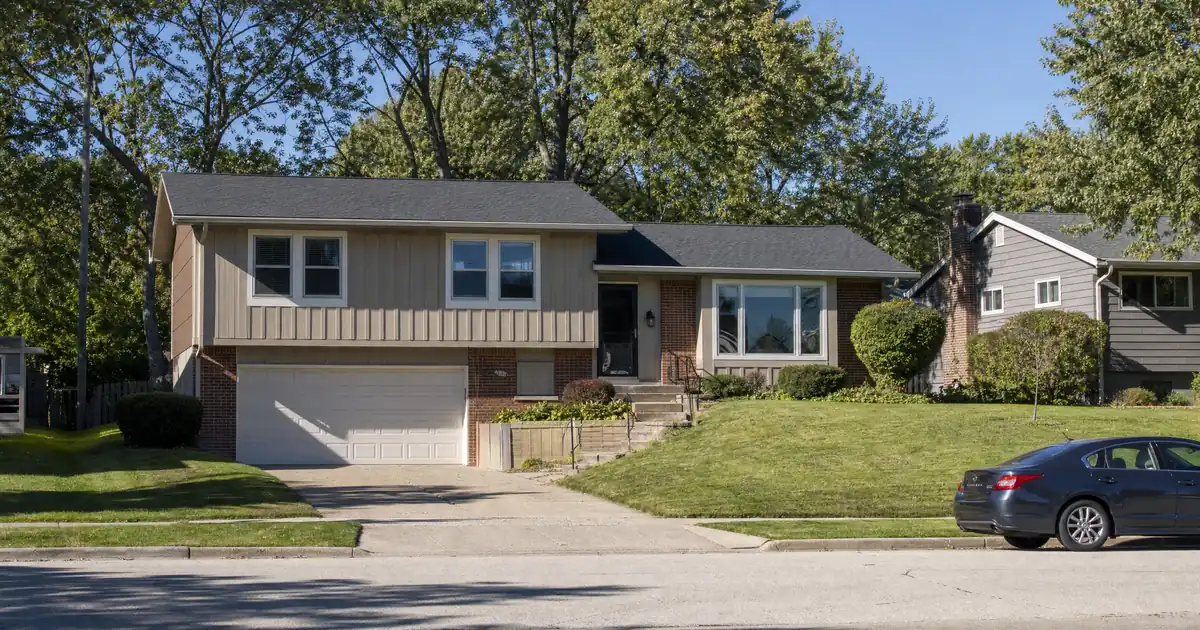
The Quick Read: A cash-out refinance replaces an investor’s existing mortgage with a new, bigger loan. The lender sizes this new loan against the property’s current appraised value. It does not use the original purchase price. It does not use the remaining balance either. At closing, the lender pays off the old loan and covers closing costs. The investor keeps whatever cash is left over. On a rental property, the lender tests the new loan’s full monthly obligation against market rent. This uses a coverage ratio, not the borrower’s personal income. Most DSCR cash-out programs cap leverage at 75% loan-to-value. They also expect roughly 6 months of ownership before the new appraised value can be used at all.
Key Takeaways
- The new loan replaces the old one. It gets sized off current appraised value, not what the investor originally paid.
- Lenders test coverage against the new, larger payment. They do not test it against the smaller payment being retired.
- Most DSCR cash-out refinances cap around 75% LTV. That’s tighter than typical purchase-money leverage.
- Roughly 6 months of ownership is the common seasoning threshold. After that, appraised value can replace cost basis.
- Certain structures — short-term rentals, sub-1.00 coverage, a handful of ineligible property types — follow different rules. Some don’t qualify at all. Exact terms depend on the lender’s guidelines, property type, leverage, and a full review of the borrower’s file.
What Is a Cash-Out Refinance on a Rental Property?
A cash-out refinance is a new mortgage. It pays off the old one and hands the difference to the investor in cash. The lender sizes it against the property’s current value, not its purchase price. That’s the core difference from a rate-and-term refinance. A rate-and-term refinance just replaces the existing loan. It doesn’t pull any equity out. Learn more about what a cash-out refinance loan actually is before deciding whether it fits a specific property.
DSCR Cash-Out Calculator
Run the cash-out numbers in your market
Rate source: Freddie Mac 30-yr average via FRED® — Federal Reserve Bank of St. Louis · effective Jul 30, 2026
Prefilled with starting assumptions — enter your property’s value, balance, taxes, and insurance for a more accurate picture.
Program parameters update from Lendmire’s centralized guideline source. Taxes and insurance are editable estimates.
As of Jul 30, 2026 · General Freddie Mac market benchmark, not a Lendmire loan offer. Property value, balance, taxes, and insurance are editable estimates. Maximum loan-to-value varies by lender, program, property type, and seasoning. Not a Loan Estimate, approval, or commitment to lend. Program availability and eligibility are subject to lender guidelines, credit approval, property review, and underwriting.
For an investor, the source of the cash is simple: appreciation and pay-down. Both happen after acquisition, or after a renovation. Say a rental property bought at one price now appraises much higher. Say the balance has also shrunk after years of payments. That gap between value and debt is what a cash-out refinance turns into usable capital.
On investor property, the loan gets underwritten differently than it would on a primary residence. Lenders don’t rely on traditional personal-income paperwork or W-2s here. Instead, DSCR-based cash-out refinances qualify mainly on the property’s rental income covering the payment, subject to lender guidelines. That’s the whole reason this loan structure exists. It lets investors access equity without their personal debt-to-income ratio getting in the way. The DSCR cash-out refinance structure is built around exactly that idea.
Key Terms Defined
Equity is the gap between what a property is currently worth and what’s still owed against it.
Loan-to-Value (LTV) is the new loan amount, shown as a percentage of the property’s appraised value. This number sets the leverage ceiling on any refinance.
DSCR (Debt Service Coverage Ratio) is monthly market rent divided by the full monthly housing obligation. A ratio above 1.00 means the rent covers that obligation, at least on paper.
PITIA stands for principal, interest, taxes, insurance, and association dues combined. It’s the full monthly figure used in the coverage calculation — not just the loan payment itself.
Seasoning is the minimum time an investor must own a property before a lender will size a refinance against its current appraised value. Without seasoning, the lender uses the original purchase price or renovation cost instead.
Reserves are liquid funds a borrower needs to show remain available after closing. Lenders usually express this as a number of months of PITIA.
How Does a Cash-Out Refinance Actually Work, Step by Step?
The mechanics follow a fairly consistent order across the network of lenders that place these files.
Step 1 — Application and property review. The lender reviews the property, the existing loan, and the borrower’s credit profile before ordering an appraisal.
Step 2 — Appraisal and rent determination. For an investment property, the appraisal does double duty. It sets the value. It also sets the rent figure underwriting will use. Most appraisers — both agency and non-agency — lean on the same standard tools here. That includes Fannie Mae’s Form 1007, the Single-Family Comparable Rent Schedule. This form requires the appraiser to independently estimate market rent from comparable rentals. The appraiser can’t just copy whatever the current lease says.
Step 3 — Reconciling market rent against the actual lease. Underwriting doesn’t just take the appraiser’s number at face value. The lender compares that market-rent figure against the existing lease. This process lands on the income figure actually used in the ratio. Fannie Mae’s Selling Guide on rental income lays out this same general reconciliation approach on the agency side. DSCR underwriting follows a similar logic, even though the loan itself never sells to Fannie or Freddie.
Step 4 — Loan sizing against the leverage cap. The new loan amount gets capped as a percentage of the appraised value. That ceiling, minus what’s owed on the old loan and minus closing costs, determines the cash reaching the investor.
Step 5 — Coverage test on the new payment. This step trips a lot of people up. The lender calculates DSCR on the new, larger post-refinance payment. It does not use whatever the investor has been paying for years. Pulling more cash raises the payment being tested. That’s exactly why cash-out refinances run tighter on leverage than purchase loans or plain rate-and-term refinances.
Step 6 — Documentation and closing. The core file needs a few things: the appraisal (with the rent schedule), a payoff statement for the existing lien, title work confirming ownership history, and, for LLC-titled properties, organizational documents for the entity — subject to lender program eligibility. DSCR loans are business-purpose loans on non-owner-occupied property. Because of that, lenders review them on a different track than a standard owner-occupied mortgage.
How Much Equity Can an Investor Actually Pull Out?
Here’s the honest answer: less than the appraisal alone would suggest. Two ceilings apply at once — the leverage cap and the coverage test. Whichever one binds tighter wins.
Picture a duplex that’s appreciated well past its purchase price. The existing balance has been paid down through several years of amortization. If the cash-out ceiling sits at 75% LTV — where most of the network caps cash-out refinances on investment property — the new loan can’t exceed three-quarters of that current appraised value. Full stop. What actually lands in the investor’s account is that ceiling, minus the existing payoff, minus closing costs. That’s why two properties with identical appraised values can produce very different amounts of usable cash. It depends on how much debt already sits against each one. Every figure here varies by lender and program — guidelines, property type, leverage, and credit profile all apply.
Here’s the part investors often miss: coverage frequently binds before leverage does. Say market rent doesn’t comfortably clear a 1.00x ratio against the new, larger payment. The lender may size the loan below the full 75% ceiling, even when the appraisal easily supports it. A bigger loan means a bigger payment. If rent doesn’t move with it, coverage falls. Dialing leverage back to something like 65-70% often restores that coverage ratio to a workable range. That’s the tradeoff every cash-out file eventually runs into: more cash now, or a cleaner ratio and easier approval.
What Do Lenders Look at on a DSCR Cash-Out File?
Credit, coverage, seasoning, and reserves each move independently. A strong number in one area doesn’t offset a weak one in another.
Credit tiers in this space commonly start around a 620 floor at select lenders. Most programs look for something closer to 660. Lenders generally reserve the strongest leverage and pricing tiers for 700-plus files. Reserves typically run around 6 months of PITIA on most files. That figure steps up toward roughly 9 months on loan amounts above $1,500,000. Conservative rate-term deals at modest leverage under $1,500,000 sometimes see reserves waived entirely, though that’s the exception rather than the rule. The minimum credit score depends heavily on the rest of the file. Minimum credit score requirements shift based on leverage, property type, and coverage strength working together.
Loan sizes across the network typically run from modest balances up through roughly $3,000,000 on standard programs. Amounts above $2,500,000 generally route to 30-year fixed structures only. Extended-term and interest-only options tend to phase out at that top end. A handful of states carry additional overlays across parts of the network — including Connecticut, Florida, Illinois, and New Jersey. These overlays can tighten maximum loan size. On the purchase side, they can also hold leverage closer to 75% LTV even where other states allow more.
Where Does the Standard Playbook Break Down?
A few structures don’t follow the general rule. Knowing where the line sits saves an investor from a wasted appraisal fee.
Recently purchased properties and the BRRRR strategy. Seasoning — the roughly 6-month ownership window — is the mechanical reason the buy-rehab-rent-refinance-repeat model lives or dies on timing. The strategy only works if a lender will lend against appraised value rather than cost basis. Until that seasoning clock runs, most DSCR lenders in the network hold firmly to cost-basis or purchase-price limits. It doesn’t matter how much a renovation actually added. Agency conventional lending carves out narrower exceptions here. Fannie Mae’s Selling Guide allows a cash-out refinance inside the first six months in specific documented cases, including inherited property. But that’s a conventional-space carve-out. DSCR files shouldn’t assume it applies to them.
Short-term rentals. STR properties run on a different leverage schedule entirely. Purchase can go up to roughly 75% LTV. Refinance and cash-out sit closer to 70%. Lenders typically expect a 640-plus score and around 12 months of hosting history, alongside a 1.00 coverage floor. Part of the reason is mechanical. The standard rent-schedule appraisal form used on long-term rentals isn’t built to capture nightly-rate income, vacancy patterns, or ancillary STR revenue. So these files often route through a different valuation approach altogether. Short-term rental rules can also vary by city, county, HOA, and property type. Confirming local rules before relying on projected nightly income matters as much as the financing structure itself.
Coverage below 1.00. Sub-1.00 structures are available through select lenders in the network. But leverage and terms adjust when coverage falls short. This isn’t a workaround — it’s a different, more conservative structure. A no-ratio option is available for DSCR below 1.00 with stronger credit or higher down payment; qualification on that path rests on credit and equity rather than a rent-coverage calculation.
Property types that simply aren’t offered. Manufactured homes — single- or double-wide — log homes, and barndominiums fall outside DSCR programs in this network. These aren’t “harder to finance.” They’re not offered.
Divorce and buyout transactions. On the agency side, a transaction where one owner buys out another’s interest after a divorce settlement gets treated as a limited, not full, cash-out refinance. Fannie Mae draws this distinction explicitly, with its own 12-month joint-ownership requirement. DSCR investor files handle entity-owned or personally-titled buyouts case by case. This structure matters enough to flag before assuming a standard cash-out timeline applies.
Cash-Out Refinance vs. HELOC vs. Home Equity Loan
| Factor | Cash-Out Refi | HELOC | Home Equity Loan |
|---|---|---|---|
| Disbursement | Single lump sum | Revolving line, draw as needed | Single lump sum |
| Loans after closing | One (replaces the existing loan) | Two (first mortgage + line) | Two (first mortgage + second lien) |
| Rate structure | Fixed or ARM, set at closing | Typically variable | Usually fixed |
| Best fit | Larger, one-time capital need | Ongoing or uncertain draw needs | A known, fixed project cost |
The cash-out refinance is the right tool when the goal is one large draw against a single property. Think of the next down payment, a renovation on a different unit, or rebuilding depleted reserves. A HELOC or home equity loan can make more sense in a different case. Say the investor wants to keep the original first mortgage intact — maybe it carries a below-market structure worth preserving. In that case, supplemental, second-lien capital does the job instead.
When Does a Cash-Out Refinance Actually Make Sense?
It makes sense when the proceeds fund something that produces income or protects the portfolio. Think of the next acquisition’s down payment, a renovation that lifts achievable rent, or reserves that were thinner than they should be. It makes less sense when the new payment pushes coverage into territory where the file barely qualifies. Any vacancy or rent softness could flip it negative. An investor eyeing the full 75% ceiling should run the coverage math at that leverage level first, before committing to an appraisal. A property that appraises well can still fail to support the leverage the investor was hoping to pull.
Run a quick self-check before moving forward. Has the property been owned roughly 6 months or longer? Does market rent clear something meaningfully above 1.00x at the leverage level being requested, leaving cushion for vacancy? Are 6-9 months of reserves realistically available after closing, not just on paper? If any of those answers is no, that’s not necessarily a dead end. It’s a signal to size the request differently rather than force the top of the range. Final terms depend on lender guidelines, property type, leverage, and the borrower’s complete credit picture.
Common Mistakes Investors Make
A common mistake is assuming the appraised value automatically converts into that much usable cash. It doesn’t. The existing payoff and closing costs come off the top first. The coverage test can also cap the number below the LTV ceiling, no matter what the appraisal supports.
A second mistake: treating a 1.00x coverage ratio as the same thing as positive cash flow. It isn’t. DSCR only compares rent to PITIA. Repairs, vacancy, property management, utilities, and capital expenditures all sit outside that calculation. A property clearing 1.00x on paper can still run negative once real operating costs get factored in.
Tax treatment can depend on how the cash proceeds get used and how the property is held. Investors should keep clear records and speak with a qualified tax professional before relying on any deduction.
Nothing here is a commitment to lend, and loan approval is never guaranteed. Every scenario described here is subject to lender approval and to borrower, property, and program guidelines, which can change. This content is general information only and isn’t financial, legal, or tax advice. Investors should confirm current program details directly with Lendmire or a qualified professional before relying on any figure.
Frequently Asked Questions
How much cash can I actually pull out of a rental property with a cash-out refinance?
Less than the appraised value alone would suggest. The new loan amount is capped at roughly 75% LTV on most DSCR cash-out programs. Whatever’s left after paying off the existing loan and closing costs is what reaches the investor — assuming coverage on the new payment also clears the lender’s threshold.
How soon after buying a rental property can I do a cash-out refinance?
Around 6 months of ownership is the common seasoning threshold across the network. After that point, appraised value can replace the original purchase price or cost basis. This is the single biggest timing constraint on BRRRR-style strategies, and most DSCR lenders hold to it firmly.
Does cash-out refinance money count as taxable income?
No — it’s loan proceeds, not income or a sale event. Tax questions on a cash-out refinance are really about interest deductibility. That depends on how the property is held and how the funds are used. A qualified tax professional is the right resource for that specific analysis.
What credit score do I need for a cash-out refinance on an investment property?
It depends on the rest of the file. A 620 floor exists at select lenders in the network. The strongest leverage and terms generally open up around 700-plus.
If pulling equity out of a rental — or a short-term rental — is on the table, Lendmire can help compare DSCR loan options. This depends on the property’s income, credit profile, leverage, and the investor’s actual goals for the cash. The complete DSCR loans guide covers how these programs qualify borrowers property-first. A call to 828-256-2183 or a quote request is a reasonable next step before ordering an appraisal.
For how equity extraction works on an investment property, see cash-out refinance on an investment property.
About Lendmire
Lendmire is a multi-state mortgage broker specializing in DSCR loans (NMLS# 2371349). It arranges these cash-out files through select lenders across 40 states plus Washington, D.C. — 41 markets in total. The ranges described here reflect what’s typical across that wholesale network. They aren’t any single lender’s fixed rule. Investors comparing options can request a quote or reach the team at 828-256-2183 to see how a specific property and credit profile line up against current guidelines. Scotsman Guide named Lendmire a Top Mortgage Workplace in both 2025 and 2026.
Get Started
Ready to find the right loan for you?
In about 30 seconds you can review financing options available for your investment property. No commitment required.
Informational only. Not a Loan Estimate, approval, or commitment to lend. Program availability and eligibility are subject to lender guidelines, credit approval, property review, and underwriting.
References
1. Fannie Mae Form 1007 — Single-Family Comparable Rent Schedule
2. Fannie Mae Selling Guide B3-3.8-01 — Rental Income
This article is part of Lendmire’s investment property cash-out refinance program — full qualification details, guidelines, and scenarios live on the program page.
Related reading: Refinance Investment Property Cash Out · Cash Out Equity On Investment Property · Mortgage Refinance Cash Out?
Brandon Miller
Founder & CEO, Mortgage Loan Originator, Lendmire LLC
- Mortgage Loan Originator · NMLS# 1129696 · Verify on NMLS Consumer Access
- North Carolina Real Estate Broker · License# 343312 · Verify on NCREC
- North Carolina Insurance Producer · License# 19053198 · Property, Casualty, Life, Health · Verify on NAIC SBS
- Lendmire LLC · Firm NMLS# 2371349 · Verify firm licensure
Legal disclosures. Lendmire (NMLS# 2371349) is a state-licensed mortgage brokerage that arranges financing through wholesale lender relationships. Lendmire is not a direct lender, depository institution, or registered financial advisor. The discussion above is general informational content about real estate financing — it is not financial, legal, or tax advice, and readers should consult licensed professionals for guidance on their individual circumstances. Loan inquiries are subject to lender underwriting; this article does not represent a commitment to lend. Loan terms, rates, and qualification standards vary by borrower, property, and state, and are subject to change at any time. Equal Housing Opportunity. NMLS Consumer Access: nmlsconsumeraccess.org.