
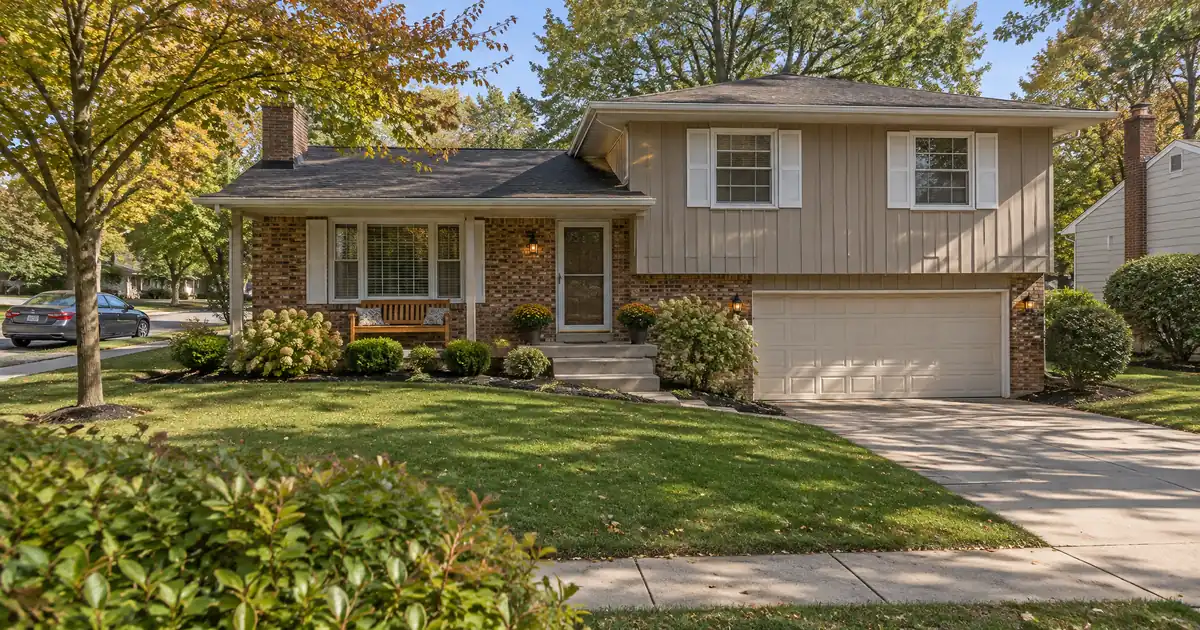
The Quick Read: It depends on the lender’s title-seasoning rule, not on any legal waiting period: the clock generally starts when the deed is recorded in your name, and programs differ, with some reviewing title case by case and others applying a fixed period measured from recording, so the exact answer comes from the program you apply through. A gift also raises questions a purchase never does, including the parent’s mortgage, title insurance, and how the property is vested.
- No law sets a waiting period for a line on a gifted rental. The wait is program policy.
- A signed deed that was never recorded does not change title in a lender’s eyes.
- On the network Lendmire brokers through, an investment line tops out at 70% CLTV and $500,000, and requires a 700 credit score.
- The property must be titled in your own name or a revocable living trust. An LLC cannot hold title on these lines.
- If the timing or title form does not fit, a DSCR cash-out refinance is the usual alternative. Final terms depend on the lender’s guidelines, the property type, and the borrower’s complete credit picture.
Is There a Legal Waiting Period After a Gift?
No. Neither federal nor state law sets a minimum holding period before a lender can place a lien on a gifted rental. Seasoning is a risk rule that each lender writes for itself, which is why two investors holding identical deeds can get different answers.
How large a line the equity supports.
An equity line is sized by combined loan-to-value, occupancy, and credit — not by rental coverage. Switch the occupancy or the credit band and the ceiling moves with it.
Investment-property lines require a 700 minimum credit score; second-home lines start at a 640 minimum and primary-residence lines at 600, and the combined-LTV ceiling steps down as the credit band drops on primary-residence and second-home lines and holds on investment-property lines; the line cap steps down on primary-residence lines and holds at every tier on investment-property and second-home lines.
A debt-to-income ratio above 45% requires 680+ credit. Profiles under 640 are limited to single-family homes. At least 75% of the approved line is drawn at closing. Ceilings, floors, and caps update from Lendmire’s centralized guideline source.
Line estimate
Illustrative estimate only — not a quote, Loan Estimate, approval, or commitment to lend. The rate is an editable assumption; equity-line pricing is variable through both the draw and repayment periods and never converts to fixed. Occupancy and credit drive the ceiling together: an investment property tops out at 70% combined LTV (minimum credit 700, line cap $500,000); a second home tops out at 90% combined LTV (minimum credit 640, line cap $500,000), with the ceiling stepping down as the credit band drops (the cap holds at every tier); a primary residence tops out at 90% combined LTV (minimum credit 600), and its $750,000 maximum line is available only at 75% combined LTV or below with a 700-or-better credit profile (720 on the longer-runway program) and a full appraisal. Lines above $500,000 require a full appraisal. Credit, debt-to-income, property type, and full underwriting review all affect the final line.
Lenders treat a gift differently from a purchase for a simple reason. A purchase comes with an arm’s-length price, a purchase contract, and usually an appraisal. A gift has none of those. There is no price, so the lender must establish value on its own, and a transfer between relatives gives it less assurance about the property’s history. Seasoning is the lender’s way of letting that history show up on the record before it lends against the equity.
The signing date and the date the parent handed over the keys do not count toward that period. Beyond the recorded deed, programs diverge. Some review title on a case-by-case basis, and others apply a fixed period measured from recording. Ask for the specific program’s title-seasoning rule in writing before you plan around any number.
What Starts the Clock?
Recording starts the clock. Once the deed is filed with the county in your name, individually or as trustee of your revocable living trust, you have a vesting date a lender can verify on a title report.
Here is the sequence on a typical gifted rental:
1. The deed is signed and recorded. The recording date, not the signing date, becomes your ownership date for seasoning.
2. Title is reviewed. The lender wants the recorded deed, a current title report, and confirmation of how title is held today.
3. Value is established. An investment line is capped at $500,000, so the file is ordinarily valued by an automated valuation rather than a traditional appraisal. A higher CLTV may call for a secondary valuation, and you can request a full appraisal if you want one.
4. Credit, equity, and debt-to-income are underwritten. An investment line is qualified on your credit profile, the equity in the property, and your debt-to-income ratio, which tops out at 50% and is measured on the interest-only payment at the maximum draw. It is not qualified on the rent the way a DSCR loan is.
5. Everyone on title signs. If the parent remains on title or on the existing first note, expect the parent to sign as well.
Notice what is missing from that list: the parent’s ownership history. A gift does not let you borrow the parent’s years of ownership. Where a child already held a share of title alongside the parent for a meaningful stretch before the rest was deeded over, that earlier co-ownership can change the analysis, but it is a lender-by-lender question and worth raising at the start.
Which Gift Scenario Do You Have?
How the transfer happened decides which clock a lender looks at and what you need to document. The table below summarizes the usual situations.
| How you got the property | Which date matters | What to document |
|---|---|---|
| Deed recorded to you alone | Recording date | Recorded deed, title report |
| Deed signed but not recorded | None yet | Record it first |
| Child already co-owned the property | Date you first appeared on title | Earlier recorded deed |
| Several siblings received it | Recording date, all owners sign | Deed, every owner’s consent |
| Property sits in the parent’s LLC | Vesting change needed first | New deed out of the LLC |
| Inherited, not gifted | When title vests in the heir | Probate order, recorded deed |
The inheritance row deserves a note, because investors confuse the two. An heir’s clock generally starts when title vests, not on the date of death, and slow probate pushes it back. A gift is a lifetime transfer, so the deed date is the start.
Does the Parent’s Mortgage Complicate Things?
Yes, and this is where gifts carry more risk than purchases. A deed moves title. It does not move the loan. If the parent still owes a first mortgage, the parent generally stays liable on that note after the transfer, and the lender holding it may have a due-on-sale clause that lets it demand full repayment when ownership changes.
Federal law limits enforcement of that clause in some situations involving family transfers. The protection is conditioned, though, and whether it reaches a rental, as opposed to a home the family lives in, is not something to assume. Treat it as a question for a real estate attorney before the deed is signed. The name of the document does not decide it either: calling a transfer a quitclaim creates no exception on its own.
Two practical points follow for the line itself:
- If the parent owns the rental free and clear, deeding it first costs you only the seasoning clock.
- If the parent has a mortgage, the new line would sit in second lien position behind it. The network’s investment line can be placed in first or second lien position and leaves the existing first mortgage untouched, but the lender will count that balance toward combined leverage.
Title insurance is the other loose end. The parent’s policy does not transfer to you with the deed, and a quitclaim carries no warranty of clean title. Ask the title company whether it will insure over the deed, because the lender will want a clean title report either way.
What Do the Network’s Investment Lines Actually Allow?
Investment-property equity lines are a narrow product, and the limits matter more to a gifted rental than the waiting period does. Across the select wholesale partners Lendmire places these files with, subject to lender guidelines and full file review, the typical parameters are:
- Leverage: 70% CLTV on an investment property, with no higher tier. A 720 score and a 700 score reach the same 70%, so extra credit buys nothing on this occupancy type.
- Credit: 700 minimum on an investment line, with no tier below it.
- Line size: up to $500,000 on an investment property. Larger lines are limited to primary residences.
- Structure: a 5-year interest-only draw followed by a 25-year repayment period, with at least 75% of the line drawn at closing.
- Title: an individual or a revocable living trust. LLCs, corporations, partnerships, and irrevocable, blind, or land trusts cannot hold title.
- Properties: single-family, 2-4 units, PUDs, townhomes, and condominiums, including non-warrantable condos. Manufactured homes, log homes, and mixed-use or agricultural properties are not offered.
- Exposure: a borrower is limited to three lines, and an owner of more than 15 financed properties is not eligible.
- Availability: the HELOC program is offered only in Lendmire’s 16 full-service states, which is narrower than its 41-market DSCR footprint, Washington, D.C. included.
The network figure for an investment property is the 70% above, and no tier goes higher.
A gifted rental often has a lot of equity, which makes the 70% cap and any existing first mortgage the numbers to check first. If the first mortgage is small or absent, a 70% combined limit can leave a sizable line even after the lender’s own valuation.
What Happens If the Rental Is in an LLC?
The line cannot go on it as titled. If the parent held the rental in an LLC and you were gifted either the property or the LLC interest, the property has to be deeded out of the entity into your name or revocable trust before this product applies. That deed starts a fresh seasoning conversation.
Moving a mortgaged rental out of an LLC can also trip the same due-on-sale question described above, so the sequence matters. If keeping the entity matters to you for liability reasons, the better fit is often a DSCR cash-out refinance, which handles entity-owned rentals subject to program terms and qualifies primarily on property-level rental income covering the payment, subject to lender guidelines.
Wait for the Line or Refinance Instead?
This is a genuine fork. The line suits an investor who wants a revolving pool of equity, intends to keep the rental, and has the credit and debt-to-income profile for it. A DSCR cash-out suits the investor whose title form blocks the line, whose personal debt-to-income is tight, or who wants a lump sum rather than a draw.
| Factor | Investment HELOC | DSCR cash-out refinance |
|---|---|---|
| Reviewed on | Credit, equity, DTI | Rental income vs. payment |
| Leverage | 70% CLTV | Around 75% LTV on standard rentals |
| Credit floor | 700 | Often around 660 |
| Seasoning | Program-specific title review | About 6 months is common |
| Title | Individual or revocable trust | LLC allowed per program terms |
Two cautions on that comparison. A cash-out refinance replaces the first mortgage, so if the parent’s loan is still in place, the payoff has to be dealt with as part of the transaction. And the DSCR number compares rent to the full monthly obligation of principal, interest, taxes, insurance, and any HOA dues. Clearing 1.00 does not mean the property cash-flows after repairs, vacancy, management, and utilities. For the broader mechanics, see Lendmire’s complete DSCR loans guide.
What Should You Do While You Wait?
Use the interval to remove obstacles instead of just counting months.
- Record the deed now if it has not been recorded. Nothing else starts until it is.
- Get the title report and check for liens, judgments, or a lingering parent-only mortgage.
- Decide on the vesting form. Individual or revocable trust works. Anything else needs a fix first.
- Pull your credit and see where you stand against a 700 floor, because an investment line has no tier beneath it.
- Tally your debt-to-income under the 50% maximum, remembering it is tested at the maximum draw.
- Talk to a CPA about the basis you inherit with a gift. Gifted property generally carries over the donor’s basis, which matters when you sell rather than when you borrow, and IRS Publication 551 explains how that basis is figured. Tax treatment varies; consult a qualified professional.
If your score sits below 700, the equity line is out of reach on this occupancy type no matter how long you hold the deed. In that case the DSCR route, which often accepts scores around 660, may fit better.
Key Terms Defined
Seasoning: the period a lender requires you to have owned a property, as shown on recorded title, before it will lend against it.
CLTV: combined loan-to-value, the total of all liens on the property divided by its value, which is the leverage number an equity line is measured against.
Quitclaim deed: a deed that passes whatever interest the signer holds without promising the title is clean.
Due-on-sale clause: a mortgage term that lets the lender demand full repayment when ownership transfers.
Vesting: the legal form in which title is held, such as an individual, a revocable trust, or an LLC.
DSCR: debt service coverage ratio, the property’s monthly rent divided by its monthly principal, interest, taxes, insurance, and HOA dues.
Frequently Asked Questions
Can I get an investment property HELOC the same month my parent’s deed is recorded?
Possibly, but only if the program’s title-seasoning rule allows it. Some programs review title case by case with no fixed minimum, while others measure a set period from the recording date. Ask for the specific rule in writing, and expect the lender to value the property itself because a gift carries no purchase price.
Does it matter whether my parent used a quitclaim deed or a warranty deed?
It matters for title protection more than for the clock. A quitclaim passes only what the parent holds and promises nothing about clean title, while a warranty deed carries guarantees. Lenders still key seasoning to the recorded deed date either way. The title company’s willingness to insure over the deed is the bigger practical question.
What if my parent still has a mortgage on the rental?
The mortgage stays with the parent’s loan, and the first-mortgage lender may have a due-on-sale clause. Federal law protects some family transfers, but whether it covers a rental is a question for a real estate attorney before you record anything. The new line would sit behind that mortgage, and its balance counts toward your combined leverage.
Can I put the line on a rental held in an LLC?
Not as titled. On this network the property must be held by an individual or a revocable living trust, so an LLC-held rental needs a vesting change first. A DSCR cash-out refinance is the alternative when you want to keep the entity, subject to program terms.
Is the line available in every state?
No. Check your property’s state before planning around the product.
Next Step
If you are considering a home equity line and want to see how the numbers work, Lendmire can help you compare HELOC options based on the property, the equity available, credit profile, combined leverage, and your goals. As a mortgage broker, Lendmire arranges financing through select lenders in its wholesale network, so every figure above remains subject to lender guidelines and full file review, and nothing here is a commitment to lend.
About Lendmire
Lendmire is a mortgage brokerage (NMLS# 2371349) arranging home equity lines of credit — primary-residence, second-home and investment-property lines — through a wholesale lending network in its 16 full-service states. Eligibility is determined by the lender on each file. Scotsman Guide named Lendmire a Top Mortgage Workplace in both 2025 and 2026.
Get Started
Ready to find the right loan for you?
See your offer in seconds. No credit pull, no obligation.
Informational only. Not a Loan Estimate, approval, or commitment to lend. Program availability and eligibility are subject to lender guidelines, credit approval, property review, and underwriting.
References
1. IRS Publication 551, Basis of Assets
This article is part of Lendmire’s investment property HELOC program — full qualification details, guidelines, and scenarios live on the program page.
Related reading: Can You Get a DSCR Cash-Out Refinance to Renovate a Rental Property? · Where to Get a DSCR Cash-Out Refinance When Deciding Between Airbnb and a Long-Term Rental · Short-Term Rental Cash-Out Refinance Checklist When Moving a Rental Property Into an LLC
Brandon Miller
Founder & CEO, Mortgage Loan Originator, Lendmire LLC
- Mortgage Loan Originator · NMLS# 1129696 · Verify on NMLS Consumer Access
- North Carolina Real Estate Broker · License# 343312 · Verify on NCREC
- North Carolina Insurance Producer · License# 19053198 · Property, Casualty, Life, Health · Verify on NAIC SBS
- Lendmire LLC · Firm NMLS# 2371349 · Verify firm licensure
Disclosure information. Lendmire is a state-licensed mortgage brokerage under NMLS# 2371349. Lendmire is not a depository institution, direct lender, or financial advisor — all loans referenced are placed through wholesale lender partners and are subject to each lender's underwriting standards. This article is provided for general informational purposes and is not a commitment to lend, nor does it constitute financial, legal, or tax advice. Loan programs, terms, rates, and qualification standards change without notice and depend on borrower profile, property type, and the state in which the subject property is located. Equal Housing Opportunity provider. NMLS Consumer Access: nmlsconsumeraccess.org.