
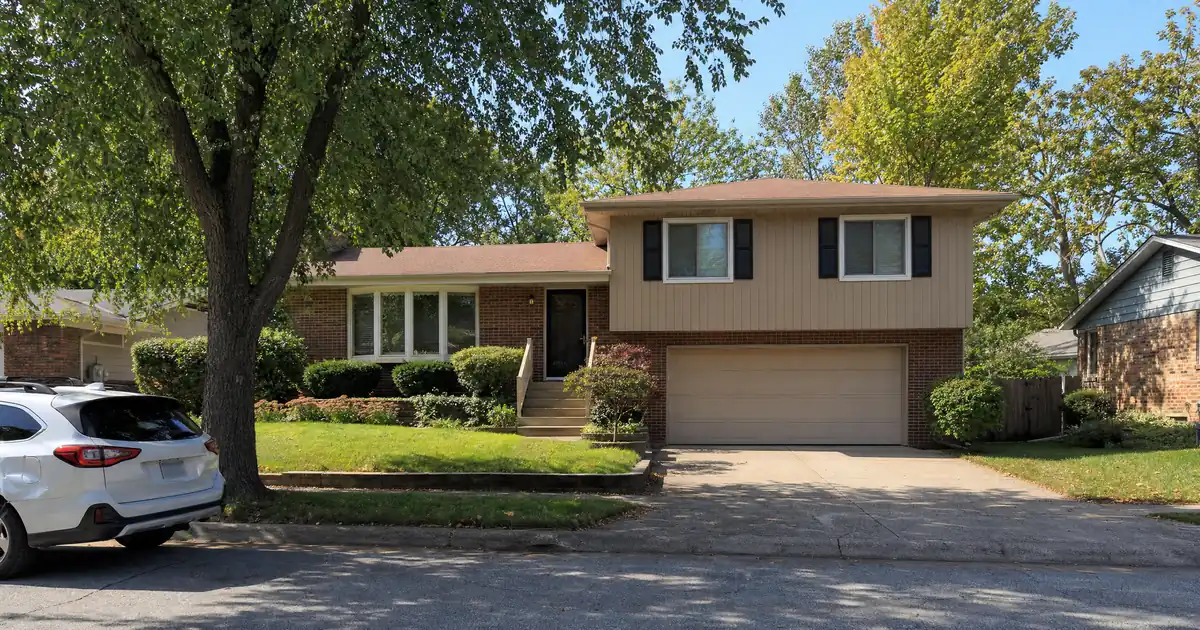
The Quick Read: A cash-out refinance replaces your existing mortgage with a new, bigger loan. Lenders size that new loan against the property’s current appraised value. They cap it at the program’s loan-to-value (LTV) ceiling — commonly around 75% on investment property cash-out deals. Here’s the math: take the appraised value, multiply by the LTV cap. That sets the maximum new loan. Subtract the current payoff and closing costs. What’s left is the cash you can pull. On a rental property, a second calculation runs at the same time. That’s the debt service coverage ratio (DSCR). It checks whether the property’s rent still covers the new, bigger payment before a lender will approve the file.
Cash-out refinance estimate
The starting figures are an example value with a balance and a cash request in proportion. Replace them with yours.
Editable benchmark: 7.40% as of October 15, 2026 · Freddie Mac 30-year average via FRED®. A conventional market reference, not a cash-out refinance quote.
Illustrative starting assumptions: a $350,000 home value, a $193,000 current balance, the agency cap on a one-unit principal residence, a thirty-year term at the current Freddie Mac benchmark, and property taxes and insurance estimated at typical national rates. Every field is editable.
Illustrative estimate only — not a Loan Estimate, approval, quote, or commitment to lend. The rate field carries the weekly Freddie Mac thirty-year conventional benchmark, a market reference and not a cash-out refinance quote; a cash-out loan is priced by the lender at lock. The cash available is the loan the program cap allows less the balances paid off, before closing costs, which are not included. The HELOC line is the program’s combined loan-to-value ceiling applied to the same value and balance. Taxes and insurance are editable estimates. Licensed in sixteen states for consumer mortgages.
Key takeaways:
- Cash-out math runs two calculations at once. One is an equity/LTV calculation that sets the ceiling. The other is a coverage-ratio calculation that checks whether rent still supports the bigger loan.
- On investment property, cash-out LTV typically tops out around 75% across most programs. That’s at or slightly below what you can get on a purchase.
- Most lenders want roughly six months of ownership seasoning. After that, they’ll use current appraised value instead of the original purchase price.
- Pulling the maximum cash-out amount a lender’s LTV ceiling allows can push coverage down toward — or below — the underwriting floor. This can happen even when the equity is genuinely there.
- A handful of named exceptions can shorten or waive the standard seasoning clock. These include delayed financing, BRRRR renovation cost basis, inherited property, and continuous LLC ownership.
Key Terms Defined
Loan-to-value (LTV): the new loan amount expressed as a percentage of the property’s appraised value. This is the single number that caps how large a cash-out loan can get.
Debt service coverage ratio (DSCR): qualifying monthly rent divided by the full monthly obligation (PITIA). Lenders use it to check whether the property’s income covers the new payment.
PITIA: principal, interest, taxes, insurance, and association dues, if any. This is the full monthly obligation that rent gets measured against.
Seasoning: the minimum time a lender wants you to have owned (or held equity in) a property. Clear that window, and a cash-out refinance can use current value instead of the original purchase price.
Rent schedule: a form the appraiser fills out showing comparable market rent for a property. It helps support — but doesn’t decide — how much income a lender will count.
What a Cash-Out Refinance Actually Does
A cash-out refinance pays off your existing loan on a property. It replaces that loan with a new, larger one. The difference gets released to you at closing. The property doesn’t change hands. Nothing about ownership shifts. Only the loan balance and the payment it produces change.
That’s different from a rate-and-term (or limited cash-out) refinance. There, the new loan amount stays close to the existing payoff plus costs, and no real equity leaves the property. Underwriting sorts out the transaction classification — cash-out versus rate-and-term — first on any file. That one decision sets the LTV ceiling and whether a seasoning clock even applies.
Step-by-Step: How the Calculation Runs
The mechanics follow the same sequence on nearly every investment-property cash-out file. It doesn’t matter if the property is a single-family rental, a small multifamily, or a short-term rental.
1. Classify the transaction. Rate-and-term or cash-out — this single decision sets the LTV ceiling and whether seasoning applies downstream.
2. Order the appraisal. A licensed appraiser determines current market value using comparable sales. That figure becomes the denominator in the LTV math. It also sets the absolute ceiling on the new loan.
3. Document the rent. When rental income helps you qualify, the appraiser also fills out a comparable rent schedule — Fannie Mae’s Form 1007 for single-family, or Form 1025 for 2-4 unit properties. The lender, not the appraiser, decides how much of that rent actually counts toward qualification. McKissock’s appraisal-education coverage of Form 1007 confirms this directly: the form is a tool lenders use to gauge sufficiency of income, but the final income decision sits with the lender.
4. Run the coverage ratio. Take the rent used for lender review and divide it by the full monthly obligation (PITIA). That produces the DSCR. A ratio at or above 1.00 means rent covers the payment. Most files clear more comfortably than that, since stronger coverage tends to unlock better leverage and pricing tiers.
5. Set the LTV ceiling. New loan amount equals appraised value times the program’s LTV cap. Cash to you equals the new loan amount minus the existing payoff minus closing costs. It’s percentage math against the appraisal. There’s no fixed dollar ceiling — only a percentage-of-value one.
6. Layer in credit, reserves, and title. Underwriting reviews your credit tier and reserve position, then clears title before funds go out. That’s when the old lien gets paid off and the balance gets released to you.
The Formula Block
Three formulas do the actual work on a cash-out file:
Equity = Current appraised value − existing loan balance.
Maximum new loan = Appraised value × the program’s LTV ceiling.
Coverage ratio (DSCR) = Qualifying monthly rent ÷ full monthly obligation (PITIA)
Cash-out proceeds come from the gap between the maximum new loan and the existing payoff plus closing costs. But the exact dollar result depends on the specific program, credit tier, and reserve position on a given file. That’s why it’s best to run that final number through a calculator instead of estimating it by hand.
Where the LTV Ceiling Actually Lands
On most files across Lendmire’s wholesale network, cash-out refinance leverage on investment property tops out around 75% LTV — a hard ceiling that doesn’t stretch higher regardless of credit profile. Purchase transactions run on a different scale entirely: 75-80% LTV is standard there, and select high-leverage purchase programs reach as high as 85% LTV for borrowers with roughly a 700+ credit score. That higher ceiling applies only to buying a property. It never applies to pulling cash out of one you already own.
| Transaction Type | Typical LTV Ceiling | Notes |
|---|---|---|
| Purchase (standard) | 75-80% | Up to 85% on select high-leverage programs, 700+ score |
| Cash-out refinance | Up to ~75% | ~6 months ownership seasoning typical |
| Short-term rental purchase | Up to ~75% | 700+ score, 1.00 coverage floor typical |
| Short-term rental cash-out | Up to ~70% | ~12 months hosting history commonly expected |
| Overlay states (CT, FL, IL, NJ) | ~75% cap on purchase | Loan size often capped near $2,000,000 |
Credit tiers move alongside leverage. A 620 floor exists in parts of the network. Most programs sit closer to 660 as a comfortable middle. A score of 700+ tends to unlock the strongest leverage tiers. Want to know where you land on that scale, and how it interacts with cash-out sizing? A guide to the credit score a cash-out refinance typically requires covers in more detail how the tiers stack.
Reserve requirements shift with leverage, loan size, and transaction type. Most files land around six months of PITIA in reserve. Conservative rate-term refinances at modest leverage under $1,500,000 sometimes see that requirement waived. Loans above that size generally step up toward nine months. None of these are fixed universal numbers. They move file by file based on the full risk picture.
The Trade-Off Every Cash-Out Decision Runs Through
Leverage and coverage pull in opposite directions on the same file. That tension is the real decision you face on a cash-out refinance — not just “how much equity is available.”
Picture a rental property appraised well above its original purchase price, with seasoning already cleared. At a 75% LTV ceiling, that appraised value sets the top of what the new loan can reach. The exact dollar figure depends on the program and credit tier you choose, and it’s best confirmed through a calculator rather than estimated by hand. Here’s what matters conceptually: the existing payoff and closing costs come off that ceiling, and whatever remains is the proceeds available to you. Terms vary by lender guidelines, property type, leverage, credit profile, and full file review.
Here’s the catch. A bigger loan means a bigger monthly obligation. And a bigger obligation can pull coverage down from comfortably above 1.00x toward the underwriting floor — even when the appraisal genuinely supports the higher loan amount. Say you pull the maximum the LTV ceiling technically allows. Your coverage ratio might drop into the low-1.0x range, or slip under it entirely. That typically forces a lender to ask for less cash out, more reserves, or a lower leverage tier before the file clears.
DSCR files across the network tend to show this pattern most clearly on properties bought several years ago at a much lower basis. The appraised value has climbed enough that the LTV math technically allows a large cash-out. But the rent on the lease hasn’t kept pace with what a fully maxed-out loan would require. The stronger move in that scenario is usually pulling less than the ceiling allows — protecting coverage — rather than maximizing proceeds and accepting thinner cash flow. That’s the trade-off every cash-out file runs through, whether you see it stated that plainly or not.
Clearing a 1.00x coverage ratio is not the same thing as positive cash flow for you as the owner. DSCR only measures whether rent covers PITIA. It says nothing about vacancy, repairs, property management fees, utilities, or capital expenditures. All of that sits outside the calculation entirely.
Where the Standard Rule Breaks: Edge Cases
Delayed financing on all-cash purchases. Did you buy entirely in cash — no mortgage, HELOC, seller financing, or private note? You can often refinance sooner than the standard seasoning window allows. But proceeds are typically capped at the lower of the appraised value at the applicable LTV or the documented cash purchase price — not the fully appreciated current value. This mirrors a delayed-financing concept the wider mortgage market has long used for buyers exiting all-cash acquisitions.
BRRRR renovation cost basis. Does the cash-out amount only recover documented purchase price plus verified renovation cost? Several programs in the network will waive the standard seasoning period. Pull more than that combined figure, and you generally trigger the full seasoning clock instead.
Inherited or legally-awarded property commonly waives the standard ownership-seasoning test outright, since you didn’t buy your way into the deal.
LLC vesting does not reset the clock. As long as beneficial ownership stays continuous, time held inside an LLC majority-owned or controlled by you typically counts toward meeting a seasoning requirement. This is one of the more commonly misunderstood mechanics in this space — worth confirming file by file, since program eligibility can vary.
Short-term rentals need a different rent schedule entirely. The standard rent schedule was built for monthly leases, not nightly bookings. Multiple appraisal-industry sources are direct about this: an appraiser should never simply multiply a nightly rate by 30 to estimate monthly rent. That approach overlooks vacancy, business expenses, and the ups and downs built into nightly-rate income. STR cash-out refinances across the network commonly run around 70% LTV, with roughly 640+ credit and about 12 months of hosting history expected, alongside a 1.00 coverage floor.
Multifamily (2-4 unit) tiering. These properties route to a different rent-schedule form than single-family. Because of that, cash-out leverage ceilings on 2-4 unit deals commonly land a few points below single-family leverage on the same transaction type.
Property type matters more than leverage. Manufactured homes (single- and double-wide), log homes, and barndominiums fall outside these DSCR programs entirely. That’s not because they’re a harder file to place — they’re simply not offered through this channel, regardless of equity position or coverage ratio.
DSCR loans are built for non-owner-occupied investment properties. Because they’re business-purpose investor loans, lenders review them differently than a standard owner-occupied mortgage. The Consumer Financial Protection Bureau’s Regulation Z exempts credit extended primarily for a business purpose from the Truth in Lending Act framework. That’s part of why non-QM lenders set their own seasoning windows instead of following the 12-month rule that governs agency-delivered cash-out refinances.
Common Misconceptions Worth Correcting
“The 12-month seasoning rule applies to every cash-out refinance.” It doesn’t. That figure governs agency-delivered loans specifically. DSCR loans sit outside that rulebook entirely, and each lender sets its own — typically shorter — window, commonly around six months across the network.
“An appraiser decides how much rent counts.” They don’t. The rent schedule documents a number. The lender decides what portion of it qualifies.
“DSCR above 1.00 means the property is cash-flow positive.” Coverage only checks whether rent covers the loan payment. Vacancy, repairs, management, and capital expenditures all sit outside the ratio.
“Nightly STR rates times 30 equal monthly rent for underwriting.” Appraisal-industry sources say this shortcut overlooks vacancy and expenses. That’s why STR properties get treated as a structurally different case, rather than a long-term rental with a bigger number attached — a distinction covered directly in Marketwise Valuation’s analysis of Form 1007 and short-term rentals.
The appraisal-form landscape itself is shifting industry-wide, too. Per McKissock’s coverage of the UAD 3.6 rollout, lenders are retiring legacy static appraisal forms in favor of a single dynamic reporting format on agency-delivered loans. That transition governs agency files directly. But non-QM appraisers pulled from the same national panels are expected to adapt to it over the same window.
The investor population this affects isn’t small. Investors made up roughly 11.3% of home purchases nationally in the most recent full year measured. They bought around 534,000 homes while selling about 442,000 — a net gain of roughly 92,000 properties, according to HousingWire’s coverage of Realtor.com’s Investor Report. Investors who keep accumulating without matching disposals are exactly the group that eventually needs equity recycled back out through a cash-out refinance rather than a sale.
Tax treatment on cash-out proceeds can depend on how you use the funds and how you hold the property. Keep clear records and talk with a qualified tax professional before relying on any deduction.
Frequently Asked Questions
Does moving my rental into an LLC restart the seasoning clock?
Generally not, as long as beneficial ownership stays continuous. Time held while vested in an LLC majority-owned or controlled by you typically counts toward meeting a seasoning requirement. This detail trips up investors who assume re-vesting resets the timer.
What happens if my coverage ratio drops below 1.00 after adding the new loan?
Sub-1.00 coverage structures are available through select lenders in the network, but leverage and terms adjust when coverage runs thin. In practice, many investors instead reduce the cash-out amount requested, add reserves, or step down to a lower leverage tier to keep coverage at or above 1.00x, since that tends to open better pricing and leverage tiers overall.
Is a 1.00 DSCR the standard requirement across every program?
No — 1.00 is where select programs set their floor, not a universal industry standard. Some programs want stronger coverage before extending maximum leverage. Eligibility ultimately depends on lender guidelines, credit profile, reserves, and property type.
Weighing a cash-out refinance on a rental property and want to see how the leverage, coverage, and equity math actually lines up? Lendmire can help compare DSCR loan options based on the property’s income, credit profile, and your goals. Reach the team at 828-256-2183 or request a quote to start the conversation.
For how equity extraction works on an investment property, see cash-out refinance on an investment property.
About Lendmire
Lendmire (NMLS# 2371349) is a mortgage broker that arranges DSCR investor loans through select lenders across its wholesale network, spanning 40 states plus Washington, D.C. — 41 markets total. Qualification runs primarily on whether the property’s rental income covers the payment, subject to lender guidelines, rather than on traditional personal-income documentation or W-2s. That’s part of why investors holding several financed rentals, filing under an LLC, or carrying depreciation write-offs that suppress reported income tend to find this lane more workable than a conventional debt-to-income framework. For the full mechanics of how these programs qualify and price, the complete DSCR loans guide walks through the entire program from the ground up. Scotsman Guide named Lendmire a Top Mortgage Workplace in both 2025 and 2026.
No loan approval is ever guaranteed, and nothing here is a commitment to lend. Every scenario described here is subject to lender approval and to borrower, property, and program guidelines that vary file by file. This article is general information, not financial, legal, or tax advice.
Get Started
Ready to find the right loan for you?
In about 30 seconds you can review financing options available for your investment property. No commitment required.
Informational only. Not a Loan Estimate, approval, or commitment to lend. Program availability and eligibility are subject to lender guidelines, credit approval, property review, and underwriting.
References
1. McKissock Learning — Form 1007 & Its Impact on Short-Term Rental Appraisals
2. Consumer Financial Protection Bureau — Regulation Z, §1026.3 Exempt Transactions
3. Marketwise Valuation Services — Understanding Short-Term Rentals and Form 1007
4. McKissock Learning — UAD 3.6 Implementation Timeline
This article is part of Lendmire’s cash-out refinance program — full qualification details, guidelines, and scenarios live on the program page.
Related reading: What Is Cash Out Refinance Mortgage · Tapping Investment Property Equity With A Cash Out Refinance · How To Calculate Risk Of Cash Out Refinance
Brandon Miller
Founder & CEO, Mortgage Loan Originator, Lendmire LLC
- Mortgage Loan Originator · NMLS# 1129696 · Verify on NMLS Consumer Access
- North Carolina Real Estate Broker · License# 343312 · Verify on NCREC
- North Carolina Insurance Producer · License# 19053198 · Property, Casualty, Life, Health · Verify on NAIC SBS
- Lendmire LLC · Firm NMLS# 2371349 · Verify firm licensure
Legal disclosures. Lendmire (NMLS# 2371349) is a state-licensed mortgage brokerage that arranges financing through wholesale lender relationships. Lendmire is not a direct lender, depository institution, or registered financial advisor. The discussion above is general informational content about real estate financing — it is not financial, legal, or tax advice, and readers should consult licensed professionals for guidance on their individual circumstances. Loan inquiries are subject to lender underwriting; this article does not represent a commitment to lend. Loan terms, rates, and qualification standards vary by borrower, property, and state, and are subject to change at any time. Equal Housing Opportunity. NMLS Consumer Access: nmlsconsumeraccess.org.