
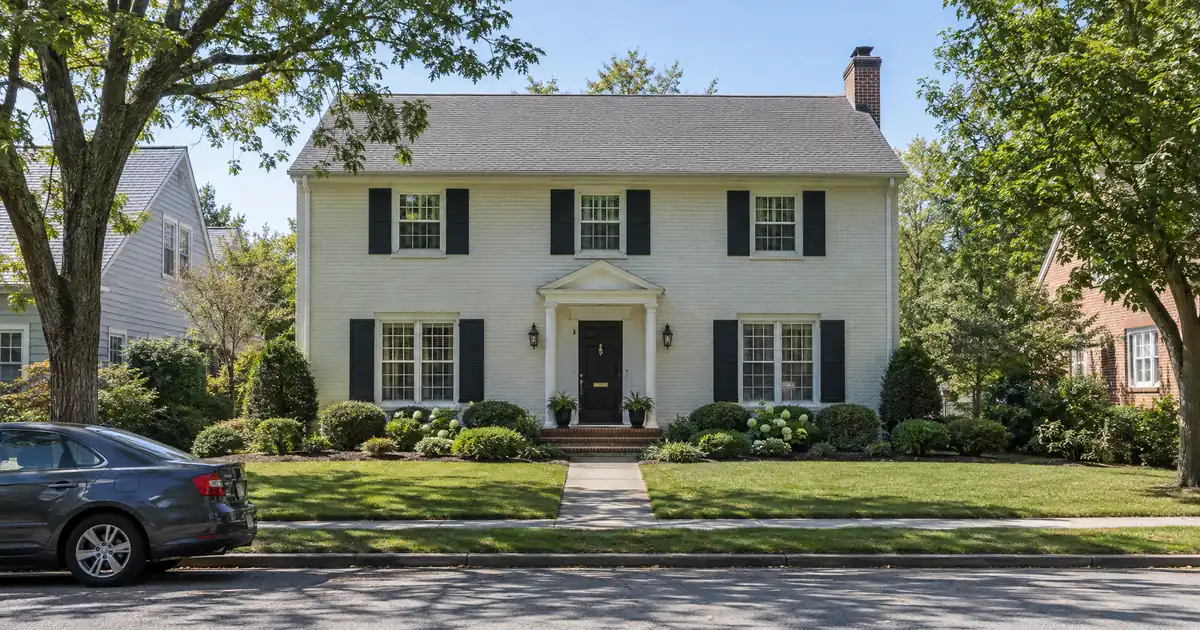
The Quick Read: A lender will not cash out an inherited rental until a recorded deed puts you on title in a form a title insurer will insure, and the sitting tenants rarely change that; across most programs in Lendmire’s wholesale network, roughly six months of ownership is expected, counted from the recording date rather than the date of death.
- Title comes first. Lease and rent evidence come second. The appraisal comes third.
- Cash-out refinance on an investment property tops out at 75% LTV (loan-to-value, the loan as a share of the property’s value). Select programs start at a 1.00 coverage ratio.
- Probate, a trust transfer or an executor’s deed can all deliver clean title. Each leaves a different paper trail.
- A decedent still on the deed, a missing heir or a title-insurer exception can stall a strong file.
- Some select lenders in the network treat inheritance as a transfer exception and shorten or waive the wait. That is lender-specific and never automatic. Terms vary by lender guidelines, property type, leverage, credit profile, and full file review.
Why Title Comes Before the Tenants
Title comes first because the lender is insuring a new lien, and the insurer must see a living, recorded owner. Tenants matter later, through the lease and the rent. A strong lease cannot fix a deed that still names someone who has died.
DSCR Cash-Out Calculator
Run the cash-out numbers in your market
Rate source: Freddie Mac 30-yr average via FRED® — Federal Reserve Bank of St. Louis · effective Oct 8, 2026
Prefilled with starting assumptions — enter your property’s value, balance, taxes, and insurance for a more accurate picture.
Program parameters update from Lendmire’s centralized guideline source. Taxes and insurance are editable estimates.
As of Oct 8, 2026 · General Freddie Mac market benchmark, not a Lendmire loan offer. Property value, balance, taxes, and insurance are editable estimates. Maximum loan-to-value varies by lender, program, property type, and seasoning. Not a Loan Estimate, approval, or commitment to lend. Program availability and eligibility are subject to lender guidelines, credit approval, property review, and underwriting.
The order of operations is the same on nearly every file. First the title company searches the record and issues a commitment, which is the insurer’s promise to insure once listed conditions are met. Then the lender reviews the lease and rent evidence. Then the appraiser visits the property and reports market rent.
DSCR loans are designed for non-owner-occupied investment properties. Because they are business-purpose investor loans, they are reviewed differently from a standard owner-occupied mortgage. The file qualifies primarily on property-level rental income covering the payment, subject to lender guidelines. Your personal paycheck is not the center of the review.
For the full picture of how these loans work, see Lendmire’s complete DSCR loans guide.
Key Terms Defined
DSCR (debt service coverage ratio): monthly rent divided by the full monthly payment of principal, interest, taxes, insurance and any HOA dues.
PITIA: that full monthly payment, abbreviated. Principal, interest, taxes, insurance and association dues.
Seasoning: the waiting period a lender wants between becoming the owner and taking cash out. Here it is measured from the recorded deed.
Probate: the court process that confirms who has authority over a dead person’s estate and passes the property along.
Executor’s deed: a deed signed by the court-appointed representative that moves title from the estate to an heir or buyer.
Letters testamentary (or letters of administration): the court document proving the representative has authority to act for the estate.
Chain of title: the recorded sequence of owners. A lender wants no gaps between the last living owner and you.
Vesting: the exact name or entity shown as the owner on the title policy.
Estoppel agreement: a tenant’s signed statement confirming the lease terms, rent and deposit, so everyone works from the same facts.
Rent schedule: the appraiser’s report of market rent. Agency forms 1007 (single-family) and 1025 (small residential income property) are the standard formats.
Which Inheritance Route Are You On?
How you inherited decides what paper a lender needs. The goal is identical in every row: a recorded, insurable owner.
| Route | Title evidence lenders want | Typical hold-up |
|---|---|---|
| Will, probate complete | Recorded executor’s deed or court order | Deed not yet recorded |
| Will, probate still open | Letters plus a deed or order | Authority exists, title has not moved |
| No will | Court-appointed administrator, then deed | Unknown or missing heirs |
| Trust | Trust certification, trustee signature | Trust terms limit trustee powers |
| Transfer-on-death deed | Recorded deed plus death certificate | Beneficiary paperwork not recorded |
| Surviving co-owner | Death certificate, recorded affidavit | Decedent still on the deed |
Rules differ by state, so a title company in the property’s county has the final word on what it will accept. Probate is typically needed when the decedent held the property in their own name, but small-estate procedures and trusts can shorten that road.
“Probate is finished” and “title is marketable” are not the same sentence. The public record decides, not family agreement. Lenders and title insurers read only the record.
Title Defects That Stall a Cash-Out
Most inherited files stall on a few defects. Each one has a cure.
| Defect | Why it blocks the file | Usual cure |
|---|---|---|
| Decedent still on the deed | No living, recorded owner | Complete and record the transfer |
| Missing or unknown heir | Insurer cannot insure all interests | Court process or heir affidavit |
| Insurer exception on the commitment | Policy will not cover a flagged risk | Clear the item or get insurer sign-off |
| Names differ across documents | Note, title, insurance and lease disagree | Align every document to one vesting |
That last row deserves a flag. Names must match across the note, title, insurance, appraisal and lease. On an estate-to-heir-to-LLC chain, mismatches creep in easily. Clean them up before the lender sees the file, not after.
What the Lease Does When the Landlord Has Died
The lease generally keeps running, and the tenants stay. A lender does not need them gone. It needs proof the rent is real and that someone with authority now collects it.
Local law governs your rights and duties as the new landlord, including notice and deposits, so confirm them with a local attorney. Three practical points come up on most files:
- Landlord of record. The lease names the decedent. Many files solve this with a written notice to tenants naming the new owner or representative, or an assignment of leases, which transfers the landlord’s rights under the lease to the new owner.
- Who collects rent during probate. That is usually the representative the court has authorized. Rent should flow into an account in the estate’s or the new owner’s name, which gives the lender a clean payment history.
- Security deposits. The money must follow the property. Tenants can ask where theirs sits, and the lender may ask too.
An estoppel agreement is a useful tool here. BiggerPockets describes it as a way to confirm lease terms before a purchase closes. On an inheritance, the same signed confirmation of rent, deposit and term gives the file one more piece of rent evidence. Whether a program asks for one varies by lender.
Month-to-month tenancies and expiring leases are workable. Expect the lender to look at the lease on hand and at the appraiser’s market rent, and the lower figure may drive the coverage ratio depending on the program.
Heirs, Buyouts and the One-Closing Sequence
When several heirs share a rental, a cash-out refinance is often the tool that pays the others. The buyout figure comes from the property’s value and the agreement among the heirs. The refinance proceeds then fund each departing heir’s share.
The sequence matters. Deeds, the buyout agreement and the payoff of any existing mortgage can all be handled at one title-company closing, with the deeds recorded as part of that closing. If one heir will not sign, the file does not move, because the insurer needs every interest accounted for.
Leverage limits the math. The new loan, including payoff, buyout and costs, must fit under the 75% LTV ceiling on a cash-out. Equity available depends on rent used for lender review, the full payment, reserves and that ceiling. It is not a guaranteed cash figure. Exact terms depend on the lender’s guidelines, property type, leverage, and a full review of the borrower’s file.
Lendmire’s piece Investor Cash-Out Refinance Requirements for Inherited Rental Buyouts covers the buyout side in more depth.
Should You Deed the Property to an LLC First?
Usually not. Deeding into an LLC before applying can restart a lender’s seasoning clock, because it creates a fresh recorded transfer. Many investors carry the habit over from conventional lending, but it is not a DSCR requirement.
A common DSCR structure is vesting title in the LLC at the refinance closing, with the title company recording the deed as part of the transaction. For an heir, that can mean one closing that moves title from your name into the entity. Loans to LLC-titled borrowers are subject to lender program eligibility, and how each lender counts time held in an LLC varies. Ask before you record anything.
For more on how title and the entity interact, see Lendmire’s piece Cash-Out Refinance on a Short-Term Rental Held in an LLC: Title, Vesting and the Entity. The vesting logic is the same for a long-term tenanted rental.
What Happens to the Decedent’s Mortgage?
If the decedent had a loan, the cash-out pays it off at closing, and the payoff statement comes from the servicer. Two federal rules matter during the gap before you refinance.
The first limits when an existing lender can call a loan due after certain transfers. 12 CFR 191.5 lists a transfer to a relative resulting from a borrower’s death among them, but the text ties that protection to a transferee who occupies or will occupy the home. The statute behind it, 12 U.S.C. §1701j-3, is written around residential property with fewer than five units. An heir who plans to keep renting may not fit that protection cleanly. Treat that as an open question for an attorney, not a settled answer.
The second concerns servicing. Under the federal servicing rule, a confirmed successor in interest is treated as a borrower for servicing purposes, without having to assume the loan. That gets you information and payoff figures. It does not guarantee a new loan.
Appraisal and Access With Tenants in Place
The appraiser needs entry, so tenants should get proper notice under local rules. The appraisal supplies the value and the market rent. The lender orders its own report. A date-of-death valuation used for estate or tax purposes does not substitute for it.
Tenants who feel surprised tend to complicate scheduling. A short, courteous letter naming the new owner, the appraisal visit and where to send rent prevents most of that.
What the Numbers Look Like
Here are the program figures that usually shape an inherited-rental file. They are typical ranges across select lenders in the network, subject to lender guidelines, and not a commitment to lend.
- Leverage: up to 75% LTV on a cash-out refinance of an investment property.
- Seasoning: about six months of ownership, measured from the recorded deed. Select lenders may shorten or waive it for inheritance if title is clean and the rent covers the payment.
- Coverage: 1.00 is where select programs start. A separate select-lender path goes below 1.00, with leverage and terms adjusted.
- Credit: a 620 floor exists in parts of the network, most programs want around 660, and 700 or higher opens the strongest leverage tiers.
- Reserves: commonly about six months of PITIA, stepping up to about nine months on loans above $1,500,000.
- Loan size: up to $3,000,000 on standard programs.
Consider a duplex inherited by two siblings, with leases in place and rent that clears roughly 1.2x. The deed is recorded and one heir buys out the other. The cash-out must cover the payoff, the buyout and costs within the 75% ceiling. Coverage and equity both have to work. A big down payment elsewhere would not rescue a thin ratio, and a strong ratio would not stretch a leverage cap.
Clearing 1.00 does not mean positive cash flow. Repairs, vacancy, management and utilities sit outside the DSCR calculation. Manufactured homes, log homes and barndominiums are not offered in these programs.
Tax treatment can depend on how the funds are used and how the property is held; investors should keep clear records and speak with a qualified tax professional before relying on any deduction.
The Order of Operations
1. Confirm who has legal authority and gather the death certificate and court documents.
2. Complete the transfer and record the deed in the county.
3. Order the title search and clear any defects or exceptions.
4. Collect the leases, rent history and any estoppel agreements.
5. Align names across title, insurance, lease and the loan file, and decide the vesting plan.
6. Confirm the seasoning treatment with the lender before you apply.
7. Schedule the appraisal with proper tenant notice, then close, paying off any old loan and any buyout at one table.
Frequently Asked Questions
Can I cash out while probate is still open?
Usually not on a standard path. The lender needs a recorded, insurable owner, and open probate often means title has not yet moved. If the court has authorized the representative to sign and the title company will insure, some files can proceed. Confirm that with the title company first.
Does the tenant have to move out?
No. A tenanted property is the normal collateral for a DSCR loan, since the rent is what qualifies the file. Existing leases generally continue, and local law governs notice and any changes.
Who collects the rent right now?
That depends on the estate documents and state law, but it is typically the court-authorized representative or the new titled owner. Keep the rent in a traceable account so the lender sees clear payment history.
Does the seasoning clock start at death or at recording?
It starts at the recorded deed across most programs in the network. Death alone does not make you the owner. Some select lenders treat inheritance as an exception and shorten the wait, but that is lender-specific.
What if one heir will not sign?
The file stalls, because the title insurer must account for every interest. The fix is a negotiated buyout, a court process, or waiting until the ownership question is resolved.
Next Step
If you are buying or refinancing a rental property and want to see how the numbers work, Lendmire, a broker arranging DSCR loans through select lenders across 41 markets, including Washington, D.C., can help you compare DSCR loan options based on the property income, credit profile, leverage and investor goals.
A deeper walk-through of investment-property equity extraction lives in Lendmire’s guide to cash-out refinance on an investment property.
About Lendmire
Lendmire is a non-QM mortgage brokerage (NMLS# 2371349) arranging DSCR investor loans in 41 markets, including Washington, D.C. DSCR eligibility is generally reviewed around property-level rental income rather than personal income, subject to lender and program guidelines, a fit for self-employed investors and LLC-owned portfolios. Lendmire was recognized as a Scotsman Guide Top Mortgage Workplace in 2025 and 2026.
Get Started
Ready to find the right loan for you?
In about 30 seconds you can review financing options available for your investment property. No commitment required.
Informational only. Not a Loan Estimate, approval, or commitment to lend. Program availability and eligibility are subject to lender guidelines, credit approval, property review, and underwriting.
References
1. BiggerPockets, estoppel agreements
3. Cornell LII, 12 U.S.C. §1701j-3
This article is part of Lendmire’s investment property cash-out refinance program — full qualification details, guidelines, and scenarios live on the program page.
Related reading: DSCR Cash-Out Documentation When a Lease Expires During Refinance · How to Clear a Solar Lien on Your First Rental Before a DSCR Cash-Out · How to Keep a Standing HELOC on a Rental to Fund the Next Deal
Brandon Miller
Founder & CEO, Mortgage Loan Originator, Lendmire LLC
- Mortgage Loan Originator · NMLS# 1129696 · Verify on NMLS Consumer Access
- North Carolina Real Estate Broker · License# 343312 · Verify on NCREC
- North Carolina Insurance Producer · License# 19053198 · Property, Casualty, Life, Health · Verify on NAIC SBS
- Lendmire LLC · Firm NMLS# 2371349 · Verify firm licensure
Disclosure information. Lendmire is a state-licensed mortgage brokerage under NMLS# 2371349. Lendmire is not a depository institution, direct lender, or financial advisor — all loans referenced are placed through wholesale lender partners and are subject to each lender's underwriting standards. This article is provided for general informational purposes and is not a commitment to lend, nor does it constitute financial, legal, or tax advice. Loan programs, terms, rates, and qualification standards change without notice and depend on borrower profile, property type, and the state in which the subject property is located. Equal Housing Opportunity provider. NMLS Consumer Access: nmlsconsumeraccess.org.