
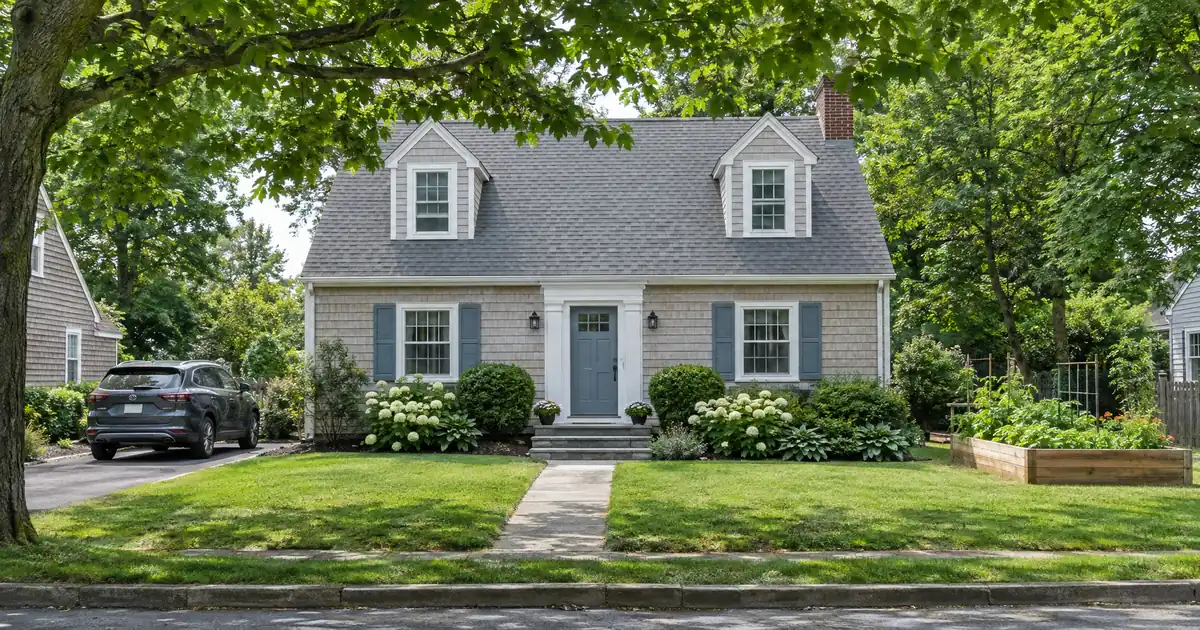
The Quick Read: Inherited tenants stay in place after a sale, and a DSCR lender documents them with the lease, proof of rent paid, and an appraiser’s market-rent opinion rather than a new lease or tenant credit. The file works best when those three pieces agree with each other, because the rent used for lender review is typically the lower of the lease and market rent, subject to lender guidelines.
- The tenancy survives the closing, so the buyer takes over the rent, the deposit obligation, and the lease end date.
- The tenant is not the borrower and does not re-qualify or sign a new lease.
- A signed lease, a rent ledger or bank deposits, and a deposit record form the core packet.
- An estoppel certificate confirms the tenant’s own facts and cuts underwriting questions.
- Expired, verbal, or below-market leases make a weaker file, not an automatically blocked one.
Across the wholesale network Lendmire works with, the pattern is consistent. Files with inherited tenants rarely fail because the tenant is inherited. They stall because the paperwork contradicts itself. This guide walks through the mechanics step by step, then the edge cases, then the decisions an investor actually faces. For the broader program picture, the complete DSCR loans guide covers how these loans work end to end.
Key Terms Defined
Inherited tenant: A tenant already living in the property under a lease the seller or prior owner signed.
Estoppel certificate: A short statement signed by the tenant that confirms rent, lease dates, deposit, and any side agreements.
Assignment of leases: The document in which the seller transfers the landlord’s role under each lease to the buyer.
Holdover or month-to-month: A tenancy that continues after the written lease term ends.
Market rent: The appraiser’s independent opinion of what the property would rent for today.
Rent roll: A unit-by-unit list of tenants, rents, lease dates, and deposits, used mainly on 2-4 unit properties.
PITIA: Principal, interest, taxes, insurance, and any HOA dues. This is the payment figure DSCR compares rent against.
What Does the Old Lease Actually Bind You To?
The lease runs with the property. In most U.S. jurisdictions a valid lease is treated as an interest in the real estate, so a buyer steps in as landlord and takes the property subject to the existing tenancy. The lease keeps its original terms. The tenant does not have to move, re-qualify, or sign anything new.
That is a legal status first and a lending fact second. The lender is not asking whether the tenant qualifies. The question is what rent this property can reasonably produce, and the lease is one piece of evidence.
Here is the catch. State and local rules vary on what a new owner can do at the end of a term. Some places let an owner decline renewal, and others limit that through rent control or just-cause rules, as a tenant-education explainer on landlord sales notes. Deposit handling is also state-governed. Confirm local rules before assuming you can reprice or replace a tenant.
How Does a DSCR Lender Treat the Lease?
The lender treats it as rent evidence, not tenant credit. DSCR divides the property’s monthly rent by its PITIA. Most programs we place files with compare the signed lease against the appraiser’s market-rent opinion and use the lower figure. Lendmire’s piece How a DSCR Lender Counts Rent From Inherited Tenants on Old Leases goes deeper on that comparison.
The appraiser’s opinion usually arrives on a rent schedule. The Fannie Mae Form 1007 is the single-family comparable rent schedule, and the Freddie Mac form instructions describe the appraiser preparing it as an attachment to the appraisal of a single-family investment property. The 2-4 unit counterpart is Form 1025. DSCR loans are not agency products. The form name is borrowed for its format, nothing more.
Three consequences follow:
- A lease above market is capped at market. The extra rent does not help the ratio.
- A lease below market pulls the ratio down, because the lower figure governs.
- A renewal signed after the appraisal does not change the market-rent opinion already in the report.
One more point on terms. Many select programs start at 1.00 coverage, with stronger ratios opening better pricing and leverage. A separate select-lender path takes coverage below 1.00, with leverage and terms adjusted. Clearing 1.00 is not the same as positive cash flow, since repairs, vacancy, management, and utilities sit outside the calculation.
The Documentation Process, Step by Step
1. Confirm the legal posture. The buyer inherits the rent, the deposit obligation, and the lease end date. Read the lease for any clause that ends the tenancy on sale.
2. Collect the lease file. Ask for copies of every lease and agreement during the purchase contract period and approve them before closing, as BiggerPockets investor guidance on existing tenants advises. The packet should hold:
- the signed lease with every amendment, addendum, and renewal;
- the security deposit record;
- a rent ledger or bank deposits proving payment;
- a rent roll, on 2-4 unit properties.
3. Get a tenant estoppel certificate. The tenant signs a short statement confirming the facts, and once signed the tenant is generally barred from contradicting it. Typical contents are rent and due date, lease start and end, renewal options, deposit held, prepaid rent or concessions, side agreements, and any claimed landlord default. The Motley Fool’s estoppel explainer notes that a buyer or lender is the usual party relying on it. Practitioners suggest writing the estoppel requirement into the purchase offer.
4. Assign the lease. The seller assigns the leases to the buyer, and tenants receive notice of the new payee. The assignment is a separate document from the estoppel. The estoppel confirms terms, and the assignment transfers the landlord’s role.
5. Transfer the deposit and prorate rent. The seller’s attorney or the title company usually handles this at closing.
6. Order the appraisal with the rent schedule. The underwriter sets the rent used for lender review from the lease-versus-market comparison and divides it by PITIA.
Timing matters most at step 6. Any renewal at market needs to be signed before the appraisal is ordered to count.
Which Situation Is Your File?
Different tenancy statuses produce different files. This table summarizes how lenders in the network typically read each one, subject to lender guidelines.
| Tenant situation | What the file needs | Typical fix |
|---|---|---|
| Current fixed term | Lease, payment proof, estoppel | Usually clean |
| Expired, tenant stayed | Written rent, payment proof | Renew at market before appraisal |
| Month-to-month | Ledger, deposit record | Document rent in writing |
| No written lease | Estoppel, bank deposits | Estoppel plus notice at closing |
| Below-market legacy lease | Lease plus market-rent report | Renew at market or cash out less |
| Prior owner’s lease, no assignment | Signed assignment | Get it before closing |
An expired lease with a tenant who kept paying is a weaker file, not a blocked one. The lender may lean on market rent, and written rent plus payment history helps. Renewing at market before the appraisal is ordered is the cleanest fix, if the tenant agrees.
Proving the Rent Is Real
A lease states rent. It does not prove anyone paid it. Lenders weigh evidence roughly in this order, strongest to weakest:
1. Bank deposits matching the stated rent, month after month.
2. A rent ledger that reconciles with those deposits.
3. A tenant-signed estoppel confirming the amount and due date.
4. Seller-prepared summaries with no backup.
If the seller kept thin records, reconstruct the history from the seller’s bank statements and ask the tenant to confirm in the estoppel. A rent claim sitting on a seller’s say-so alone is the weakest footing.
Do not pull an inherited tenant’s credit. The same BiggerPockets guidance cautions that a buyer lacks permission to do so unless the tenant grants it in writing, and the lender does not need it anyway.
Where the General Rule Breaks
No written lease at all. A BiggerPockets thread on buying with long-term tenants and no signed lease describes an attorney suggesting an estoppel plus a notice at closing. Underwriting then typically rests on market rent alone, with thinner evidence.
The tenant refuses the estoppel. A tenant generally must sign only if the lease requires it, as a law-firm explainer on estoppel certificates notes. Many leases have no such clause. In that case, ledger and deposit proof usually carry the file.
Verbal side deals. A deposit applied to rent or a prepaid last month can land on the new owner if nothing is documented. The estoppel exists to flush these out before closing.
Missing deposits. If the seller never held a tenant’s deposit, the buyer may still owe it. Negotiate a credit at closing.
Family-member tenants. These draw closer review and need clear payment proof.
Short-term rentals. Form 1007 is built for monthly rent, not nightly rates. Short-term rentals run on a separate track. Their rules can vary by city, county, HOA, and property type, so investors should confirm local rules before relying on projected rental income.
An agency contrast. Fannie Mae’s multifamily guide on commercial leases uses a formal Tenant Estoppel Certificate, Form 6413, for material commercial leases. That is a contrast point only. DSCR programs in the network set their own requirements.
Multi-Unit Buildings With Mixed Status
On a 2-4 unit property, build the rent roll unit by unit and flag each tenancy honestly. One unit may sit on a current term, another on month-to-month, and a third on a lapsed lease. Mixing statuses is fine. Hiding them is not.
The practical test is whether the roll, the leases, the estoppels, and the bank deposits tell the same story. When they disagree, fix the disagreement before the file goes to the lender. A deposit that does not reconcile or an occupant the lease never named creates conditions that slow everything down.
A Worked Example: The Below-Market Legacy Lease
Picture an investor buying a single-family rental with a tenant who has stayed for years on an old lease that has since rolled to month-to-month. Assume the legacy rent sits well under what the appraiser’s rent schedule supports. The investor puts 25% down on a purchase, within the 75%-80% LTV range typical across the network. Final terms depend on the lender’s guidelines, the property type, and the borrower’s complete credit picture.
The underwriter compares the lease to the market-rent opinion and uses the lower figure. With the legacy rent governing, coverage lands in borderline territory, near 1.0x. At the appraiser’s market rent, it would clear closer to 1.2x.
The investor has options. Renewing the tenant at market before the appraisal is ordered lifts the rent used for lender review, if the tenant agrees and local rules allow it. If the tenant declines, the investor can put more down to reduce the payment, or look at a select-lender path for coverage below 1.00, where leverage and terms adjust. A larger down payment helps the ratio, but it never erases leverage caps, credit floors, or reserve rules. All of this is subject to lender guidelines, credit approval, and property review.
This is also where a cash-out gets hurt most. A below-market inherited lease holds the rent used for program review down, so the proceeds shrink. Cash-out refinances on standard rentals top out around 75% LTV across most of the network, with about 6 months of seasoning the common expectation. For the several-rentals version of this question, see Lendmire’s piece, Can Inherited Tenants on Old Leases Count in a Portfolio DSCR Loan?. Each figure is subject to lender guidelines and a complete review of property type, leverage, and credit.
Timeline by Deal Stage
- In the offer: Require leases, ledgers, and an estoppel as conditions.
- Due diligence: Reconcile lease, deposit, bank deposits, and rent roll.
- Before the appraisal: Sign any renewal at market.
- At closing: Assign leases, transfer deposits, prorate rent.
- After closing: Send tenants the change-of-management notice with the new payee and maintenance contact.
Mistakes That Stall Files
- Assuming the lease rent sets the DSCR rent without the market-rent comparison.
- Signing a renewal after the appraisal and expecting it to count.
- Skipping the estoppel, then discovering a side deal.
- Treating the assignment and the estoppel as one document.
- Leaving the deposit unresolved at closing.
What the Investor Decision Looks Like
The decision usually comes down to three questions. Does the paperwork agree? Is the legacy rent at, above, or below market? And can you renew before the appraisal?
If the file is clean, little more is needed. If rent runs below market, weigh renewal against a smaller cash-out or a lower-leverage structure. If the lease is missing or expired, build the evidence yourself: ledger, deposits, estoppel.
If you are buying or refinancing a rental property and want to see how the numbers work, Lendmire can help you compare DSCR loan options based on the property income, credit profile, leverage, and investor goals.
Frequently Asked Questions
Can I raise rent on inherited tenants?
Not during a fixed term, because the lease keeps its original terms. After the term ends, or on a month-to-month tenancy, changes generally need proper notice under state and local law. Some jurisdictions limit increases through rent control.
Do I need a new lease with inherited tenants?
No. The existing lease carries over, and a new one is optional. A tenant can decline changes. A renewal at market can help the file, but only if signed before the appraisal is ordered.
What if there is no written lease?
The tenancy still exists, but the file is weaker. Underwriting typically leans on the appraiser’s market rent, supported by bank deposits and a tenant-signed estoppel. Qualification remains subject to lender guidelines.
Can the tenant refuse to sign an estoppel?
Generally, a tenant must sign only if the lease contains a clause requiring it. If the tenant declines, a rent ledger, bank deposits, and deposit records can stand in as evidence.
Does a month-to-month tenant hurt the loan?
Usually not outright. It makes a weaker file that needs written rent and payment proof, and the lender may lean on market rent. Loan size and terms depend on credit, leverage, reserves, and property review.
About Lendmire
Lendmire (NMLS# 2371349) is a DSCR-focused mortgage broker that helps arrange investor financing across 41 markets, including Washington, D.C., through wholesale and investor-lending channels. DSCR eligibility is generally reviewed by the lender around the property’s rental income rather than personal income documentation, subject to lender guidelines, which works for self-employed investors, LLC operators, and portfolios above four financed properties. Scotsman Guide named Lendmire a Top Mortgage Workplace in both 2025 and 2026.
Get Started
Ready to find the right loan for you?
In about 30 seconds you can review financing options available for your investment property. No commitment required.
Informational only. Not a Loan Estimate, approval, or commitment to lend. Program availability and eligibility are subject to lender guidelines, credit approval, property review, and underwriting.
References
1. Rental Real Estate: Selling a Rental With Tenants in Place
2. AAOL, Rights for Tenants When a Landlord Sells
4. Freddie Mac Form 1000 / Fannie Mae 1007
5. BiggerPockets: Buying Investment Properties With Existing Tenants
6. The Motley Fool: Estoppel Certificate
7. BiggerPockets: Buying a Property With Tenants, No Signed Lease
8. Tobener Law, Estoppel Certificates
9. BiggerPockets, deposit thread
This article is part of Lendmire’s DSCR loan program — full qualification details, guidelines, and scenarios live on the program page.
Related reading: Can a Pool of 150 Scattered Addresses Get One DSCR Loan? · How to Count Three Fourplexes Toward a DSCR Portfolio Loan · How a Portfolio DSCR Loan Escrows Rentals in Two States
Brandon Miller
Founder & CEO, Mortgage Loan Originator, Lendmire LLC
- Mortgage Loan Originator · NMLS# 1129696 · Verify on NMLS Consumer Access
- North Carolina Real Estate Broker · License# 343312 · Verify on NCREC
- North Carolina Insurance Producer · License# 19053198 · Property, Casualty, Life, Health · Verify on NAIC SBS
- Lendmire LLC · Firm NMLS# 2371349 · Verify firm licensure
Required disclosures. Lendmire (NMLS# 2371349) operates as a licensed mortgage broker, not a direct lender or depository. The discussion in this article is general in nature and should not be relied upon as financial, legal, or tax advice — every investment scenario is unique and should be reviewed by a qualified professional. Any loan inquiry is subject to lender underwriting, and this article is not a commitment to lend or a guarantee of approval. Mortgage rates, loan terms, and program guidelines vary by borrower, property, and state, and may change without notice. Equal Housing Opportunity. Verify licensure at NMLS Consumer Access.