
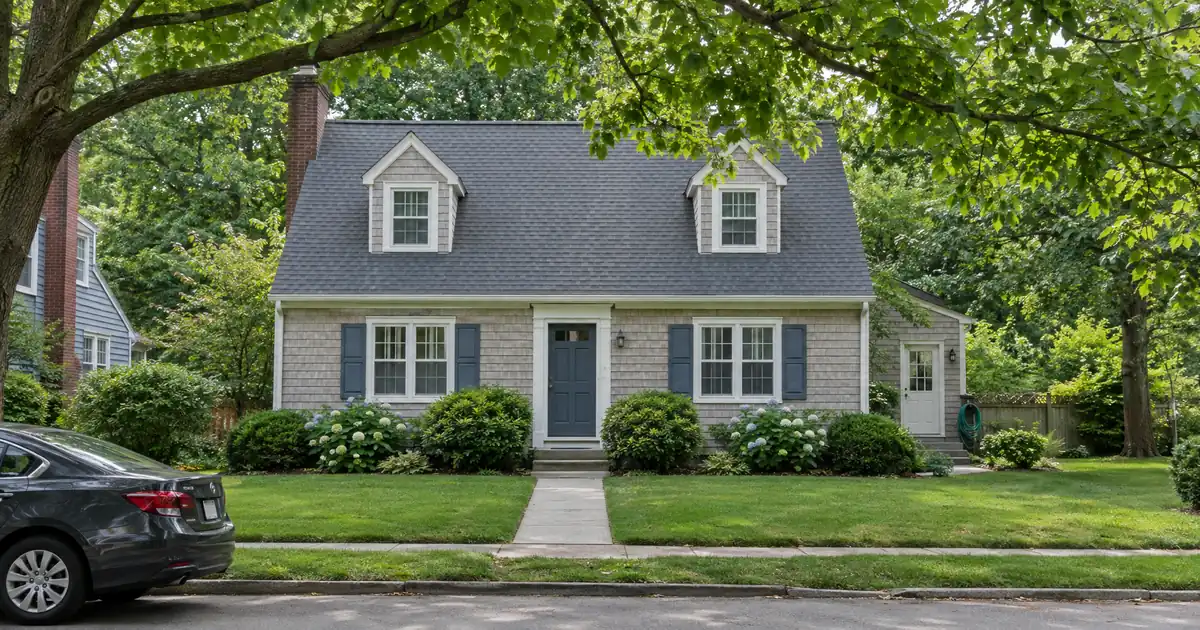
The Quick Read: Each rental needs its own policy, its own flood determination and its own premium, because the insurance line feeds the coverage math on every property separately. A homeowners policy does not work on a tenant-occupied house, and flood is a separate product in nearly every case. Quote early in each market, then match the paper to the loan file.
- Use a landlord-type policy (commonly a dwelling-fire form), not a homeowners policy, on any rented 1-4 unit.
- Order a flood zone check on every address. The premium joins the monthly obligation when it applies.
- The named insured, address, dates and lender wording must match the loan documents.
- A stale quote can shift a coverage ratio late in the file.
- Clearing a coverage ratio is not the same as positive cash flow.
Three rentals in three markets means three insurance pictures. One may sit in a storm corridor, one in a flood zone, one in a quiet inland suburb. The loan treats each the same way: rent compared to the full monthly carrying cost, with insurance inside that cost. Across Lendmire’s wholesale network of DSCR lenders, the insurance paper is where clean files and slow files part ways. This piece walks through the mechanics step by step. For the wider program picture, see the complete DSCR loans guide.
Key Terms Defined
- PITIA: principal, interest, taxes, insurance and any association dues, the monthly obligation that rent is measured against.
- DSCR: the property’s rent used for lender review divided by PITIA.
- Named insured: the person or entity listed on the policy as the owner of the coverage.
- Mortgagee clause: the policy wording that names the lender as a party with an interest in the property.
- Replacement cost: what it takes to rebuild the structure, which is different from the purchase price.
- Loss of rents (fair rental value): coverage that pays rent when a covered loss makes the unit unlivable.
- Special flood hazard area (SFHA): a mapped zone with a 1%-or-greater annual flood chance.
- Blanket policy: one policy that spans more than one property.
How Does a DSCR Lender Treat Insurance on a Rental?
Insurance shows up twice in a DSCR file. First, it is a closing condition: a proper policy in force, naming the lender. Second, it is a line in the monthly carrying cost. DSCR loans are designed for non-owner-occupied investment properties, and they are reviewed differently from a standard owner-occupied mortgage. The loan is reviewed primarily on property-level rental income covering the payment, subject to lender guidelines.
Here is the plumbing. Underwriting takes the rent used for lender review, a lease or an appraiser-supported market rent, and divides it by PITIA. Insurance premium sits in that denominator, and flood premium is added when it applies. Identical rent and identical price can clear in one market and miss in another purely on the insurance line.
Most standard programs we place files with start at 1.00 coverage. That is a floor for specific programs, not a universal standard. A separate select-lender path goes below 1.00, with leverage and terms adjusted. Stronger ratios open better pricing and leverage, which is why a bad quote matters even when the file still clears.
One caution. Clearing 1.00 does not mean the property cash flows. Repairs, vacancy, management, utilities and capital expenses sit outside the calculation. Insurance deductibles do too.
Which Policy Form Fits Each Rental?
Pick the form per property before you ask for a quote. A standard homeowners policy only applies when the owner lives in the home, and BiggerPockets explains that homeowners coverage will not pay for damage once the home is rented out. The usual form for a rented 1-4 family dwelling is a dwelling-fire policy, which some carriers call a landlord policy. A practitioner answer on BiggerPockets says to look for replacement-cost building coverage.
Sort each address into one of three buckets:
1. Long-term tenant-occupied. Landlord or dwelling-fire form with building coverage and liability.
2. Short-term rental. Homeowners policies exclude business activity, so nightly-guest use needs a policy written for it.
3. Vacant or renovation. These may need vacant-dwelling or builders-risk coverage.
Short-term rentals carry their own program terms: purchase to 75% LTV, refinance around 70%, and a 70% ceiling on cash-out against short-term-rental collateral. Expect a 640+ score and about 12 months of hosting history. Short-term rental rules can vary by city, county, HOA, and property type, so investors should confirm local rules before relying on projected rental income. Each figure is subject to lender guidelines and a complete review of property type, leverage, and credit.
Tenant renters insurance is not a substitute. Requiring it in the lease is smart, but it supplements the landlord’s policy and never replaces it.
Why Do Three Markets Mean Three Different Premiums?
Premiums swing hard by geography, and a single national assumption will mislead you. Insurance.com’s state data puts the average homeowners premium near $8,471 in Florida, against roughly $5,185 in Louisiana. Those are owner-occupied averages, not landlord averages. A rental policy typically costs more, and the article is a market snapshot, not a quote.
The trend matters too. Stacker, using Insurance.com data, reports a below-average state, Massachusetts, jumping 42.9% in a year while still ranking under the national average of $2,872. Cheap today does not mean cheap at the next renewal.
Deductibles differ by market as well. IRMI notes that wind and hail deductibles are often a percentage of the dwelling limit, and some Atlantic and Gulf states use a higher named-storm deductible. The percentage applies to the dwelling limit, not to the size of the loss. A 2% deductible on a large dwelling limit is a real out-of-pocket number on one claim, and that is a reserves question, not a ratio question.
What Does the Flood Check Add?
Flood is the biggest variable across markets, and it is a separate policy. Floodsmart notes that most homeowners, renters and business policies do not cover flood damage.
Order a zone determination on every address. Zones starting with A or V are special flood hazard areas. The federal mandatory-purchase rule traces to the Flood Disaster Protection Act of 1973, which FEMA’s glossary ties to buildings in identified high-risk areas where federal loans or assistance are involved. A non-bank DSCR lender is not automatically bound by that statute. Its flood condition comes from its own policy or its investor, so treat it as a contract term and confirm it per file.
Moderate-to-low zones are not exempt in practice. A lender can still require flood coverage in Zone X even though federal law does not.
Flood policies also have limits. “Other residential buildings” get up to $500,000. A higher-value rental can be underinsured on the federal policy alone. Excess flood coverage exists in the private market, and some private policies include loss of use. Whether a given lender accepts a specific private policy varies by lender.
One more trap: the federal flood form excludes loss of use and lost revenue. Meeting the flood condition can leave you with zero rent protection, which matters most on short-term rentals.
Blanket Policy or Three Separate Policies?
On a loan against one rental, a blanket policy is rarely the question. Insurance is regulated state by state, carrier licensing limits what one policy can span, and each property carries its own risk. Most investors with three markets end up with separate policies, or a hybrid where two similar properties share a carrier.
| Setup | Fits | Watch for |
|---|---|---|
| Three individual policies | Different states, different risk | Three renewal dates |
| One blanket policy | Similar nearby properties | Carrier licensing, lender acceptance |
| Hybrid | Two alike, one outlier | Tracking which paper covers which |
Lender acceptance is the sticking point. Across the network, whether a blanket policy satisfies a given file depends on the lender and the loan structure. Confirm it before you bind, not after.
The loan structure changes the picture. If three rentals sit under one note, the network has a 30-year portfolio DSCR loan, 2 to 20 properties under one note, with coverage measured on the pooled rent against pooled debt service. A rental portfolio term loan exists for five or more rental properties or units, and properties in several markets can sit under one loan. Either way, every property still carries its own insurance and its own flood determination. Pooling the ratio does not pool the paper.
How Does the Premium Move the Coverage Ratio?
Think of three rentals with similar price and similar rent. In the inland market the insurance line is modest and coverage lands around 1.25x. In the coastal market the premium is heavier, wind coverage is extra, and the same rent drops coverage to roughly 1.05x. In the flood-zone market the added flood premium pushes coverage close to 1.00x. These are modeled illustrations, not market data. The point is that the rent never changed.
A purchase typically runs 75%-80% LTV, with select high-leverage programs reaching 85% at roughly a 700+ score. A larger down payment lowers the monthly obligation and can lift the ratio, but it never erases leverage caps, credit floors, reserve rules or property eligibility. The strongest files clear both tests: enough equity and enough rental coverage.
Where the number lands below 1.00, a select-lender path exists in the network with leverage and terms adjusted. On the 30-year portfolio loan, the pooled coverage is what underwriting tests, along with the leverage and the terms, so a weaker property can sit in a pool whose combined coverage still clears the floor.
Reserves matter beside the ratio. They vary by lender, leverage, loan size and transaction type, commonly around 6 months of PITIA, with a step-up to about 9 months above $1,500,000. A percentage wind deductible is the kind of exposure those reserves are there to absorb.
Step by Step: Lining Up Coverage Across Three Markets
Work the markets in parallel, not in sequence.
1. Gather property facts. Address, year built, construction, occupancy type, flood zone, condo status, any vacancy or renovation plan. Disclose all of it to the agent. A quote built on missing facts changes later.
2. Quote early in every market. Get a real premium for each property before the ratio is finalized. Estimates that get replaced by the final premium late in the file are the quiet cause of ratio drops.
3. Set dwelling limits at replacement cost. The limit should reflect the cost to rebuild, per the BiggerPockets forum guidance, not the purchase price. Lenders check that the limit is adequate, and the test varies by lender.
4. Order flood determinations and bind flood early. NFIP policies carry a waiting period, generally 30 days with limited exceptions per a practitioner comparison, and private flood waiting periods are often shorter. Verify the exact period with the carrier.
5. Match the paper to the loan file. The insured address, named insured or LLC, effective dates, mortgagee clause and lender details must match the loan documents. LLC-titled borrowing is subject to lender program eligibility, so confirm the entity before the policy is written in its name.
6. Deliver evidence of insurance on each property. One package per address, one per market.
7. Calendar the renewals. Three policies mean three dates. If coverage lapses, the lender or servicer can charge for force-placed flood coverage from the lapse date under federal flood rules.
Where the General Rule Breaks
Condos. A master policy does not remove the need for unit-owner coverage. Many investors assume it does. Confirm what the master policy covers and what the unit still needs. Condo flood coverage also has its own limits and loss-assessment rules under the federal policy form.
Insurers of last resort. NAIC describes FAIR plans as state-mandated plans for properties that cannot get coverage in the regular market, typically with basic coverage only. Whether a lender accepts an FAIR Plan policy varies. These plans cover fewer perils, so ask whether a wraparound policy is needed before you go under contract.
Map changes. A parcel remapped into a high-risk zone can turn optional coverage into mandatory at the next loan event. A property that was Zone X at purchase may not be at refinance.
Short-term rentals. Flood and lost income do not travel together. Satisfying the flood condition does not protect rent.
Ineligible property types. Manufactured homes, log homes and barndominiums are not offered in the network’s DSCR programs, regardless of how clean the insurance is.
What If One Market’s Quote Breaks the Ratio?
Decide before the appraisal, not after. In files like this the practical options run in a fixed order:
- Shop independent agents who write the specific market. Carrier availability differs by state.
- Review the replacement-cost estimate. An inflated limit inflates the premium.
- Look at deductible structure, remembering that a higher percentage deductible shifts risk to your reserves.
- Check whether the flood zone call is accurate and whether a private flood policy fits.
- Adjust the leverage. A larger down payment lowers the monthly obligation.
- Review whether a different structure fits, including the select-lender path below 1.00 with adjusted terms.
Dropping coverage to hit the number is the wrong fix. Thin dwelling limits and missing loss-of-rents coverage create exposure that a ratio does not show.
Rent-loss coverage deserves a plain explanation. It pays when a covered loss makes the unit unlivable, per Steadily, but it does not replace rent lost to nonpayment, vacancy between tenants, or excluded perils such as flood. Liability limits and rent-loss limits are lender-specific, so ask for the exact condition on each file rather than assuming one number across markets.
Per-Property Closing Checklist
| Item | Market 1 | Market 2 | Market 3 |
|---|---|---|---|
| Policy form matches use | Confirm | Confirm | Confirm |
| Flood zone determination | Order | Order | Order |
| Dwelling limit at replacement cost | Check | Check | Check |
| Named insured matches borrower | Check | Check | Check |
| Mortgagee clause correct | Check | Check | Check |
| Effective date, no gaps | Check | Check | Check |
| Final premium in the ratio | Update | Update | Update |
Frequently Asked Questions
Can one policy cover rentals in three states?
Sometimes, but it is the exception. Insurance is regulated state by state and carrier licensing limits blanket coverage across state lines.
Does my home state matter for the insurance?
No. The policy follows the property, not where you live. A DSCR loan is reviewed primarily on property-level rental income, subject to lender guidelines, so each rental is insured, quoted and tested in its own market.
Does the federal flood mandate decide what a DSCR lender requires?
Not directly. The mandate binds federally regulated or insured lenders, and a non-bank lender’s flood rule comes from its own policy or its investor. Lenders can also go further than the law requires, including in lower-risk zones.
Does a flood policy protect my rental income?
No. The federal flood policy excludes loss of use and lost revenue, per the NFIP’s own coverage summary. Some private flood policies include loss-of-use coverage, which is worth asking about on short-term rentals.
Can I use my homeowners policy once I rent the house out?
No. Homeowners coverage is written for owner-occupied homes and will not respond to a loss on a tenant-occupied house. Move to a landlord-type policy before the lease starts.
What if each loan closes on a different schedule?
Each property carries its own evidence of insurance, so each file needs its own effective dates. Bind early in every market so no policy is waiting on the last one.
If you are buying or refinancing a rental property and want to see how the numbers work, Lendmire can help you compare DSCR loan options based on the property income, credit profile, leverage, and investor goals. Tax treatment varies, so consult a qualified professional before relying on any deduction.
Insurance premiums in storm and flood markets have kept climbing from year to year, so the carrying-cost line you quote today is the one most likely to move before your next renewal.
About Lendmire
As a non-QM mortgage broker (NMLS# 2371349), Lendmire facilitates DSCR investor loans across 41 markets, including Washington, D.C. DSCR eligibility is generally reviewed around property-level rental income instead of personal income documentation, subject to lender guidelines, serving LLC-structured portfolios and self-employed borrowers who don’t fit conventional boxes. A two-time Scotsman Guide Top Mortgage Workplace (2025, 2026).
Get Started
Ready to find the right loan for you?
In about 30 seconds you can review financing options available for your investment property. No commitment required.
Informational only. Not a Loan Estimate, approval, or commitment to lend. Program availability and eligibility are subject to lender guidelines, credit approval, property review, and underwriting.
References
1. BiggerPockets – Rental property insurance types
3. Insurance.com – Home insurance unaffordable states
4. Stacker, using Insurance.com data
5. IRMI
6. Floodsmart (FEMA/NFIP) – Buy a Policy
7. FEMA – Mandatory Purchase glossary
8. BiggerPockets forum guidance
10. Steadily
This article is part of Lendmire’s DSCR loan program — full qualification details, guidelines, and scenarios live on the program page.
Related reading: Can Rentals Be Refinanced Into One DSCR Loan Without Cash Out? · How a Family Office Uses a Portfolio DSCR Loan on Rentals · Can an Investor Finance Several Rentals Under One DSCR Loan?
Brandon Miller
Founder & CEO, Mortgage Loan Originator, Lendmire LLC
- Mortgage Loan Originator · NMLS# 1129696 · Verify on NMLS Consumer Access
- North Carolina Real Estate Broker · License# 343312 · Verify on NCREC
- North Carolina Insurance Producer · License# 19053198 · Property, Casualty, Life, Health · Verify on NAIC SBS
- Lendmire LLC · Firm NMLS# 2371349 · Verify firm licensure
Compliance and disclosures. Lendmire (NMLS# 2371349) is a licensed mortgage broker and is not a direct lender, depository institution, financial advisor, or tax professional. Content in this article is general market analysis and educational information — not financial, legal, or tax advice for any specific situation. Lendmire does not guarantee loan approval; every transaction is subject to underwriting by the funding lender. Mortgage pricing and loan program guidelines are subject to change at any time without notice and vary by borrower characteristics, property type, and state regulations. Lendmire complies with Equal Housing Opportunity. Licensure verification: NMLS Consumer Access.