
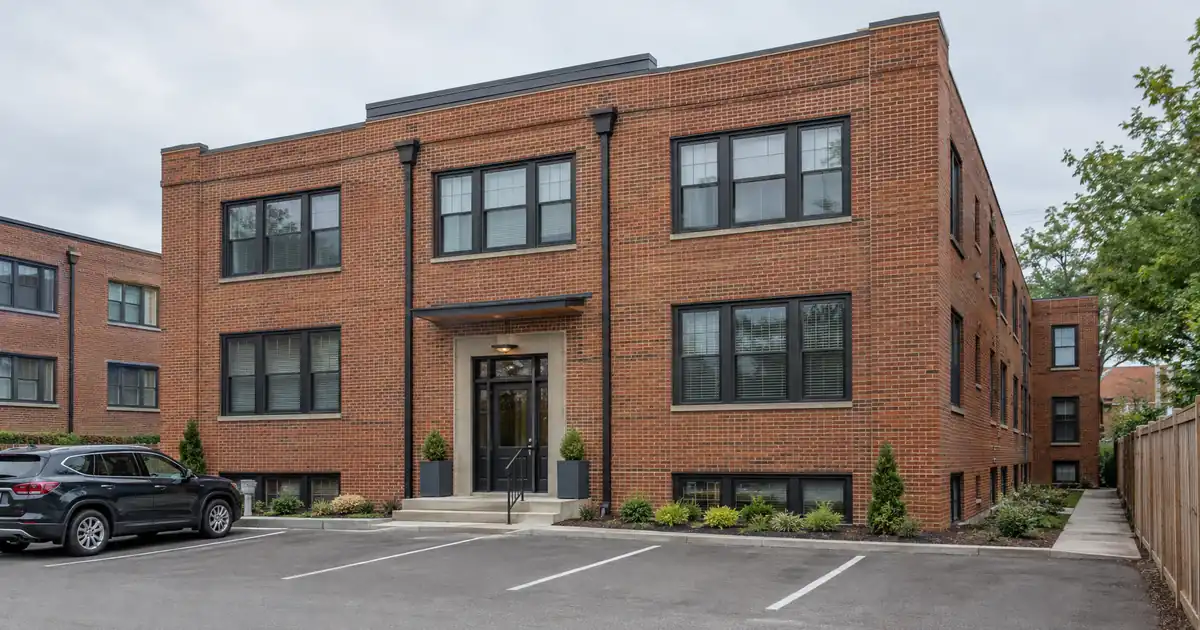
Ten doors, several LLCs, one note. That is where interest-only gets interesting, and where it gets risky.
The Quick Read: A blanket loan is one note secured by several rentals, and an interest-only period lowers the payment on that note for a set window. On the 30-year portfolio DSCR loan, an interest-only period is available, with coverage measured on pooled rent against pooled debt service, subject to lender guidelines. Whether that lower payment helps you qualify depends on which payment the lender tests.
- A blanket loan, DSCR lender review, and interest-only are three separate decisions.
- The 30-year portfolio DSCR loan covers 2 to 20 properties under one note, with a pooled coverage floor of 1.00.
- Interest-only lowers the payment, not the rent, and it never relaxes credit, leverage, or reserve rules.
- Every door resets on the same date when the interest-only window ends.
- LLC vesting, the release clause, and cross-default terms matter as much as the payment.
What Are You Actually Combining?
You are combining three decisions that marketing pages often bundle into one. The blanket is the collateral structure. DSCR is how the file qualifies. Interest-only is how the payment is set. Each can change without the others.
Nav describes a blanket lien as one that lets multiple properties secure a single loan, and notes that investors often use it when buying or refinancing a portfolio. Here, “portfolio DSCR loan,” “blanket loan,” and “cross-collateralized loan” all name the same thing: one note secured by several rentals. A bank’s “portfolio loan,” meaning a loan the bank keeps on its own books, is a different sense of the word.
A true blanket has one note and a lien on every property. A batch of loans closed together has separate notes, even with a shared appraiser and closing date. That distinction matters for everything below.
DSCR means debt service coverage ratio. It compares the rent to the housing payment, which is principal, interest, taxes, insurance, and any HOA dues (PITIA). Most DSCR loans cover a single property. The qualification method and the lien structure are not the same thing.
How Does Underwriting Treat Interest-Only on a Blanket? (Step by Step)
Underwriting treats it as a pooled test with per-property diligence underneath. Across the wholesale network, the sequence is consistent even though details vary by lender.
1. The pool is defined. The lender decides which properties sit on the one note. The 30-year portfolio DSCR loan takes 2 to 20 properties, with loan sizes from $300,000 to $5,000,000 and larger balances on review.
2. Each door still gets its own diligence. Every property needs a lease or an appraiser-supported market rent. The usual convention is the lower of the signed lease or the market rent, though it varies by program.
3. Rent is pooled. Total rent across all doors is divided by the total payment on the single note. The floor on this structure is 1.00 measured on the pool, so stronger properties can offset weaker ones.
4. The test payment is chosen. This is the swing factor, covered in the next section.
5. Leverage is tested separately. Aggregate LTV is total loan over total appraised value. The 30-year portfolio DSCR loan goes up to 80% of value on a purchase and on a rate-and-term refinance. Cash-out never exceeds 75% of pooled value.
6. Credit and reserves are tested separately. The credit floor on the portfolio programs is 640, and 680 or 720 on some structures. Reserves vary by lender and loan size, subject to lender guidelines.
Interest-only touches step 4 only. It does nothing for LTV, credit, or reserves.
The Swing Factor: Which Payment Gets Tested?
Programs fall into two camps, and the camp decides whether interest-only helps you qualify.
| Factor | Camp 1: Tests the IO payment | Camp 2: Tests the amortizing payment |
|---|---|---|
| Payment used for DSCR | Actual interest-only payment | Fully amortizing payment |
| Effect on qualification | Can lift a marginal pool | None |
| Effect on cash flow | Lower monthly outlay | Lower monthly outlay |
| Reserves | May follow either payment | May follow either payment |
In Camp 1, a marginal pooled ratio can clear the floor because the payment side shrinks. In Camp 2, interest-only helps your monthly cash but does nothing for qualification. Some lenders even test coverage on the interest-only payment while sizing reserves on the amortizing one.
Ask which camp a program sits in before you build the deal around it. A pool that only passes under Camp 1 is a pool that depends on one lender’s testing rule.
How Does the Pooled Math Work Across 10+ Doors?
Pooled math averages the whole portfolio into one ratio. Say you hold ten rentals, and eight of them cover their own payment comfortably. Two sit near break-even on their own. Pooled, the ten may clear 1.00 easily, and the lender tests the pool.
That is the upside. A weak door rides inside a strong pool.
Here is the catch. When a rental sits below 1.00 inside the pool, underwriting tests the pooled coverage, the leverage, and the terms. You are betting on all ten at once. A vacancy or a lease problem on two doors moves the whole ratio. Interest-only can mask that weakness during the window, because the lower payment flatters every door, including the thin ones.
Keep one point straight. Clearing 1.00 is not the same as positive cash flow. DSCR compares rent to PITIA only. Repairs, vacancy, management, utilities, and capital expenses sit outside the calculation.
LLC Mechanics Across 10+ Doors
The borrower question drives the file when the doors sit in several LLCs. Many portfolio structures want a special-purpose entity, typically an LLC, as the borrower. That can mean the properties are deeded into one entity before closing. Whether a program accepts multiple borrowing entities on one note is a program-level question, subject to program terms. Do not assume it.
If your doors sit in different LLCs, three things need sorting before you apply:
- Vesting. Which entity will hold title to each property on the note.
- Signing authority. Who can bind each entity to the loan documents.
- Guaranty. Recourse loans carry a personal guarantee. An LLC limits unrelated property-level claims, but it does not erase a guaranty, and the guaranty typically stays after a property leaves the lien.
Moving deeds has its own costs and consequences, so an attorney should review any restructuring before you commit. And cross-collateralization still links every asset, whatever the entity chart looks like.
Where the Pool Breaks: Edge Cases
The general rule is that the pool carries the weak doors. These are the places it stops working.
A Camp 2 test payment. The lender reviews your file on the amortizing payment, so interest-only gives no qualifying help.
No release clause. Nav notes that without a release clause, it is much more difficult to sell a property tied to a cross-collateralization loan. A release clause is a contract term, not a legal right. Partial releases, substitutions, and sales follow the loan documents and the lender’s release terms.
Release pricing. The release price runs above the property’s allocated balance. You do not simply pay back your door’s share. Read the release schedule before you sign.
Re-testing after a sale. The remaining portfolio must still cover its debt service. A vacant or late-paying asset can block the next release.
Cross-default. Standard loan language, such as a cross-default clause, says an event of default under any one mortgage constitutes an event of default under each of the others. One late payment problem can reach all doors.
Adding a door later. A release clause lets a property out. It does not let a new one in. Adding or substituting a property needs lender approval.
Property types. Manufactured homes (single- and double-wide), log homes, and barndominiums are not reviewable on these programs. Owner-occupied property, co-ops, mixed-use, and commercial property are ineligible in the pool as well. Small multifamily of five or more units is eligible only inside the rental portfolio term loan, covered below.
Two Structures, Two Different Interest-Only Answers
The 30-year portfolio DSCR loan and the rental portfolio term loan answer the interest-only question differently.
| Feature | 30-year portfolio DSCR loan | Rental portfolio term loan |
|---|---|---|
| Properties | 2 to 20 under one note | 5 or more properties or units |
| Loan size | $300,000 to $5,000,000 | $500,000 to $50,000,000 |
| Leverage | Up to 80% (purchase, rate-and-term) | Up to 75% |
| Term | 30-year term and schedule | Fixed 3, 5, 7, or 10 years with a balloon |
| Interest-only | Period available | Not part of the structure described here |
| Recourse | Personal guarantee on recourse loans | Recourse or non-recourse |
Larger balances on both are on review. Every figure is a program ceiling or floor, never a quote, subject to lender guidelines.
The 30-year structure is the one built around an interest-only window layered on a full 30-year schedule. The term loan carries a balloon at maturity, which is a different exit problem. It also carries yield-maintenance prepayment terms and holds reserves for taxes, insurance, and capital expenditures. A non-recourse loan looks to the real estate, with recourse limited to carve-outs such as fraud and bankruptcy.
The Shared Reset Date
The reset hits every door on the same day. When the interest-only window ends, the unchanged balance re-amortizes over the remaining years. The payment steps up, and it steps up on all 10+ doors at once.
Staggered separate loans spread that risk. A blanket concentrates it.
So model the post-interest-only payment on the full pool before you sign. Run the pooled rent against the fully amortizing payment and ask whether the ratio still holds. If it only works during the interest-only window, you are borrowing time, not building cushion.
Also remember that no principal is paid down during the window. Equity grows only through appreciation, so a flat or falling market leaves the balance exactly where it started.
Plan the exit before the reset: a refinance, a sale of select doors, or a bigger rent roll. Pricing at that refinance depends on coverage, leverage, and credit at that time.
One Blanket or Staggered Separate Loans?
| Factor | One blanket with IO | Separate loans per LLC |
|---|---|---|
| Closings and servicers | One | Many |
| Weak doors | Carried by pool | Qualify alone |
| Reset date | One for all doors | Can be staggered |
| Default exposure | Cross-default across pool | Contained per loan |
| Selling one door | Release terms apply | Payoff of one loan |
Pick the blanket when convenience and pooled qualification matter most. Pick separate loans when exit flexibility matters most. An investor who expects to sell individual doors should weigh the release clause above everything else.
What a Broker Sees on These Files
On blanket files with interest-only, the pooled ratio is rarely where trouble starts. The problems tend to show up in entity paperwork, in a release schedule nobody read closely, and in a reset-date payment that nobody modeled. Strong files across the wholesale network usually clear two tests at once: enough equity and enough rental coverage. Interest-only helps with neither on its own. A larger down payment lowers the payment and can lift the ratio, but it never erases leverage caps, credit floors, reserve rules, or property eligibility.
Lendmire’s complete DSCR loans guide covers the single-property basics if you want the groundwork first.
Is Interest-Only on a Blanket Right for You?
Run through this checklist before choosing the structure:
- Does the program test the interest-only payment or the amortizing one?
- Does the pool still clear 1.00 on the amortizing payment after the reset?
- Is the release clause written into the note, and what does the release price look like?
- Can every LLC be vested on one note, or must the deeds move?
- Are you comfortable with cross-default across all doors?
- Do you have an exit plan before the reset date?
If most answers are yes, the structure may fit. If you plan to sell doors one by one, skip the blanket and keep loans separate.
Lendmire’s how to use interest-only on a blanket STR loan before reset covers the same question for STR collateral.
Tax treatment can depend on how the funds are used and how the property is held; investors should keep clear records and speak with a qualified tax professional before relying on any deduction.
This article is educational and is not legal or tax advice. Consult a qualified attorney or CPA about your own entities, deeds, and loan documents.
If you are buying or refinancing a rental property and want to see how the numbers work, Lendmire can help you compare DSCR loan options based on the property income, credit profile, leverage, and investor goals. Lendmire is a broker that arranges DSCR investor financing through select lenders in its wholesale network, across 41 markets including Washington, D.C.
Key Terms Defined
Blanket loan: One note secured by a lien on several rentals, also called a portfolio or cross-collateralized loan.
Interest-only period: A set window in which the payment covers interest only, and the balance does not fall.
Pooled coverage: Total rent across all properties divided by the total payment on the single note.
Recast (reset): The date the interest-only window ends and the payment re-amortizes over the remaining years.
Release clause: A loan term that sets the price and conditions for removing one property from the lien.
Cross-default: A clause under which default on one part of the loan counts as default on all of it.
Allocated balance: The share of the loan amount the documents assign to each property.
Frequently Asked Questions
Is interest-only available on a DSCR blanket loan?
Yes, on select structures. The 30-year portfolio DSCR loan offers an interest-only period, subject to lender guidelines. The rental portfolio term loan is built around fixed terms with a balloon instead.
Do all my doors reset at the same time?
Yes. On one note, every property recasts on the same date. Separate loans can be staggered, but a blanket cannot.
What happens when I sell one door?
The release clause governs it. The release price runs above the property’s allocated balance, and the remaining pool must still cover its debt service. Without a release clause, a sale is much harder.
Can I hold the doors in different LLCs?
It depends on the program. Many structures want one special-purpose entity as the borrower, so doors in several LLCs may need to be vested into one entity first, subject to program terms. Recourse loans also carry a personal guarantee.
Does interest-only hide a weak door?
Yes, it can. The lower payment flatters every property, including thin ones, so test the pool on the amortizing payment too. Clearing 1.00 also says nothing about repairs, vacancy, or management costs.
About Lendmire
Lendmire, NMLS# 2371349, is a non-QM mortgage broker serving real estate investors in 41 markets, including Washington, D.C., through DSCR investor loan programs. Qualification is generally reviewed around the subject property’s rental income, not the borrower’s W-2 history — a practical fit for LLC-titled portfolios and self-employed investors. All scenarios remain subject to lender review and program guidelines. Two consecutive Scotsman Guide Top Mortgage Workplace recognitions (2025, 2026).
Get Started
Ready to find the right loan for you?
In about 30 seconds you can review financing options available for your investment property. No commitment required.
Informational only. Not a Loan Estimate, approval, or commitment to lend. Program availability and eligibility are subject to lender guidelines, credit approval, property review, and underwriting.
References
1. Nav, Cross Collateralization
2. Law Insider, Cross-Default; Cross-Collateralization clause
This article is part of Lendmire’s DSCR loan program — full qualification details, guidelines, and scenarios live on the program page.
Related reading: Does a Blanket DSCR Loan Make Sense for 10 or More LLC Rentals? · Can a Maturing Blanket Loan Be Replaced With a 30-Year DSCR Loan? · How a DSCR Portfolio Loan Sizes Reserves Before a Blanket Loan Matures
Brandon Miller
Founder & CEO, Mortgage Loan Originator, Lendmire LLC
- Mortgage Loan Originator · NMLS# 1129696 · Verify on NMLS Consumer Access
- North Carolina Real Estate Broker · License# 343312 · Verify on NCREC
- North Carolina Insurance Producer · License# 19053198 · Property, Casualty, Life, Health · Verify on NAIC SBS
- Lendmire LLC · Firm NMLS# 2371349 · Verify firm licensure
Disclosures. The information presented in this article is general market commentary, not financial, legal, or tax advice. Lendmire is a mortgage brokerage (NMLS# 2371349) — not a direct lender or depository institution — and loan placement is subject to lender underwriting. Nothing in this content represents a commitment to lend. Loan terms, pricing, and program availability vary based on borrower qualifications, property characteristics, and state of subject property, and are subject to change at any time. Lendmire complies with Equal Housing Opportunity requirements. Consumer access: nmlsconsumeraccess.org.