
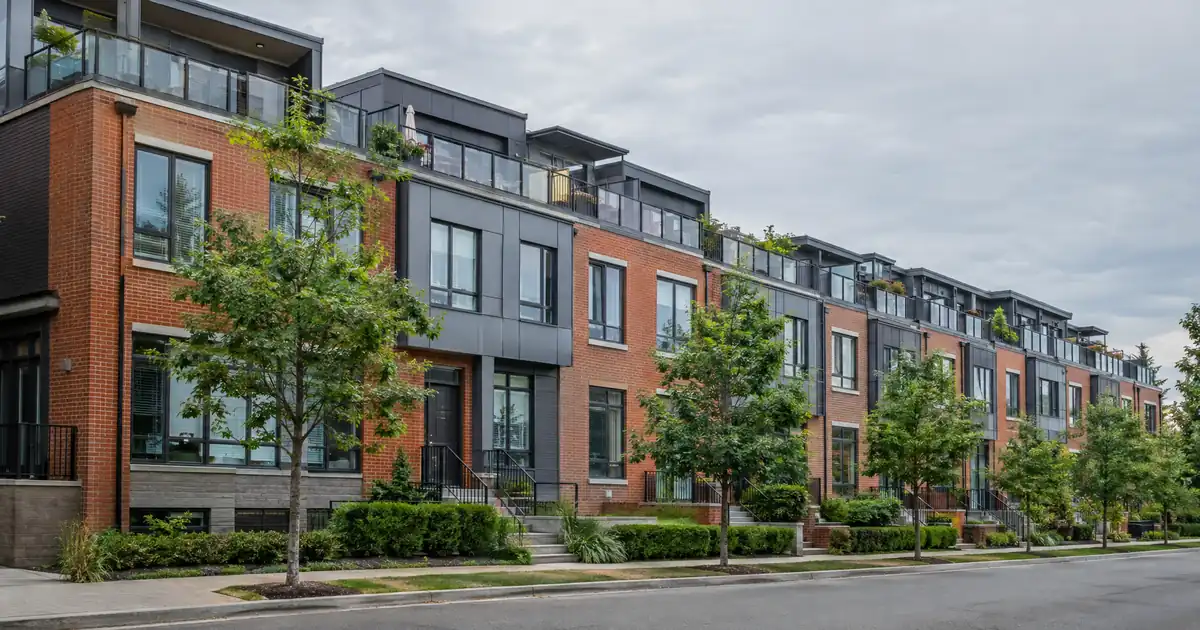
The Quick Read: Refinancing an investment property condo works like any other rental refinance. But there’s one extra layer. The building itself gets underwritten alongside the loan. Conventional lenders check that building against Fannie Mae’s project standards. A non-owner-occupied unit often gets pushed into the slower Full Review path instead of the quicker Limited Review path. DSCR loans skip most of that friction. They qualify based on the property’s rental income, not agency project rules. Still, HOA dues factor directly into the coverage math. And condotel or non-warrantable buildings still need the right kind of lender. Typical DSCR cash-out on a condo caps around 75% loan-to-value. Coverage and credit profile decide what leverage is actually available.
DSCR Calculator
Run the numbers in your market
Rate source: Freddie Mac 30-yr average via FRED® — Federal Reserve Bank of St. Louis · effective Jul 30, 2026
Prefilled with starting assumptions — enter your own rent or nightly figures, taxes, insurance, and HOA for a more accurate picture.
Program parameters update from Lendmire’s centralized guideline source. Taxes and insurance are editable estimates.
As of Jul 30, 2026 · General Freddie Mac market benchmark, not a Lendmire loan offer. Rent, nightly rate, occupancy, taxes, and insurance are editable estimates. Short-term rental figures are estimates only and vary significantly by season, property type, management approach, and local short-term-rental rules — confirm local regulations before relying on them. Qualifying income for short-term rentals varies by program — some use appraisal market rent, others use documented STR history or projections — and is confirmed in underwriting. Not a Loan Estimate, approval, or commitment to lend. Program availability and eligibility are subject to lender guidelines, credit approval, property review, and underwriting.
Key Terms Defined
Warrantable condo — a condo project that meets a lender’s project-level eligibility standards (financial health, litigation status, owner-occupancy ratio); non-warrantable means it fails one or more of those checks.
Full Review vs. Limited Review — two levels of condo project scrutiny under agency guidelines; Limited Review is a streamlined path for lower-risk transactions, Full Review is the document-intensive path required when a project or transaction falls outside those limits.
Condo questionnaire — a standardized form (Fannie Mae Form 1076 / Freddie Mac Form 476) that an HOA or management company completes, covering occupancy ratios, reserves, litigation, delinquency, and — since late 2021 — structural inspection history.
Master policy / HO-6 — the HOA’s blanket insurance policy covering the building and common areas, paired with the unit owner’s own HO-6 policy covering interior finishes, belongings, and loss assessments the master policy doesn’t reach.
DSCR (debt service coverage ratio) — a comparison of the property’s rental income against its full monthly obligation, used to qualify the loan instead of the borrower’s personal income.
Why Condo Refinances Get Extra Scrutiny
A condo refinance is really two files stacked on top of each other. One belongs to the borrower. The other belongs to the building. Lenders that sell loans to Fannie Mae or Freddie Mac must confirm the project meets eligibility standards first. They check the project, not just the unit, before the loan can be delivered. Fannie Mae’s Selling Guide treats project risk as separate from a borrower’s personal credit risk. That’s the root of everything else here.
Two review paths exist under that framework. A Limited Review is the shortcut. If the project and the deal meet the eligibility rules, the lender doesn’t have to dig further (Fannie Mae). But once leverage climbs past certain thresholds, the file drops into a Full Review. The same thing happens if the lender learns of a disqualifying issue. Full Review requires the lender’s Condo Project Manager system. It also requires complete HOA financial documents. Investment-property deals get pushed into Full Review most often. The streamlined path is generally saved for lower-risk occupancy types.
This matters more than it used to. After the Surfside collapse, the GSEs tightened condo underwriting across the board. Reserve requirements got stricter. So did engineering studies, insurance documents, and financial review. That squeeze cut off financing for a good number of existing buildings (National Association of Realtors). Some changes actually helped investors, though. The old 50% investor-concentration cap got eliminated for established projects under Full Review. Presale rules for brand-new projects are still in place. Recent trade reporting says the limited-review shortcut is fading further. Most condo deals will likely need full review and longer questionnaire paperwork going forward. Final terms still depend on lender guidelines, property type, leverage, and the borrower’s full credit picture.
None of that agency machinery touches a DSCR loan. A DSCR loan never gets sold to Fannie Mae or Freddie Mac. That’s the real dividing line to understand before shopping a condo refinance.
How DSCR Underwriting Actually Treats a Condo, Step by Step
Step 1 — The lender decides how much project review the file actually needs. DSCR lenders don’t check a project against a secondary-market checklist. They check whether the unit and the building carry acceptable risk for a loan the lender plans to hold or sell into a non-agency channel. That means less rigid rules. But it also means standards shift meaningfully from one lender to the next in Lendmire’s wholesale network. There’s no single published cutoff to point to.
Step 2 — The HOA questionnaire still gets collected. Even without an agency delivery requirement, most programs Lendmire places files with ask for a questionnaire much like the industry-standard form. That form covers occupancy ratios, litigation, delinquency, reserve adequacy, and — since the post-Surfside addendum — recent structural inspection findings (Fannie Mae Form 1076 addendum). If a building has an open evacuation order or an unresolved structural finding, that usually acts as a hard stop. Underwriting typically can’t work around it.
Step 3 — The appraisal comes back on a condo-specific form. Condo units get appraised on the Individual Condominium Unit Appraisal Report (Freddie Mac Form 465 / Fannie Mae Form 1073). This form makes the appraiser look closely at the association’s budget. The appraiser must comment on whether fees and reserves are adequate. The appraiser also must flag incomplete units or commercial space in the project. For an investment-property file, many lenders pair this with a market-rent schedule. That gives the DSCR calculation a solid rent figure to work from.
Step 4 — The property’s income gets tested against its full monthly obligation, HOA dues included. This is the piece that trips up investors who’ve only refinanced single-family rentals before. On a condo, PITIA isn’t the whole picture. Monthly HOA or association dues sit right alongside principal, interest, taxes, and insurance. That’s a real cost a detached rental never carries. It shrinks the coverage ratio compared to an otherwise identical single-family file. A unit that would clear comfortably above 1.00 as a house can land right at the coverage floor once dues get added in.
Step 5 — Insurance gets checked on two separate policies, not one. The HOA’s master policy covers the building and shared spaces. It’s funded through dues and comes in one of three structures: bare walls-in (structure and common areas only; the unit owner covers interior structural elements), single entity (extends to unit items like appliances but not owner upgrades), or all-in (the most complete, covering structure, unit items, and improvements) (State Farm). Whatever the master policy doesn’t cover, the borrower’s own HO-6 policy has to fill in. That includes dwelling improvements, belongings, liability, and loss assessments the association passes down (Progressive; Policygenius). Lenders don’t treat this as paperwork. It decides how much HO-6 coverage a borrower needs, and it can hold up closing if the HOA’s documents are incomplete or lapsed.
Step 6 — Cash-out deals get checked against seasoning. Lenders want ownership seasoning before they’ll use an updated post-purchase value instead of the original purchase price. This is a lender-specific overlay, and it varies a lot across the network. There’s no single published number here. It gets confirmed per lender, per file. That’s worth running down before you assume a timeline.
Where the General Rule Breaks: Edge Cases Worth Knowing
Condotels and hotel-condo hybrids. Units in buildings with front-desk rental programs, hotel-style amenities, or nightly booking services sit in a different risk category entirely. Their income and resale profile look more like hospitality real estate than housing. Agency guidelines rule these out for conventional delivery entirely. DSCR programs are, in practice, one of the few real financing options for this asset type. Lenders judge them on the unit’s actual rental performance instead of agency project standards.
Non-warrantable buildings. A condo can fail conventional review for reasons that have nothing to do with the unit itself. High investor concentration is one (it’s less of a hard stop than it used to be, but lenders still review it). Pending litigation is another. So are underfunded reserves and too much commercial space in the project. This is exactly where DSCR fills a gap conventional financing can’t. Qualification runs on the unit’s rent, not on the building clearing an agency checklist. That said, the lender still checks the building for red flags like unresolved structural findings or active litigation.
Deferred maintenance and structural findings. Financial metrics get weighed and scored. An unresolved engineering finding or an active evacuation order works differently. It tends to act as a flat disqualifier instead of something underwriting can negotiate around. This traces directly back to the post-Surfside questionnaire addendum.
Property types that don’t fit any of this. Worth saying plainly: manufactured homes (single- and double-wide), log homes, and barndominiums fall outside DSCR programs in Lendmire’s network entirely. If you’re weighing a condo refinance against another property type in your portfolio, know this distinction upfront. Don’t discover it mid-file.
What Leverage and Coverage Actually Look Like
Across the programs Lendmire places files with, purchase leverage on investment condos generally runs 75%-80% loan-to-value. Select high-leverage programs reach 85% for borrowers with roughly a 700+ credit score. Cash-out refinances run more conservative. Most of the network caps around 75% LTV. Roughly six months of title seasoning is a common expectation before a lender will use the current appraised value.
Coverage: 1.00 DSCR is where some programs start. It’s not a universal floor. A handful of lenders in the network will go below that with reduced leverage and stronger credit making up the difference. Credit floors run as low as 620 in parts of the network. Most programs want something closer to 660. And 700+ is what tends to unlock the strongest leverage tiers. Reserve expectations commonly land around six months of the full monthly obligation. That steps up toward nine months on loans above $1,500,000. Some conservative rate-and-term files at modest leverage under that threshold can see reserves waived. None of this is universal. It varies by lender, leverage, and transaction type. Every file gets underwritten on its own terms.
Here’s the thing worth sitting with before running the numbers on a specific unit: clearing 1.00 DSCR is not the same as positive cash flow. The ratio only compares rent to the monthly obligation. It doesn’t account for vacancy, repairs, management fees, utilities, or capital expenses. On a condo, that gap matters more than on a single-family rental. HOA dues already eat into the coverage ratio before any of those real-world costs even show up. A file that clears 1.15x on paper can still run thin once actual operating costs get layered on top.
| Occupancy Type | Typical Review Path | HOA Dues in Debt Calc? | Reserve Expectation |
|---|---|---|---|
| Primary residence | Often Limited Review eligible | N/A (DTI-based) | Lender-specific |
| Second home | More often Full Review | N/A (DTI-based) | Lender-specific |
| Investment (DSCR) | Lender’s own project review, not agency-based | Yes — included in PITIA denominator | ~6 months PITIA typical, ~9 above $1.5M |
DSCR loans are built for non-owner-occupied investment properties. Because they’re business-purpose loans, lenders review them differently from a standard owner-occupied mortgage. DSCR files are exempt from TRID disclosure timelines that apply to consumer mortgages.
An investor holding a condo through an LLC should expect the HOA and insurance verification to run through the entity name rather than a personal name, subject to program guidelines. Flag this detail to the lender early. Don’t let it surprise you at closing. For a broader look at how the rental-income review framework works across property types, Lendmire’s complete DSCR loans guide walks through the underlying mechanics in more depth.
A Practical Look at the Decision
Consider a duplex-versus-condo comparison an investor might actually face. A two-unit property with no HOA dues will generally clear a stronger coverage ratio at the same rent and leverage than a condo carrying a monthly association fee. That’s simply because the condo’s denominator is larger. That doesn’t make the condo a bad refinance candidate. It just means the rent needs to be higher, the leverage needs to be lower, or the credit profile needs to be strong enough to land better terms — to reach the same coverage territory.
Investors weighing a cash-out refinance to redeploy equity into another purchase should look at cash-out refinance to buy an investment property as one path. Or check out a straightforward investment property refinance if the goal is simply better terms on the existing unit. And for anyone converting a former primary residence condo into a rental, the mechanics around refinancing a primary residence into an investment property intersect directly with everything covered here on the condo-review side.
Tax treatment can depend on how you use the refinance proceeds and how the property is titled. Keep clear records and speak with a qualified tax professional before relying on any deduction.
Frequently Asked Questions
How to refinance investment property?
The core sequence: confirm current equity and rental income, order a condo-specific appraisal and HOA questionnaire if it applies, submit the file for underwriting against the coverage ratio and credit profile, and close subject to lender approval. On a condo, the HOA documentation and insurance review typically add a step a single-family refinance doesn’t require.
How soon can you refinance an investment property?
It depends on the lender and the transaction type. Cash-out refinances commonly involve a title-seasoning expectation — around six months is common across the network — before a lender will size the loan off an updated appraised value rather than the original purchase price. Rate-and-term refinances can sometimes move with less seasoning, but this varies file to file.
What makes a condo non-warrantable, and can it still be refinanced?
Non-warrantable generally means the project fails one or more conventional project-eligibility standards. Reasons can include reserve underfunding, active litigation, excessive commercial space, or unresolved structural findings. A non-warrantable building often can’t be refinanced conventionally. DSCR programs frequently remain an option, though, since qualification runs on the unit’s rental income rather than agency project checklists. Still, unresolved structural or safety findings tend to act as hard stops regardless of loan type.
About Lendmire
Lendmire is a mortgage broker, NMLS# 2371349, arranging DSCR investor loans through select lenders across 41 markets, including Washington, D.C. Loan approval is never guaranteed, and nothing here is a commitment to lend. Every scenario described here is subject to lender approval and to borrower, property, and program guidelines. This article is general information, not financial, legal, or tax advice. Scotsman Guide named Lendmire a Top Mortgage Workplace in both 2025 and 2026.
Get Started
Ready to find the right loan for you?
In about 30 seconds you can review financing options available for your investment property. No commitment required.
Informational only. Not a Loan Estimate, approval, or commitment to lend. Program availability and eligibility are subject to lender guidelines, credit approval, property review, and underwriting.
References
1. Fannie Mae Selling Guide — General Information: Project Standards
2. Fannie Mae Selling Guide — Limited Review Process
3. National Association of Realtors — Changes in Condominium Underwriting Guidelines
4. State Farm — What Is HO-6 Insurance?
6. Policygenius — HO-6 Condo Insurance
This article is part of Lendmire’s DSCR loan program — full qualification details, guidelines, and scenarios live on the program page.
Related reading: DSCR Loan Requirements For A Non-warrantable Condo Investment Property · Complete Guide to Hard Money Loans on Condo Properties · Luxury Short-term Rental DSCR Loan Requirements For A Non-warrantable Condo
Brandon Miller
Founder & CEO, Mortgage Loan Originator, Lendmire LLC
- Mortgage Loan Originator · NMLS# 1129696 · Verify on NMLS Consumer Access
- North Carolina Real Estate Broker · License# 343312 · Verify on NCREC
- North Carolina Insurance Producer · License# 19053198 · Property, Casualty, Life, Health · Verify on NAIC SBS
- Lendmire LLC · Firm NMLS# 2371349 · Verify firm licensure
Legal disclosures. Lendmire (NMLS# 2371349) is a state-licensed mortgage brokerage that arranges financing through wholesale lender relationships. Lendmire is not a direct lender, depository institution, or registered financial advisor. The discussion above is general informational content about real estate financing — it is not financial, legal, or tax advice, and readers should consult licensed professionals for guidance on their individual circumstances. Loan inquiries are subject to lender underwriting; this article does not represent a commitment to lend. Loan terms, rates, and qualification standards vary by borrower, property, and state, and are subject to change at any time. Equal Housing Opportunity. NMLS Consumer Access: nmlsconsumeraccess.org.