
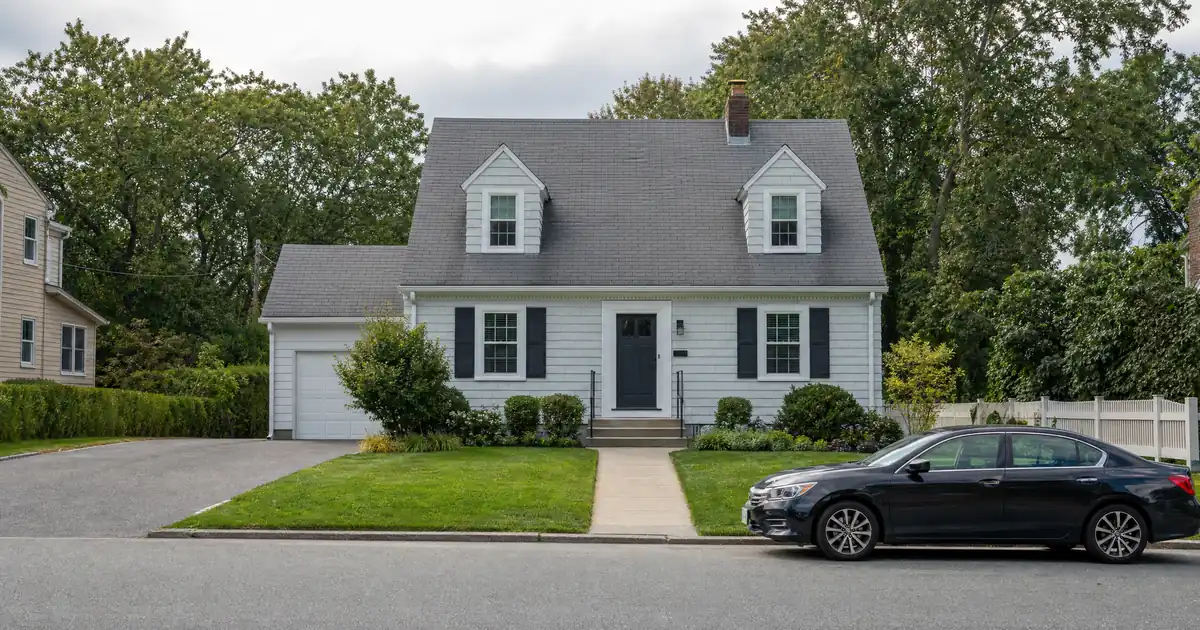
An investment property loan with no landlord history is possible for first-time investors using DSCR loans, which qualify on the property’s rental income. Investment Property Loan With No Experience — The Quick Read: Yes, a first-time investor can qualify for financing without ever owning a rental before. The loan type that makes this possible is a DSCR (debt-service-coverage ratio) loan. This loan looks at the property’s rental income. It does not look at the borrower’s job history or normal personal-income paperwork. Credit score, down payment, and cash reserves still matter. In fact, they matter more for a newer investor than an experienced one. But a documented landlord track record is not a line item on the application. The catch isn’t experience — it’s making sure the property’s rent actually clears the payment.
Key Takeaways
- Rental-property loans structured as DSCR products qualify on the property’s cash flow, not the borrower’s employment or prior landlord history.
- Most purchase files land between 75%-80% loan-to-value (20%-25% down), with select high-leverage programs reaching 85% LTV for borrowers around a 700 credit score.
- A 1.00 coverage ratio is the floor on select programs — not a universal standard — and it means rent covers the payment, not that the deal produces positive cash flow after real-world costs.
- Credit and reserves do the underwriting work that a job history or landlord résumé would do on a conventional loan.
- Some property types and structures — sub-1.00 ratio deals, manufactured housing, short-term rentals — carry different rules, and a first-time investor should know which lane applies before shopping for a property. Terms vary by lender guidelines, property type, leverage, credit profile, and full file review.
What “No Experience” Actually Means to an Underwriter
Picture two buyers side by side. One has zero rentals. The other owns thirty units. On a DSCR file, an underwriter treats them almost the same way. The real question isn’t who’s buying — it’s whether the property’s income covers its own payment. That’s the key difference between this loan type and a standard owner-occupied mortgage. It’s also why the “no experience” question works out so differently than most new investors expect.
DSCR Calculator
Run the numbers in your market
Rate source: Freddie Mac 30-yr average via FRED® — Federal Reserve Bank of St. Louis · effective Aug 13, 2026
Prefilled with local estimates — enter your own rent or nightly figures, taxes, insurance, and HOA for a more accurate picture.
Program parameters update from Lendmire’s centralized guideline source. Taxes and insurance are editable estimates.
As of Aug 13, 2026 · General Freddie Mac market benchmark, not a Lendmire loan offer. Rent, nightly rate, occupancy, taxes, and insurance are editable estimates. Short-term rental figures are estimates only and vary significantly by season, property type, management approach, and local short-term-rental rules — confirm local regulations before relying on them. Qualifying income for short-term rentals varies by program — some use appraisal market rent, others use documented STR history or projections — and is confirmed in underwriting. Not a Loan Estimate, approval, or commitment to lend. Program availability and eligibility are subject to lender guidelines, credit approval, property review, and underwriting.
DSCR loans are built for non-owner-occupied investment properties. They count as business-purpose investor loans. Because of that, lenders review them in a different way than a standard owner-occupied mortgage. They look at the deal, not the borrower’s personal financial history. A rental purchase, bought as an investment rather than a primary home, usually skips the paperwork used for conventional loans. Conventional loans need W-2s, personal-income documents, and a debt-to-income calculation to prove the borrower can personally cover the payment. This split between business purpose and consumer purpose is the reason the file never asks how many properties the borrower has managed before.
That doesn’t mean underwriting ignores the borrower completely. It means the borrower’s file gets checked on credit and cash instead of income and history. Scotsman Guide reports that a first-time investor can land a DSCR loan at 75% loan-to-value. A borrower with a high credit score can put down as little as 20% of the purchase price (Scotsman Guide). These terms have nothing to do with whether that borrower has ever owned a rental before.
Key Terms Defined
DSCR (debt-service-coverage ratio): the figure you get by dividing the property’s qualifying monthly rent by its full monthly housing payment — principal, interest, taxes, insurance, and any HOA dues (PITIA). A ratio of 1.00 means rent and payment are equal.
PITIA: shorthand for the full monthly housing bill a lender counts against rent — principal, interest, taxes, insurance, and association dues, if any.
Business-purpose loan: a loan made for an investment or income-producing purpose, not for buying a primary home. This is why DSCR loans sit outside the consumer-mortgage documentation rules that cover owner-occupied lending.
Reserves: liquid cash a borrower must show, on top of the down payment and closing costs. Lenders usually express this as months of PITIA the borrower could cover if the property sat empty.
Seasoning: the minimum time a property must be owned, or a prior loan must have existed, before certain refinance deals qualify. This comes up most often on cash-out refinances.
How Underwriting Actually Treats the File, Step by Step
The rent figure is the single most important number on a no-experience file. And it comes from an appraiser, not the borrower’s own guess. Underwriters lean on the same rent-check system the agency world uses. That means a comparable-rent schedule for single-unit properties, or an operating income statement for two-to-four-unit properties. This process documents what the property should really rent for (Fannie Mae Selling Guide). That figure — not a listing screenshot, not a borrower’s guess — becomes the top number in the coverage-ratio math.
From there, the process runs in a fairly steady order across the wholesale network:
1. Purpose classification. The file gets marked as a non-owner-occupied investment purchase. This lets the underwriter skip the income and DTI paperwork a conventional file would need.
2. Rent verification. An appraisal-based rent opinion sets the qualifying monthly rent, using the comparable-rent form that fits the unit count.
3. Coverage calculation. The rent used for lender review gets divided by the full PITIA payment. This produces the DSCR — the number that drives eligibility and pricing tiers.
4. Credit and liquidity review. Credit score tier, sourced and seasoned down payment funds, and post-closing reserves take the place of the income file a conventional loan would need.
5. Closing as a business-purpose transaction. No landlord history, employment check, or DTI math enters the file at any point in this process.
The reserve step is where a first-timer’s inexperience most often shows up — not as a hard rule, but as a judgment call. A borrower with thin reserves buying their first-ever rental may face a request for a stronger cash cushion. An established investor buying property number twelve might not face the same request, even though both files run through the same coverage-ratio math.
Where the Numbers Actually Land
Down payment size drives eligibility more than any other single factor on a first-time DSCR file. Most purchase deals land between 75% and 80% loan-to-value, meaning 20% to 25% down. A smaller group of high-leverage programs reach 85% LTV for borrowers with a credit score around 700 or higher. Credit floors run as low as 620 in parts of the network. Most programs, though, are built around a 660 minimum. The strongest leverage tiers open up closer to 700-plus.
Reserve requirements shift by lender, leverage, and loan size. They don’t follow one fixed rule. Conservative rate-and-term files at modest leverage under roughly $1.5 million can sometimes skip reserves entirely. Loans above that size commonly step up toward nine months of PITIA. Six months is a common expectation across the middle of the range. Loan sizes on standard programs generally run up to about $3 million. Above roughly $2.5 million, the network typically sticks with 30-year fixed structures rather than shorter or adjustable terms.
None of these numbers change because a borrower is buying their first rental instead of their fifth. What changes is how much cushion a lender wants behind the file. That’s a credit-and-reserves conversation, not an experience requirement. For a fuller walkthrough of how these programs are built, Lendmire’s complete DSCR loans guide breaks down qualification mechanics in more depth.
Comparing the No-Experience Paths
A first-time buyer weighing entry points into rental ownership is really choosing between four different underwriting approaches. The right one depends on whether the property will be owner-occupied, how much cash is on hand, and whether the buyer wants the loan tied to personal income at all.
| Path | Experience Required | Income Evaluated | Down Payment Tier | Best Fit |
|---|---|---|---|---|
| DSCR / non-QM | None | Property rent vs. PITIA | Typically 20-25%; select programs to 15% | Pure rental purchase, any experience level |
| Conventional 2-4 unit (owner-occupied) | None | Borrower income + DTI | Low, program-dependent | House-hack where owner lives in one unit |
| FHA/VA house-hack | None | Borrower income + DTI | Low, program-dependent | Owner-occupant buying a small multifamily |
| Seller financing / private money | None, but track record can affect terms | Negotiated with seller/lender | Highly variable | Off-market or credit-challenged scenarios |
The DSCR lane is the only one on this table where the borrower’s income, employment, and prior rental history simply don’t matter to the underwriting decision. The other three paths run through the borrower’s personal financial profile in some form, even when a track record isn’t formally required.
Where the “No Experience” Rule Actually Breaks
The rule bends in a few specific situations. A new investor should know which one applies before assuming a straightforward path.
Owner-occupied properties don’t automatically get the business-purpose treatment. A loan to buy a rental that will also be owner-occupied within the coming year only gets automatic business-purpose treatment once the property has more than two housing units. A duplex where the owner plans to live in one side needs closer classification than a stand-alone rental purchase (Compliance Alliance). That business-purpose classification traces back to a federal lending rule — Regulation Z — which draws the line between consumer-purpose and business-purpose loans. This rule explains why the unit-count threshold matters. A first-time buyer house-hacking a two-unit property sits in a genuinely different lane than a first-time buyer purchasing a non-owner-occupied single-family rental.
Short-term rentals change how rent gets proven, not whether experience matters. The standard comparable-rent appraisal form wasn’t built for single-family properties run as short-term rentals (McKissock). So STR files typically add nightly-rate platform data or booking history on top of the appraisal. Purchase leverage on STR properties in the network typically runs up to 75% LTV. Refinance and cash-out deals run closer to 70%. Short-term rentals qualify at a 1.00 coverage threshold on purchase and refinance at reduced maximum leverage, and require a 12-month income history or market data report at most lenders.
Sub-1.00 coverage ratios aren’t automatic declines, but they aren’t free either. Some deals don’t clear a 1.00 ratio on rent alone. Select lenders in the network will still look at these files. But they usually ask for reduced leverage, stronger credit, or extra reserves instead of applying standard terms. A borrower opts into this program with tradeoffs attached — it’s never a guaranteed structure.
Portfolio size, not experience, is where agency financing runs out. Conventional and agency-backed loans cap out around ten financed properties per borrower. This limit has nothing to do with when a borrower started investing (Scotsman Guide). DSCR loans don’t get sold to the agencies, so that ceiling never applies. This matters even for a first-time buyer whose real plan is to scale past a handful of rentals over time.
Certain property types are simply outside these programs, regardless of experience. Manufactured homes (single- and double-wide), log homes, and barndominiums fall outside DSCR eligibility in the network entirely. They aren’t harder to finance or financed on stricter terms. They’re just not offered.
What Actually Substitutes for Experience
Credit and cash carry the weight that a landlord track record would carry on a conventional loan. The borrower’s ability to document both cleanly matters more than any story about prior property management. Non-QM borrower data backs this up. The average non-QM borrower carried a 776 credit score, close to conventional conforming borrowers. This challenges the idea that no-experience financing is a lower-credit-quality product (Scotsman Guide). Exact terms still depend on the lender’s guidelines, property type, leverage, and a full review of the borrower’s file.
A first-time investor can strengthen a file the same way an experienced one does. Show verified reserves that comfortably beat the minimum for the loan size. Push for a credit score above the program’s stated floor rather than sitting right at it. Get a defensible rent number backed by the appraisal, not a hopeful guess. None of that needs a rental history. It just needs a clean, well-documented file.
Here’s a useful bit of market context for a first-timer: investors made up a large share of single-family purchases nationally at the end of a recent year, holding roughly steady from a year earlier (Cotality). Most of that investor activity comes from small buyers who own a handful of properties, not institutional players. That means a first deal enters a market crowded with peers, not competitors with bottomless capital.
After the First Deal Closes
A first-time investor who closes a DSCR purchase often faces the same “no track record” question again at refinance time. The good news: the loan type doesn’t ask for one there either. Borrowers looking to pull equity or restructure terms down the line can review options like a streamlined refinance for investment property, a refinance built around no personal income documentation, or a refinance path for an investor who already owns the property free and clear. Each one still qualifies mainly on the property’s rental income, not the owner’s job history.
Lendmire arranges DSCR loans through select lenders in its wholesale network across 40 states plus Washington, D.C. — under NMLS# 2371349, working with investors whether the deal in front of them is a first purchase or a fortieth. Investors can reach the team at 828-256-2183 or request a quote directly to see how a specific property’s coverage ratio and credit profile line up against current program guidelines.
Loan approval is never guaranteed, and nothing here is a commitment to lend. Every scenario described here depends on lender approval, credit review, property eligibility, and program guidelines that can change. This content is general information only — not financial, legal, or tax advice. Tax treatment can depend on how a property is held and how proceeds get used. Investors should keep clear records and talk with a qualified tax professional before relying on any deduction.
Frequently Asked Questions
Do I need a job or traditional employment income to get a DSCR loan?
No personal income documentation is required. Qualification runs on the property’s rental income covering its payment, subject to lender guidelines. Credit score, down payment, and reserves still get reviewed. A paycheck simply isn’t part of the file the way it would be on a conventional mortgage.
Can I close a DSCR loan in an LLC instead of my personal name?
Many lenders in the network allow title in an LLC or other entity, subject to program eligibility and the lender’s specific requirements. Entity ownership doesn’t change the coverage-ratio math, though some lenders ask for slightly different paperwork on entity-held files.
What if my rental doesn’t quite cover the payment on paper?
A ratio below 1.00 isn’t an automatic decline. Select lenders in the network will still consider these files with adjustments like reduced leverage or added reserves rather than standard terms. It’s a tradeoff-driven structure, not a guaranteed path. It’s worth confirming which lenders in the network offer it for the specific property type in question.
Does buying my first rental as a short-term rental change anything?
Yes — STR purchases typically carry a lower leverage ceiling (around 75%), a higher credit expectation (around 640-plus), roughly twelve months of hosting history for refinances, and a different rent-verification method than a standard 12-month lease. This holds true regardless of whether the buyer has hosted before.
Is there a limit to how many rentals I can eventually finance this way?
Not through DSCR financing. The ten-financed-property ceiling that applies to conventional and agency-backed loans doesn’t apply here, since these loans aren’t sold to the agencies. That’s part of why investors planning to scale past a handful of properties often move to DSCR financing even for their very first purchase.
About Lendmire
Lendmire is a DSCR-focused mortgage brokerage, NMLS# 2371349, placing investor loans across 41 markets, including Washington, D.C. Lenders generally review DSCR eligibility around a property’s rental income rather than personal income documentation. This fits LLC-held rentals, self-employed investors, and portfolios scaling past conventional financed-property limits. Scotsman Guide named Lendmire a Top Mortgage Workplace in both 2025 and 2026.
Get Started
Ready to find the right loan for you?
In about 30 seconds you can review financing options available for your home or investment property. No commitment required.
Informational only. Not a Loan Estimate, approval, or commitment to lend. Program availability and eligibility are subject to lender guidelines, credit approval, property review, and underwriting.
References
1. Scotsman Guide — An Ace in the Hole
2. Fannie Mae Selling Guide — Rental Income (B3-3.8-01)
3. Compliance Alliance — Regulation Z and “Investment” Properties
4. eCFR — 12 CFR § 1026.3, Exempt Transactions
5. McKissock Learning — Form 1007 and Its Impact on Short-Term Rental Appraisals
6. Scotsman Guide — To the Rescue with the Right Loan at the Right Time
7. Scotsman Guide — Which Groups Are Driving Non-QM Lending?
8. Cotality — Home Investor Report Q4 2025
This article is part of Lendmire’s DSCR loan program — full qualification details, guidelines, and scenarios live on the program page.
Related reading: How To Buy Your First Rental On A DSCR Loan Without Landlord History · How A Luxury DSCR Loan Reads A Founder’s Prior Rental Experience? · First Time Landlord Loan Options
Brandon Miller
Founder & CEO, Mortgage Loan Originator, Lendmire LLC
- Mortgage Loan Originator · NMLS# 1129696 · Verify on NMLS Consumer Access
- North Carolina Real Estate Broker · License# 343312 · Verify on NCREC
- North Carolina Insurance Producer · License# 19053198 · Property, Casualty, Life, Health · Verify on NAIC SBS
- Lendmire LLC · Firm NMLS# 2371349 · Verify firm licensure
Important disclosures. Lendmire (NMLS# 2371349) is a licensed mortgage brokerage. Lendmire is not a direct lender, depository institution, or financial advisor. All loan inquiries are subject to lender underwriting; this article does not constitute a commitment to lend. Rates, terms, and program guidelines are subject to change without notice and vary by borrower profile, property type, and state. Information in this article is general in nature and is not financial, legal, or tax advice. Equal Housing Opportunity. NMLS Consumer Access: nmlsconsumeraccess.org.