
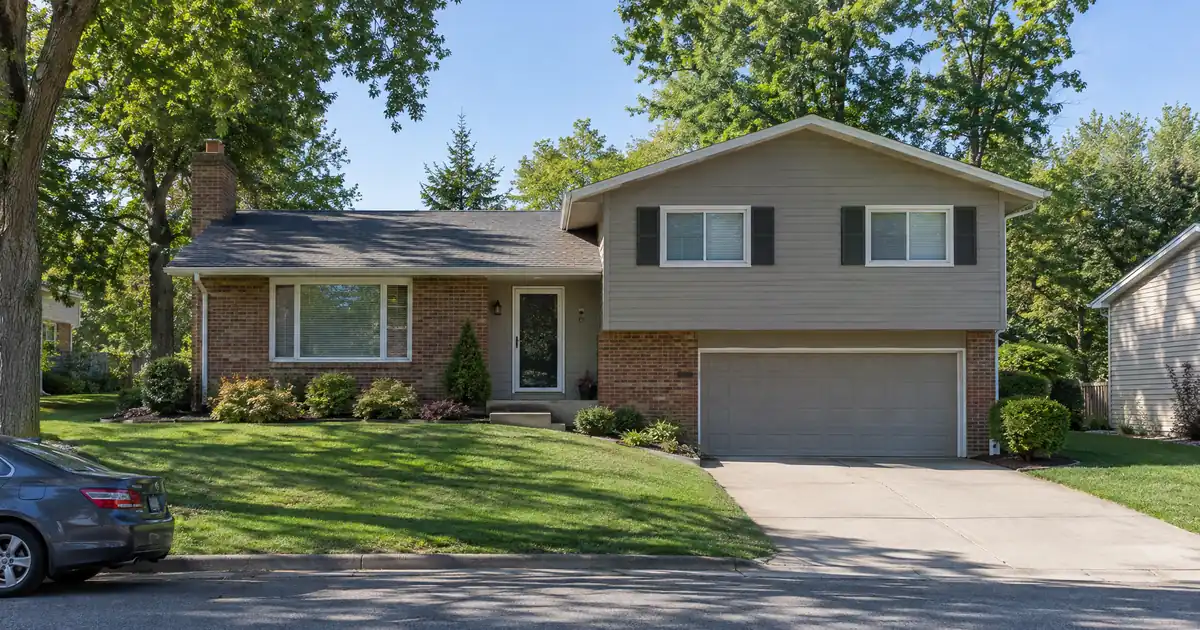
The Quick Read: An LLC that owns a rental can usually borrow in its own name for a cash-out refinance, so you rarely need to deed the property back to yourself. The LLC signs the note, you sign a personal guaranty, and the loan is reviewed primarily on property-level rental income covering the payment, subject to lender guidelines. Equity, credit, reserves, and entity paperwork all still matter.
- Cash-out tops out around 75% loan-to-value (LTV) on standard rentals across most of the network, and about 70% on short-term rentals.
- Expect about 6 months of ownership, counted from title recording, before cash-out sizing uses appraised value.
- Coverage of 1.00 is where select programs start. A separate select-lender path goes below 1.00 with leverage and terms adjusted.
- The LLC is the borrower, but a person still guarantees the loan. The LLC does not make it non-recourse.
- Do not retitle a mortgaged rental into an LLC just to refinance it. Sequencing can create problems.
An LLC-held rental is not a roadblock on this kind of loan. It is often the easiest file in the stack. Most of what goes wrong comes from paperwork mismatches and from moving title at the wrong time, not from the LLC itself.
DSCR Cash-Out Calculator
Run the cash-out numbers in your market
Rate source: Freddie Mac 30-yr average via FRED® — Federal Reserve Bank of St. Louis · effective Oct 8, 2026
Prefilled with starting assumptions — enter your property’s value, balance, taxes, and insurance for a more accurate picture.
Program parameters update from Lendmire’s centralized guideline source. Taxes and insurance are editable estimates.
As of Oct 8, 2026 · General Freddie Mac market benchmark, not a Lendmire loan offer. Property value, balance, taxes, and insurance are editable estimates. Maximum loan-to-value varies by lender, program, property type, and seasoning. Not a Loan Estimate, approval, or commitment to lend. Program availability and eligibility are subject to lender guidelines, credit approval, property review, and underwriting.
What Does a Cash-Out Refinance Do on an LLC-Held Rental?
A cash-out refinance replaces your existing loan on the rental with a new, larger one. The new loan pays off the old lien. Whatever is left after payoff and closing costs comes to the LLC as cash.
Two limits decide how big that loan can be. One is the leverage cap applied to appraised value. The other is the rent-coverage test on the new, larger payment. The smaller of the two sets your ceiling.
The coverage test is the debt service coverage ratio, or DSCR. It divides the property’s monthly rent by its full monthly obligation: principal, interest, taxes, insurance, and any HOA dues. That total is called PITIA. A ratio of 1.00 means rent equals the payment.
Here is the catch. A cash-out makes the payment bigger, so coverage drops even when rent holds steady. Plenty of investors have equity on paper and still can’t pull much, because the rent only supports a certain loan size.
Clearing 1.00 also does not mean the property cash flows. DSCR counts PITIA only. Repairs, vacancy, management, utilities, and capital expenses sit outside it. Run your own numbers on those before you sign.
Why Lenders Treat the LLC as the Easy Part
DSCR loans are designed for non-owner-occupied investment properties. Because they are business-purpose investor loans, they are reviewed differently from a standard owner-occupied mortgage. The lender cares about the property’s income, not your pay stubs.
That is why LLC ownership fits so naturally. Programs built around rental income expect entity borrowers. The big retail lenders that underwrite to personal income often want the property in your own name, which is where the “deed it out of the LLC” advice comes from.
Across the wholesale network Lendmire works with, an LLC can usually stay on title through the whole transaction, subject to lender program eligibility. Lendmire is a broker. It arranges these loans through select lenders in its network across 41 markets, including Washington, D.C., and the lenders review and approve each file.
For a fuller picture of how these loans work, see Lendmire’s complete DSCR loans guide.
Two Paths: Borrow as the LLC, or Retitle to a Person
You have two routes. Most investors with an LLC pick the first.
| Factor | LLC borrows (DSCR) | Retitle to you personally |
|---|---|---|
| Who is the borrower | The LLC | You |
| Reviewed on | Property rent vs. PITIA | Personal income and debts |
| Liability shield | Stays on title | Lost while in your name |
| Personal guaranty | Yes, from a person | Yes, you are the borrower |
| Extra step | Entity documents | Deed out, then back in |
The second path costs you more than it seems. Once the property sits in your name, the liability separation you built the LLC for is gone until you move it back. You also take on transfer paperwork twice.
A DSCR cash-out lets the entity stay on title. That is the whole point of the product for LLC investors.
What Entity Documents Will the Lender Ask For?
Expect a checklist, and expect it to vary somewhat by lender. Most files ask for the following:
- Articles of organization showing the LLC exists and is properly formed.
- An operating agreement listing members and who has signing authority.
- A certificate of good standing from the state of formation.
- Government ID and credit for each guarantor.
- Property documents: current mortgage statement, insurance, and leases where they exist.
Most programs want an entity that holds real estate, not an operating business with other activities. A valid state formation matters. Some lenders have views on out-of-state entities, series LLCs, and holding-company layers. Those are program-by-program questions, so raise them early.
The most common source of conditions is mismatched names. The LLC’s name should read identically on the note application, the title, the insurance policy, and the lease. A stray “LLC” versus “L.L.C.” or a missing “Holdings” slows files down. Fix names before you apply, not after the underwriter flags them.
Multi-member LLCs add a question: who guarantees? Some programs want every member above a certain ownership share. Others accept one qualified guarantor. Ask which applies before you assume.
Cash-Out Requirements, Step by Step
These ranges reflect select wholesale-network guidelines. They are typical, not promises, and every file is underwritten individually.
Leverage. Cash-out on a standard rental tops out around 75% LTV across most of the network. For short-term rentals, the cash-out ceiling is 70% LTV. Never borrow a purchase-loan figure and assume it applies to cash-out. Purchases run higher than refinances that return cash. Leverage, reserves, and pricing vary by lender and program; the final terms follow the full file review.
Coverage. 1.00 is where select programs start, not a universal standard. Stronger ratios open better pricing and leverage. Those are different paths, not one program with a flexible floor.
Credit. A 620 floor exists in parts of the network. Most programs want around 660, and 700 or higher unlocks the strongest leverage tiers. Short-term rental files generally expect 640 or better.
Reserves. These are liquid funds held after closing. They commonly run about 6 months of PITIA, stepping up to about 9 months on loans above $1,500,000. They vary by lender, leverage, loan size, and transaction type.
Loan size. Standard programs run up to $3,000,000. Smaller balances route through select lenders in the network.
Seasoning. Seasoning is the waiting period between buying a property and refinancing it. About 6 months of ownership, counted from title recording, is the common expectation.
Property type. Manufactured homes (single- and double-wide), log homes, and barndominiums are not offered through these programs.
A larger down payment at purchase lowers the payment and can lift coverage. It never erases leverage caps, credit floors, reserve rules, or property eligibility. The strongest files clear both tests: enough equity and enough rental coverage.
How the Appraisal Fits In
The appraisal sets the value your LTV is measured against. It also supports the rent figure. For a one-unit rental, appraisers commonly use a rent schedule form. For a two-to-four unit property, they use an operating income report. Those are the Form 1007 and Form 1025 families listed on Fannie Mae’s forms page.
Mention of those forms is only about the paperwork an appraiser fills out. Agency underwriting rules do not govern DSCR files, and agency seasoning or leverage limits do not apply. The network’s own guidelines do.
Where a property has a lease in place, lenders generally compare it to the appraiser’s market rent. Sub-market leases can pull the number down.
Seasoning: What Starts the Clock
Seasoning is lender policy, not law. That surprises people. No regulator fixes a waiting period for a business-purpose refinance.
Across the network, about 6 months of ownership is the common expectation, measured from title recording. Before that, many programs size a recent purchase off your cost basis, meaning the price you paid plus documented renovation, instead of appraised value. After the wait, appraised value takes over.
Say you buy a rental with cash, rehab it, and want to pull money out early. Some lenders will refinance sooner, but proceeds usually track your documented cost rather than the new appraised value. Each lender writes its own version of that exception, so ask before you assume.
Here is a related question: does moving title into an LLC restart the clock? Practice varies. Some lenders count the original acquisition date. Others look at who held title and when. Ask before you deed anything. That one question can save a few months.
Step by Step: How the Loan Gets Built
1. Check the starting point. Is the property already in the LLC, in your name, or newly bought? The decision table below sorts this out.
2. Gather entity documents. Pull formation papers, operating agreement, good standing, and EIN letter. Make names match everywhere.
3. Choose the guarantor. A person signs a separate personal guaranty. This is normal. It means the lender can look to that person if the LLC defaults.
4. Order the appraisal. It confirms value and supports rent.
5. Underwrite. The lender sizes the loan using the lower of the LTV cap and the coverage test, then reviews credit, reserves, and property type.
6. Payoff and funding. The new loan pays off the old lien, and the remainder goes to the LLC as cash-out.
DSCR loans are business-purpose and exempt from the consumer disclosure regime that governs owner-occupied mortgages. You will not see the standard consumer Loan Estimate and Closing Disclosure here. That does not make the file casual. Lenders still require full documentation of title, entity, and property.
If you want the regulatory basis, the federal rule on business-purpose credit is 12 CFR 1026.3 at the CFPB. It exempts credit extended for business or commercial purposes. A creditor has to determine in each case whether the transaction is primarily for an exempt purpose. A law-firm analysis cautions that business purpose does not mean compliance-free, since other laws can still apply.
Where the Starting Point Changes the Plan
| Your situation | Typical path | Watch for |
|---|---|---|
| Rental already in the LLC | LLC borrows, you guarantee | Name matches, entity documents |
| Rental in your name, mortgaged | Refinance first, then decide on LLC | Due-on-sale if you deed it in |
| Rental in your name, no mortgage | Retitle to LLC, then season | Whether the clock restarts |
| Recent cash purchase | Early cash-out sized near cost | Lender-specific exceptions |
| Several LLCs, one per property | One loan per LLC | Guarantor exposure across loans |
Where the General Rule Breaks
Retitling a mortgaged rental into an LLC first. A federal law limits lenders’ ability to call loans due on certain transfers of small residential properties. Attorney commentary notes that a transfer into an LLC is not among the listed exceptions, while a transfer to a qualifying living trust is. So deeding a financed rental into an LLC can give the old lender grounds to call the loan.
A refinance that pays off the old loan at closing sidesteps the problem. That is why the sequence matters: refinance first, then think about restructuring. These are attorney sources, not statute text, so have a real-estate attorney review your situation before you move title.
Re-vesting for conventional or HELOC products. Investors often hear that other products require the property in a personal name. Investment-property HELOC lines cap at $500,000 total, and there is no higher tier. If you want cash without moving the title, a DSCR cash-out is the cleaner fit.
Short-term rentals. These are underwritten more conservatively. Cash-out tops out at 70% LTV on short-term-rental collateral, compared with 75% on standard rentals. Expect a 640 or better score and about 12 months of hosting history. Coverage of 1.00 is the floor on refinances. Short-term rental rules can vary by city, county, HOA, and property type, so investors should confirm local rules before relying on projected rental income. Terms vary by lender guidelines, property type, leverage, credit profile, and full file review.
Multi-LLC portfolios. The one-property-per-LLC approach produces one loan per entity. Each loan carries its own reserve requirement and its own guaranty. If one person guarantees five loans, lenders see that total exposure. Reserves do not stack as a single pool. Exact terms depend on the lender’s guidelines, property type, leverage, and a full review of the borrower’s file.
Series LLCs and holding companies. These are program-dependent. Some lenders want a simple entity that directly owns the property. Others will review layered ownership. Confirm before you build the structure around a refinance.
A Worked Example in Percentages
These are modeled assumptions, not market data. Say an LLC owns a rental that appraises at a given value, with the existing loan equal to about 55% of that value. The 75% ceiling leaves room for roughly 20% of value as gross cash-out, before closing costs and any required reserves come out.
Now run the second test. The new loan is bigger, so the payment rises. If rent on that property covers the old payment at around 1.4x, coverage on the larger loan might fall to roughly 1.15x. That clears a 1.00 floor, and the bigger loan still sizes.
Change one input. If rent only covered the old payment at about 1.15x, the larger loan could land near 0.95x. Below 1.00, the file would need a select-lender path with leverage and terms adjusted, or a smaller cash-out. The LTV cap was never the problem. The rent was.
This is why “how much equity do I have” is the wrong first question. Ask what the rent supports.
Common Mistakes
- Deeding into the LLC before refinancing. It can trigger the old lender’s due-on-sale rights and may reset seasoning.
- Assuming the LLC means no personal liability. The guaranty puts a person on the hook.
- Mismatched names. Fix them on every document before you apply.
- Skipping the post-refinance coverage check. Equity does not equal borrowing power.
- Confusing 1.00 with profit. It means rent equals PITIA, nothing more.
- Ignoring reserves. The required months of PITIA must be liquid and documented.
Tax treatment can depend on how the funds are used and how the property is held; investors should keep clear records and speak with a qualified tax professional before relying on any deduction.
Alternatives Worth Comparing
A home equity line on an investment property caps at $500,000 total and often wants the property in your personal name. Selling frees all your equity but ends the holding. Early refinancing after a cash purchase is lender-specific and usually sized near documented cost.
If you also live in a rented home while owning rentals, Lendmire’s piece Renting Your Home But Own Rentals Cash Out Refinance Options covers how that changes eligibility. And for the bigger strategy question, see whether a cash-out refinance is the usual way investors fund the next rental.
Key Terms Defined
DSCR (debt service coverage ratio): Monthly rent divided by the full monthly obligation on the property, showing whether rent covers the payment.
PITIA: Principal, interest, taxes, insurance, and any HOA dues, the full monthly cost of holding the loan.
LTV (loan-to-value): The loan balance divided by the property’s appraised value, expressed as a percentage.
Seasoning: The waiting period between acquiring a property and refinancing it with cash out.
Personal guaranty: A separate promise by a person to repay the loan if the LLC does not.
Vesting: How title to the property is held, meaning whose name is on the deed.
Due-on-sale clause: A loan term that lets a lender demand repayment when the property is transferred.
Frequently Asked Questions
Can an LLC get a cash-out refinance on a rental property?
Yes, on DSCR programs. The LLC is the borrower and holds title, and a person signs a personal guaranty. The loan is reviewed primarily on property-level rental income covering the payment, subject to lender guidelines. You will still need entity documents and a property that meets eligibility rules.
Does the property have to be in my personal name?
Not for DSCR financing. Conventional and home-equity products often want personal-name title, which is why investors hear that advice. A DSCR cash-out generally lets the LLC stay on title, subject to program terms.
Does an LLC make the loan non-recourse?
No. The guaranty means a person remains responsible to the lender. The LLC still gives property-level separation for claims against the property, but it does not remove the guarantor’s obligation under the loan.
How long must I own the property before cashing out?
About 6 months, counted from title recording, is the common expectation across the network. Before that, sizing often runs off cost basis instead of appraised value. Moving title can raise questions about the clock, so ask your broker before deeding anything.
What if my coverage falls below 1.00 after the cash-out?
Coverage below 1.00 is available through select lenders in the network, with leverage and terms adjusted. You can also take less cash. Eligibility review depends on credit approval, property review, and lender guidelines.
Next Step
If you are buying or refinancing a rental property and want to see how the numbers work, Lendmire can help you compare DSCR loan options based on the property income, credit profile, leverage, and investor goals. The best time to ask about entity structure is before you move any deeds, because that one choice shapes everything the lender can do afterward.
For the mechanics of pulling equity out of a rental property, see Lendmire’s guide to cash-out refinance on an investment property.
About Lendmire
Lendmire (NMLS# 2371349) is a mortgage brokerage focused on DSCR investor financing, helping arrange programs through wholesale and investor-lending channels in 41 markets, including Washington, D.C. DSCR loans are evaluated by the lender on property cash flow rather than personal income, subject to lender guidelines, supporting LLC closings and accommodating investors with four or more financed properties. Scotsman Guide Top Mortgage Workplace in both 2025 and 2026.
Get Started
Ready to find the right loan for you?
In about 30 seconds you can review financing options available for your investment property. No commitment required.
Informational only. Not a Loan Estimate, approval, or commitment to lend. Program availability and eligibility are subject to lender guidelines, credit approval, property review, and underwriting.
References
1. Fannie Mae Selling & Servicing Guide Forms (Form 1007 and Form 1025)
2. CFPB, 12 CFR 1026.3 (business-purpose exemption)
3. Lexology, law-firm analysis of business-purpose and compliance
4. Chicago-area law firm, transferring property into an LLC and due-on-sale
This article is part of Lendmire’s investment property cash-out refinance program — full qualification details, guidelines, and scenarios live on the program page.
Related reading: How Much Equity a Top-Leverage Hard Money Rehab Needs for DSCR Cash-Out · Can You Stack DSCR Cash-Outs One After Another on Different Rentals? · How to Free One Rental From a Blanket Loan With DSCR Cash-Out
Brandon Miller
Founder & CEO, Mortgage Loan Originator, Lendmire LLC
- Mortgage Loan Originator · NMLS# 1129696 · Verify on NMLS Consumer Access
- North Carolina Real Estate Broker · License# 343312 · Verify on NCREC
- North Carolina Insurance Producer · License# 19053198 · Property, Casualty, Life, Health · Verify on NAIC SBS
- Lendmire LLC · Firm NMLS# 2371349 · Verify firm licensure
Compliance and disclosures. Lendmire (NMLS# 2371349) is a licensed mortgage broker and is not a direct lender, depository institution, financial advisor, or tax professional. Content in this article is general market analysis and educational information — not financial, legal, or tax advice for any specific situation. Lendmire does not guarantee loan approval; every transaction is subject to underwriting by the funding lender. Mortgage pricing and loan program guidelines are subject to change at any time without notice and vary by borrower characteristics, property type, and state regulations. Lendmire complies with Equal Housing Opportunity. Licensure verification: NMLS Consumer Access.