
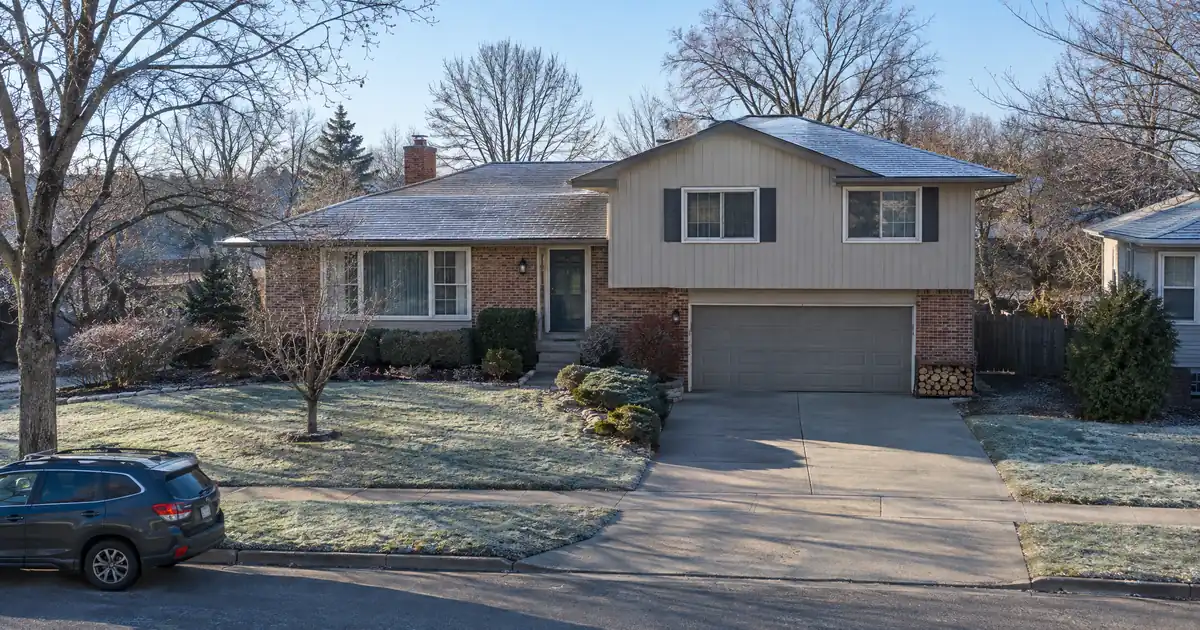
The Quick Read: Yes: when the LLC is the borrower, the LLC should make the monthly payments from its own operating account, because it owns the property and owes the debt, though you still stand behind the loan as personal guarantor if the LLC ever stops paying. That is best practice, not a statute. It protects the liability shield the LLC was formed to give you.
- The LLC signs the note and mortgage. You sign a separate personal guaranty.
- Rent goes into the LLC account, and the payment comes out of it.
- If rent falls short, move money in as a documented contribution or loan. Don’t pay the lender from your personal checking.
- Paying from the LLC does not make the loan non-recourse.
- If the loan is in your own name, the picture flips, and personal payment is the match.
Who Actually Owes the Debt?
The LLC owes the debt, and you guarantee it. On an entity-vested DSCR file, the LLC is the borrower on the note, the mortgage or deed of trust, and the title. You sign a second document, the personal guaranty, in a different capacity.
DSCR Calculator
Run the numbers in your market
Rate source: Freddie Mac 30-yr average via FRED® — Federal Reserve Bank of St. Louis · effective Oct 15, 2026
Prefilled with starting assumptions — enter your own rent or nightly figures, taxes, insurance, and HOA for a more accurate picture.
Program parameters update from Lendmire’s centralized guideline source. Taxes and insurance are editable estimates.
As of Oct 15, 2026 · General Freddie Mac market benchmark, not a Lendmire loan offer. Rent, nightly rate, occupancy, taxes, and insurance are editable estimates. Short-term rental figures are estimates only and vary significantly by season, property type, management approach, and local short-term-rental rules — confirm local regulations before relying on them. Qualifying income for short-term rentals varies by program — some use appraisal market rent, others use documented STR history or projections — and is confirmed in underwriting. Not a Loan Estimate, approval, or commitment to lend. Program availability and eligibility are subject to lender guidelines, credit approval, property review, and underwriting.
Those two signatures answer most payment questions. The LLC is the obligor, so the LLC is the natural payer. You are the backstop.
| Party | Role | Responsible for |
|---|---|---|
| LLC | Borrower, property owner | Monthly payment, taxes, insurance |
| You (as signer) | Authorized signer for the LLC | Executing loan documents |
| You (as guarantor) | Personal guarantor | Covering the debt if the LLC doesn’t |
| Other members | Depends on operating agreement | Often only some must guarantee |
Underwriting follows the same split. The file is built on the property’s rent and on the guarantor’s credit, reserves, and experience. The LLC has no credit history of its own for a lender to weigh. In plain terms, DSCR loans qualify primarily on property-level rental income covering the payment, subject to lender guidelines.
LLC borrowers are accepted on most programs, subject to lender program eligibility. An LLC isn’t required, though. Plenty of DSCR loans close in a personal name, and we’ll get to that case below.
Where Should the Payment Come From?
From a bank account titled in the LLC’s name, funded by the property’s rent. That is the clean setup. Tenants pay into the account. The mortgage payment, insurance, repairs, and management fees come out of it.
The program guidelines Lendmire places files under do not name a required payer account. The note and the servicer’s instructions govern. What holds up the structure is liability law.
Courts sometimes disregard a LLC’s separate existence. That is called piercing the veil. Ohio State University’s Farm Office lists commingling funds and not keeping a dedicated LLC bank account among the common triggers. A law-firm explainer from Dahl Law Group says piercing is generally available when owners commingle funds, ignore formalities, and treat the LLC as an alter ego.
Piercing is rare and fact-specific. State standards differ. Still, a lender isn’t the one who brings the claim. A tenant who is hurt on the property, or a creditor, is. A clean payment trail is cheap insurance against that day.
One more benefit: the LLC account becomes a record of how the property actually performs. That helps when you refinance, because you can show real rent in and real expenses out. Lendmire’s piece How to Access LLC Rental Equity Through Cash-Out Instead of a HELOC covers how that refinance step works.
What If You Pay From Your Personal Account?
It usually gets the lender paid. It also muddies the one thing the LLC is there to protect. A servicer generally cares that the payment arrives and is applied to the right loan number. It rarely cares whose account the check came from. The risk isn’t a lender penalty. It’s the paper trail.
Say you cover three payments from personal checking because the LLC account ran thin. Nothing is documented. If the LLC is ever sued, the other side points to personal money paying LLC debt and treats it as evidence the entity is your alter ego. EPGD Business Law lists commingled revenue as an alter-ego ground.
The pattern matters more than a single slip. One reimbursed expense is bookkeeping. Month after month of undocumented personal payments is the pattern to avoid.
Notice the direction of the money. Putting your funds into the LLC is fine when it is recorded. Paying the LLC’s lender straight from your pocket, with no record, is the problem.
You have two clean ways to put personal money in:
1. Capital contribution. You add equity to the LLC. It is recorded as a deposit into the LLC account.
2. Member loan. You lend to the LLC. Dahl Law Group notes that owner loans should be documented by a promissory note or similar instrument.
Either way, the money lands in the LLC account first, then the LLC pays the servicer. The OSU Farm Office piece makes a related point: a documented draw or deposit can keep the shield intact. Which route fits your situation is a question for your attorney and CPA.
When Rent Doesn’t Cover the Payment
A DSCR test passing at closing does not mean the property pays for itself every month. DSCR is a qualification test. It compares the property’s rent to its PITIA (principal, interest, taxes, insurance, and any association dues). It isn’t a payment mechanism.
Many select programs start at a 1.00 coverage ratio, meaning rent equals PITIA. A separate select-lender path goes below 1.00, with leverage and terms adjusted. Stronger ratios generally open better pricing and leverage. All of that is about getting the loan.
Clearing 1.00 is not the same as positive cash flow. Repairs, vacancy, management, utilities, and capital expenses sit outside the calculation.
Run the numbers on a duplex that qualified at roughly 1.10x. On paper, rent covers PITIA with a little room. Then one unit sits empty for a stretch and a water heater fails. The LLC account can’t cover the payment that month.
That is a funding problem, not a loan problem. Your options are the same two as above: a documented contribution or a documented member loan into the LLC. Then the LLC pays on schedule.
This is also why reserves matter. Across the wholesale network, reserves commonly run around 6 months of PITIA. They vary by lender, leverage, loan size, and transaction type. Loans above $1,500,000 typically step up to about 9 months. The guarantor’s reserves are verified at application. After closing, the LLC’s own cash cushion is what keeps payments flowing, so many investors keep a separate repair-and-vacancy balance in the LLC account.
Single-Member vs. Multi-Member LLCs
In a one-owner LLC, you sign twice: once for the LLC, once for yourself as guarantor. The payer is still the LLC. You’re just on both sides of the table.
Multi-member LLCs add a wrinkle. Which members must guarantee depends on the lender and the operating agreement. Some programs want every member above a certain ownership share. Others need one or a few. The guarantor’s credit and experience carry the file, so lenders decide this case by case.
Payment mechanics don’t change. The LLC account pays. What changes is how members fund shortfalls:
- Agree in the operating agreement how extra cash gets contributed.
- Keep contributions proportional to ownership, or document why not.
- Don’t let the guaranteeing member quietly cover everything personally.
If one partner guarantees and the others don’t, a shortfall is exactly when partners disagree. Put the funding rule in writing before the loan closes.
What Happens If a Payment Is Missed?
A missed payment is a default on the LLC’s loan, regardless of whose account it would have been drawn from. The LLC is in breach first. Then the guaranty becomes the lender’s route to you, because standard DSCR loans are full-recourse. Lendmire’s own explanation of DSCR loan for properties owned in an LLC walks through the entity side.
True non-recourse is rare. It tends to show up mainly with self-directed IRA or solo 401(k) purchases, not ordinary LLC deals. Paying from the LLC account doesn’t change any of that.
Cure periods and late-fee terms live in your note. Read them before closing, not after a missed payment. They vary by lender.
Edge Cases That Change the Answer
The loan is in your personal name. Then you are the obligor and paying from a personal account is natural. The mismatch case is an LLC-owned property with a personal-name mortgage. An attorney answer on Justia calls that an inconsistency that could be problematic if challenged. It also notes that rent and property expenses should at least flow through the LLC’s accounts. That answer uses a Texas example, and standards vary by state.
You deeded a property into an LLC after buying it with a loan in your name. This is a conventional-loan trap, not a DSCR problem. Transferring title can trigger a due-on-sale clause, which lets the lender demand the balance. A DSCR loan avoids this because the LLC takes title at closing. If you already own the property, the usual fix is to refinance into the LLC instead of deeding it in.
Someone else pays the servicer. Few servicers publish rules on third-party payments. Ask the servicer before relying on a property manager or relative to pay on the LLC’s behalf.
Credit reporting. An LLC loan may not show on your personal credit report, but the guaranty can still matter when you apply for the next loan. How lenders treat it varies.
DSCR vs. conventional financing
There are two common ways to finance an investment property, and they qualify you differently — here’s how investors weigh them.
Why investors choose it
- Qualifies on the property’s rental income — no personal tax returns, W-2s, or pay stubs needed to document income.
- No personal debt-to-income ceiling to clear, so existing mortgages and obligations don’t cap your borrowing the same way.
- Can be closed in an LLC, keeping the property inside a business entity.
- Built for scaling — not held to the limit on number of financed properties that conventional financing applies.
- Underwriting centers on the deal: generally qualifies when the rent covers the payment, a 1.00x coverage ratio being a common baseline (confirmed in underwriting).
- Designed specifically for investment property, including long-term and, where the program allows, short-term rentals.
Where it’s strong
- Often the lowest ongoing financing cost for a buyer who fully qualifies on personal income — a fit for a first property or a cost-first purchase.
Trade-offs for investors
- Requires full personal income documentation and must fit within a debt-to-income limit — salary, existing debts, and other mortgages all count.
- Typically held in your personal name rather than a business entity.
- Caps how many financed properties you can carry, which can become a ceiling as a portfolio grows.
- Evaluates you as a borrower as much as the property, which usually means more paperwork.
How investors usually choose: a first or single property often optimizes for the lowest financing cost; portfolio builders often optimize for leverage, vesting in an LLC, and scaling past conventional caps. The right answer depends on your goals, the property, and current guidelines — both paths run through select lenders in Lendmire’s wholesale network, with eligibility and terms confirmed in underwriting.
Which Payer Fits Your Situation?
| Situation | Recommended payer | Keep on file | Caution |
|---|---|---|---|
| New LLC, loan in LLC name | LLC account | Bank statements, lease | Fund the account before closing |
| Rent short one month | LLC, after you deposit | Contribution or loan note | Don’t pay lender directly |
| Loan in personal name | You, personally | Payment records | Don’t pay from LLC account |
| Multi-member LLC | LLC account | Operating agreement | Agree funding rules up front |
| Cash-out refinance on an LLC rental | LLC account | Closing package, deposits | Guarantor still drives the file |
Cash-out deals carry the same split. The LLC borrows and the guarantor stands behind it. On most files, cash-out tops out around 75% LTV on a standard rental, and about 6 months of seasoning is the common expectation, subject to lender guidelines.
Setup Checklist
1. Open an LLC operating account in the exact legal name on the loan.
2. Route all rent into it, including through any property manager.
3. Set up autopay from that account, with the loan number on every payment.
4. Check escrow and impounds. If taxes and insurance are escrowed, they ride inside the payment.
5. Keep a cushion in the account for vacancy and repairs.
6. Document every owner deposit as a contribution or a note.
7. Authorize signers. Make sure the operating agreement says who may move money.
8. Keep books separate. Never run personal expenses through the LLC account.
Key Terms Defined
Guarantor: the person who signs a personal promise to repay the loan if the borrower doesn’t.
Recourse: the lender’s right to pursue the guarantor’s personal assets after default. Full-recourse is the standard on DSCR loans.
Commingling: mixing personal and business money in the same account or payment stream.
DSCR: debt service coverage ratio, the property’s monthly rent divided by its full monthly payment (PITIA).
PITIA: principal, interest, taxes, insurance, and association dues.
Veil piercing: a court setting aside a LLC’s separate legal status so the owner is personally liable.
A Note Before You Act
This is general information, not legal or tax advice. Whether to contribute or lend to your LLC, how to document it, and how it is treated for taxes vary by situation and state, so consult a qualified attorney or CPA before relying on any approach. Tax treatment varies; keep clear records.
Frequently Asked Questions
Can I pay my DSCR loan from my personal account?
You can, and the servicer will usually apply the money. But on an LLC loan it weakens the separation between you and the entity, and it leaves no record that the LLC funded its own debt. If you must help, deposit into the LLC account with a documented contribution or loan, then pay from there.
Does the lender care which account pays?
Usually the servicer cares that the payment arrives on time and carries the right loan number. Lenders in the network underwrite the property and the guarantor, not the payer’s bank account. Confirm any special instructions with your servicer.
Does paying from the LLC make the loan non-recourse?
No. The LLC pays, but you still sign a personal guaranty on a standard DSCR loan. Non-recourse is uncommon and tied mainly to self-directed retirement account purchases.
Does the LLC need its own bank account?
Yes, in practice. A dedicated account is among the factors the OSU Farm Office lists in veil-piercing situations. It also keeps rent, expenses, and payments in one clean record for refinances and tax prep.
What if I own the property with partners?
The LLC still pays. Which partners guarantee depends on the lender and the operating agreement. Decide in advance how shortfalls will be funded and by whom.
If you are buying or refinancing a rental property and want to see how the numbers work, Lendmire can help you compare DSCR loan options based on the property income, credit profile, leverage, and investor goals. The complete DSCR loans guide is a good place to start. You can also call 828-256-2183.
Whichever structure you choose, the rule of thumb holds for every rental you add: the LLC’s account is where the property’s money story should be told, month after month.
About Lendmire
Lendmire — NMLS# 2371349 — is a mortgage brokerage specializing in DSCR investor loans, helping arrange financing across 41 markets, including Washington, D.C., through wholesale and investor-lending channels. The model centers on property-level rental income reviewed by the lender rather than W-2 documentation, subject to lender guidelines, suiting entity-owned and multi-property investors. Lendmire holds Scotsman Guide Top Mortgage Workplace recognition for 2025 and 2026.
Get Started
Ready to find the right loan for you?
In about 30 seconds you can review financing options available for your investment property. No commitment required.
Informational only. Not a Loan Estimate, approval, or commitment to lend. Program availability and eligibility are subject to lender guidelines, credit approval, property review, and underwriting.
References
1. OSU Farm Office – Piercing the Corporate Veil
2. Dahl Law Group – Piercing the Corporate Veil
3. EPGD Business Law – How Courts Pierce the Corporate Veil
4. Justia Ask A Lawyer – Texas LLC veil question
This article is part of Lendmire’s DSCR loan program — full qualification details, guidelines, and scenarios live on the program page.
Related reading: How to Qualify for a No-Ratio DSCR Loan for LLC-Titled Borrowers · How to Refinance a Rental Held in an LLC With a DSCR Loan · LLC vs Personal Name on a DSCR Loan for an LLC-Owned Rental
Brandon Miller
Founder & CEO, Mortgage Loan Originator, Lendmire LLC
- Mortgage Loan Originator · NMLS# 1129696 · Verify on NMLS Consumer Access
- North Carolina Real Estate Broker · License# 343312 · Verify on NCREC
- North Carolina Insurance Producer · License# 19053198 · Property, Casualty, Life, Health · Verify on NAIC SBS
- Lendmire LLC · Firm NMLS# 2371349 · Verify firm licensure
Required disclosures. Lendmire (NMLS# 2371349) operates as a licensed mortgage broker, not a direct lender or depository. The discussion in this article is general in nature and should not be relied upon as financial, legal, or tax advice — every investment scenario is unique and should be reviewed by a qualified professional. Any loan inquiry is subject to lender underwriting, and this article is not a commitment to lend or a guarantee of approval. Mortgage rates, loan terms, and program guidelines vary by borrower, property, and state, and may change without notice. Equal Housing Opportunity. Verify licensure at NMLS Consumer Access.