
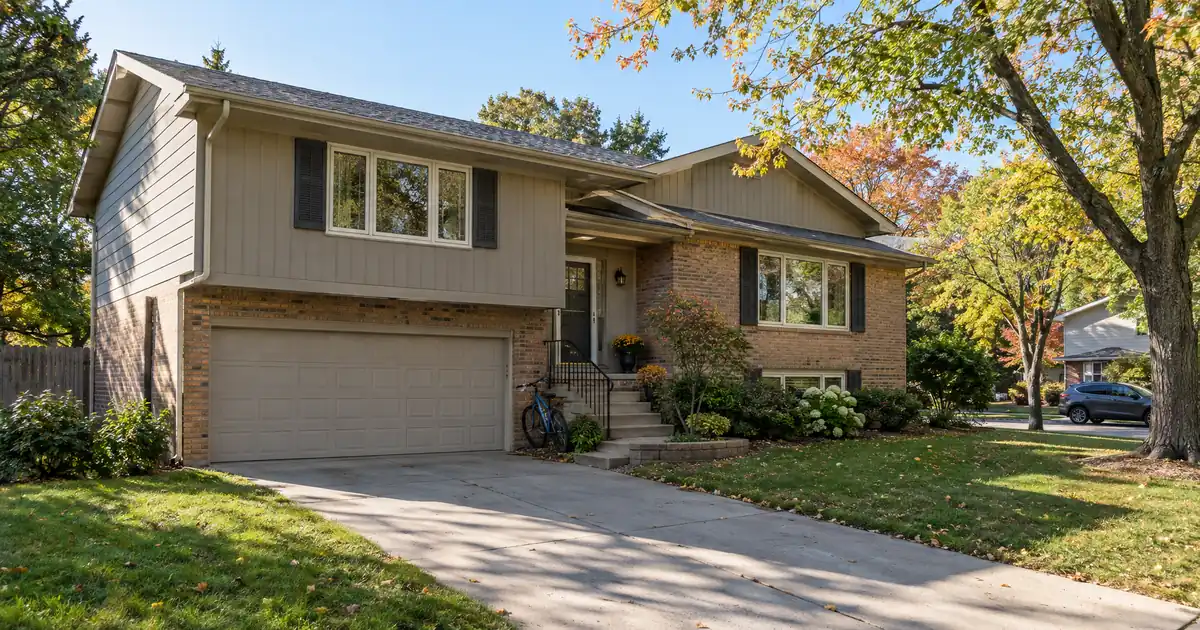
The Quick Read: A rental you just bought usually returns less cash than the same rental after about six months of ownership, because lenders size the early loan on what you paid and the later loan on a fresh appraisal. Both properties face the same rent-coverage test, so the gap comes from the value basis and the waiting period. Which option fits depends on how much appreciation you created and how soon you need the capital.
- Across most of Lendmire’s wholesale network, cash-out refinances on standard rentals top out around 75% LTV, and about 6 months of ownership from title recording is the common seasoning expectation.
- Inside that window, loan size generally follows purchase price plus documented rehab. After it, the appraisal usually sets value.
- A newer rental with real forced appreciation gains the most from waiting. One bought near market value gains little.
- Rent coverage can cap your check before equity does, so a bigger cash-out is not automatically a better one.
- Cash-out refinance guidelines and eligibility vary by lender, borrower, and property, and every file is reviewed individually.
The Honest Answer: Who Each Option Is For
A newer rental fits the investor who needs capital now and bought close to market value, so waiting would add little. A seasoned rental fits the investor who created value through a rehab or a below-market purchase and wants the appraisal to count. Neither is better in general. The trade is time against proceeds.
“Newer” can mean three things: a new-construction building, a property you recently bought, or one you recently renovated. Only the last two change how a lender sizes a cash-out. A newer building may mean fewer repair surprises, but the lender’s seasoning clock runs from when you took title, not from the year the home was built. This article uses newer to mean recently acquired and seasoned to mean past the waiting window.
Side-by-Side
The table below compares the two stages for a standard investment rental. The figures reflect Lendmire’s wholesale network, where programs differ in the details.
| Factor | Newer rental (inside window) | Seasoned rental |
|---|---|---|
| Value basis | Purchase price plus documented rehab | New appraisal |
| Review basis | Rental income vs. PITIA | Rental income vs. PITIA |
| Max LTV, standard rental | Around 75% of cost basis | Around 75% of appraised value |
| Typical documentation | Settlement statement, rehab receipts, lease | Lease or rent evidence, payoff statement |
| Property types | Same eligibility at both stages | Same eligibility at both stages |
| Entity vesting | LLC or individual, per program | LLC or individual, per program |
| Reserves | Commonly around 6 months PITIA | Commonly around 6 months PITIA |
| Main risk | Smaller check than your equity suggests | Low appraisal shrinks proceeds |
PITIA stands for principal, interest, taxes, insurance, and association dues. Vesting means the name on title. Loan sizes run up to $3,000,000 on standard programs, and reserves step up to about 9 months above $1,500,000. Entity-titled loans are available subject to lender program eligibility.
Manufactured homes, log homes, and barndominiums are not offered in the network’s DSCR programs at either stage. Short-term-rental collateral carries a lower cash-out ceiling, around 70%, along with a hosting-history expectation.
How the Same Property Pays Out at Each Stage
The cash you receive is the new loan minus your payoff, closing costs, and any amounts held back. The value basis feeds the first number, and that is where the stages split.
Run the numbers with index points instead of dollars. Say a rental cost 100 including documented rehab, and a later appraisal comes in at 125. These are modeled inputs, not market data.
- Inside the window: a 75% cost-based loan sizes near 75 points.
- After seasoning: a 75% value-based loan sizes near 94 points.
- The gap: roughly 19 points of extra proceeds, before costs and before the coverage test.
Now flip the scenario. If you bought at market value and did no rehab, the appraisal lands near cost. The two stages converge, and waiting buys you almost nothing. That is the case where taking early cash, if a program allows it, can make sense.
A cash buyer sits in a slightly different spot. With no purchase loan to pay off, the check is the whole new loan less costs. Early on, a lender may still anchor to what you paid. A property bought with short-term or bridge financing has a payoff to clear first, so the proceeds shrink further. Many investors in that spot wait out the window, refinance the payoff only, or look for a program that recognizes documented rehab sooner.
Coverage Can Cap the Check Before Equity Does
Both stages face the same rent test. DSCR, the debt service coverage ratio, divides monthly rent by the monthly obligation. Corporate Finance Institute notes that the exact formula varies by lender. In the residential programs Lendmire brokers, it compares rent used for lender review to PITIA only.
A larger cash-out raises the loan balance and the payment, which pulls the ratio down. Many select programs in the network start at 1.00, and stronger ratios open better terms and leverage. A separate select-lender path takes coverage below 1.00, with leverage and terms adjusted.
Think of it as two gates. Equity is the first gate, and rent coverage is the second. A seasoned rental with big equity but modest rent can hit the coverage ceiling first and return less than the 75% cap implies.
Clearing 1.00 also does not mean the property cash flows. DSCR leaves out repairs, vacancy, management, utilities, and capital expenses. Check your own margin after the new, larger payment before you take every dollar the file allows.
When a Newer Rental Is the Better Fit
Taking cash early works best when the deal does not depend on appraisal gains. A few situations stand out.
- You bought near market value and did a light rehab. The cost basis and the appraisal are close, so waiting adds little.
- Your next deal has a deadline. If a good acquisition needs capital sooner than the window allows, a smaller early check may beat a bigger late one.
- You have strong documentation. A settlement statement, proof of funds, a rehab scope with receipts, and a signed lease make the cost basis easy to support. Missing lease paperwork and no itemized improvement list are common stalls.
- You are working with a lender that recognizes rehab sooner. A few programs size on value earlier when improvements are documented. Ask each lender how it handles this, because policies differ.
The cost is real. You may leave appreciation unused for a few months, and you carry the same holding costs either way. If the gap between the cost-based and value-based check is small, the early cash usually wins. If it is large, waiting usually wins.
When a Seasoned Rental Is the Better Fit
Waiting pays off when you created value. A below-market purchase, a heavy renovation, or a rising local market can all open a wide gap between cost and appraisal. After about six months from title recording, most programs in the network let that appraisal drive the loan size, subject to the 75% LTV ceiling on a standard rental and the coverage test.
A seasoned rental also tends to show cleaner paperwork. You have a lease history, a stable payoff, and rent that the appraiser can compare against the market. Appraisals support market rent for the coverage ratio too, so a stabilized property helps on both gates.
The risk is the appraisal itself. A low value shrinks proceeds and can turn a planned cash-out into a payoff that needs cash from you. Renovations may support a higher appraised value, depending on comps and underwriter review, but nothing guarantees the number you hoped for.
Credit matters at either stage. A 620 score is the floor in parts of the network, and most programs want around 660. Scores of 700 and above unlock the strongest leverage tiers. A bigger down payment on the original purchase does not change these cash-out limits.
What the Conventional Version Looks Like
Conventional agency loans use a similar idea. The Fannie Mae Selling Guide generally wants a borrower on title for at least six months before a cash-out, with exceptions such as delayed financing for cash buyers. That exception returns documented cost, not after-repair value.
Those are agency rules, and they do not govern DSCR files. DSCR programs set their own windows, and in Lendmire’s network the common expectation is about 6 months from title recording. Seasoning is lender policy, so the same property can be sized differently depending on which program reviews it.
Key Terms Defined
Seasoning: the waiting period a lender wants between buying a property and cashing out on its value.
Cost basis: what you paid for the property plus documented improvements, which lenders often use to size early loans.
Cash-out refinance: a new loan larger than the payoff, with the difference paid to you. Corporate Finance Institute describes it as turning equity into cash.
LTV: loan-to-value, the loan amount as a percentage of the property’s value.
Reserves: liquid funds you must show after the loan, commonly around 6 months of PITIA.
Common Mistakes on Both Sides
Several misreadings cost investors money.
- Assuming the clock starts when the rehab ends or the tenant moves in. In practice it runs from the recorded title date.
- Assuming a strong coverage ratio shortens the waiting window. Coverage and seasoning are separate tests.
- Assuming title seasoning and value recognition are the same clock. A file can pass the time test and still be held to cost.
- Forgetting to subtract costs. Closing costs, payoff, any prepayment charge on the old loan, and reserve requirements all shrink the real check.
- Treating the maximum as the goal. Pulling less can leave you a healthier coverage margin. Final terms depend on the lender’s guidelines, the property type, and the borrower’s complete credit picture.
The Balanced Verdict
Take the early cash when the appraisal gap is small or the next deal cannot wait. Wait when you built real value and the extra proceeds clearly exceed what the early money could earn. If you are weighing a cash-out against selling, Lendmire’s piece Sell vs. Cash-Out Refinance When Your Rental Has a Seasoned First Lien covers that decision. For program basics, see the complete DSCR loans guide.
Either way, size the loan from coverage first, equity second. The strongest files clear both tests.
Frequently Asked Questions
How soon can I cash out after buying a rental?
Across most of Lendmire’s network, about 6 months from title recording is the common expectation. Some programs differ, and a few recognize documented rehab sooner. Ask about the specific program before you plan around a date.
Does a rehab count toward the loan size right away?
Documented improvements are generally added to the purchase price when sizing a loan inside the window. They do not usually count as after-repair value until the seasoning period ends. Keep receipts and a scope of work, because appraisers and underwriters will want them.
Is a cash buyer treated differently?
Cash buyers have no purchase payoff to clear, so more of the new loan can reach them. Early on, lenders may still anchor to what you paid. That returns your invested capital, not appreciation, and a stronger waiting position often returns more.
Can I cash out on a short-term rental?
Yes, with tighter terms. The cash-out ceiling for short-term-rental collateral is around 70%, compared with around 75% on standard rentals. Expect a hosting-history requirement, and note that short-term rental rules vary by city, county, HOA, and property type, so confirm local rules before relying on projected rental income.
Does a bigger cash-out make the deal stronger?
Not necessarily. More cash raises the loan balance and lowers the coverage ratio. A smaller pull that keeps a healthy margin often beats a maximum pull that leaves the property barely covering its payment.
Next Step
If you are buying or refinancing a rental property and want to see how the numbers work, Lendmire can help you compare DSCR loan options based on the property income, credit profile, leverage, and investor goals. Lendmire is a broker that arranges financing through select lenders in its wholesale network across 41 markets, including Washington, D.C. Qualification is subject to lender guidelines and is not a commitment to lend.
For how equity extraction works on an investment property, see Lendmire’s guide to cash-out refinance on an investment property.
About Lendmire
Lendmire (NMLS# 2371349), a non-QM mortgage broker serving investors in 41 markets including Washington, D.C., helps structure DSCR scenarios commonly evaluated around a property’s rental income rather than personal income paperwork, subject to lender guidelines. A Scotsman Guide Top Mortgage Workplace in 2025 and 2026, Lendmire places loans through wholesale investor lenders and is not a direct lender.
Get Started
Ready to find the right loan for you?
In about 30 seconds you can review financing options available for your investment property. No commitment required.
Informational only. Not a Loan Estimate, approval, or commitment to lend. Program availability and eligibility are subject to lender guidelines, credit approval, property review, and underwriting.
References
1. Corporate Finance Institute: Debt Service Coverage Ratio
2. Fannie Mae Selling Guide B2-1.3-03: Cash Out Refinance Transactions
3. Corporate Finance Institute: Cash Out Refinance
This article is part of Lendmire’s investment property cash-out refinance program — full qualification details, guidelines, and scenarios live on the program page.
Related reading: How Much a DSCR Loan Returns on Rehabs With New Leases · Can a DSCR Portfolio Cash-Out Fund Your Next Rental Down Payments? · How to Document Furnished Rentals in a Portfolio DSCR Loan
Brandon Miller
Founder & CEO, Mortgage Loan Originator, Lendmire LLC
- Mortgage Loan Originator · NMLS# 1129696 · Verify on NMLS Consumer Access
- North Carolina Real Estate Broker · License# 343312 · Verify on NCREC
- North Carolina Insurance Producer · License# 19053198 · Property, Casualty, Life, Health · Verify on NAIC SBS
- Lendmire LLC · Firm NMLS# 2371349 · Verify firm licensure
Disclosure information. Lendmire is a state-licensed mortgage brokerage under NMLS# 2371349. Lendmire is not a depository institution, direct lender, or financial advisor — all loans referenced are placed through wholesale lender partners and are subject to each lender's underwriting standards. This article is provided for general informational purposes and is not a commitment to lend, nor does it constitute financial, legal, or tax advice. Loan programs, terms, rates, and qualification standards change without notice and depend on borrower profile, property type, and the state in which the subject property is located. Equal Housing Opportunity provider. NMLS Consumer Access: nmlsconsumeraccess.org.