
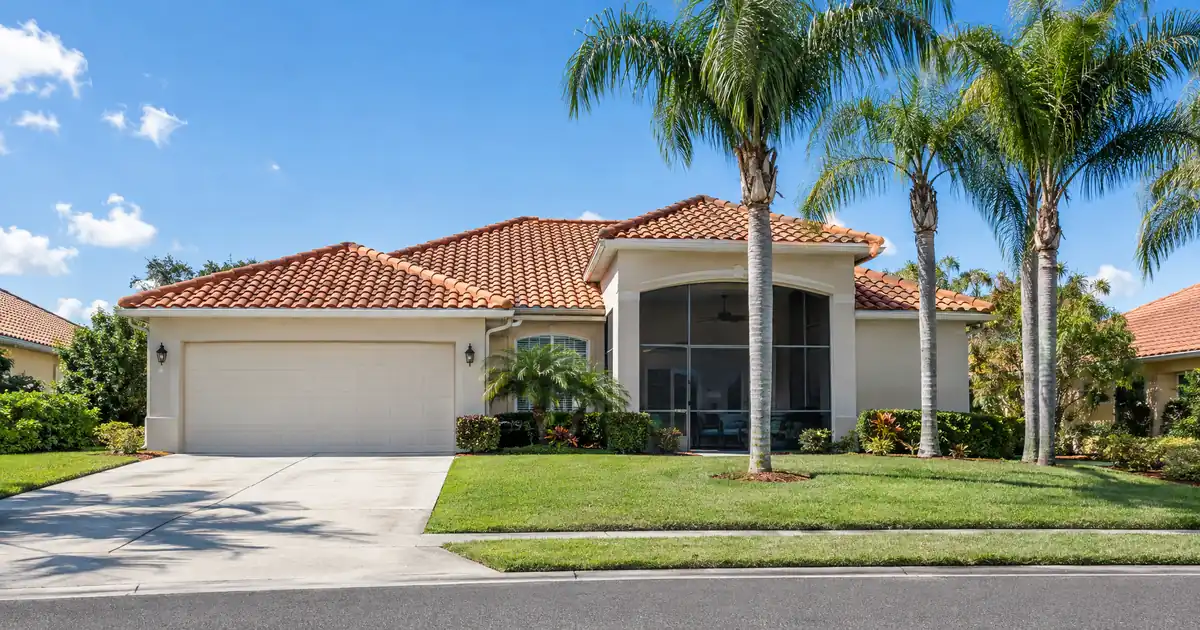
The Quick Read: Yes, for the right property, because the deciding factor is whether that property’s rent covers its full monthly obligation, not whether Orlando is hot or cold. A DSCR loan is reviewed primarily on property-level rental income covering the payment, subject to lender guidelines, so the ratio on one specific house or condo is the whole question.
- Prices and rents have eased, which gives buyers negotiating room but no growth cushion.
- Insurance and HOA dues often decide the ratio more than the purchase price does.
- Most purchase files in the network land at 75%-80% LTV; 1.00 coverage is where select programs start.
- Clearing 1.00 is not the same as positive cash flow.
- Short-term rental rules and condo building condition can sink a deal before the ratio matters.
What Does “Worth It” Mean for a DSCR Loan?
A DSCR loan is worth it when the rent covers principal, interest, taxes, insurance, and any HOA dues with room to spare, and when the investor wants financing that looks at the property instead of personal income. If the rent barely covers the payment, the loan may be approved but the deal may still be a poor one.
DSCR Calculator
Run the numbers in your market
Rate source: Freddie Mac 30-yr average via FRED® — Federal Reserve Bank of St. Louis · effective Oct 29, 2026
Prefilled with starting assumptions — enter your own rent or nightly figures, taxes, insurance, and HOA for a more accurate picture.
Program parameters update from Lendmire’s centralized guideline source. Taxes and insurance are editable estimates.
As of Oct 29, 2026 · General Freddie Mac market benchmark, not a Lendmire loan offer. Rent, nightly rate, occupancy, taxes, and insurance are editable estimates. Short-term rental figures are estimates only and vary significantly by season, property type, management approach, and local short-term-rental rules — confirm local regulations before relying on them. Qualifying income for short-term rentals varies by program — some use appraisal market rent, others use documented STR history or projections — and is confirmed in underwriting. Not a Loan Estimate, approval, or commitment to lend. Program availability and eligibility are subject to lender guidelines, credit approval, property review, and underwriting.
DSCR stands for debt service coverage ratio. The formula is simple: monthly rent divided by the full monthly housing payment. A result of 1.00 is break-even on that payment. Above 1.00, rent exceeds the payment. Below it, the payment exceeds rent. For the broader mechanics, Lendmire’s complete DSCR loans guide walks through the full process.
Here is the catch. The ratio compares rent to the payment only. Repairs, vacancy, management, utilities, and capital expenses sit outside it. A property can clear 1.00 and still lose money after real operating costs.
What Is the Orlando Market Doing Right Now?
Orlando is flat to soft, not collapsing. Redfin reports a median sale price of about $405K for the most recent three-month window, down 2.5% year over year, with homes taking about 61 days to sell versus 52 a year earlier. Buyers have more room to negotiate than they did a few years ago. A lower price means a smaller loan and a smaller payment, which helps the ratio.
Rents tell a quieter story. Zillow shows Orlando average rent declining over the last year. Nationally, Multi-Housing News reports Cotality’s single-family rent index growth slowed in May compared with the prior May. Local property-manager commentary describes apartment rents as softer and single-family as steady. Treat that last point as qualitative.
The takeaway: rent growth is flat. Don’t underwrite a thin ratio on the hope that next year’s lease renewal fixes it.
Where Does Insurance Fit In?
Insurance has been the biggest swing factor in Florida DSCR math, and the direction has improved. A county-level summary of the state insurance regulator’s stability report says average premiums fell in 51 of 67 counties over the first half of the year, and that Citizens’ policy count has dropped sharply from its peak.
That is a secondary summary, so use it for direction only. The averages hide a lot. Older roofs and aging systems can still price far above the average, and some properties struggle to get coverage at all. The investor’s real number is the actual quote on the actual property. Get it before you go under contract, not after the appraisal.
Which Properties Still Pencil, and Which Don’t?
An Orlando rental still pencils when the rent-to-expense ratio holds up after a real insurance quote and real HOA dues. It stops penciling when the property carries heavy HOA or CDD charges, an old roof, or a rent assumption that depends on growth.
Here is how the profiles tend to sort out.
| Property profile | Typical strength | Typical strain |
|---|---|---|
| Newer single-family, long-term lease | Insurable, predictable rent | Soft rent growth |
| Older single-family, original roof | Lower price | Insurance quote, roof condition |
| Condo in an older building | Entry price | Special assessments, building eligibility |
| Whole-home short-term rental | Higher gross revenue | Local rules, HOA bans, seasonality |
| Small 2-4 unit property | Multiple rent streams | Appraisal and rent schedule review |
For an investor in the first row, the answer is often a clear yes. For the fourth row, the answer depends on whether the property can legally operate as a short-term rental at all.
Run the Numbers
Picture an investor buying a single-family rental near the $405K area median at 75% LTV, which sits inside the typical 75%-80% purchase range most programs in the network use. Suppose the lease rent lands around the market average and the insurance quote comes in reasonable. Coverage might clear 1.0x with modest room. That is a pass, but a thin one.
Now stress it. Cut rent 5%-10% to reflect Orlando’s softness, then raise insurance meaningfully. Coverage can slide below 1.00. At that point there are options a lender would review: more down payment to shrink the payment, a different property, or a select-lender path below 1.00 with leverage and terms adjusted. Qualification stays subject to lender guidelines, credit approval, and property review.
If a deal only works at the most optimistic rent and a more affordable insurance quote, that is a signal to re-examine the property, not the loan type. Honestly, a smaller, cleaner house with a newer roof often beats a cheaper one that needs constant explaining to an insurer.
Lendmire’s team can run the same sensitivity on a specific file; investors can reach the brokerage at 828-256-2183 or request a quote.
Does a Bigger Down Payment Fix a Weak Ratio?
A bigger down payment lowers the payment and can lift the ratio. It does not erase leverage caps, credit floors, reserve rules, or property eligibility. The strongest files clear both tests: enough equity and enough rental coverage.
From across the wholesale network, most programs want a credit score around 660, a 620 floor exists in parts of the network, and 700+ unlocks the strongest leverage tiers. Reserves vary by lender, leverage, loan size, and transaction type, commonly around six months of PITIA, and stepping up to about nine months on larger loans above $1,500,000. Standard programs reach up to $3,000,000.
Sub-1.00 coverage is a separate path. It is available through select lenders in the network, with leverage and terms adjusted. A sub-1.00 structure is defensible when the property has a real appreciation story. It is a poor fit when the investor is reaching because no property in the search clears the baseline.
When Is Short-Term Rental Math the Wrong Move?
Short-term rentals are the most overrated part of the Orlando thesis. Orlando is not an automatic STR market. Short-term rental rules can vary by city, county, HOA, and property type, so investors should confirm local rules before relying on projected rental income. Private associations can restrict short-term stays even where the city or county does not. One investor-oriented market summary notes the City of Orlando limits whole-home STRs in residential zoning, while a neighboring county is generally described as more permissive. Both are secondary summaries; verify with the local authority and the HOA.
On the financing side, STR programs in the network typically allow purchase leverage up to 75% LTV and cash-out up to 70% on short-term-rental collateral, with a 640+ score and about 12 months of hosting history expected. Coverage must clear 1.00 on purchases and on refinances. Subject to lender guidelines, not a commitment to lend.
Skip the STR plan if the HOA rules aren’t confirmed in writing. A projection built on a use you can’t legally run is not a projection.
What About Orlando Condos?
Condos are where otherwise decent ratios die. Florida’s post-Surfside rules require milestone inspections and Structural Integrity Reserve Studies. A Florida condo buying guide says milestone inspections apply to buildings of three or more stories at 30 years of age, or 25 where local conditions justify it.
Typical reasons a Florida condo building can fail eligibility include a missing milestone inspection, Structural Integrity Reserve Study non-compliance, thin reserves, inadequate master insurance, or a pending special assessment. Condo eligibility under DSCR programs is program-specific, and a building that fails review can leave the investor with a property that is hard to finance and harder to resell. Manufactured homes, log homes, and barndominiums are not offered in the network’s DSCR programs at all.
DSCR or Conventional: Who Is Each Built For?
| Factor | DSCR loan | Conventional |
|---|---|---|
| Qualifying basis | Property rental income | Personal income and debt-to-income |
| Best fit | Self-employed, LLC, portfolio builders | W-2 borrower, few rentals |
| Pricing | Typically higher | Typically lower |
| Scaling | Property-driven | Limited as financed count grows |
| Documents | Property and credit focus | Tax returns, pay records |
For a W-2 borrower with one rental and strong personal income, conventional financing may cost less and is worth pricing first. For a self-employed investor whose tax returns understate income, or someone building a portfolio, DSCR is often the cleaner path.
Also weigh the other costs. Ownership in an LLC does not always remove personal exposure; many programs are full recourse to the members, so confirm the structure before assuming protection. Prepayment terms matter too, especially if a refinance or sale is likely within a few years.
DSCR vs. conventional financing
There are two common ways to finance an investment property, and they qualify you differently — here’s how investors weigh them.
Why investors choose it
- Qualifies on the property’s rental income — no personal tax returns, W-2s, or pay stubs needed to document income.
- No personal debt-to-income ceiling to clear, so existing mortgages and obligations don’t cap your borrowing the same way.
- Can be closed in an LLC, keeping the property inside a business entity.
- Built for scaling — not held to the limit on number of financed properties that conventional financing applies.
- Underwriting centers on the deal: generally qualifies when the rent covers the payment, a 1.00x coverage ratio being a common baseline (confirmed in underwriting).
- Designed specifically for investment property, including long-term and, where the program allows, short-term rentals.
Where it’s strong
- Often the lowest ongoing financing cost for a buyer who fully qualifies on personal income — a fit for a first property or a cost-first purchase.
Trade-offs for investors
- Requires full personal income documentation and must fit within a debt-to-income limit — salary, existing debts, and other mortgages all count.
- Typically held in your personal name rather than a business entity.
- Caps how many financed properties you can carry, which can become a ceiling as a portfolio grows.
- Evaluates you as a borrower as much as the property, which usually means more paperwork.
How investors usually choose: a first or single property often optimizes for the lowest financing cost; portfolio builders often optimize for leverage, vesting in an LLC, and scaling past conventional caps. The right answer depends on your goals, the property, and current guidelines — both paths run through select lenders in Lendmire’s wholesale network, with eligibility and terms confirmed in underwriting.
Already Own One?
An existing Orlando owner has a different decision: hold, refinance, or sell. With prices softer, equity gains from the last cycle may have thinned. Cash-out on a standard rental tops out around 75% LTV across most of the network, with about six months of seasoning commonly expected. Pulling equity makes sense if the proceeds buy another asset that clears its own coverage. It makes less sense if the proceeds just bridge a weak property.
A refinance that saves little after costs is just paperwork.
Common Misconceptions
- “DSCR means no underwriting.” Credit, LTV, appraisal, and reserves all still matter. Qualification runs on the property’s income, not personal income documentation.
- “Rent only has to cover the mortgage.” Taxes, insurance, and HOA are in the residential calculation.
- “Insurance is still spiraling.” The direction has reversed in much of the state, but unevenly.
- “Falling prices mean a bad investment.” Lower prices can improve coverage. They also cut near-term appreciation upside.
Key Terms Defined
DSCR: The monthly rent divided by the full monthly housing payment.
PITIA: Principal, interest, taxes, insurance, and association dues combined.
LTV: The loan amount as a share of the property’s value.
Rent schedule: An appraiser’s estimate of market rent for the property, used when no lease is in place.
Recourse: The lender’s ability to pursue the borrower personally if the loan defaults.
Frequently Asked Questions
Can a first-time investor get a DSCR loan on an Orlando rental?
Often yes, subject to lender guidelines. Credit, reserves, and leverage still apply, and most programs want a score around 660 with 620 as a floor in parts of the network. A first-time buyer should expect to bring a larger down payment and clean reserves.
Does a DSCR loan work if the ratio is below 1.00?
Sometimes. Select lenders in the network offer sub-1.00 paths, with leverage and terms adjusted. Expect less leverage and stronger credit to be part of the trade, and treat it as a deliberate choice, not a rescue.
Do I need tax returns for an Orlando DSCR loan?
Typically not for personal income. The file qualifies primarily on property-level rental income covering the payment, subject to lender guidelines, though credit, reserves, and the appraisal are still reviewed.
Can I use an LLC to buy the property?
Often, subject to program terms. Many programs remain full recourse to the LLC’s members, so entity ownership does not necessarily remove personal exposure.
Does short-term rental income count toward the ratio?
It depends on the program. STR files usually need hosting history and a documented income basis, and local rules and HOA restrictions must permit the use first.
Next Step
If you are buying or refinancing a rental property and want to see how the numbers work, Lendmire can help you compare DSCR loan options based on the property income, credit profile, leverage, and investor goals. Tax treatment varies; consult a qualified professional. Orlando’s softer prices and easing insurance have restored some headroom, but with rents flat, the properties that win are the ones whose coverage holds up when the optimistic assumptions are removed.
About Lendmire
Lendmire is a non-QM mortgage brokerage (NMLS# 2371349) arranging DSCR investor loans in 41 markets, including Washington, D.C., through wholesale and investor-lending channels. DSCR loans are evaluated by the lender on rental income rather than personal income, subject to lender guidelines — a fit for LLC-owned portfolios, self-employed investors, and operators scaling beyond conventional loan caps. Recognized as a Scotsman Guide Top Mortgage Workplace in 2025 and 2026.
Get Started
Ready to find the right loan for you?
See your offer in seconds. No credit pull, no obligation.
Informational only. Not a Loan Estimate, approval, or commitment to lend. Program availability and eligibility are subject to lender guidelines, credit approval, property review, and underwriting.
References
1. Redfin – Orlando Housing Market
2. Zillow – Orlando Rental Market
3. Multi-Housing News – Cotality Single-Family Rent Index
4. Jared Jones – Florida Homeowners Insurance Summary
5. Surge – Orlando STR Regulations
6. MaxLife Realty – Buying a Condo in Florida
This article is part of Lendmire’s DSCR loan program — full qualification details, guidelines, and scenarios live on the program page.
Related reading: Can You Refinance a Rental Over the Standard DSCR Loan Amount? · Can a Long-Time Renter Get a DSCR Loan on a First Rental? · How to Lower Your Loan-to-Value on a Rental Before a DSCR Refinance
Guides: DSCR Loans in Orlando, FL · DSCR Loans in Florida
Brandon Miller
Founder & CEO, Mortgage Loan Originator, Lendmire LLC
- Mortgage Loan Originator · NMLS# 1129696 · Verify on NMLS Consumer Access
- North Carolina Real Estate Broker · License# 343312 · Verify on NCREC
- North Carolina Insurance Producer · License# 19053198 · Property, Casualty, Life, Health · Verify on NAIC SBS
- Lendmire LLC · Firm NMLS# 2371349 · Verify firm licensure
Important disclosures. Lendmire (NMLS# 2371349) is a licensed mortgage brokerage. Lendmire is not a direct lender, depository institution, or financial advisor. All loan inquiries are subject to lender underwriting; this article does not constitute a commitment to lend. Rates, terms, and program guidelines are subject to change without notice and vary by borrower profile, property type, and state. Information in this article is general in nature and is not financial, legal, or tax advice. Equal Housing Opportunity. NMLS Consumer Access: nmlsconsumeraccess.org.