
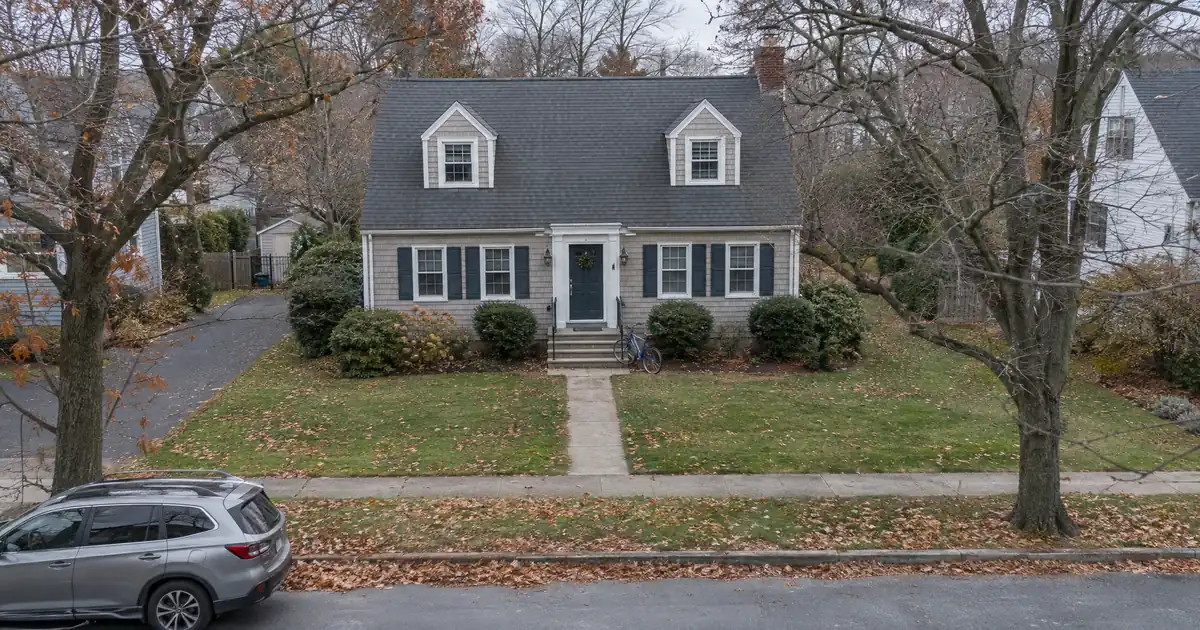
The Quick Read: Usually not: a landlord with a few one-to-four unit rentals should not expect non-recourse to remove personal liability, because most non-recourse loans still carry carve-outs that turn them back into recourse loans, and the version a small owner can actually buy usually costs more, asks for more equity, and fits larger balances better. Insurance and clean entity habits often protect a small owner more cheaply.
- Non-recourse means limited recourse, not zero recourse.
- On a loan against a single rental, a personal guarantee is the normal structure.
- Genuine non-recourse is concentrated in larger, multi-property loans.
- The guaranty’s carve-out section matters more than the label on the term sheet.
- Umbrella insurance and lower leverage are cheaper levers for most owners with two to five rentals.
Key Terms Defined
You will see these terms throughout the article. Each one is defined once here.
- DSCR (debt service coverage ratio): The property’s monthly rent divided by its monthly debt payment. The loan is reviewed primarily on property-level rental income covering the payment, subject to lender guidelines.
- PITIA: Principal, interest, taxes, insurance, and association dues. It is the full monthly obligation that rent is measured against.
- Recourse: The lender can go after your personal assets if the property sale does not cover the loan.
- Non-recourse: The lender’s claim is limited to the property itself, except for defined bad acts.
- Carve-out guaranty: A limited personal promise that activates only if you trigger a listed act, such as fraud.
- Deficiency: The gap between what a foreclosed property sells for and what you still owe.
- Special-purpose entity: An LLC or similar company that may own only the financed property and nothing else.
What Does Non-Recourse Actually Promise?
It promises that the lender looks to the collateral first and, in a true version, only. It does not promise that you are untouchable. Corporate Finance Institute explains that a non-recourse loan limits the lender to the collateral on default. It adds that most of these loans carry a bad boy carve-out, meaning the loan becomes recourse if the borrower is negligent or misrepresents facts.
Read that twice. The protection is conditional, and you hold the condition.
The word “non-recourse” tempts small owners because it sounds like a switch that turns off personal risk. Lenders do not sell it that way in the documents. The guaranty is where the promise lives, and it is written by the lender’s attorney.
Does a DSCR Loan on One Rental Have to Be Recourse?
Not by law, but in practice the standard loan on a single one-to-four unit rental carries a personal guarantee. DSCR describes how you qualify. Recourse describes who is liable afterward. The two are independent, and many borrowers blend them together.
Here is how the pieces fit on most files placed through the wholesale network Lendmire works with. Purchase leverage typically lands at 75% to 80% LTV on an investment purchase, with select high-leverage programs reaching 85% for borrowers around 700 or above. Most programs want a credit score near 660, and a 620 floor exists in parts of the network. Reserves commonly run around six months of PITIA. These are typical ranges, subject to lender guidelines, and every file is underwritten individually.
Notice what is missing from that list. Nothing in it removes the guarantor. The lender still reviews your credit, your liquidity, and your background, because someone has to stand behind the note.
Two myths show up often.
An LLC does not make the loan non-recourse. Many investors close in an LLC, subject to lender program eligibility. The lender typically asks for the principal owners to sign a guaranty anyway. The LLC separates property-level claims from your personal assets. It does not stand between the lender and the guarantor on a recourse loan.
Clearing 1.00 is not positive cash flow. DSCR compares rent to PITIA only. Repairs, vacancy, management, utilities, and capital spending sit outside the calculation. A property can clear the ratio and still lose money in a bad year. Where coverage is concerned, 1.00 is where many select programs start, and a separate select-lender path takes coverage below 1.00 with leverage and terms adjusted.
What Triggers a Carve-Out?
Far more than fraud. Adventures in CRE lists the typical triggers:
- fraud or misrepresentation
- misappropriating rents
- voluntary bankruptcy
- lapsed insurance
- unpaid property taxes that lead to liens
- refusing property inspections
The same source notes that the list has grown. Triggers began as clear bad acts. Today they include lapses that a busy owner might not think of as wrongful.
That is the real risk for a small landlord. A law firm explainer on carve-outs says most non-recourse loans are only conditionally non-recourse, and the condition is the guaranty. Its examples of technical violations include moving ownership for estate-planning reasons without lender consent and breaching the covenants of a special-purpose entity.
The same article separates two kinds of exposure. A loss carve-out makes you liable for specific damages the lender suffers. A springing carve-out makes the entire balance personal. Which kind your loan uses changes the whole value of the protection.
Picture an owner with three rentals who lets one policy lapse for a month because of a billing mix-up. On a loss-only guaranty, the exposure may be tied to damages. On a springing guaranty, that lapse could convert the loan to full recourse. Same label, very different outcome.
A Foreclosure Shortfall, in Percentages
The case where non-recourse actually pays is a deficiency. Run the numbers on a simple one.
Say you buy a rental with a 75% LTV loan on a purchase. Several years later, the local market drops and you stop paying. The property sells for 70% of what you originally paid. After selling costs, back interest, and fees, the proceeds fall short of the loan balance by some number of percentage points of the original price. The exact numbers vary by lender and program and follow a full review of property, leverage, and credit.
On a recourse loan, that shortfall can become a personal claim, depending on state law. On a carve-out non-recourse loan, the lender absorbs it, provided you triggered no carve-out. With no protection, you carry it and the lost equity.
Three things decide whether that scenario ever reaches you:
1. Your equity cushion. A lower loan balance means the property can fall further before a deficiency appears.
2. Your market’s volatility. Values that swing widely raise the odds of a shortfall.
3. Your state’s rules. Deficiency treatment and foreclosure procedure vary by state, which changes how much the guaranty is worth in practice.
Do not skip the second half of this picture. Non-recourse covers the shortfall. It does not give back your down payment or the equity you lose in the sale. It does not cover tenant injury claims either.
Where Real Non-Recourse Lives
It lives mostly in larger, multi-property loans. For loans against one or two small rentals, it is uncommon. Corporate Finance Institute says lenders often extend non-recourse only for certain property types and especially strong borrowers, and calls these loans harder to obtain. That matches what the wholesale network shows.
Two portfolio structures are worth knowing. A portfolio DSCR loan puts 2 to 20 properties under one note, with loan sizes typically from $300,000 to $5,000,000, leverage up to 80% of value on a purchase or rate-and-term refinance, and a 30-year term with an interest-only period available. Coverage of 1.00 is measured on the pool, so stronger properties can offset weaker ones. Treat it as a pooling tool, not a recourse fix. Read the guaranty on that note the same way you would on a single loan.
A rental portfolio term loan is the structure where non-recourse shows up. It is built for five or more rental properties or units under one loan, with loan sizes typically from $500,000 to $50,000,000 and leverage up to 75% of value. Terms are fixed for 3, 5, 7, or 10 years with a balloon at maturity. The loan can be recourse or non-recourse. The non-recourse version looks to the real estate, with recourse limited to carve-outs such as fraud and bankruptcy.
That structure comes with costs a small landlord should weigh:
- Prepayment runs on yield maintenance, so selling or refinancing early can be expensive.
- Reserves are held for taxes, insurance, and capital expenditures.
- Some versions want a special-purpose entity and a higher credit floor, around 640 and in some cases 680 or 720.
- Properties in several markets can sit under one loan, which also means one default can reach all of them.
Credit and structure limits apply to every figure here, and each is a program ceiling or floor, not a quote.
Cheaper Ways to Limit Downside
For two to five rentals, insurance and entity discipline usually beat paying for non-recourse. This is a judgment call, not a rule. It reflects how the costs compare.
Start with what an LLC does and does not do. A Vantage Point insurance explainer says an LLC pays nothing toward a claim, while an umbrella policy does. It also notes that a personal umbrella may not reach a rental once an LLC takes title. Ownership structure and coverage need to be set up together. Entity choices also change tax treatment, which varies, so consult a qualified professional.
Then look at the first line of defense. CoverageCat describes a personal umbrella as a cost-effective first layer for one or two properties. It warns that owners with larger holdings may run into business-activity exclusions. That is a reason to confirm how your policy treats rentals, not a reason to skip coverage.
| Tool | What it protects | What it does not |
|---|---|---|
| Carve-out non-recourse loan | Deficiency after foreclosure | Tenant claims, lost equity |
| LLC ownership | Personal assets from property claims | Guarantor on a recourse note |
| Umbrella and liability coverage | Injury and premises claims | The lender’s deficiency claim |
| Lower leverage | Equity cushion, fewer shortfalls | Premises claims, entity lapses |
Lower leverage deserves a note. A larger down payment reduces the monthly payment and can lift the DSCR. It never erases leverage caps, credit floors, reserve rules, or property eligibility. The strongest files clear both tests: enough equity and enough rental coverage.
When Does It Make Sense to Pay for a Non-Recourse DSCR Loan?
It makes sense when you have meaningful assets outside the rentals, the loan is large enough to qualify for a portfolio structure, and you will keep up the operating discipline that carve-outs demand. If you are missing those, the premium usually buys less than it appears to.
Work through this short test.
1. Outside assets. If a lender would find little to pursue, a deficiency claim is not your biggest risk. If you hold savings, a primary residence, or other holdings, personal exposure matters more.
2. Property count and loan size. Two or three houses rarely reach the balance sizes where true non-recourse is available. Five or more units under one loan changes that.
3. Equity cushion. At 75% LTV on a purchase, a moderate value drop does not create a deficiency. The thinner your cushion, the more the protection is worth.
4. Entity discipline. Carve-outs punish missed taxes, lapsed insurance, mixed-up rents, and unapproved transfers. If your bookkeeping is loose, springing recourse is a real danger, so be honest with yourself.
5. Exit plans. If you may sell or refinance within a few years, yield maintenance on a term loan can erase the benefit. Final terms depend on the lender’s guidelines, the property type, and the borrower’s complete credit picture.
The expected-value logic is simple. Compare the odds of a deficiency, times its likely size, against the extra cost and equity you give up. For most landlords with a few rentals and a normal cushion, that math does not favor paying.
Honestly, the answer can flip as the portfolio grows. An owner at five or more rentals with strong outside assets may find the term loan structure worth a serious look. That is a different decision than an owner at two houses.
Lendmire’s piece Recourse vs Non-Recourse DSCR Loans for Short-Term Rentals covers how hosting history and lower leverage change the picture. Its piece on recourse vs non-recourse DSCR for a first-time landlord buying a home later covers how a personal guarantee can interact with your own mortgage plans.
Across the lenders in the network, one pattern repeats. Borrowers ask for non-recourse early, then discover the guaranty language matters more than the label. The files that go smoothly are those where the owner read the carve-out section before choosing the structure, not after.
What to Check in the Guaranty
Read the guaranty, not the term sheet headline. Use this list before you sign anything:
- Is exposure loss-only or springing full recourse?
- Which acts trigger it, and is there a cure period for curable lapses like missed taxes?
- Who must sign, and does ownership percentage set the threshold?
- What counts as a transfer, and does an estate-planning move need consent?
- What entity covenants apply, and what ends the single-purpose rule?
- What notice does the lender owe you before declaring a default?
Small passive owners in a multi-member LLC may be excluded from the guaranty but still risk their capital contribution. Settle that before closing, not after.
Think about where this leaves you. The decision is not recourse versus non-recourse. It is how you manage exposure, and for most owners with a few rentals the answer is insurance, entity hygiene, and a sensible cushion.
If you are buying or refinancing a rental property and want to see how the numbers work, Lendmire can help you compare DSCR loan options based on the property income, credit profile, leverage, and investor goals. Lendmire is a broker arranging financing through select lenders in its wholesale network, with DSCR programs across 41 markets, including Washington, D.C. The brokerage’s complete DSCR loans guide walks through the fundamentals.
Frequently Asked Questions
Is a DSCR loan non-recourse?
Usually no. A DSCR loan on a single one-to-four unit rental typically carries a personal guarantee. Non-recourse structures exist, mostly on larger multi-property term loans, and they carry carve-outs.
Does an LLC protect me from a lender?
Not on a recourse loan. The LLC separates property-level claims from your personal assets, but the lender typically asks the principal owners to guarantee the note. The entity and the loan structure do different jobs.
What can turn a non-recourse loan into full recourse?
Fraud, misappropriated rents, voluntary bankruptcy, lapsed insurance, unpaid taxes that create liens, and refusal to allow inspections are common triggers. Unauthorized ownership transfers and entity covenant breaches can also trigger it. Whether the result is a loss claim or full liability depends on the guaranty’s wording.
Is it worth it for two or three rentals?
Usually not. Loans on so few properties rarely reach the sizes where true non-recourse is offered, and the cost shows up as extra equity, stricter terms, or both. Umbrella insurance and a larger down payment typically do more for the money.
Does state law matter?
Yes. Deficiency treatment and foreclosure procedure vary by state, so the same guaranty can be worth more in one place than another. That is one more reason to read the document, and to ask a real estate attorney how it plays out where your property sits.
About Lendmire
A DSCR-focused mortgage broker, Lendmire (NMLS# 2371349) places investor financing across 41 markets — 40 states plus Washington, D.C. — with DSCR eligibility generally reviewed by the lender on property cash flow instead of tax returns, subject to lender guidelines. Scotsman Guide named Lendmire a Top Mortgage Workplace in 2025 and 2026.
Get Started
Ready to find the right loan for you?
In about 30 seconds you can review financing options available for your investment property. No commitment required.
Informational only. Not a Loan Estimate, approval, or commitment to lend. Program availability and eligibility are subject to lender guidelines, credit approval, property review, and underwriting.
References
1. Corporate Finance Institute – Non-Recourse Loan
2. Adventures in CRE – Non-Recourse Carve-Outs
3. Kelley Clarke Law – Bad Boy Carve-Outs
4. Vantage Point Risk – LLC vs Umbrella
5. CoverageCat – Landlord Umbrella
This article is part of Lendmire’s DSCR loan program — full qualification details, guidelines, and scenarios live on the program page.
Related reading: Can You Get a DSCR Loan for an Airbnb in Tennessee? · Can Vacant Rentals Be Included in a Portfolio DSCR Loan? · Can a Single Portfolio DSCR Loan Cover Rentals in Several States?
Brandon Miller
Founder & CEO, Mortgage Loan Originator, Lendmire LLC
- Mortgage Loan Originator · NMLS# 1129696 · Verify on NMLS Consumer Access
- North Carolina Real Estate Broker · License# 343312 · Verify on NCREC
- North Carolina Insurance Producer · License# 19053198 · Property, Casualty, Life, Health · Verify on NAIC SBS
- Lendmire LLC · Firm NMLS# 2371349 · Verify firm licensure
Legal disclosures. Lendmire (NMLS# 2371349) is a state-licensed mortgage brokerage that arranges financing through wholesale lender relationships. Lendmire is not a direct lender, depository institution, or registered financial advisor. The discussion above is general informational content about real estate financing — it is not financial, legal, or tax advice, and readers should consult licensed professionals for guidance on their individual circumstances. Loan inquiries are subject to lender underwriting; this article does not represent a commitment to lend. Loan terms, rates, and qualification standards vary by borrower, property, and state, and are subject to change at any time. Equal Housing Opportunity. NMLS Consumer Access: nmlsconsumeraccess.org.