
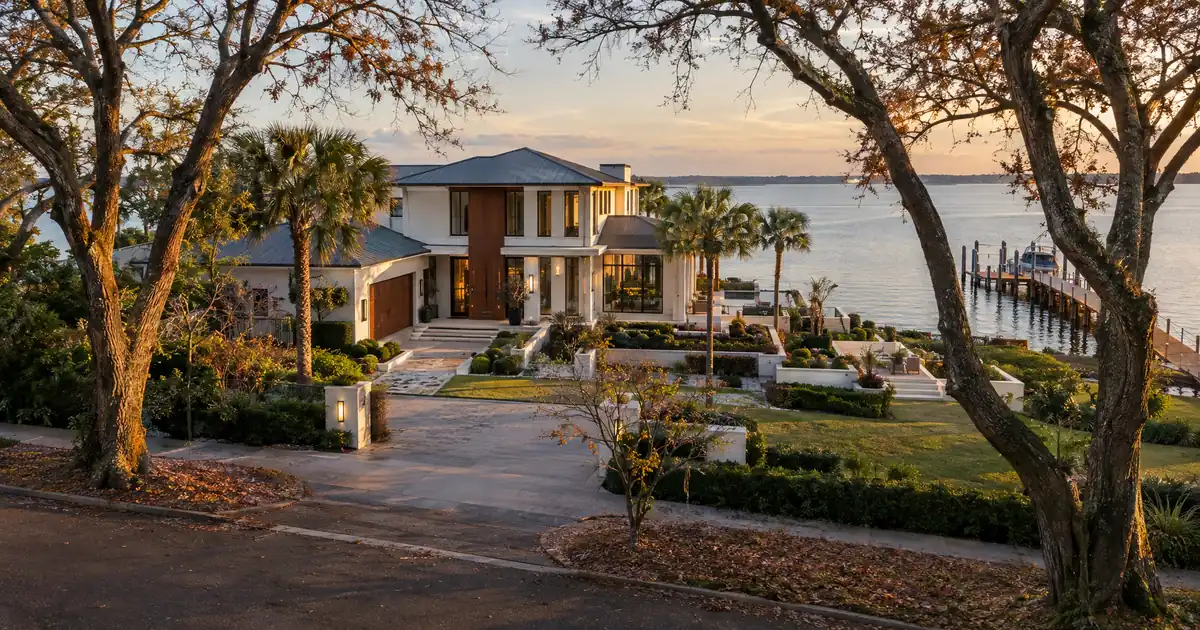
The Quick Read: No. A DSCR loan is a mortgage, so the collateral is the rental real estate being financed, and the only collateral expansion these loans contemplate is more real estate. Art and yachts are personal property or vessels, and they don’t get pledged on a DSCR note. They can still matter as net worth, but they generally don’t count as reserves because they are illiquid.
- Collateral on a DSCR loan means real property. Cross-collateral means other properties.
- Qualification runs primarily on property-level rental income covering the payment, subject to lender guidelines.
- Reserves are documented in liquid accounts. Art and boats generally don’t qualify.
- Borrowing against art or a yacht is a separate loan with its own lien and payments.
- Super jumbo, in this network, starts above $3,000,000.
Wealthy investors ask this question because the balance sheet is full of things that feel like collateral. A collection, a vessel, a brokerage account. The file doesn’t read them that way. What follows is how the collateral side of a large-balance DSCR file works, where non-real-estate assets show up, and what to do if the money for the down payment is sitting in a painting.
DSCR Calculator
Run the numbers in your market
Rate source: Freddie Mac 30-yr average via FRED® — Federal Reserve Bank of St. Louis · effective Oct 15, 2026
Prefilled with starting assumptions — enter your own rent or nightly figures, taxes, insurance, and HOA for a more accurate picture.
Program parameters update from Lendmire’s centralized guideline source. Taxes and insurance are editable estimates.
As of Oct 15, 2026 · General Freddie Mac market benchmark, not a Lendmire loan offer. Rent, nightly rate, occupancy, taxes, and insurance are editable estimates. Short-term rental figures are estimates only and vary significantly by season, property type, management approach, and local short-term-rental rules — confirm local regulations before relying on them. Qualifying income for short-term rentals varies by program — some use appraisal market rent, others use documented STR history or projections — and is confirmed in underwriting. Not a Loan Estimate, approval, or commitment to lend. Program availability and eligibility are subject to lender guidelines, credit approval, property review, and underwriting.
Why a DSCR Loan Has No Slot for Art
The lien on a DSCR loan is a mortgage or deed of trust recorded on real property. Underwriting divides the property’s monthly rent by the full monthly obligation: principal, interest, taxes, insurance and any association dues. If rent covers that obligation at the program’s coverage threshold, the property carries the loan. Nothing in that math changes if the borrower owns a Basquiat.
Across the wholesale network, qualification runs on the property’s rent rather than a personal-income calculation, and the collateral on these files is real estate. A portfolio pledge is not a standard feature of these programs. That is a different structure from a private-bank super jumbo. A mortgage investor buying a loan on the secondary market wants collateral it can value off a recorded address. Terms differ by lender, and every file is underwritten individually.
DSCR loans are designed for non-owner-occupied investment properties. Because they are business-purpose investor loans, they are reviewed differently from a standard owner-occupied mortgage. That still isn’t a free pass on the borrower. Credit, reserves and entity papers get reviewed on every file.
What Does “Pledged” Mean Here, and How Is It Different From “Counted”?
An asset is either pledged or counted. Pledged means the lender takes a lien and can reach the asset on default. Counted means the asset supports qualification but stays free of any lien. On a DSCR file, the things pledged are properties. The things counted are liquid funds.
| Treatment | What the lender takes | What you keep | Effect on reserves |
|---|---|---|---|
| Pledged real estate | Mortgage on each property | Ownership, rents | None directly |
| Counted liquid funds | Nothing | Full control | Supports reserves |
| Art or yacht | Not taken on a DSCR note | Full ownership | Generally none |
Cross-collateral is the one expansion DSCR does contemplate. Extra collateral of this kind improves leverage. It doesn’t fix income coverage. A subject property with thin rent stays thin no matter how many other buildings sit behind the note.
Art, Specifically
Art is reviewable. Just not here. A loan against art is a secured transaction in personal property, and the lender perfects its lien by filing a UCC-1 financing statement, which is a public record. Those loans fall under UCC Article 9, the body of law governing security interests in personal property.
Art lenders weigh provenance, condition, valuation and liquidity, and Sheppard Mullin notes that art loans rest on independent appraisals and clear title. Masterworks Academy reports that market advances on art commonly run 50-60% of value. That is an art-lending market figure. It has nothing to do with the leverage ladder on a DSCR purchase, which is set by loan size and coverage.
Custody matters on that side too. The borrower can often keep the art at home with a UCC-1 identifying the lien. If it sits in storage or a gallery, the lender may require an agreement with the third party. None of that machinery exists on a mortgage file.
Yachts, Specifically
The yacht lien lives in a different registry. A documented US vessel is financed with a preferred mortgage, which is recorded with the Coast Guard’s National Vessel Documentation Center and carries maritime-lien status, as the Coast Guard’s documentation FAQ describes. A maritime law firm’s best-practices note on vessel collateral adds that such a mortgage can’t be accepted for filing unless the vessel has a valid Certificate of Documentation or a pending application.
The point for an investor: a vessel lien is perfected federally, not in county land records. A DSCR deed of trust and a ship mortgage are two different perfection systems. A mortgage investor has no practical way to take, monitor or enforce the second one.
Asset-by-Asset Treatment
| Asset | Pledged on DSCR note? | Counts toward reserves? | Main catch |
|---|---|---|---|
| Art | No | Generally no | Illiquid, hard to value |
| Yacht | No | Generally no | Depreciates, federal registry |
| Securities | No | Often, in a liquid account | Some lenders discount value |
| Cash | No | Yes, documented | Source must be clear |
| Other real estate | Yes, as cross-collateral | No | Adds leverage, not coverage |
Nothing published says any program credits art or a yacht toward reserves. Treat that as a confirm-with-the-lender item, not a promise either way.
Where Art and Yachts Do Matter
They matter as net worth, and net worth does not drive a DSCR file.
Reserves on this ladder are six months of PITIA on the subject property (ITIA on interest-only), and 12 months for first-time investors, subject to underwriting. Cash-out proceeds don’t satisfy reserves above $3,000,000. The funds that count sit in an account and are documented. A painting hanging in a hallway isn’t a reserve. A sale that lands as cash in a statement can be.
Securities are the nearest cousin. The SEC’s investor alert describes securities-backed lines of credit as loans against a portfolio, marketed as a way to unlock portfolio value. The catch: pledged holdings may get excluded from the asset count on a later DSCR file. Pledge first, apply second, and the same assets can’t do both jobs.
The Private-Bank Side
A private bank holding a super jumbo in portfolio sets its own terms. A portfolio lender may consider pledged assets by its own rules, and treatment of non-real-estate collateral varies. That is a different product from the DSCR path, with a different review basis and different strings attached.
For the DSCR path, the network ladder is the guide. Super jumbo starts above $3,000,000 and the program runs to $10,000,000. Through select wholesale programs, leverage steps down with size, subject to underwriting:
| Loan size | Purchase | Cash-out | Credit for this leverage |
|---|---|---|---|
| $150K-$1M | 80% | 75% | 660+ |
| $1M-$1.5M | 75% | 70% | 700+ |
| $1.5M-$3M | 75% | 60% | 720+ |
| $3M-$4M | 65% | — | 700+ |
| $4M-$10M, on review | 60% | — | 700+ |
The credit floor is 660, and 700 above $3,000,000 is the super jumbo overlay. A lower score takes a lower leverage cell in the same band. Above $4,000,000 every request is reviewed case by case before submission, purchase or rate-and-term only. Two appraisals are required above $2,000,000. Coverage at 1.00 earns full leverage, and a path from 0.75 to 0.99 exists through select programs to $2,000,000, with LTV and terms adjusting, subject to underwriting. Interest-only runs 120 months, to 75% maximum.
Workarounds That Actually Work
Say an investor wants a $4,000,000 rental purchase at 60% leverage on review and holds a collection worth more than the down payment. Three routes exist. Every figure here varies by lender and program: guidelines, property type, leverage, and credit profile all apply.
1. Sell and document. Convert the art to cash, let it season in an account, and the funds count as down payment and reserves.
2. Borrow against the art separately. The art loan is its own debt, with a public UCC-1 and ongoing payments. The investor should confirm cash flow can carry that interest and principal alongside the mortgage.
3. Cross-collateralize other real estate. If the investor owns free-and-clear buildings, pledging them can lift leverage on the new purchase. It adds a lien on property that was previously clean.
Route two carries the most friction. A new liability changes the borrower profile, and the art lender’s payments run alongside the mortgage.
Risks and Trade-Offs
Pledging an illiquid asset in one place means it can’t support anything else. Art values swing. Vessels depreciate. A yacht already carrying a ship mortgage has a senior lien in the way. Borrowing against either to fund a down payment turns a single mortgage obligation into two. Selling avoids the second debt but triggers its own timing questions. Tax treatment varies; consult a qualified professional.
A thin DSCR won’t be rescued by a collection. If rent doesn’t cover the monthly obligation at the program’s threshold, the options are lower leverage, a sub-1.00 program through select lenders (with LTV and terms adjusting), or a different property. Not more things pledged.
DSCR vs. conventional financing
There are two common ways to finance an investment property, and they qualify you differently — here’s how investors weigh them.
Why investors choose it
- Qualifies on the property’s rental income — no personal tax returns, W-2s, or pay stubs needed to document income.
- No personal debt-to-income ceiling to clear, so existing mortgages and obligations don’t cap your borrowing the same way.
- Can be closed in an LLC, keeping the property inside a business entity.
- Built for scaling — not held to the limit on number of financed properties that conventional financing applies.
- Underwriting centers on the deal: generally qualifies when the rent covers the payment, a 1.00x coverage ratio being a common baseline (confirmed in underwriting).
- Designed specifically for investment property, including long-term and, where the program allows, short-term rentals.
Where it’s strong
- Often the lowest ongoing financing cost for a buyer who fully qualifies on personal income — a fit for a first property or a cost-first purchase.
Trade-offs for investors
- Requires full personal income documentation and must fit within a debt-to-income limit — salary, existing debts, and other mortgages all count.
- Typically held in your personal name rather than a business entity.
- Caps how many financed properties you can carry, which can become a ceiling as a portfolio grows.
- Evaluates you as a borrower as much as the property, which usually means more paperwork.
How investors usually choose: a first or single property often optimizes for the lowest financing cost; portfolio builders often optimize for leverage, vesting in an LLC, and scaling past conventional caps. The right answer depends on your goals, the property, and current guidelines — both paths run through select lenders in Lendmire’s wholesale network, with eligibility and terms confirmed in underwriting.
A Short Decision Path
- Need leverage on a strong-coverage property? Cross-collateral real estate, if you have it.
- Need down payment cash and hold liquid securities? Document the account, and watch for haircuts.
- Need cash and hold only art or a boat? Sell it, or take a separate secured loan and plan for the added liability.
- Hoping the collection offsets weak rent? It won’t. Rework the property or the leverage.
Key Terms Defined
Pledged asset: An asset the lender takes a lien on and can reach on default.
Counted asset: An asset that supports qualification but carries no lien.
UCC-1: The public filing a lender uses to perfect a lien on personal property such as art.
Preferred ship mortgage: A federally recorded lien on a documented vessel.
Cross-collateral: Several properties securing one note, with a mortgage recorded on each.
Reserves: Liquid funds held after closing to cover payments on the subject property.
Frequently Asked Questions
Can art count toward reserves on a super jumbo DSCR file?
Generally no. Reserves are documented in liquid accounts, and art is illiquid and hard to value. No published guideline credits it, so confirm with the lender before assuming anything. Selling the piece and holding the cash is the clean version.
Can I pledge a yacht I already have a loan on?
Not on a DSCR note, because a DSCR loan takes real estate only. A yacht with an existing preferred ship mortgage also has a senior lien recorded in a federal registry, which complicates any second claim.
Does a securities-backed line hurt my DSCR application?
Yes, it can. The pledged holdings may drop out of your countable assets, and the line is a new liability. Funds drawn must have a documented source, and undrawn balances aren’t cash on hand.
Will extra collateral fix a low coverage ratio?
No. Additional pledged real estate improves leverage, not income coverage. The subject property’s rent still has to cover its own monthly obligation at the program’s threshold, or the deal works to a reduced-leverage path through select programs, subject to underwriting.
Does the loan size change any of this?
Size changes leverage, credit and appraisal requirements, not the collateral type. Above $3,000,000 the super jumbo overlay applies, with two appraisals above $2,000,000 and case-by-case review above $4,000,000.
Next Step
If you are buying or refinancing a high-balance rental property and want to see how the numbers work, Lendmire can help you compare super jumbo DSCR loan options based on the property income, the loan balance, credit profile, leverage, and investor goals. Lendmire is a broker arranging financing through select lenders in its wholesale network across 41 markets, including Washington, D.C., and nothing here is a commitment to lend. The complete DSCR loans guide covers the basics. Lendmire’s piece Can Art, a Yacht or Wine Be Pledged as Collateral on a Super Jumbo Loan? goes deeper on the broader collateral question.
For current guidelines and terms, see Lendmire’s super jumbo DSCR loan programs page.
Lendmire’s self-employed mortgages page presents both super jumbo programs, bank statement and DSCR, side by side.
About Lendmire
Lendmire — NMLS# 2371349 — is a DSCR and non-QM mortgage brokerage with investor loan programs in 41 markets, including Washington, D.C. DSCR eligibility is commonly reviewed by the lender around property-level rent rather than personal income documentation, subject to lender guidelines, and the brokerage helps arrange financing for LLC-owned portfolios beyond conventional financed-property limits. Recognized by Scotsman Guide as a Top Mortgage Workplace in 2025 and 2026.
Get Started
Ready to find the right loan for you?
In about 30 seconds you can review financing options available for your investment property. No commitment required.
Informational only. Not a Loan Estimate, approval, or commitment to lend. Program availability and eligibility are subject to lender guidelines, credit approval, property review, and underwriting.
References
1. Sheppard Mullin — Art as Collateral
2. Masterworks Academy — art-backed lending mechanics
3. U.S. Coast Guard National Vessel Documentation Center — FAQ and definitions
4. Starfield & Smith — Vessel Collateral best practices
5. SEC — Investor Alert on Securities-Backed Lines of Credit
This article is part of Lendmire’s super jumbo DSCR loan program — full qualification details, guidelines, and scenarios live on the program page.
Related reading: How to Qualify for a Super Jumbo DSCR Loan in Nebraska · How a Super Jumbo DSCR Loan Works for Portfolio Investors · How to Qualify for a Super Jumbo DSCR Loan in Wisconsin
Brandon Miller
Founder & CEO, Mortgage Loan Originator, Lendmire LLC
- Mortgage Loan Originator · NMLS# 1129696 · Verify on NMLS Consumer Access
- North Carolina Real Estate Broker · License# 343312 · Verify on NCREC
- North Carolina Insurance Producer · License# 19053198 · Property, Casualty, Life, Health · Verify on NAIC SBS
- Lendmire LLC · Firm NMLS# 2371349 · Verify firm licensure
Compliance and disclosures. Lendmire (NMLS# 2371349) is a licensed mortgage broker and is not a direct lender, depository institution, financial advisor, or tax professional. Content in this article is general market analysis and educational information — not financial, legal, or tax advice for any specific situation. Lendmire does not guarantee loan approval; every transaction is subject to underwriting by the funding lender. Mortgage pricing and loan program guidelines are subject to change at any time without notice and vary by borrower characteristics, property type, and state regulations. Lendmire complies with Equal Housing Opportunity. Licensure verification: NMLS Consumer Access.