
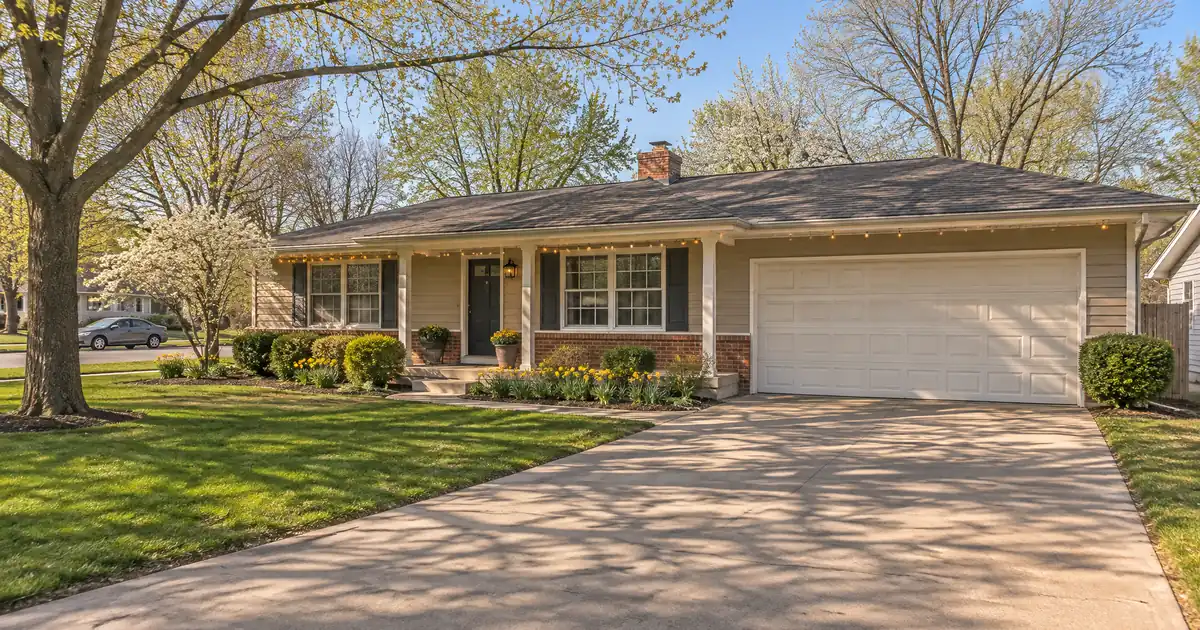
The Quick Read: A portfolio DSCR cash-out fits the owner who wants to keep the rentals and borrow against pooled equity, while selling fits the owner who values a clean exit and a smaller balance sheet more than the income the property produces. Neither route is free: one adds debt and a coverage test, and the other triggers a tax event and ends the rent.
- Cash-out on a portfolio loan is capped at 75% of the pooled value and never exceeds the ceiling of the structure itself, so equity and coverage both have to work.
- Coverage on the 30-year portfolio structure is measured on pooled rent against pooled debt service, with a 1.00 floor.
- Selling skips qualification entirely but recognizes gain, and the depreciation-related slice of that gain is taxed at a higher maximum rate.
- Paying off a home loan with borrowed rental proceeds is a use-of-proceeds question the lender reviews before it becomes a plan.
- A third path combines the two: sell the weakest property and refinance the rest.
The rest of this piece lays the two routes side by side, then explains where each one fits. For program background, Lendmire’s complete DSCR loans guide covers the basics.
Side-by-Side
The table compares structure, not pricing. The left column reflects guidelines across Lendmire’s wholesale network of DSCR lenders, subject to lender guidelines. The right column describes how a sale generally works.
| Factor | Portfolio DSCR Cash-Out | Selling a Rental |
|---|---|---|
| Review basis | Pooled rent vs. pooled debt service, plus credit | None for you; the buyer qualifies |
| Documentation | Leases or market-rent appraisal, entity papers, payoffs | Sale contract, payoff letter, basis records |
| Property types | SFR, 2-4 unit, condo, townhome | Any type a buyer will purchase |
| Entity vesting | Individual or entity, per program | Whoever holds title |
| Reserves | Commonly about 6 months PITIA | None required |
| Tax event | Borrowed proceeds generally not sale income | Gain recognized on the sale |
Two details sit behind that table. The property types in the table apply to the 30-year portfolio DSCR loan, while small multifamily is eligible only on the rental portfolio term loan, a separate structure covered below. Manufactured and mobile homes are not reviewable on any of these programs.
Key Terms Defined
Portfolio (blanket) DSCR loan: One note secured by several rentals, which is also called a cross-collateralized loan.
DSCR: Monthly rent divided by the monthly obligation of principal, interest, taxes, insurance and any HOA dues.
Cash-out refinance: A new loan larger than the payoff, with the difference paid to the borrower.
Release price: The amount the lender requires to free one property from the pool, which runs above that property’s allocated balance.
Seasoning: The ownership period a property needs before cash-out proceeds are available, which is about 6 months from title recording.
How the Portfolio Route Works
A portfolio DSCR loan puts several rentals under one note and tests them together. Lendmire arranges two main structures through its network, and they behave differently.
The 30-year portfolio DSCR loan covers 2 to 20 properties under one note, with loan sizes from $300,000 to $5,000,000 and larger balances reviewed case by case. On a purchase or rate-and-term refinance, leverage runs up to 80% of value, while a cash-out on this structure is held to a lower ceiling, described below. The coverage floor is 1.00, measured on the pool. Fixed and adjustable structures exist, and an interest-only period is available. Eligible property types are single-family, 2-4 unit, condo and townhome. Terms depend on the lender’s guidelines, the property type, the leverage, and a full review of the credit profile.
The rental portfolio term loan is built for five or more rental properties or units. Loan sizes run from $500,000 to $50,000,000, with leverage up to 75% of value. Terms are fixed at 3, 5, 7 or 10 years with a balloon at maturity. Both recourse and non-recourse versions exist, and non-recourse looks to the real estate, with carve-outs such as fraud and bankruptcy. Prepayment is generally yield maintenance, and reserves are held for taxes, insurance and capital expenditures. Properties in several markets can sit under one loan, and small multifamily is eligible on this structure only.
On either structure, a cash-out never exceeds 75% of the pooled value, and never exceeds the structure’s own ceiling. Inside the first six months of ownership the loan is also capped at 90% of total cost (purchase price plus documented improvements), and at 100% of total cost from six to twelve months. The loan is the lower of the cost cap and the leverage ceiling. After twelve months the appraised value alone is the basis, and a rate-and-term refinance is not subject to the cost-basis cap.
Credit floors on the portfolio programs start at 640, and some structures want 680 or 720. Some structures require a special-purpose entity, typically an LLC, subject to lender program eligibility. Owner-occupied property, co-ops, mixed-use and commercial property are ineligible in the pool.
Pooled coverage is the feature that separates this from a stack of single-property loans. Stronger rentals can carry weaker ones. A rental that falls below 1.00 on its own can sit in the pool, and underwriting tests the pooled coverage, the leverage and the terms. A single-property loan on that same rental would be tested alone.
When Portfolio DSCR Cash-Out Is the Better Fit
Cash-out is the stronger route when the rentals are worth more to you than the equity trapped inside them. The pattern usually looks like one of these.
- The rentals earn their keep. If pooled rent comfortably clears the new, larger debt service, you are swapping idle equity for the home payoff while the income stays.
- Appreciation, rent growth and depreciation still matter to you. Selling ends all three. Borrowing preserves them.
- Selling would create a large tax bill. Long-held, heavily depreciated property tends to carry the biggest embedded gain. Borrowed proceeds are generally not treated as sale income, though a CPA should confirm how that applies to your situation.
- You qualify on the property, not on a paycheck. This route suits self-employed owners and entity-held portfolios because the loan is reviewed primarily on property-level rental income covering the payment, subject to lender guidelines.
- You plan to keep growing. Equity pulled from seasoned rentals can fund the next purchase instead of retiring a home loan.
The caveat is that cash-out adds debt to the rentals. Chained cash-outs push leverage toward the 75% ceiling and pull coverage down, which narrows the room for a vacancy or a repair bill. DSCR also compares rent to PITIA only, so a passing ratio says little about actual cash flow once operating costs are counted.
The cash-out also has to fund a personal home loan, and that use of proceeds needs its own review (more on that below). For a closely related payoff decision, Lendmire’s piece on a super jumbo DSCR cash-out refinance versus a portfolio DSCR loan to pay off a hard money second walks through a similar choice.
When Selling a Rental Is the Better Fit
Selling wins when the property has stopped doing its job or when simplicity is the goal.
- The rental is the weak link. A property that drags down pooled coverage, needs heavy capital work, or produces little after real-world costs may be better converted to cash.
- You want less debt and less to manage. A sale lowers debt and income together, which suits an owner heading toward retirement.
- Equity is thin or leverage is already high. Cash-out is capped at 75% of pooled value, so thin equity limits how much a refinance can return. A sale has no such ceiling.
- Qualification is a problem. Credit below the program floors, reserves that fall short, or properties that sit outside eligible types can close the cash-out door. A sale does not depend on any of that.
- The embedded gain is small. If basis is close to the sale price, or the sale lands below adjusted basis, the tax cost shrinks or disappears.
The catch is the tax bill, covered next. A sale is also hard to reverse. Once the property is gone, so are its rent, its appreciation and its depreciation.
What the Tax Bill Looks Like on a Sale
A rental sale produces a gain equal to the sale price, less selling costs, less adjusted basis. Depreciation you claimed lowers that basis, so it raises the gain. IRS Topic 409 states that unrecaptured section 1250 gain, the depreciation-related slice, is taxed at a maximum of 25%. The rest of the gain is generally taxed at long-term capital gain rates, and the net investment income tax may apply on top for some owners.
A 1031 exchange can defer that tax, but it does not pay off a home loan. Utah State University Extension explains the IRS rules: replacement property must be identified in writing within 45 days, the exchange must be completed within 180 days (or by the return due date, if earlier), and real estate exchanges run through a qualified intermediary. Because deferral depends on reinvesting through that intermediary, an owner who wants cash to retire a home loan generally cannot also use an exchange. A CPA should confirm the details before a sale contract is signed.
Tax treatment varies; consult a qualified professional.
Can Cash-Out Proceeds Pay Off a Home Loan?
Sometimes, but the lender decides how that use is handled, and it is worth asking before you build a plan around it. DSCR loans are designed for non-owner-occupied investment properties. Because they are business-purpose loans, they are reviewed differently from a standard owner-occupied mortgage, and Regulation Z treats credit to acquire, improve or maintain non-owner-occupied rental property as business purpose, with unit-count conditions that depend on the transaction. How that applies to a cash-out on a 1-4 unit rental is a question for the lender and your counsel, not something to assume.
The practical point is that a loan’s label does not settle how proceeds are used. Programs differ on how they treat proceeds that go to a personal residence, so raise the plan at the start. If the lender is comfortable, the payoff happens at closing. If not, the portfolio loan may still make sense for other uses of the equity.
A Worked Comparison on One Portfolio
The numbers below are modeled assumptions, not market data, and they use ratios because the point is direction, not dollars.
Picture an owner with five rentals and a home loan to clear. Four rentals clear roughly 1.3x on their own. The fifth sits near 0.9x because of a heavy tax and insurance load. Pooled coverage on the current debt is comfortably above 1.00.
Route one is a cash-out on the pool. The new note is larger, so pooled coverage drops. Suppose it lands around 1.15x. The pool still clears the 1.00 floor, and the weak rental rides along on the strength of the other four. The home loan is gone, and the owner keeps all five rents and pays one larger obligation. A vacancy in any property now cuts the cushion more than it did before.
Route two is selling the fifth rental. The weak property leaves, and pooled coverage on what remains rises. But the owner loses that rent, recognizes gain, and has net proceeds that may or may not cover the home loan after costs and tax. If proceeds fall short, the owner is still carrying part of the home loan.
Route three is a hybrid. Sell the weakest rental and refinance the other four into a pool. This trades some tax for a stronger pool and may require less leverage. It also means two transactions, and the sale has to be planned around the loan documents.
Where Each Route Backfires
Both options have traps that look fine on a spreadsheet.
- Passing the coverage test without actually cash flowing. A pool at 1.15x can still lose money once repairs, vacancy and management are counted. Stress the pool with realistic vacancy before pulling equity.
- Selling out of a pool. Partial releases, substitutions and the sale of one property follow the loan documents and the lender’s release terms. Expect the release price to run above the property’s allocated balance, and the remaining portfolio must still cover its debt service.
- A sale inside a prepayment window. The rental portfolio term loan generally carries yield maintenance, so selling a property early has a cost. Read the schedule before signing.
- Cash-out ahead of a 1031 sale. Borrowing against a property you plan to exchange can complicate the sale, so sequence the steps with a CPA before either closes.
- Chaining cash-outs. Each one lifts leverage and lowers coverage, and the cost-basis caps on young properties can limit proceeds.
- Seasoning surprises. A property owned for under about 6 months is capped by the seasoning and cost-basis rules, so a recent purchase may return less cash than its value suggests.
A Quick Decision Check
Five yes-or-no questions usually point the way.
1. Does pooled rent clear 1.00 after the new, larger debt? If not, a pure cash-out is unlikely, and a hybrid deserves a look.
2. Is one property the reason coverage is thin? If yes, selling that one may fix the pool.
3. Is the embedded gain large? If yes, borrowing looks better than selling.
4. Do you want to keep earning rent? If yes, favor cash-out. If you want fewer moving parts, favor selling.
5. Does your credit, reserve level and property mix fit the program? If not, selling may be the only open route.
Verdict
Neither route wins on its own terms. A portfolio DSCR cash-out is the stronger fit when the rentals are sound, equity is meaningful, and the owner wants to keep the income and defer a tax bill. Selling is the stronger fit when one property is the problem, when leverage is already high, or when a smaller portfolio is the real goal.
The honest middle path is often the hybrid. Sell the weakest asset, then refinance the rest into a pool that clears coverage with room to spare. Whichever way you lean, run the home payoff past the lender first, and run the tax outcome past a CPA.
If you are buying or refinancing a rental property and want to see how the numbers work, Lendmire can help you compare DSCR loan options based on the property income, credit profile, leverage, and investor goals, through a wholesale network that spans 41 markets, including Washington, D.C. Loan terms are subject to lender guidelines and this is not a commitment to lend.
Frequently Asked Questions
Can I use a portfolio cash-out to pay off my primary mortgage?
It depends on the program and how the lender treats the use of proceeds. A portfolio DSCR loan is a business-purpose loan secured by rentals, so the lender reviews where the cash goes. Raise the payoff plan at the start rather than at closing.
Can I sell one property later if it sits inside a blanket loan?
Yes, if the loan documents allow it and the lender’s release terms are met. The release price runs above the property’s allocated balance, and the remaining properties must still cover their debt service. Read the release language before you sign.
Does a 1031 exchange help me pay off my home loan?
Not directly. An exchange defers tax only when proceeds are reinvested in replacement property through a qualified intermediary, within the IRS 45-day and 180-day periods. If the goal is retiring a home loan, a taxable sale or a cash-out is the more realistic path.
Does clearing 1.00 mean my rentals cash flow?
No. DSCR compares rent to PITIA only, so repairs, vacancy, management, utilities and capital expenditures are outside the calculation. A pool can clear 1.00 and still run thin in a bad year.
Can a weak rental stay in the pool?
A rental below 1.00 on its own can sit in the pool, and underwriting tests the pooled coverage, the leverage and the terms. The stronger properties help carry it, but every added debt dollar narrows the cushion for all of them.
For the mechanics of pulling equity out of a rental property, see Lendmire’s guide to cash-out refinance on an investment property.
About Lendmire
Lendmire is a non-QM mortgage brokerage (NMLS# 2371349) arranging DSCR investor loans in 41 markets, including Washington, D.C., through wholesale and investor-lending channels. DSCR loans are evaluated by the lender on rental income rather than personal income, subject to lender guidelines — a fit for LLC-owned portfolios, self-employed investors, and operators scaling beyond conventional loan caps. Recognized as a Scotsman Guide Top Mortgage Workplace in 2025 and 2026.
Get Started
Ready to find the right loan for you?
See your offer in seconds. No credit pull, no obligation.
Informational only. Not a Loan Estimate, approval, or commitment to lend. Program availability and eligibility are subject to lender guidelines, credit approval, property review, and underwriting.
References
2. Utah State University Extension, like-kind exchanges
This article is part of Lendmire’s investment property cash-out refinance program — full qualification details, guidelines, and scenarios live on the program page.
Related reading: What Is a Portfolio DSCR Cash-Out Refinance With Limited Personal Recourse on the Rental? · Best Portfolio DSCR Cash-Out Refinance Program to Qualify on Rental Income · Top Portfolio DSCR Cash-Out Refinance Providers Without Selling Any Rentals
Brandon Miller
Founder & CEO, Mortgage Loan Originator, Lendmire LLC
- Mortgage Loan Originator · NMLS# 1129696 · Verify on NMLS Consumer Access
- North Carolina Real Estate Broker · License# 343312 · Verify on NCREC
- North Carolina Insurance Producer · License# 19053198 · Property, Casualty, Life, Health · Verify on NAIC SBS
- Lendmire LLC · Firm NMLS# 2371349 · Verify firm licensure
Important disclosures. Lendmire (NMLS# 2371349) is a licensed mortgage brokerage. Lendmire is not a direct lender, depository institution, or financial advisor. All loan inquiries are subject to lender underwriting; this article does not constitute a commitment to lend. Rates, terms, and program guidelines are subject to change without notice and vary by borrower profile, property type, and state. Information in this article is general in nature and is not financial, legal, or tax advice. Equal Housing Opportunity. NMLS Consumer Access: nmlsconsumeraccess.org.