
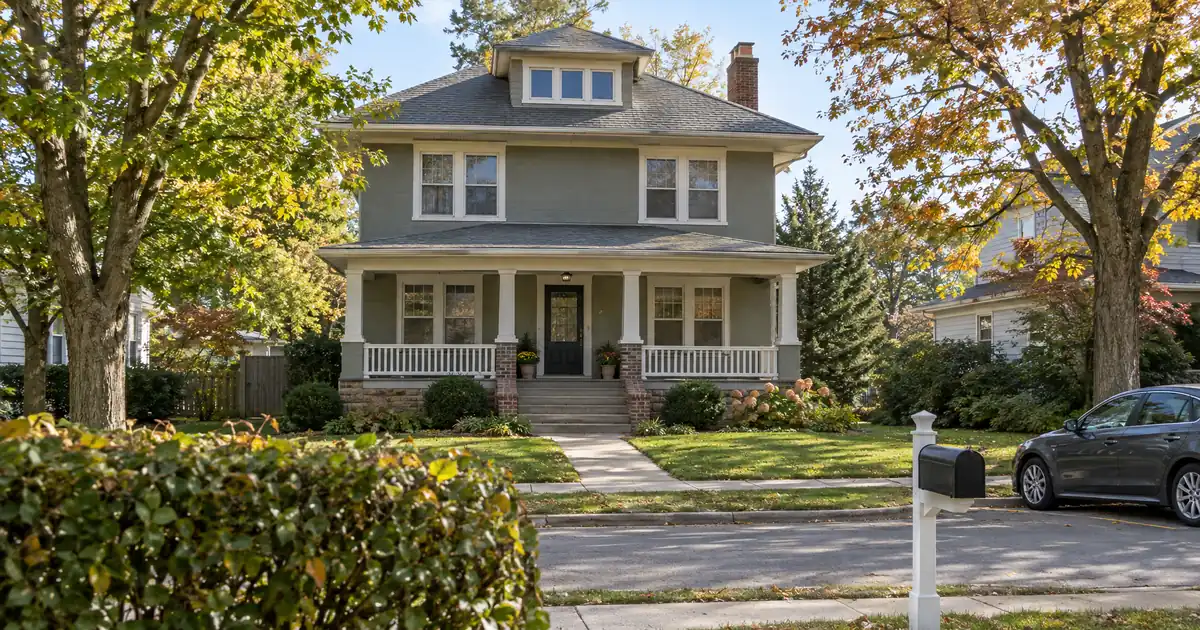
The Quick Read: Usually, yes. An LLC that already holds title can stay on title and be the borrower on a portfolio loan, provided one LLC holds every property in the pool and its paperwork is clean. The new note pays off the old mortgages, so the deeds generally do not need to move first, subject to lender guidelines and program eligibility.
- Title stays in the LLC. Deeding properties out first is a conventional-loan habit and is generally unnecessary here.
- One LLC should hold every property in the pool. Several LLCs usually mean separate loans or a restructuring.
- A person still guarantees a recourse loan. The LLC is the borrower, not a shield from the lender.
- Pooled rent is tested against pooled debt service, so strong doors can offset weak ones.
- The LLC name must match title, insurance and leases.
Key Terms Defined
Portfolio DSCR loan. One note secured by several rentals, underwritten on the rent the properties produce. “Blanket loan” and “cross-collateralized loan” name the same thing. (A bank’s own “portfolio loan,” meaning a loan it keeps on its books, is a different use of the phrase.)
DSCR. Debt service coverage ratio: monthly rent divided by the monthly payment covering principal, interest, taxes, insurance and any association dues.
Vesting. The name in which title to a property is held.
Guarantor. The person who promises to repay if the borrowing entity does not.
Release clause. The loan term that lets one property leave the pool, usually when you sell it.
Due-on-sale clause. A mortgage term that lets the lender demand payoff if title transfers.
What Actually Happens at Closing When the LLC Already Owns the Doors
The sequence is simple. The new lender pays off the existing mortgages on the pooled properties, records one new lien across all of them, and the deeds stay as they are. The LLC signs the new note and the pledge of the properties. The guarantor signs the guaranty on a recourse loan.
Nothing in that sequence needs a retitle. That is the part investors get wrong, because conventional lending trained them to clean up ownership before applying. Business-purpose investor loans work differently. They were built to lend to entities, so the LLC can already be sitting in the right seat.
Here is the order, step by step:
1. Define the pool. Which doors go under the one note?
2. Confirm the vesting chain. One LLC should hold title to every property in the pool.
3. Gather the entity documents.
4. Underwrite the pool. The lender reviews pooled coverage plus each property’s value, rent and title.
5. Close. The new note pays off the old mortgages. Cash back to you makes it a cash-out, which carries a lower leverage ceiling and seasoning rules.
6. Read the release clause before you sign. It governs every later sale.
Which Portfolio Structure Fits?
Across our wholesale network, two portfolio structures matter here. Both are program ceilings and floors, not quotes, and each file is underwritten individually.
The 30-year portfolio DSCR loan takes 2 to 20 properties under one note. Loan sizes typically run from $300,000 to $5,000,000, with larger balances reviewed case by case. Leverage goes up to 80% of value on a purchase or rate-and-term refinance. Coverage is measured on the pool at a 1.00 floor. Single-family homes, 2-4 unit buildings, condos and townhomes are eligible, and the structure offers a 30-year term with an interest-only period available.
The rental portfolio term loan is built for five or more rental properties or units. Loan sizes typically run from $500,000 to $50,000,000, with leverage up to 75% of value. Terms are fixed at 3, 5, 7 or 10 years with a balloon at maturity. It comes in recourse and non-recourse versions. A non-recourse loan looks to the real estate, with the guarantor’s exposure limited to carve-outs such as fraud and bankruptcy. Small multifamily of five or more units is eligible only on this term structure.
Credit expectations on the portfolio programs start around a 640 floor, and some structures ask for 680 or 720. A special-purpose entity, typically an LLC, is required on some structures. That is good news if you already own through one.
Owner-occupied property, co-ops, mixed-use and commercial property are ineligible in the pool. Manufactured and mobile homes are not reviewable on these programs.
What Must Be True for an Existing LLC to Work
One LLC on every property
If one LLC holds all the doors, you are in the cleanest position. If title is spread across several LLCs, or some doors sit in your personal name, the pool has to be split or restructured. Owning several properties in one LLC does not merge them into one loan on its own. A standard DSCR loan is written one property at a time. A pooled loan requires a pooled structure.
Documents that match
Name mismatches cause more delays than investors expect. Here is what lenders check and where files typically stumble:
| Document | Common failure |
|---|---|
| Operating agreement | Signer without stated authority |
| Articles of organization | Name differs from title |
| Good standing certificate and EIN | Lapsed or unavailable certificate |
| Insurance declarations | Individual named, not the LLC |
| Leases | Landlord named personally |
| Guarantor ID and disclosures | Other guaranties left out |
The leases and insurance trip people most. If you have been signing leases in your own name for years, fix that before you apply.
Existing liens come off at closing
The old mortgages get paid by the new loan. Before you pool, check each existing loan for a prepayment penalty and for its maturity date. A cheap legacy mortgage might be better left out of the pool entirely.
Seasoning if cash comes back
Seasoning is the waiting period a lender wants after you acquire a property. On a cash-out, about six months is the common expectation across our network, counted from the recorded title date on most programs. Inside the first six months, the loan is also capped at 90% of total cost (purchase price plus documented improvements). From six to twelve months the cap is 100% of total cost, and the leverage ceiling still applies, so the loan is the lower of the two. After twelve months, the appraised value alone is the basis. A rate-and-term refinance is not subject to the cost-basis cap. Cash-out on a portfolio loan never goes above 75% of the pooled value.
How Pooled Coverage Works
Pooled coverage is the whole point of the structure. The lender adds up the rent on every property, adds up the debt service on the new loan, and divides. Stronger doors can offset weaker ones.
Picture an LLC with six rentals. Five clear 1.25x on their own. One older duplex sits near 0.90x. Pooled, the file may land comfortably above 1.00x. A property below 1.00 coverage can sit in the pool, but underwriting tests the pooled coverage, the leverage and the terms. That is a pooled-coverage fact, not a separate low-coverage program.
Here is the trap. Every property still needs its own lease or an appraiser-supported market rent, its own value support and its own title work. Leaning on the pool to hide a weak door is a common mistake. A lender can still balk at a door with no rent evidence.
One more correction while we are here. Clearing 1.00x does not mean positive cash flow. DSCR compares rent to the payment only. Repairs, vacancy, management, utilities and capital expenses sit outside the calculation.
Across the files we place, the loan-size ceiling matters more than any arbitrary door count. The practical limit is how much total balance a lender will hold with one guarantor. The 10-property cap you may have heard about is an agency rule for conventional loans. It does not govern these files.
What About Moving Financed Properties Into the LLC First?
This is where investors get hurt. Do not retitle financed properties into an LLC to qualify.
A federal law, the Garn-St Germain Act, made due-on-sale provisions enforceable nationwide, as the text of 12 U.S.C. §1701j-3 shows. Wikipedia’s summary of the due-on-sale clause describes the same history. The Act protects only a list of specified transfers. An LLC transfer is not on that list, and the protections do not apply at all to buildings of five or more units. The law also dates from 1982, before LLCs were common.
Some investors point out that lenders often do not act while payments stay current. That may be true in practice, but it is a bet, not a protection. We would not build a deal on it.
If your LLC already holds title and the loan stays in place, the due-on-sale clause sits dormant. It wakes up when title moves or a door sells. The new pooled loan pays off the old lien, so the clause never gets a chance to matter.
The cleanest path for doors not yet in the LLC is to vest the LLC at the refinance closing, not beforehand. Retitling early can disturb the seasoning count. A property that looked seasoned at six months can look brand new after a transfer. So do not shift properties into a new LLC while the old loan is open.
Several LLCs, Mixed Ownership, Multiple Members
Several LLCs. Separate entities usually mean separate loans. Some structures can take properties from related entities, but each entity must authorize the pledge, and cross-default ties their fates together. That weakens the liability walls you built them for.
Some doors personal. Personally titled doors need to go in at the refinance closing, or they stay out of the pool.
Multi-member LLCs. Guarantor requirements vary by program, and the qualifying credit score can differ when an entity has multiple owners. Confirm who signs before you apply.
Mixed property types. Houses, duplexes and condos under one entity can share a loan only through a blanket structure.
The Trade-Offs: Cross-Collateralization and Liability
Every property in the pool secures the whole debt. Nav’s explainer on cross-collateralization describes the blanket lien and why the release clause matters: without one, selling a single property becomes much harder. Partial releases, substitutions and sales follow the loan documents and the lender’s release terms. The release price runs above the property’s allocated balance, and the remaining portfolio must still cover its debt service.
Liability works in layers. Separate loans per LLC give the strongest separation. A blanket loan is weaker. A single holding LLC means shared fate. The LLC protects against property-level claims, such as a tenant injury. It does not protect you from the lender. On a recourse loan, the guarantor stays personally liable. Non-recourse structures exist on the term loan, with carve-outs.
The savings from a blanket loan come from fewer per-loan fees, not cheaper money. That is the honest pitch.
Blanket, Separate Loans, or a Partial Pool?
| Your situation | Likely fit |
|---|---|
| Doors bought together or already pooled, hold for the long term | Blanket loan |
| You expect to sell or exchange individual doors | Separate loans |
| One or two doors carry strong legacy debt | Partial pool, leaving those out |
| Doors split across several LLCs | Separate loans or restructure |
A low-payment rental rarely needs the pool to qualify, and joining adds cross-collateral exposure. Leave it out unless there is a reason. For the deeper comparison, read Lendmire’s piece Whole-Portfolio DSCR Loan vs Pooling Only the Rentals That Need It. If you plan to pull cash, Lendmire’s article Term vs. 30-Year Portfolio Cash-Out Refinance for LLC-Held Rentals covers that choice.
The general framework for how these loans work lives in the complete DSCR loans guide.
Common Mistakes
- Deeding properties out of the LLC before applying.
- Assuming the LLC shields you from the lender.
- Assuming the Garn-St Germain Act lets you move any property into an LLC.
- Letting the individual, not the LLC, appear on leases and insurance.
- Treating 1.00x coverage as positive cash flow.
- Assuming “DSCR” automatically means “blanket.”
Who This Doesn’t Fit
Investors who plan to sell several doors soon, who hold through many unrelated LLCs, or who want a clean liability wall between every property will probably do better with separate loans. Manufactured homes, log homes and barndominiums are not offered on these programs.
Tax treatment varies by how the property is held and how funds are used; consult a qualified professional before relying on any deduction.
This article is general information, not legal or tax advice. Talk to a qualified attorney or CPA about your own entities and deeds before you change anything.
Frequently Asked Questions
Do I need to form a new LLC?
No, not if your existing LLC holds title and has clean formation documents. Some portfolio structures require a special-purpose entity, usually an LLC, and one you already own typically fits. Subject to program terms, a lender will want good standing and matching names.
Do I need to deed anything out first?
Generally no. The new loan pays off the old mortgages and the deeds stay where they are. Retitling can reset seasoning and, on financed properties, can put a due-on-sale clause in play.
Can several LLCs share one note?
Sometimes, but expect extra requirements: common ownership, each entity authorizing the pledge, and cross-default. Many investors end up with separate loans instead.
Can I add a door later?
That depends on the loan documents and the lender’s terms. Plan the pool up front, because adding or swapping a property later follows the release and substitution provisions of the note.
Does the LLC remove my personal liability?
No, not on a recourse loan. The LLC is the borrower, and the principal signs a personal guarantee. Non-recourse structures exist on the rental portfolio term loan, with carve-outs for fraud and bankruptcy.
If you are buying or refinancing a rental property and want to see how the numbers work, Lendmire, a mortgage broker arranging DSCR loans through select lenders across 41 markets including Washington, D.C., can help you compare options based on the property income, credit profile, leverage, and investor goals. Programs change and every file is underwritten individually; this is not a commitment to lend.
About Lendmire
Lendmire (NMLS# 2371349), a non-QM mortgage broker serving investors in 41 markets including Washington, D.C., helps structure DSCR scenarios commonly evaluated around a property’s rental income rather than personal income paperwork, subject to lender guidelines. A Scotsman Guide Top Mortgage Workplace in 2025 and 2026, Lendmire places loans through wholesale investor lenders and is not a direct lender.
Get Started
Ready to find the right loan for you?
In about 30 seconds you can review financing options available for your investment property. No commitment required.
Informational only. Not a Loan Estimate, approval, or commitment to lend. Program availability and eligibility are subject to lender guidelines, credit approval, property review, and underwriting.
References
1. Cornell LII, 12 U.S.C. §1701j-3
2. Wikipedia, Due-on-sale clause
3. Nav, Cross collateralization
This article is part of Lendmire’s DSCR loan program — full qualification details, guidelines, and scenarios live on the program page.
Related reading: Can an Out-of-State Buyer Close a DSCR Loan If Projections Fall? · Can a Portfolio DSCR Loan Close While One Tenant Is Being Evicted? · Can You Use One Super Jumbo DSCR Loan for 20 or More Rentals?
Brandon Miller
Founder & CEO, Mortgage Loan Originator, Lendmire LLC
- Mortgage Loan Originator · NMLS# 1129696 · Verify on NMLS Consumer Access
- North Carolina Real Estate Broker · License# 343312 · Verify on NCREC
- North Carolina Insurance Producer · License# 19053198 · Property, Casualty, Life, Health · Verify on NAIC SBS
- Lendmire LLC · Firm NMLS# 2371349 · Verify firm licensure
Required disclosures. Lendmire (NMLS# 2371349) operates as a licensed mortgage broker, not a direct lender or depository. The discussion in this article is general in nature and should not be relied upon as financial, legal, or tax advice — every investment scenario is unique and should be reviewed by a qualified professional. Any loan inquiry is subject to lender underwriting, and this article is not a commitment to lend or a guarantee of approval. Mortgage rates, loan terms, and program guidelines vary by borrower, property, and state, and may change without notice. Equal Housing Opportunity. Verify licensure at NMLS Consumer Access.