
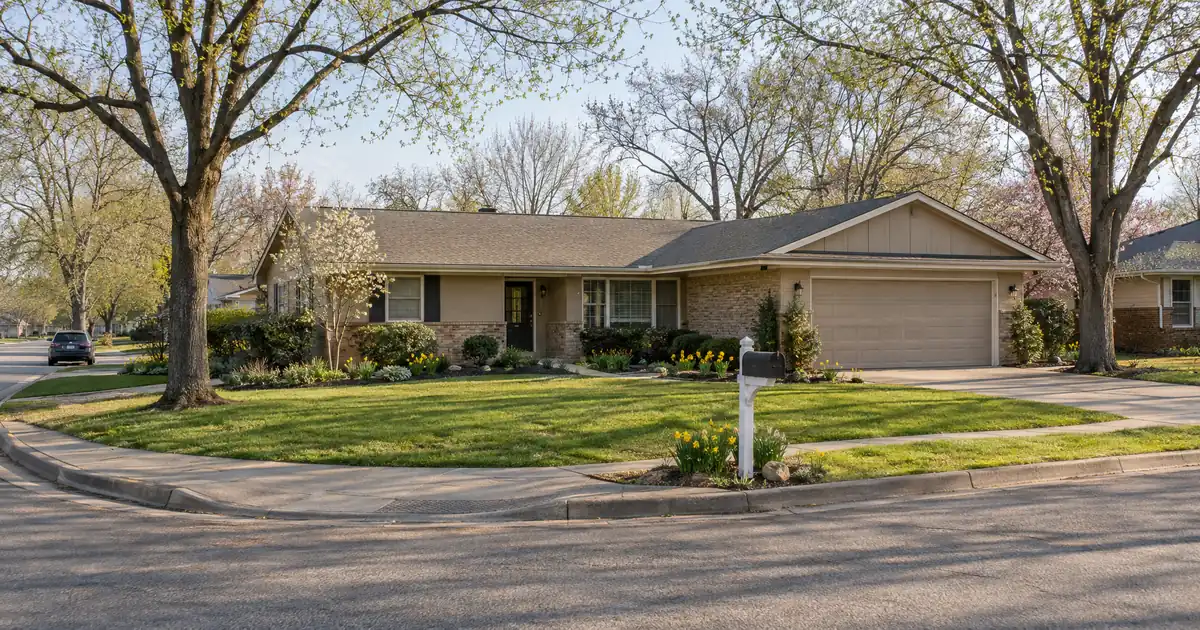
The Quick Read: Selling each flip returns your cash and keeps your capital turning. A portfolio DSCR loan keeps the finished flips as rentals under one note, and it qualifies primarily on property-level rental income covering the payment, subject to lender guidelines. The right choice usually depends on the deal, not the investor, and many high-volume flippers sell some properties and hold others.
- Selling suits thin-margin deals, unrentable inventory, and investors who need every dollar back for the next project.
- Holding suits finished properties that rent well and a flipper who wants long-term income instead of another sale.
- A portfolio DSCR loan needs rent-ready, leased properties. It does not fund rehab.
- Coverage is measured on the pool, so strong properties can offset weaker ones.
- Selling out of a pool later follows the lender’s release terms.
A flipper who closes many deals a year hits one bottleneck over and over: capital. Every property you keep is cash that stays locked up. Every property you sell frees the cash but ends the income stream. Neither answer is wrong. The honest question is which one fits each property, and what each costs you in flexibility.
Here is the short version. Selling is for the investor whose profit lives in the purchase discount and who needs capital back. A portfolio DSCR loan is for the investor whose finished properties rent well enough to carry their own debt and who is willing to leave some capital in the deals. Plenty of high-volume flippers run both.
This page compares the two paths as a referee would. For the full background on how these loans work, see the complete DSCR loans guide.
Side-by-Side
The table shows published industry norms for the sale path and the network’s portfolio parameters for the hold path. Pricing is left out on purpose. Every file is underwritten individually.
| Factor | Selling the Flip | Portfolio DSCR Loan |
|---|---|---|
| What happens | Sale repays the short-term loan | One note replaces the short-term loans |
| Review basis | Buyer’s financing, not yours | Pooled rent against pooled debt service |
| Your documentation | Sale contract, payoff, closing file | Leases or market rents, appraisals, entity papers |
| Property types | Any you can sell | SFR, 2-4 unit, condo, townhome |
| Entity vesting | Usually your LLC | Typically an LLC, depending on the structure |
| Capital returned | Sale proceeds, in full | Partial, through cash-out up to 75% of pooled value |
| Reserves | Mostly your own working cash | Commonly about 6 months PITIA, varying by file |
| Flexibility on one asset | Complete | Follows the lender’s release terms |
| Cross-collateral exposure | None after sale | One problem asset can touch the pool |
PITIA means principal, interest, taxes, insurance, and any association dues. It is the full monthly obligation that DSCR tests rent against.
What a Portfolio DSCR Loan Actually Is
A portfolio DSCR loan, also called a blanket loan or cross-collateralized loan, is one note secured by several rentals. DSCR stands for debt service coverage ratio, which compares rent to the full monthly obligation. Across the wholesale network, two structures cover this need.
The 30-year portfolio DSCR loan covers 2 to 20 properties under one note. Loan sizes run from $300,000 to $5,000,000, with larger balances reviewed case by case. Leverage reaches up to 80% of value on a purchase or rate-and-term refinance. The coverage floor of 1.00 is measured on the pool, so stronger rentals can offset weaker ones. It offers fixed or adjustable rates and an interest-only period. Eligible property types are single-family, 2-4 unit, condo, and townhome.
The rental portfolio term loan fits five or more rental properties or units. Loan sizes run from $500,000 to $50,000,000, and leverage goes up to 75% of value. Terms are fixed at 3, 5, 7, or 10 years with a balloon at maturity. Both recourse and non-recourse versions exist. A non-recourse loan looks to the real estate, with recourse limited to carve-outs such as fraud and bankruptcy. Small multifamily of five or more units is eligible only inside this term loan.
Credit on the portfolio programs starts at a 640 floor, with some structures asking for 680 or 720. These are program guidelines, not promises, and they are subject to lender review.
A bank’s own “portfolio loan” is a different thing: a loan the bank keeps on its books. That is not what this page covers.
When Selling the Flip Is the Better Fit
Selling wins when the money is made at the purchase and the property is not a strong rental. It also wins when your next deal depends on getting your cash back.
The profit lives in the discount. Some flips make their margin from buying below value. Once the rehab is done, the rent may not cover the monthly obligation at a refinance value. A pool with weak coverage is a poor place for that property.
The property is not rent-ready. DSCR loans want a habitable, leased property, or at least an appraiser-supported market rent. They do not fund rehab. Unfinished inventory cannot slide into a portfolio loan.
You need full capital back. A cash-out refinance tops out around 75% of value. A sale returns everything the market will pay. For a flipper running several projects at once, that difference can decide how many deals fit in a year.
You want no tangled collateral. A sale ends the exposure completely. A pool ties properties together, and a lien defect, ownership mismatch, or insurance gap on one asset can hold up the others.
The tax picture matters, but it is a CPA question. Selling is where dealer treatment applies. IRS Publication 544 says property held mainly for sale to customers is not a capital asset, and a dealer’s sale proceeds are ordinary business income. It also excludes real property held primarily for sale from like-kind exchange treatment. SmartAsset adds that the test depends on facts and circumstances and that self-employment tax may apply. Tax treatment varies; consult a qualified professional.
Short version: sell the thin-margin deal, the unfinished deal, and any deal whose capital is needed elsewhere.
When a Portfolio DSCR Loan Is the Better Fit
A portfolio loan wins when you have several finished, leased rentals and you want long-term debt instead of another sale. It also wins when the combined rent comfortably covers the combined payment.
The properties rent well. Pooled coverage must clear the program floor, which is 1.00 on the 30-year portfolio structure. Stronger properties can offset weaker ones. A rental below 1.00 can sit in the pool, but underwriting tests the pooled coverage, the leverage, and the terms. Clearing 1.00 is not the same as positive cash flow, because repairs, vacancy, management, utilities, and capex sit outside the calculation.
You want one note instead of many. One loan replaces several short-term loans. That means one servicer, one payment date, and one set of loan documents. The trade is cross-collateral risk.
You want to recycle equity without selling. A cash-out refinance on a portfolio loan never exceeds 75% of the pooled value. After twelve months, the appraised value alone is the basis. Inside the first six months, the loan is also capped at 90% of total cost (purchase price plus documented improvements), and at 100% of total cost from six to twelve months. The leverage ceiling still applies, so the loan is the lower of the two. A rate-and-term refinance is not subject to the cost-basis cap.
Your documentation story favors it. A DSCR file qualifies primarily on property-level rental income covering the payment, subject to lender guidelines. For a flipper whose traditional personal-income documentation shows heavy deductions, that can matter. Every property still needs a lease or an appraiser-supported market rent, plus appraisal, title, and insurance.
You can accept partial capital recovery. Holding means some equity stays in the properties. You are choosing income and amortization over a lump of cash.
How Pooled Coverage Works (and Where It Bites)
Pooled coverage adds up all the rent and divides it by all the monthly obligations. Picture three finished rentals. Two clear the floor with room to spare, and one barely covers its own payment. The pool can still clear 1.00, because the stronger two carry the weaker one.
That is the benefit. The risk is the mirror image. A property that drops out, goes vacant, or gets released can pull the pool’s coverage down. The remaining portfolio must still cover its debt service after any release.
Releases are the mechanic most flippers overlook. Partial releases, substitutions, and the sale of one property out of the pool follow the loan documents and the lender’s release terms. The release price runs above the property’s allocated balance. Read those terms before you sign, not after you want to sell.
One practitioner pattern shows up often. Files that combine freshly rehabbed, unseasoned properties with older seasoned rentals tend to work best when each property is leased and appraised before the pool is assembled. Files that bundle vacant inventory tend to stall on coverage or documentation. Underwriting the hold before the rehab begins prevents most of that.
Which Properties Are Eligible
The network’s portfolio programs cover single-family homes, 2-4 unit properties, condos, and townhomes. Owner-occupied property, co-ops, mixed-use property, and commercial property are ineligible in the pool.
Manufactured and mobile homes are not reviewable on these programs.
A few states sit outside the portfolio programs’ footprint, so confirm availability before building a pool around a specific market.
The Hybrid Most Flippers Actually Use
The cleanest answer for many high-volume flippers is neither extreme. Screen each finished flip with a few questions:
1. Is it rent-ready and leased, or can it be?
2. Does the rent comfortably cover the full monthly obligation?
3. Does the sale margin beat what holding would produce?
4. Do you need the capital for the next deal?
5. Would a weak asset drag the pool’s coverage?
If the answers favor income, the property goes into the pool. If they favor liquidity, it gets sold. For the equity-recycling angle, see its article DSCR Cash-Out vs Selling and Rolling Proceeds for a Scaling Flipper.
Key Terms Defined
Seasoning: the waiting period a lender wants after you buy a property before certain refinance options open.
Cross-collateralization: several properties securing one loan, so a problem with one can touch the others.
Dealer status: a tax classification for people who hold property mainly for sale, which a CPA can explain.
Release terms: the loan-document rules for removing one property from a pool.
Recourse: a personal guarantee on the loan. Non-recourse loans look to the real estate, with carve-outs.
Where the Portfolio Route Is the Wrong Tool
Skip a portfolio DSCR loan if your inventory is mid-rehab, if rents do not cover the monthly obligation at the new value, or if you need quick turnover to fund the next deal. Also skip it if you cannot live with one note touching several properties.
A larger down payment lowers the monthly payment and can lift coverage. It never erases leverage caps, credit floors, reserve rules, or property eligibility. The strongest files clear both tests: enough equity and enough rental coverage.
Balanced Verdict
Sell when the profit is in the purchase, the property is not a good rental, or your next deal needs the cash. Hold when the rents cover the debt and you want long-term income more than a lump sum. For most high-volume flippers, the real answer is a per-deal screen. Pool the keepers and sell the rest.
If you are buying or refinancing a rental property and want to see how the numbers work, Lendmire can help you compare DSCR loan options based on the property income, credit profile, leverage, and investor goals. As a mortgage broker, Lendmire arranges these loans through its wholesale network across 41 markets, including Washington, D.C.
Frequently Asked Questions
Can I sell some flips and hold others in the same year?
Yes. Many flippers screen each property and sell or hold based on margin, rentability, and capital needs. The sold properties return cash, and the held ones can go into a pool once they are leased.
Can a portfolio DSCR loan fund a flip that still needs work?
No. These programs want a habitable, lease-ready property. They refinance stabilized rentals and do not fund rehab.
Does clearing 1.00 on the pool mean the properties make money?
Not necessarily. DSCR compares rent to PITIA only. Repairs, vacancy, management, utilities, and capex sit outside it.
Can I sell one property out of a blanket loan later?
It depends on the loan documents and the lender’s release terms. The release price runs above the property’s allocated balance, and the remaining portfolio must still cover its debt service.
Does holding a flip for a year turn the profit into capital gain?
Not automatically. Taxstra notes that dealers are excluded from 1031 exchange and installment treatment, and intent and facts matter more than holding period alone. A CPA should confirm your situation.
About Lendmire
Lendmire (NMLS# 2371349) is a mortgage brokerage built around DSCR investor lending, with programs available in 41 markets, including Washington, D.C. DSCR lenders commonly evaluate rental-income coverage instead of personal income paperwork — a practical fit for LLC-owned and multi-property investors. Terms vary by lender, property, leverage, and program. Scotsman Guide named Lendmire a Top Mortgage Workplace in both 2025 and 2026.
Get Started
Ready to find the right loan for you?
In about 30 seconds you can review financing options available for your investment property. No commitment required.
Informational only. Not a Loan Estimate, approval, or commitment to lend. Program availability and eligibility are subject to lender guidelines, credit approval, property review, and underwriting.
References
2. SmartAsset: Flipping Houses Tax
This article is part of Lendmire’s DSCR loan program — full qualification details, guidelines, and scenarios live on the program page.
Related reading: Portfolio Loan vs DSCR Loan Terms for a BRRRR Batch · Can BRRRR Rehabs Go in a DSCR Portfolio Loan Before Leasing? · Can a Six-Unit Building and Two Houses Get a Portfolio DSCR Loan?
Brandon Miller
Founder & CEO, Mortgage Loan Originator, Lendmire LLC
- Mortgage Loan Originator · NMLS# 1129696 · Verify on NMLS Consumer Access
- North Carolina Real Estate Broker · License# 343312 · Verify on NCREC
- North Carolina Insurance Producer · License# 19053198 · Property, Casualty, Life, Health · Verify on NAIC SBS
- Lendmire LLC · Firm NMLS# 2371349 · Verify firm licensure
Important disclosures. Lendmire (NMLS# 2371349) is a licensed mortgage brokerage. Lendmire is not a direct lender, depository institution, or financial advisor. All loan inquiries are subject to lender underwriting; this article does not constitute a commitment to lend. Rates, terms, and program guidelines are subject to change without notice and vary by borrower profile, property type, and state. Information in this article is general in nature and is not financial, legal, or tax advice. Equal Housing Opportunity. NMLS Consumer Access: nmlsconsumeraccess.org.