
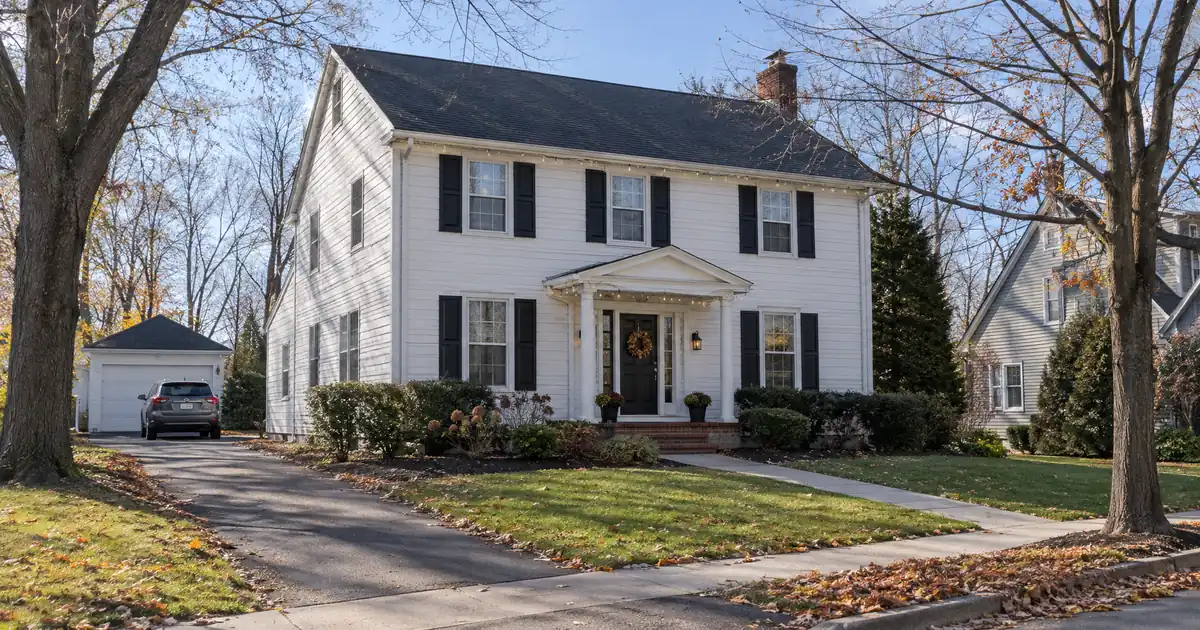
The Quick Read: Two vacant rentals can sit in a portfolio DSCR loan because the appraiser’s market-rent opinion stands in for a lease on each property. Your job is to build a file that supports that rent opinion and proves each house is ready to rent.
- Each property needs its own appraisal and rent opinion, since no lease exists to lean on.
- The pooled coverage ratio is total rent across both houses divided by total PITIA across both houses.
- Rent-ready condition decides whether a vacant house stays in the pool.
- A pooled note ties both houses together, so read the release terms before signing.
- Two properties often fit better as two separate loans, depending on program minimums.
Most investors with two empty houses assume they need tenants first. They don’t. They need paper that proves what a tenant would pay.
What does a portfolio DSCR loan mean for two properties?
A portfolio DSCR loan puts two or more rentals under one note, and the pool’s combined rent is tested against its combined debt service. Across the wholesale network, the 30-year portfolio structure covers 2 to 20 properties, with loan sizes typically running from $300,000 up to $5,000,000, subject to lender guidelines.
Marketing uses “portfolio” loosely, so settle which structure you are actually getting:
- One blanket note. One note and one lien cover both houses. Each house secures the whole loan.
- Two loans closed together. Each house has its own note and lien, and each must qualify alone.
- A portfolio lender. This describes who holds the loan, not how it is structured.
Two properties is the smallest possible pool. Some programs set property-count or loan-size minimums that a two-house pool may not meet. When that happens, two separate DSCR loans are the practical route. Lendmire’s complete DSCR loans guide covers the single-property basics.
How does a lender count rent on a vacant rental?
The lender counts the appraiser’s reconciled market rent. No lease exists, so third-party rent evidence becomes the income figure for each house.
The standard tool is the single-family comparable rent schedule. The appraiser comments on the rent range, vacancy and rent trend. The report then ends with a final reconciliation of monthly market rent, as shown on Fannie Mae’s Form 1007. A 2-4 unit building uses the small income property report, which shows rent unit by unit.
DSCR programs borrow these forms by choice. They don’t govern the loan. Each program sets its own rules. Even a federal program such as HUD Mortgagee Letter 2023-17 treats appraisal-based market rent as an accepted stand-in on proposed rental income for a one-unit property. That shows how ordinary the idea is, not how DSCR works.
Here is the step sequence for each house:
1. Order an appraisal that includes a rent opinion.
2. Let the appraiser reconcile market rent from nearby comps.
3. Use that reconciled figure as the property’s income in the ratio.
4. Add the property’s taxes, insurance and any association dues to the debt side.
One caution. A rent comp is an observed rent from a signed lease, not an asking price. Supply those comps and the appraiser has better material to work with.
How does the pooled ratio behave with two vacant units?
The pooled ratio adds both houses’ appraised rents, then divides by both houses’ combined PITIA. A stronger house can offset a weaker one. The reverse is also true.
The 30-year portfolio structure measures coverage on the pool, with 1.00 as the typical floor. Here is how three pool shapes read, using ratios only:
| Pool shape | Income basis | How the ratio reads |
|---|---|---|
| Both vacant | Two appraiser rent opinions | Depends entirely on appraisal quality |
| One vacant, one leased | Lease plus appraisal | Lease anchors half the income |
| Both leased | Two leases | Strongest paper trail |
Run a simple stress test before applying. Say one house reconciles to a coverage of roughly 1.3x on its own and the other to roughly 0.9x. The pool lands near 1.1x, so the strong house carries the weak one. Now say the stronger house’s appraisal comes in lower. The pool slips toward 1.0x and the cushion disappears. Always test your own numbers against a lower rent opinion.
A rental below 1.00 coverage can still sit inside the pool, but pooled coverage, leverage and terms are what underwriting tests, subject to underwriting.
Clearing 1.00 does not mean the deal cash flows. The ratio compares rent to PITIA only. Repairs, vacancy, management, utilities and capital costs sit outside it. Two empty houses carry real holding costs until tenants arrive, so keep reserves in mind.
What documents does each vacant property need?
Each property needs rent evidence, proof of condition and carrying-cost paperwork. The borrower needs entity papers and reserve proof. Here is the checklist:
| Document | Why it is asked for | Vacant-unit substitute for a lease |
|---|---|---|
| Appraisal with rent opinion | Sets value and income | Appraiser’s market rent |
| Rent comps from signed leases | Supports the rent figure | Observed nearby rents |
| Listing history and photos | Shows rent-ready condition | Evidence the unit can lease |
| Insurance quote | Payment side of the ratio | Same as leased |
| Tax bill and any HOA statement | Payment side of the ratio | Same as leased |
| Entity documents, if an LLC holds title | Confirms the borrower | Same as leased |
| ID and reserve statements | Credit and cash review | Same as leased |
| Business-purpose declaration | Confirms investor use | Same as leased |
An LLC can hold title, subject to lender program eligibility, and some structures require a special-purpose entity. A good extra is a short list of upgrades with dates, plus proof that utilities are in place. Both show a house is ready for a tenant.
How do you prepare for the rent appraisal?
Prepare by handing the appraiser your best evidence and checking your rent number against it before you make an offer. Lenders review value and rent through the appraisal, so the opinion can move leverage and pricing tier.
Practical steps:
- Pull recent signed-lease comps within the same neighborhood and property type.
- Make sure each house is clean, accessible and visibly rent-ready on the day of inspection.
- Keep utilities on so the appraiser can see systems working.
- Run your ratio at a lower rent first. If the file still clears, you have margin.
Two houses can get different rent conclusions even in the same neighborhood. That is normal. Plan for the weaker opinion, not the stronger one.
Rent-ready or not: what stays in the pool?
A turnkey vacant house generally stays in. A house under renovation is often left out or cured first. The line between them is whether a tenant could move in.
| Condition | Typical treatment |
|---|---|
| Turnkey, rent-ready | Usually works with market-rent support |
| Light rehab, nearly ready | May work, depending on lender review |
| Under active renovation | Often cured first or carved out |
| Just leased | Lease adds support for the file |
Short-term rental plans are a different path. The rent schedule captures monthly rent, not nightly income. If a vacant house is planned as an Airbnb, the program sets a separate income route. Across the network, short-term rental files typically want a 640+ score and about 12 months of hosting history. Short-term rental rules can vary by city, county, HOA, and property type, so investors should confirm local rules before relying on projected rental income.
Keep it, cure it, carve it out, or split?
Choose by asking what each house does to the pool. Here is a decision table:
| Situation | Likely move |
|---|---|
| Both houses clear on their own | Keep both; consider two loans |
| One house drags pooled coverage down | Cure the weak house or carve it out |
| One house needs repairs before renting | Finish the work, then add it |
| Program minimums exclude a two-house pool | Split into two separate loans |
The flip point: a pool helps when one house is strong and one is thin. It hurts when you may want to sell one house soon. If a clean exit matters more than blended qualification, separate loans keep each lien alone. Each house then has to qualify on its own, though.
What are the risks of cross-collateralization?
On a blanket note, both houses secure the entire loan. A default tied to one house can reach the other. Selling one house depends on the release terms.
Partial releases, substitutions and single-property sales follow the loan documents and the lender’s release terms. The release price runs above the property’s allocated balance, and the remaining property usually has to keep covering its own debt service. Read these terms before you sign. Lendmire’s piece HELOC vs DSCR Cash-Out vs Portfolio Loan for Rentals in Two States shows how structure choice affects flexibility.
Across the wholesale network, ineligible property types in a pool include owner-occupied homes, mobile homes, co-ops, mixed-use and commercial property. Manufactured homes, log homes and barndominiums are not offered in these programs.
How do purchase and refinance differ for a vacant pool?
Purchase and refinance files read differently, so confirm which one you have. On a purchase, the 30-year portfolio structure typically reaches up to 80% LTV. On a rate-and-term refinance it also reaches up to 80%. A cash-out on a portfolio loan never exceeds 75% of the pooled value, and it is capped by the seasoning rule in the first six months of ownership.
Reserves vary by lender, leverage and transaction. About 6 months of PITIA is common. Credit floors on the pool start at 640, with 680 or 720 on some structures. Review details are subject to lender guidelines. This is not a commitment to lend.
What stalls a vacant pool file?
Most delays come from thin rent evidence, not from the vacancy itself. Watch for these:
- Asking-rent comps instead of signed-lease comps.
- A house that isn’t visibly rent-ready on inspection day.
- Missing insurance or tax paperwork for one property.
- Assuming a pool beats two loans without checking program minimums.
- Treating a passing coverage ratio as proof of positive cash flow.
- Skipping the release terms until after the contract is signed.
Key Terms Defined
DSCR: The debt service coverage ratio compares a property’s rent to its monthly debt payment.
PITIA: Principal, interest, taxes, insurance and association dues make up the full monthly obligation.
Market rent: The appraiser’s reconciled opinion of what a property would lease for.
Pooled ratio: Total rent across the pool divided by total PITIA across the pool.
Cross-collateralization: Every property in the pool secures the whole loan.
Release clause: The loan term that lets one property leave the pool under set conditions.
Seasoning: The length of time you have owned a property before certain refinance options apply.
Frequently Asked Questions
Can a DSCR loan close on a house with no tenant?
Yes, on most files that are rent-ready. Qualification runs primarily on property-level rental income covering the payment, subject to lender guidelines. For a vacant house, the appraiser’s market-rent opinion supplies that income figure.
Do I need a blanket loan for two rentals?
No. Two separate DSCR loans often work better because program minimums for property count and loan size can exclude a two-house pool. A pooled note makes sense when one house is strong, one is thin, and you don’t plan to sell soon.
What if one appraisal comes in lower than I expected?
The pooled ratio drops, and leverage or pricing tier can shift with it. Run your numbers at a lower rent before applying. If the pool still clears at that level, a surprise is less likely to derail the file.
Does clearing 1.00 mean my two houses will cash flow?
No. The ratio measures rent against PITIA only. Repairs, vacancy, management, utilities and capital costs sit outside it, and two empty houses carry those costs until they lease.
Can I mix a vacant house with a leased one?
Yes. The lease anchors part of the income and the appraiser’s rent covers the rest. Pooled coverage, leverage and terms are what underwriting tests, subject to underwriting.
If you are buying or refinancing a rental property and want to see how the numbers work, Lendmire can help you compare DSCR loan options based on the property income, credit profile, leverage, and investor goals. Tax treatment varies; consult a qualified professional.
Two empty houses don’t make a weak file. A well-documented rent opinion on each one does the work a tenant would.
About Lendmire
Lendmire, NMLS# 2371349, is a non-QM mortgage broker serving real estate investors in 41 markets, including Washington, D.C., through DSCR investor loan programs. Qualification is generally reviewed around the subject property’s rental income, not the borrower’s W-2 history — a practical fit for LLC-titled portfolios and self-employed investors. All scenarios remain subject to lender review and program guidelines. Two consecutive Scotsman Guide Top Mortgage Workplace recognitions (2025, 2026).
Get Started
Ready to find the right loan for you?
In about 30 seconds you can review financing options available for your investment property. No commitment required.
Informational only. Not a Loan Estimate, approval, or commitment to lend. Program availability and eligibility are subject to lender guidelines, credit approval, property review, and underwriting.
References
2. HUD
This article is part of Lendmire’s DSCR loan program — full qualification details, guidelines, and scenarios live on the program page.
Related reading: How to Handle Vacancies Before a DSCR Portfolio Loan · Can You Swap One Rental for Another in a Portfolio DSCR Loan? · How to Document a Portfolio DSCR Loan Without Personal Income
Brandon Miller
Founder & CEO, Mortgage Loan Originator, Lendmire LLC
- Mortgage Loan Originator · NMLS# 1129696 · Verify on NMLS Consumer Access
- North Carolina Real Estate Broker · License# 343312 · Verify on NCREC
- North Carolina Insurance Producer · License# 19053198 · Property, Casualty, Life, Health · Verify on NAIC SBS
- Lendmire LLC · Firm NMLS# 2371349 · Verify firm licensure
Legal disclosures. Lendmire (NMLS# 2371349) is a state-licensed mortgage brokerage that arranges financing through wholesale lender relationships. Lendmire is not a direct lender, depository institution, or registered financial advisor. The discussion above is general informational content about real estate financing — it is not financial, legal, or tax advice, and readers should consult licensed professionals for guidance on their individual circumstances. Loan inquiries are subject to lender underwriting; this article does not represent a commitment to lend. Loan terms, rates, and qualification standards vary by borrower, property, and state, and are subject to change at any time. Equal Housing Opportunity. NMLS Consumer Access: nmlsconsumeraccess.org.