
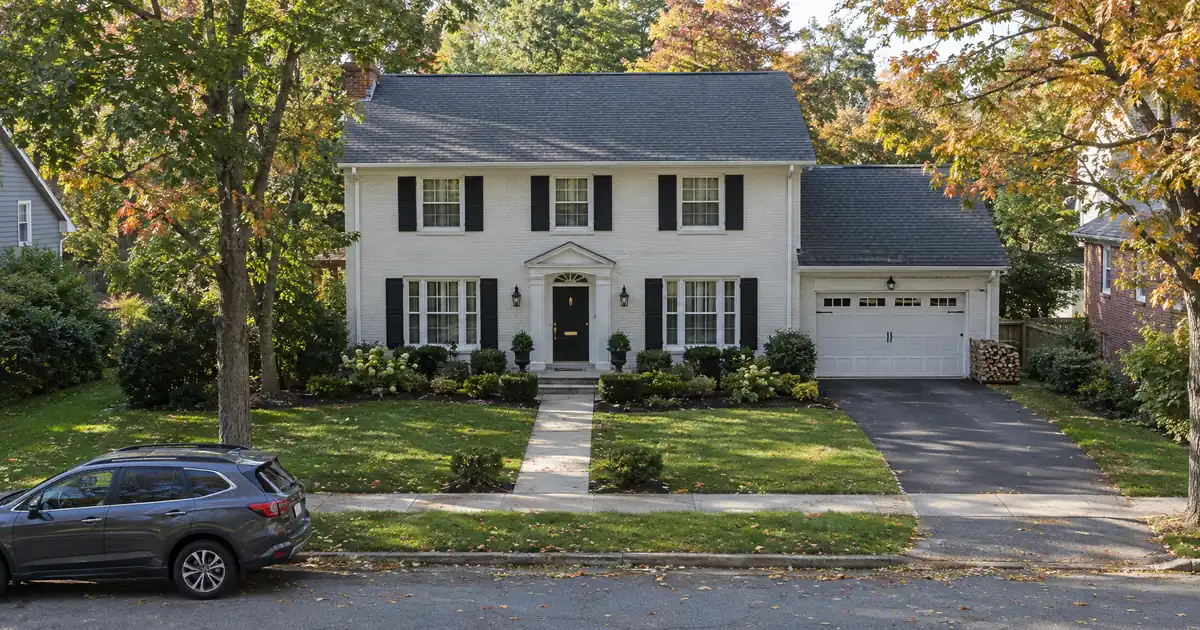
The Quick Read: It depends on how severe the repairs are: minor wear that leaves the home rent-ready generally qualifies, while significant or structural problems generally do not until the work is finished, because a DSCR loan is sized on the rent a property can earn today and the appraiser has to find it livable and safe. Lenders in the wholesale network Lendmire works with draw the line by condition rating, not by whether a to-do list exists.
- Light cosmetic wear and normal aging are usually fine as-is.
- Tired but working items, like dated systems, are reviewed case by case.
- Roof, structural, safety, or habitability problems generally must be fixed first.
- Most programs do not offer a repair holdback, and a DSCR loan does not fund your rehab.
- The usual fixer path is short-term financing first, then a DSCR refinance once the home is repaired and rentable.
Why DSCR Lenders Care About Condition
DSCR stands for debt service coverage ratio. It compares a property’s rent to its monthly payment of principal, interest, taxes, insurance, and any association dues (together called PITIA). The property is the collateral and the income source, so it has to be able to earn that rent.
DSCR Calculator
Run the numbers in your market
Rate source: Freddie Mac 30-yr average via FRED® — Federal Reserve Bank of St. Louis · effective Oct 29, 2026
Prefilled with starting assumptions — enter your own rent or nightly figures, taxes, insurance, and HOA for a more accurate picture.
Program parameters update from Lendmire’s centralized guideline source. Taxes and insurance are editable estimates.
As of Oct 29, 2026 · General Freddie Mac market benchmark, not a Lendmire loan offer. Rent, nightly rate, occupancy, taxes, and insurance are editable estimates. Short-term rental figures are estimates only and vary significantly by season, property type, management approach, and local short-term-rental rules — confirm local regulations before relying on them. Qualifying income for short-term rentals varies by program — some use appraisal market rent, others use documented STR history or projections — and is confirmed in underwriting. Not a Loan Estimate, approval, or commitment to lend. Program availability and eligibility are subject to lender guidelines, credit approval, property review, and underwriting.
A house with an open roof or no working kitchen cannot be leased. The rent on paper means little. So the loan is built for properties that are rent-ready on the day of the appraisal.
This is also why a big rehab does not fit. Major renovation belongs in a short-term bridge or rehab loan, with the DSCR loan as the exit. The complete DSCR loans guide covers the full mechanics if you are new to the product.
Where Your Property’s Condition Lands
Appraisers rate condition on a six-step scale, C1 (like new) through C6 (severe problems). The ClickFORMS UAD Glossary describes C4 as some minor deferred maintenance from normal wear, with only minimal repairs needed. It describes C5 as obvious deferred maintenance and some significant repairs, with livability somewhat diminished.
Across the wholesale network, here is how that usually plays out. Each lender sets its own cutoff, and the cutoff typically sits near C4.
| Rating | Typical look | How it is usually treated |
|---|---|---|
| C1–C4 | Paint, worn flooring, normal aging | Usually fundable as-is |
| Upper C4 to C5 | Old systems that still work | Case by case |
| C5 | Obvious repairs, reduced livability | Generally repaired first |
| C6 | Safety or structural problems | Generally not eligible until fixed |
Treat the table as a map, not a promise. Every file is underwritten individually, and qualification is subject to lender guidelines, credit approval, and property review.
Which Repairs Are Minor and Which Block the Loan
The question is rarely how much the work costs. It is whether the item affects safety, habitability, or a working system. Here is how that sorting usually goes.
| Area | Usually fine | Usually a problem |
|---|---|---|
| Interior | Paint, carpet, dated fixtures | Missing kitchen or fixtures, broken windows |
| Roof and exterior | Aging but sound | Damaged roof, active leaks |
| Structure | Cosmetic cracks | Structural movement |
| Mechanicals | Older but working | Exposed wiring, failed systems |
| Safety | None | Hazards of any kind |
Notice what is not on the list: a dollar threshold. No reliable rule says a lender tolerates a set amount of deferred maintenance. A small, cheap fix done before the appraisal is a different file from a long punch list.
Appraisers also flag unfinished work. A half-built kitchen or a gutted bathroom is not deferred maintenance, it is incomplete construction. Lenders treat it as a bigger problem.
What the Appraiser Does With It
The appraisal is the gate. It supplies the as-is value, the market rent opinion, and the condition rating. Those feed your leverage, your eligible rent, and your coverage ratio. For a 2–4 unit property, the income-property appraisal form also gathers operating details like rent control.
The appraiser documents what is observable. Common flags include active leaks, a damaged roof, exposed wiring, missing fixtures, and structural movement. Then one of three things happens:
- As-is: the deal works forward.
- Subject-to: the value depends on named repairs being finished first.
- Value reduced: condition lowers the value conclusion or changes which comps the appraiser uses.
Condition also touches rent. Market rent should reflect similar homes in similar shape, so a tired property can come back with a lower rent opinion. That lowers coverage even if nothing is disqualifying.
When a file is subject-to, completion is commonly confirmed with a completion report on Form 1004D. The re-inspection adds cost and time, so plan for it. Small safety items are often worth fixing before the appraisal so you avoid the re-inspection altogether.
For contrast, the agency world draws a hard line. The Fannie Mae Selling Guide says a C6 property is not eligible for sale to Fannie Mae, and if any part of the dwelling is C6, the whole dwelling is rated C6. DSCR loans are not agency products. That rule does not govern them. Each non-QM program sets its own cutoff. Still, the whole-dwelling logic is a useful reminder: one serious problem can drag down the entire rating.
Can You Get a Repair Holdback?
Usually no. Most programs in the network have no standard repair holdback or escrow. You close on the property in the condition the appraiser found.
A few select lenders will allow one case by case, as an exception approved file by file. Do not plan on it. Plan as if it does not exist, and treat any approval as a bonus.
The related myth is that a DSCR loan can fund the rehab. It does not. It lends against appraised value and rent, not against your renovation budget.
Another myth: strong reserves override condition. They do not. Reserves, commonly around six months of PITIA and about nine months on loans above $1,500,000, are a separate gate from condition. A C5 or C6 property generally needs repairs and a re-inspection before closing, no matter how much cash you hold.
The Bridge-Then-Refinance Route
For a true fixer, investors usually sequence two loans. Here are the paths side by side.
| Path | How it works | Main risk |
|---|---|---|
| Close as-is | Light wear, DSCR purchase | Appraisal flags more than expected |
| Cash-fix first | Repair, then apply | Carrying costs while work happens |
| Bridge, then DSCR | Short-term loan, refinance after | Value or rehab budget misses |
The short-term loan is sized on project cost, capped against the after-repair value (ARV). The DSCR loan is sized on the appraised value and the rent once the home is finished.
The exit carries the appraisal risk. If the ARV misses, cash-out falls short. If the rehab runs over, short-term interest keeps adding up. On a cash-out refinance, most programs in the network top out around 75% LTV on standard rentals, and about six months of seasoning, usually counted from the recorded deed, is the common expectation. Lenders vary on both.
Planned post-closing work does not make a property eligible today. Confirm the present condition first. Once you own a non-owner-occupied rental, improvements paid with your own funds are a normal part of ownership, but they do not rescue a failing appraisal.
A Worked Scenario
Picture an investor under contract on a small multifamily. The kitchens are dated, the carpet is worn, and the exterior needs paint. Nothing leaks, the systems run, and the appraiser rates it near C4. This is a normal DSCR purchase, typically 75%–80% LTV on a purchase, with rent comfortably covering the full monthly obligation.
Now picture a second property. The roof is damaged, there is a water stain in the ceiling, and part of the wiring is exposed. The appraiser flags it. At this point the borrower’s credit and reserves do not matter much. The property is the problem.
The second investor has three realistic choices. Negotiate with the seller to cure the issues before closing. Pay cash for repairs and then apply. Or buy with a bridge loan, finish the work, lease it, and then refinance into a DSCR loan.
One more point. Clearing 1.00 coverage is not the same as positive cash flow. The ratio compares rent to PITIA only. Repairs, vacancy, management, utilities, and capital expenses sit outside it. A fixer can look fine on paper and still bleed cash, so model those costs yourself. Tax treatment varies; consult a qualified professional.
Pre-Offer Checklist
Before you write an offer on anything that needs work, run through this list:
1. Walk it for safety and habitability: leaks, roof, wiring, plumbing, heating, windows.
2. Separate cosmetic items from system and structural items.
3. Check for unfinished work or open permits.
4. Make sure utilities can be on for the appraisal.
5. Decide who cures what, and when, before you remove contingencies.
6. Plan reserves for repairs, turnover, and lease-up, separate from the lender’s reserve requirement.
7. If the property is vacant, understand how rent will be supported.
DSCR vs. conventional financing
There are two common ways to finance an investment property, and they qualify you differently — here’s how investors weigh them.
Why investors choose it
- Qualifies on the property’s rental income — no personal tax returns, W-2s, or pay stubs needed to document income.
- No personal debt-to-income ceiling to clear, so existing mortgages and obligations don’t cap your borrowing the same way.
- Can be closed in an LLC, keeping the property inside a business entity.
- Built for scaling — not held to the limit on number of financed properties that conventional financing applies.
- Underwriting centers on the deal: generally qualifies when the rent covers the payment, a 1.00x coverage ratio being a common baseline (confirmed in underwriting).
- Designed specifically for investment property, including long-term and, where the program allows, short-term rentals.
Where it’s strong
- Often the lowest ongoing financing cost for a buyer who fully qualifies on personal income — a fit for a first property or a cost-first purchase.
Trade-offs for investors
- Requires full personal income documentation and must fit within a debt-to-income limit — salary, existing debts, and other mortgages all count.
- Typically held in your personal name rather than a business entity.
- Caps how many financed properties you can carry, which can become a ceiling as a portfolio grows.
- Evaluates you as a borrower as much as the property, which usually means more paperwork.
How investors usually choose: a first or single property often optimizes for the lowest financing cost; portfolio builders often optimize for leverage, vesting in an LLC, and scaling past conventional caps. The right answer depends on your goals, the property, and current guidelines — both paths run through select lenders in Lendmire’s wholesale network, with eligibility and terms confirmed in underwriting.
Key Terms Defined
Deferred maintenance: Upkeep that was put off, such as worn finishes or aging systems.
Rent-ready: Livable, safe, and able to be leased today without more work.
As-is: The property is appraised in its current condition, with no repairs required first.
Subject-to: The appraisal depends on specific repairs being completed before closing.
Form 1004D: A completion report that confirms required repairs were finished.
Holdback: Money set aside at closing to pay for repairs afterward. Most DSCR programs do not offer it.
ARV (after-repair value): The expected value once renovations are done.
Seasoning: The waiting period a lender wants after you buy before a cash-out refinance.
Frequently Asked Questions
Can I buy a fixer-upper with a DSCR loan?
Only if it is light cosmetic work and the property is rent-ready. A true fixer with major problems generally needs short-term financing first. Then you refinance into a DSCR loan after repairs and leasing.
Do repair credits from the seller help?
A credit can reduce your cost, but it does not change the property’s condition at the appraisal. If the appraiser flags a problem, it still has to be addressed. Ask for the seller to complete the work before closing when the item affects safety or habitability.
Can a property I plan to renovate after closing still qualify?
Planned work does not count toward eligibility. The lender evaluates the home as it stands on the appraisal date. If it is rent-ready, you can generally renovate later with your own funds. If it is not, the plan will not fix that.
What if my coverage is below 1.00 because the home needs work?
Coverage of 1.00 is where many select programs start. A separate path through select lenders in the network takes coverage below 1.00, with leverage and terms adjusted. Neither path overrides a condition problem, so repairs still come first.
Do credit and leverage change the condition rules?
No. A 620 credit floor exists in parts of the network, most programs want around 660, and 700+ opens the strongest leverage tiers. A larger down payment can lift your coverage, but it never erases condition, reserve, or property eligibility rules.
Next Step
If you are buying or refinancing a rental property and want to see how the numbers work, Lendmire can help you compare DSCR loan options based on the property income, credit profile, leverage, and investor goals. Lendmire is a broker arranging DSCR financing through select lenders in its wholesale network, across 41 markets including Washington, D.C. It is not a commitment to lend.
Before you commit to a fixer, get the condition question answered first, because that one decides which loan you are shopping for.
About Lendmire
Lendmire (NMLS# 2371349), a non-QM mortgage broker serving investors in 41 markets including Washington, D.C., helps structure DSCR scenarios commonly evaluated around a property’s rental income rather than personal income paperwork, subject to lender guidelines. A Scotsman Guide Top Mortgage Workplace in 2025 and 2026, Lendmire places loans through wholesale investor lenders and is not a direct lender.
Get Started
Ready to find the right loan for you?
See your offer in seconds. No credit pull, no obligation.
Informational only. Not a Loan Estimate, approval, or commitment to lend. Program availability and eligibility are subject to lender guidelines, credit approval, property review, and underwriting.
References
2. Fannie Mae Selling Guide, B4-1.3-06: Property Condition and Quality of Construction
This article is part of Lendmire’s DSCR loan program — full qualification details, guidelines, and scenarios live on the program page.
Related reading: Can a Hilton Head Luxury Rental Qualify for a DSCR Loan? · How to Document Reserves for a 40-Year DSCR Loan Closing · No-Ratio DSCR Loan vs Standard DSCR Loan for an LLC Borrower
Brandon Miller
Founder & CEO, Mortgage Loan Originator, Lendmire LLC
- Mortgage Loan Originator · NMLS# 1129696 · Verify on NMLS Consumer Access
- North Carolina Real Estate Broker · License# 343312 · Verify on NCREC
- North Carolina Insurance Producer · License# 19053198 · Property, Casualty, Life, Health · Verify on NAIC SBS
- Lendmire LLC · Firm NMLS# 2371349 · Verify firm licensure
Disclosure information. Lendmire is a state-licensed mortgage brokerage under NMLS# 2371349. Lendmire is not a depository institution, direct lender, or financial advisor — all loans referenced are placed through wholesale lender partners and are subject to each lender's underwriting standards. This article is provided for general informational purposes and is not a commitment to lend, nor does it constitute financial, legal, or tax advice. Loan programs, terms, rates, and qualification standards change without notice and depend on borrower profile, property type, and the state in which the subject property is located. Equal Housing Opportunity provider. NMLS Consumer Access: nmlsconsumeraccess.org.