
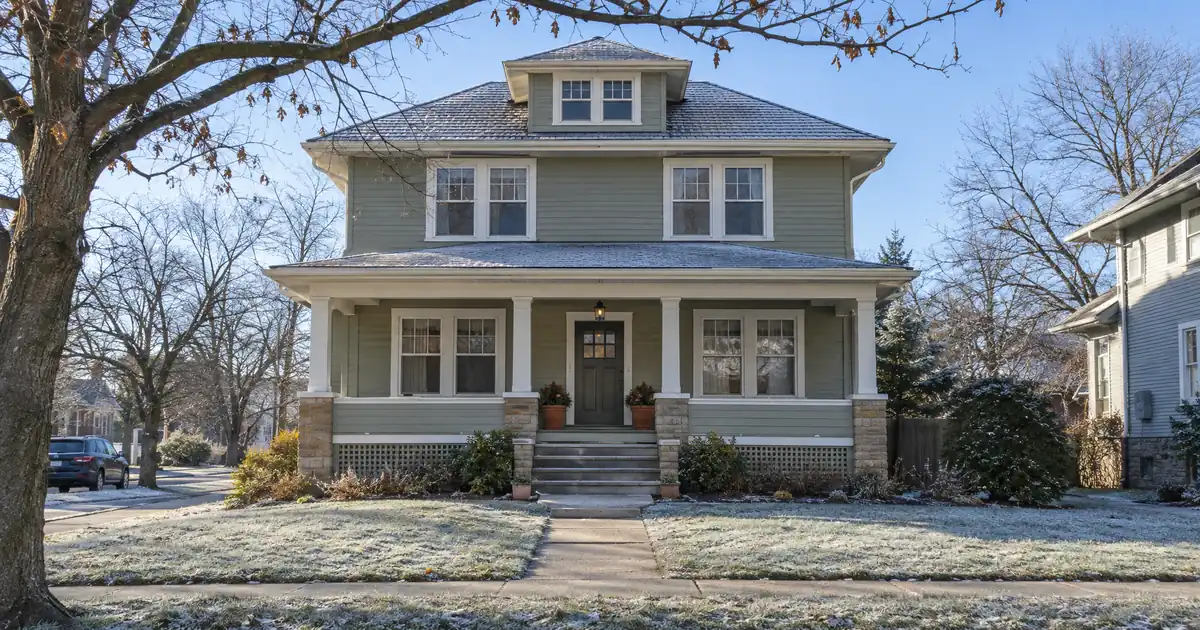
The Quick Read: You qualify by using probate as a preparation window, because an investment line generally cannot be placed until title sits in your name, so the work now is gathering letters, lien payoff figures, rent records and insurance proof, so the file is ready when the deed records. The line is underwritten to whoever holds title, not to the estate and not to a name in a will. Lendmire is a broker, so every figure below reflects select wholesale lenders in its network and stays subject to lender guidelines and full file review.
- On an investment property, the network’s ceiling is 70% combined loan-to-value (CLTV), and no credit tier goes above it.
- The credit floor on an investment line is 700, and a 720 score buys eligibility rather than extra leverage.
- Investment lines run from $25,000 to $500,000.
- Title must be held by you as an individual or by your revocable living trust.
- Lendmire arranges these lines in 16 full-service states, a smaller footprint than its DSCR investor programs.
Why Does Open Probate Block the Line?
Open probate blocks the line for two reasons: the estate still owns the property, and nobody yet has proven authority to sign a lien. A home equity line needs a titled borrower who can pledge the property. During probate, no heir fits that description.
How large a line the equity supports.
An equity line is sized by combined loan-to-value, occupancy, and credit — not by rental coverage. Switch the occupancy or the credit band and the ceiling moves with it.
Investment-property lines require a 700 minimum credit score; second-home lines start at a 640 minimum and primary-residence lines at 600, and the combined-LTV ceiling steps down as the credit band drops on primary-residence and second-home lines and holds on investment-property lines; the line cap steps down on primary-residence lines and holds at every tier on investment-property and second-home lines.
A debt-to-income ratio above 45% requires 680+ credit. Profiles under 640 are limited to single-family homes. At least 75% of the approved line is drawn at closing. Ceilings, floors, and caps update from Lendmire’s centralized guideline source.
Line estimate
Illustrative estimate only — not a quote, Loan Estimate, approval, or commitment to lend. The rate is an editable assumption; equity-line pricing is variable through both the draw and repayment periods and never converts to fixed. Occupancy and credit drive the ceiling together: an investment property tops out at 70% combined LTV (minimum credit 700, line cap $500,000); a second home tops out at 90% combined LTV (minimum credit 640, line cap $500,000), with the ceiling stepping down as the credit band drops (the cap holds at every tier); a primary residence tops out at 90% combined LTV (minimum credit 600), and its $750,000 maximum line is available only at 75% combined LTV or below with a 700-or-better credit profile (720 on the longer-runway program) and a full appraisal. Lines above $500,000 require a full appraisal. Credit, debt-to-income, property type, and full underwriting review all affect the final line.
Start with title. Being named in a will does not make you the owner on the day of death. Ownership moves after the court validates the will and the deed transfers. Until then, the estate holds the property.
Now authority. A will names an executor, but a probate court must officially authorize that person. MetLife’s legal explainer describes the court’s letters, together with a death certificate, as the proof an executor uses to settle the estate. Without those letters, the named person has no standing to act.
California practitioners say the same thing in plainer terms. According to Ridley Law Offices, before the court issues letters, the person named has no legal authority to access accounts or transfer assets. The page notes one narrow exception: reasonable steps to protect estate property from loss or damage while the petition is pending. Protecting the building is allowed. Borrowing against it is not.
State probate law governs all of this, and the details change from state to state. An estate attorney is the right person to confirm what your letters allow.
Key Terms Defined
Letters testamentary: the court document that authorizes a named executor to act for the estate. When there is no will, the court issues letters of administration instead.
Executor (personal representative): the person with court-granted authority over estate property. That authority does not make the executor the owner.
Recorded deed: the document, filed with the county, that moves title from the estate to the heir. This is the real finish line for a lender.
CLTV (combined loan-to-value): all loans against the property, including the first mortgage and the new line, divided by the property’s value.
Interest-only draw period: the early stretch of a line when the required payment covers interest only, before full repayment begins.
Ancillary probate: a second probate case opened in another state when the decedent owned real property there.
Who Can Sign at Each Stage?
Only the stage after the deed records gives an heir a clean path to an investment line. Before that, the executor may hold authority, but any loan against the property is an estate-level loan, not a consumer line. The table shows how it plays out.
| Stage | Who can sign a lien | Can an heir get an investment line? | What to do now |
|---|---|---|---|
| Death, no court filing yet | No one | No | Locate will, deed, leases |
| Petition filed, letters pending | No one (protective steps only) | No | Secure and insure the property |
| Letters issued, probate open | Executor, within the letters’ scope | No, estate still owns it | Gather payoff figures and rent file |
| Deed recorded to heir | The heir on title | Yes, if the file qualifies | Submit the file |
| Non-probate transfer (trust, survivorship) | Depends on title review | Possibly | Order title review early |
Notice that probate ending and title recording are different events. A court can close the case while the deed still sits unrecorded. Lenders look for the recording, so make sure your attorney files it promptly after the court acts.
Does the Probate Wait Apply to You?
It may not. Some properties skip probate entirely, and those heirs reach the underwriting stage sooner.
A property held in a funded living trust may pass without a court case. So may property that passes by survivorship or by a transfer-on-death deed. In those cases, a title review decides who can sign and when.
Two cautions apply. First, a trust avoids probate, not the lien: any mortgage or credit line on the property stays attached. Second, “funded” matters. A trust that never received the deed does not control the property, and the estate may land in probate anyway.
An intestate estate, meaning one with no will, takes the slower road. There is no named executor, so the court must appoint an administrator before anyone can act.
What Does the Network Look for on an Investment Line?
On an investment property, the line caps at 70% CLTV, requires a 700 minimum credit score, and tops out at $500,000. Lenders in Lendmire’s network qualify the borrower and the property together, so title, credit, debt-to-income and equity all have to line up.
Here is the full picture for an investment line.
- Leverage: 720 and 700 both reach 70% CLTV. A higher score does not buy more leverage on an investment property.
- Line size: $25,000 to $500,000. A line above $500,000 is for primary residences only.
- Structure: a standalone line in first or second lien position. Investment lines run a 5-year interest-only draw, then a 25-year fully amortizing repayment.
- Draw at closing: at least 75% of the line is drawn at closing. This is a funded loan with a revolving feature, not a standby cushion.
- Pricing: it floats through both the draw and repayment periods and never converts to fixed.
- Debt-to-income: 50% maximum, qualified on the interest-only payment calculated on the maximum draw.
- Valuation: because the line stays at or under $500,000, it typically relies on automated valuation rather than a traditional appraisal. A borrower can still request a full appraisal.
- Property types: single-family, 2-4 units, PUD, townhome and condominium, including non-warrantable condos. Manufactured homes, co-ops, condotels, log homes, commercial, mixed-use and agricultural-zoned properties are not eligible.
- Exposure: a borrower is limited to three lines, and an owner of more than 15 financed properties is not eligible.
Notice what is missing: a rental coverage test. This product is reviewed around you as a borrower. How rent from an inherited unit counts toward your income picture depends on the program and the file, so a documented lease and rent history only help the case.
Title is the sharpest limit. The line must be held by you as an individual or by your inter vivos revocable living trust. LLCs, corporations, partnerships and irrevocable, blind or land trusts cannot hold title. If the property is already deeded to an LLC, it needs a vesting change first, or a DSCR cash-out refinance instead.
Availability matters too. These lines are arranged in Lendmire’s 16 full-service states: AL, CA, CO, FL, GA, IN, MI, MT, NM, NC, OH, PA, TN, TX, VA and WA. In Indiana, North Carolina, Pennsylvania, Tennessee, Texas and Washington, a property listed for sale, or listed within the past 60 days, is ineligible. An heir who is still deciding between keeping and selling should settle that question before applying.
What Should You Do While Probate Is Open?
Treat probate as a documentation project. The heir who has every piece ready when the deed records is the heir whose file moves cleanly into review. Work through this list.
1. Collect the paper trail. Keep the will, the court’s letters, certified death certificates and every order the court issues.
2. Track the existing debt. Get payoff or balance statements for every mortgage or credit line on the property. You need the numbers to know how much equity is left.
3. Build the rent file. Gather leases, rent ledgers, deposit records and tenant contact details. Keep tenants in place and leases current. A lapsed lease weakens the file.
4. Keep the property current. Pay property taxes, insurance and any HOA dues from estate funds. Liens and arrears can complicate title and valuation.
5. Align the heirs. If several people will end up on title, settle early who is keeping the property and who is being bought out.
6. Plan the vesting. Decide whether the property goes into your own name or a revocable living trust, since those are the two options the line allows.
7. Check your own file. Credit should clear 700 for an investment line. Pull your reports early and fix errors while you have time.
8. Ask the title company for an early review. Surprises such as an old lien or a name mismatch are far cheaper to find during probate.
Property that is not rentable is a poor fit. A vacant house that needs rehab belongs in a different plan until it is leased.
How Does an Existing Mortgage or Credit Line Change the Math?
An existing lien carries through probate, and it eats into the equity a new line can use. The cap applies to combined debt, so a large inherited first mortgage can leave very little room.
Existing liens do not disappear at death. An attorney’s explanation from Steven F. Bliss Law says the lender on a decedent’s line files a claim in probate court. The executor then either refinances the debt into a mortgage in an heir’s name or sells the property to pay it off. Estate debts are settled first, and the remainder goes to heirs, as Moneywise explains in its coverage of inherited debt.
Run the numbers on an inherited duplex using modeled assumptions, not market data. Say the appraised value comes back and the first mortgage equals 50% of that value. The investment ceiling is 70% CLTV. So the new line, fully used, could reach at most 20% of the property’s value, and the $500,000 line cap still applies on top of that. If the first mortgage sat at 65% of value, the room would shrink to 5%, and a line that small may not be worth the file.
Two more points shape this example. Because at least 75% of the line is drawn at closing, you carry interest on most of it from day one. And because the file is qualified on the interest-only payment at the maximum draw, a thin income picture can fail the 50% debt-to-income test even when the equity is there.
Where Does the General Rule Break?
The general rule is that nothing happens until title is in your name. These edge cases bend it or add friction.
Multiple heirs. All owners on title generally must sign the lien. One heir who refuses can stall the whole file, so buyouts and signing roles should be settled before applying.
Executor versus heir. Letters give the representative authority over estate property. They do not make the heir the owner. Borrowing against the property before distribution is an estate-level loan with court-authority risk, and it is a different product from a consumer line.
Property in another state. Real estate outside the decedent’s home state can require ancillary probate. Legal Writing Experts explains that the executor must open a secondary proceeding there and receive that state’s own letters. Each state’s court sets its own pace.
Independent administration. In California, the letters show whether the representative has independent-administration powers, and those powers may include or exclude authority to borrow against real property. Borrowing authority therefore varies by state and by the letters themselves.
Property held by an LLC. The network’s line cannot be placed on LLC-held title. Rental investors who prefer entity vesting usually look at a DSCR cash-out refinance instead, subject to lender program eligibility.
Texas. Investment properties and second homes are eligible as non-homestead transactions, and Texas properties are limited to 10 acres.
HELOC, Cash-Out Refinance, or Estate-Level Loan?
A line suits an heir who wants staged access to equity on a rental that keeps its first mortgage. A cash-out refinance fits an heir who wants a fixed term or LLC vesting. An estate-level loan is a separate tool, used by the administrator before title passes.
| Factor | Investment HELOC | DSCR cash-out refinance | Estate-level loan |
|---|---|---|---|
| Who borrows | Heir on title | Heir or heir’s LLC | Executor |
| Reviewed on | Borrower credit and DTI | Property rent vs. payment | Estate assets and letters |
| Vesting | Individual or revocable trust | LLC allowed per program terms | Estate |
| Leverage ceiling | 70% CLTV | About 75% LTV | Varies |
| Timing gate | Recorded deed | Recorded deed, about 6 months seasoning common | Letters |
DSCR loans are designed for non-owner-occupied investment properties. Because they are business-purpose investor loans, they are reviewed differently from a standard owner-occupied mortgage. The loan is reviewed primarily on property-level rental income covering the payment, subject to lender guidelines.
Two coverage notes apply. Many select programs start at 1.00, and a separate select-lender path takes coverage below 1.00, with leverage and terms adjusted. A ratio at or above 1.00 does not mean the property cash flows, because repairs, vacancy, management and utilities sit outside the calculation. Credit tiers run from a 620 floor in parts of the network to roughly 660 on most programs, with 700 and above opening the strongest leverage. Details are in Lendmire’s complete DSCR loans guide.
One more route exists. Some investors borrow against their own primary home and put the money into the rental. Taxstra’s guide to investment property HELOCs describes this option. It puts the home at risk and follows a different underwriting path.
Common Mistakes
- Assuming a will gives borrowing power. Only court letters do, and even they do not make you the owner.
- Assuming a trust erases the debt. The lien stays on the property.
- Treating the end of probate as the end of the process. The deed has to record before anyone underwrites it.
- Letting insurance or leases lapse. Both feed the file and the valuation.
- Counting on a leverage tier that does not exist. The investment ceiling is 70% CLTV, and credit above 700 does not raise it.
- Ignoring the draw structure. With at least 75% funded at closing, this is not a cushion you leave untouched.
- Overlooking title type. LLC-held property needs a vesting change or a different loan.
Is It Worth It?
Often it is, if the equity is real. A line can fund repairs, cover carrying costs or buy out a sibling without forcing a sale. The tradeoff is cost and risk: pricing floats and never converts to fixed, most of the line is drawn at closing, and the property secures it.
Honestly, the stronger play is sometimes the cash-out refinance, especially when the heir wants a fixed term or entity ownership. Investors who plan staged draws on a rental with a small first mortgage may prefer the line. Probate timing often matters more than product choice, so map the timeline to a recorded deed first and pick the product second.
Frequently Asked Questions
Can you get a HELOC on an investment property before probate ends?
Generally not. The estate owns the property until the deed records, and an investment line needs a titled borrower who can sign the lien. The useful move is preparation: gather letters, payoff figures, leases and insurance proof now, so the file is ready when title clears.
Can an executor take out a line against estate property?
An executor acts only within the authority in the court’s letters, and those letters vary by state and by the scope of the administration. Any loan against the property before distribution is an estate-level loan with court-authority risk, not a consumer line. An estate attorney should confirm what the letters allow.
Does a living trust get me around the wait?
It can. A funded living trust, survivorship or a transfer-on-death deed may let the property skip probate, and a title review then decides who can sign. The trust does not clear existing liens, so any mortgage or credit line stays on the property.
What happens if the decedent already had a credit line on the property?
The lien remains. The lender files a claim in probate, and the executor either refinances the debt into an heir’s name or sells the property to pay it. Whatever balance remains reduces the room under the 70% CLTV investment ceiling.
Can my LLC hold title on the line?
No. On this network, the line requires title in your name or in a revocable living trust. LLCs, corporations, partnerships and irrevocable, blind or land trusts cannot hold title, so LLC-owned property needs a vesting change or a DSCR cash-out refinance.
Next Step
If you are considering a home equity line and want to see how the numbers work, Lendmire can help you compare HELOC options based on the property, the equity available, credit profile, combined leverage, and your goals. Reach the team at 828-256-2183, or use the quote request page. Programs change, and every file is reviewed individually.
For current guidelines and terms, see Lendmire’s investment-property HELOC programs page.
About Lendmire
As a mortgage broker (NMLS# 2371349), Lendmire helps homeowners and real estate investors in its 16 full-service states open home equity lines of credit arranged through wholesale lenders. Lendmire is never the lender; line amounts, ceilings and terms are set by the lender under its guidelines. Scotsman Guide named Lendmire a Top Mortgage Workplace in both 2025 and 2026.
Get Started
Ready to find the right loan for you?
See your offer in seconds. No credit pull, no obligation.
Informational only. Not a Loan Estimate, approval, or commitment to lend. Program availability and eligibility are subject to lender guidelines, credit approval, property review, and underwriting.
References
1. MetLife legal explainer on letters testamentary
2. Ridley Law Offices, California letters testamentary guide
3. Steven F. Bliss Law, HELOC repayment on inherited property
4. Moneywise via Yahoo Finance, inherited property debt
5. Legal Writing Experts, letters testamentary and ancillary probate
6. Taxstra, HELOC and investment property
This article is part of Lendmire’s investment property HELOC program — full qualification details, guidelines, and scenarios live on the program page.
Related reading: How to Qualify for an Investment Property HELOC With Irregular Deposits · How to Use an Investment Property HELOC During and After a Divorce · How an Investment Property HELOC Works for Using Home Equity on an Investment Property
Brandon Miller
Founder & CEO, Mortgage Loan Originator, Lendmire LLC
- Mortgage Loan Originator · NMLS# 1129696 · Verify on NMLS Consumer Access
- North Carolina Real Estate Broker · License# 343312 · Verify on NCREC
- North Carolina Insurance Producer · License# 19053198 · Property, Casualty, Life, Health · Verify on NAIC SBS
- Lendmire LLC · Firm NMLS# 2371349 · Verify firm licensure
Disclosures. The information presented in this article is general market commentary, not financial, legal, or tax advice. Lendmire is a mortgage brokerage (NMLS# 2371349) — not a direct lender or depository institution — and loan placement is subject to lender underwriting. Nothing in this content represents a commitment to lend. Loan terms, pricing, and program availability vary based on borrower qualifications, property characteristics, and state of subject property, and are subject to change at any time. Lendmire complies with Equal Housing Opportunity requirements. Consumer access: nmlsconsumeraccess.org.