
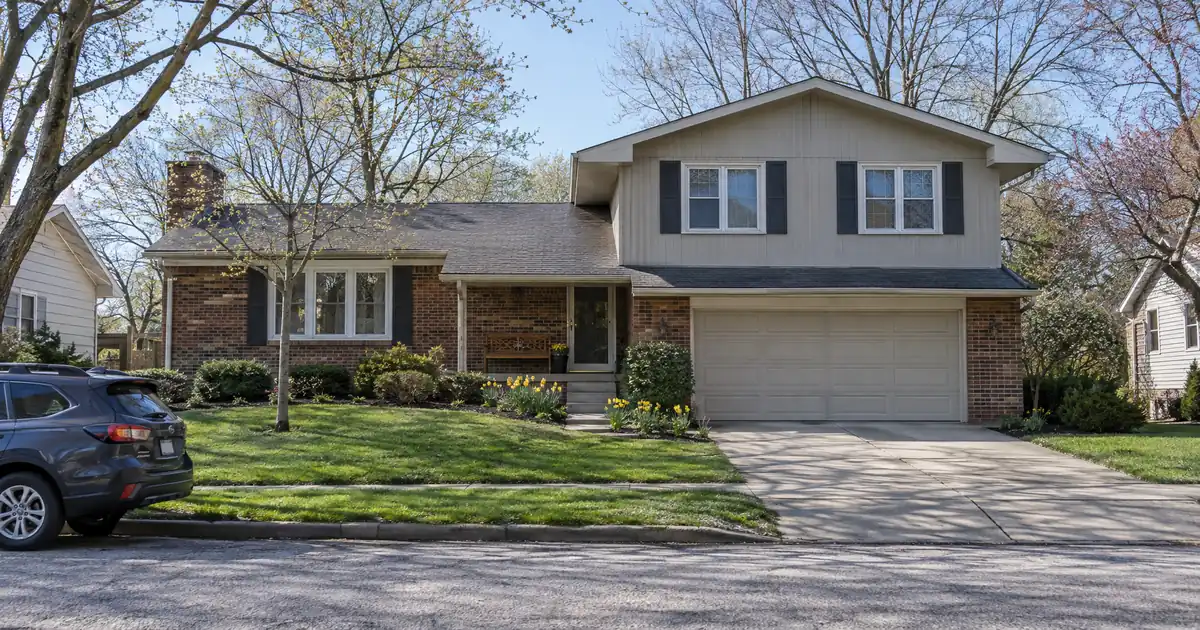
The Quick Read: Usually yes, but only by one of two routes, and neither returns every dollar. A recent cash buyer can wait out the lender’s seasoning period and cash out on appraised value, or use a delayed-financing exception where a program offers one, which returns documented cost instead.
- Across most of the wholesale network, cash-out tops out around 75% LTV on a standard rental, with about 6 months of seasoning as the common expectation.
- The delayed-financing route sizes the loan on what you paid, not on what the property appraises for.
- Any loan placed on the property after purchase generally removes the exception.
- The rent test still applies: a 1.00 coverage floor is where select programs start, subject to lender guidelines.
- Pricing and underwriting follow cash-out rules either way.
Investors buy with cash for the obvious reasons: speed at the offer stage, a cleaner bid, a below-market deal. Then the money is stuck in one property and the next deal is waiting. This article walks through how the brokerage’s wholesale network treats that file, what can break it, and how to pick between waiting and going early.
DSCR Cash-Out Calculator
Run the cash-out numbers in your market
Rate source: Freddie Mac 30-yr average via FRED® — Federal Reserve Bank of St. Louis · effective Oct 29, 2026
Prefilled with starting assumptions — enter your property’s value, balance, taxes, and insurance for a more accurate picture.
Program parameters update from Lendmire’s centralized guideline source. Taxes and insurance are editable estimates.
As of Oct 29, 2026 · General Freddie Mac market benchmark, not a Lendmire loan offer. Property value, balance, taxes, and insurance are editable estimates. Maximum loan-to-value varies by lender, program, property type, and seasoning. Not a Loan Estimate, approval, or commitment to lend. Program availability and eligibility are subject to lender guidelines, credit approval, property review, and underwriting.
Why Is a Refinance After a Cash Purchase Always a Cash-Out?
A refinance on a property with no mortgage, one that returns money to the borrower, is a cash-out. There is no existing loan to pay off, so the entire new loan is cash returned against equity. Lenders label it that way regardless of how recent the purchase was.
That label drives everything else: the leverage cap, the pricing tier, the reserve test, and the seasoning rule. Investors sometimes expect a “just bought it” refinance to look like a purchase loan. It does not. Across the programs Lendmire places files with, a refinance of a free-and-clear rental is underwritten as a cash-out and priced as one.
The idea of an early-access exception comes from the agency world. For contrast only: the Fannie Mae Selling Guide includes a delayed-financing exception, says all other cash-out requirements still apply, and says cash-out pricing applies. DSCR loans are not agency products, so each program writes its own version.
What Are the Two Routes for a Recent Cash Buyer?
The two routes are waiting out seasoning, or using a delayed-financing exception where the program has one. Waiting sizes the loan on appraised value. The exception sizes it on documented cost. Which is better depends on the gap between what you paid and what the property is worth.
| Factor | Delayed-financing exception | Wait out seasoning |
|---|---|---|
| Timing | Soon after purchase | After time on title passes |
| Loan sized on | Documented cost plus eligible costs | Appraised value |
| Leverage cap | Lower of cost basis or cash-out LTV | Cash-out LTV, around 75% |
| Paperwork | Heavier: settlement statement, funds trail | Standard cash-out file |
| Availability | Program-specific | Broadly available |
On the seasoning side, about 6 months of ownership, measured from title recording, is the common expectation across the network. The archived agency baseline is similar in spirit: the archived Fannie Mae guide treats a property bought within the prior six months as ineligible for cash-out unless delayed-financing conditions are met. DSCR programs set their own clocks, and some lenders in the network are more flexible on title seasoning than others, case by case.
What Does a Lender Check for Delayed Financing?
Lenders check that the purchase was arm’s-length, that it was paid entirely in cash, and that nothing has been borrowed against the property since. The settlement statement is the anchor document. If any of those fail, the file falls back to a standard cash-out.
Delayed-financing loans are treated as cash-out for eligibility.
The working checklist on a file looks like this:
1. Confirm the purchase type. Arm’s-length, no related-party sale, cash at closing.
2. Document the source of funds. Bank statements or equivalent evidence tying the money to the closing.
3. Run title and a lien search. Any loan secured by the property since purchase generally ends the exception.
4. Order the appraisal. The file is underwritten as a cash-out with the usual valuation and leverage limits.
5. Size the loan. It is the lower of what the cash-out LTV cap allows on appraised value or documented cost plus eligible costs.
6. Run the rent test. Rent used for lender review against PITIA still has to clear the program’s coverage floor.
Here’s the catch: step 5 means you generally do not recover everything. A cap on value and a cap on cost both apply, and the smaller number wins.
How Is the Loan Amount Set?
The loan is the lower of two numbers: the cash-out LTV cap applied to appraised value, or the documented cost basis plus eligible financed costs. On a standard rental the network’s cash-out ceiling is around 75% LTV, and short-term-rental collateral caps at 70%. Cost can pull you below that. Terms depend on the lender’s guidelines, the property type, the leverage, and a full review of the credit profile.
Run it with labeled assumptions, no dollars needed. Say an investor pays cash for a rental that appraises at about what was paid. Cost basis and value match, so the 75% cash-out cap on value is the binding limit. The investor gets back roughly three quarters of the value, not all of it, and keeps about a quarter in the property. Final terms depend on the lender’s guidelines, the property type, and the borrower’s complete credit picture.
Now change one input. Say the same investor bought a property well below market and it appraises far above the purchase price. On the delayed-financing route, the documented cost governs, so the loan can land well under what 75% of value would allow. Wait out seasoning and the same property sizes on appraised value. That gap is the whole decision.
Rehab works the same way. Delayed financing returns purchase cost, not renovation spend. An investor who bought cheap and rehabbed usually does better waiting for seasoning and refinancing on the after-repair value.
How Does a Free-and-Clear Rental Qualify?
A free-and-clear rental is reviewed on property-level rental income covering the new payment, subject to lender guidelines. Because the cash-out loan creates the first debt on the property, the coverage test runs on the full new payment, and that can limit proceeds even when equity is ample.
DSCR compares rent to PITIA: principal, interest, taxes, insurance and any HOA dues. Across the network, 1.00 is where select programs start, and stronger ratios open better pricing and leverage. A separate select-lender path takes coverage below 1.00, with leverage and terms adjusted. Clearing the ratio is not the same as positive cash flow. Repairs, vacancy, management, utilities and capex sit outside the calculation.
Other tests carry over from any cash-out file:
- Credit: a 620 floor exists in parts of the network, most programs want around 660, and 700+ unlocks the strongest leverage tiers.
- Reserves: commonly around 6 months of PITIA, stepping up to about 9 months on loans above $1,500,000. Reserves vary by lender, leverage and loan size.
- Loan size: up to $3,000,000 on standard programs.
- Property type: manufactured homes, log homes and barndominiums are not offered.
A bigger down payment at purchase does not change any of this. The strongest cash-out files clear both tests: enough equity and enough rental coverage. For the full program picture, the complete DSCR loans guide lays out the structure.
What Can Disqualify the Early Route?
Financing placed on the property after the cash purchase is the most common disqualifier. A line or loan secured by the subject property generally takes the file out of delayed financing and into a standard cash-out that must meet seasoning.
Other edge cases are program-specific:
- Hard-money or bridge purchase. Some non-QM programs allow a short-term or hard-money loan only if it is paid off from the refinance proceeds. Other guidelines treat any financing as disqualifying.
- Missed window. On a ground-up build, the clock can run from the lot purchase, not completion. If the lot was bought outside the program’s window, the exception may be unavailable and the file may need an exception to close as a cash-out.
- Unsourced funds. If the money behind the purchase cannot be traced, the settlement statement alone does not save the file.
- Non-arm’s-length sale. A sale between related parties fails the first test.
- Entity mismatch. Buying in an LLC and refinancing in a different name creates a title and documentation question. Borrowing through an entity is subject to lender program eligibility, so line up the vesting before the file goes in.
Some exceptions run the other way. Inheritance and divorce awards can allow short seasoning, and a few lenders waive title seasoning on a cash-out when compensating factors such as strong coverage are present. Those are case-by-case, not a promise.
Wait or Go Early?
Go early when cost basis is close to value and the next deal can’t wait. Wait when value sits well above cost, which is the usual result of a below-market buy or a rehab. The early route recycles capital sooner, but it can leave money in the property.
Think it through out loud. An investor who paid roughly market price gains little from waiting, because cost and value are close. Going early gets capital moving. An investor who bought at a deep discount faces the opposite math: the exception locks proceeds to the low price, and a few months of patience can unlock much more. This one is a genuine toss-up for files in the middle, where the gain from waiting is modest and the next purchase has a deadline.
Cash-out pricing applies either way. Delayed financing is not a purchase-priced loan on a DSCR file, so don’t plan around purchase-level terms.
Documents to Have Ready
The packet that keeps these files clean is short. Missing pieces, not hard decisions, cause most delays in clearing the file.
- Final settlement statement from the cash purchase
- Bank statements showing the funds used to close
- Proof of vesting and entity documents, if an LLC holds title
- Current lease or rent evidence for the coverage test
- Insurance quote for the new loan
- Reserves documentation
Seasoning is lender policy, not a statute. That is why the numbers move from one program to the next, and why a lender-by-lender comparison matters more than any single guideline.
Key Terms Defined
Seasoning: the time a lender requires you to hold title before a cash-out refinance is available.
Delayed financing: an exception that lets a documented cash buyer borrow against the property soon after purchase, sized on cost rather than value.
Cash-out refinance: a new loan that returns cash to the borrower against the property’s equity.
Cost basis: the documented purchase price plus eligible closing costs a lender will count toward the loan.
DSCR: the ratio of rent used for lender review to PITIA, used to test whether the property covers its own payment.
Reserves: liquid funds, usually counted in months of PITIA, held after the loan funds.
Frequently Asked Questions
Can I refinance right after paying cash for a rental?
Sometimes. If the program offers a delayed-financing exception and the file meets its conditions, you can borrow against documented cost soon after purchase. Otherwise the file waits out seasoning, about 6 months across most of the network, and sizes on appraised value.
Will I get all my cash back?
Generally not. The loan is the lower of the cash-out LTV cap on appraised value or documented cost plus eligible costs. With cash-out around 75% LTV on a standard rental, a share of the equity stays in the property.
Does a HELOC taken after purchase hurt my chances?
Yes. Financing secured by the property since closing generally removes the delayed-financing route. The loan is then a standard cash-out that has to meet seasoning.
Does delayed financing return my rehab costs?
No. It returns purchase cost, not renovation spend. Investors with a rehab usually wait for seasoning and refinance on after-repair value instead.
Does the rent still have to cover the loan?
Yes. The property must meet the program’s coverage test on the new loan, with 1.00 as the starting point for select programs. A separate select-lender path takes coverage below 1.00, with leverage and terms adjusted, subject to lender guidelines.
If you are buying or refinancing a rental property and want to see how the numbers work, Lendmire can help you compare DSCR loan options based on the property income, credit profile, leverage, and investor goals. It arranges financing through select lenders in its wholesale network, with DSCR programs in 41 markets, including Washington, D.C. Cash-out approvals are not a commitment to lend and remain subject to lender guidelines, credit approval and property review. Tax treatment varies; consult a qualified professional.
For how equity extraction works on an investment property, see Lendmire’s guide to cash-out refinance on an investment property.
About Lendmire
Lendmire — NMLS# 2371349 — is a DSCR and non-QM mortgage brokerage with investor loan programs in 41 markets, including Washington, D.C. DSCR eligibility is commonly reviewed by the lender around property-level rent rather than personal income documentation, subject to lender guidelines, and the brokerage helps arrange financing for LLC-owned portfolios beyond conventional financed-property limits. Recognized by Scotsman Guide as a Top Mortgage Workplace in 2025 and 2026.
Get Started
Ready to find the right loan for you?
See your offer in seconds. No credit pull, no obligation.
Informational only. Not a Loan Estimate, approval, or commitment to lend. Program availability and eligibility are subject to lender guidelines, credit approval, property review, and underwriting.
References
1. Fannie Mae Selling Guide B2-1.3-03
This article is part of Lendmire’s investment property cash-out refinance program — full qualification details, guidelines, and scenarios live on the program page.
Related reading: Can You Get a Short-Term Rental Cash-Out Refinance Without Restarting 30 Years? · How Lenders Underwrite a Short-Term Rental Cash-Out Refinance on a Two-to-Four Unit Rental
Brandon Miller
Founder & CEO, Mortgage Loan Originator, Lendmire LLC
- Mortgage Loan Originator · NMLS# 1129696 · Verify on NMLS Consumer Access
- North Carolina Real Estate Broker · License# 343312 · Verify on NCREC
- North Carolina Insurance Producer · License# 19053198 · Property, Casualty, Life, Health · Verify on NAIC SBS
- Lendmire LLC · Firm NMLS# 2371349 · Verify firm licensure
Compliance and disclosures. Lendmire (NMLS# 2371349) is a licensed mortgage broker and is not a direct lender, depository institution, financial advisor, or tax professional. Content in this article is general market analysis and educational information — not financial, legal, or tax advice for any specific situation. Lendmire does not guarantee loan approval; every transaction is subject to underwriting by the funding lender. Mortgage pricing and loan program guidelines are subject to change at any time without notice and vary by borrower characteristics, property type, and state regulations. Lendmire complies with Equal Housing Opportunity. Licensure verification: NMLS Consumer Access.