
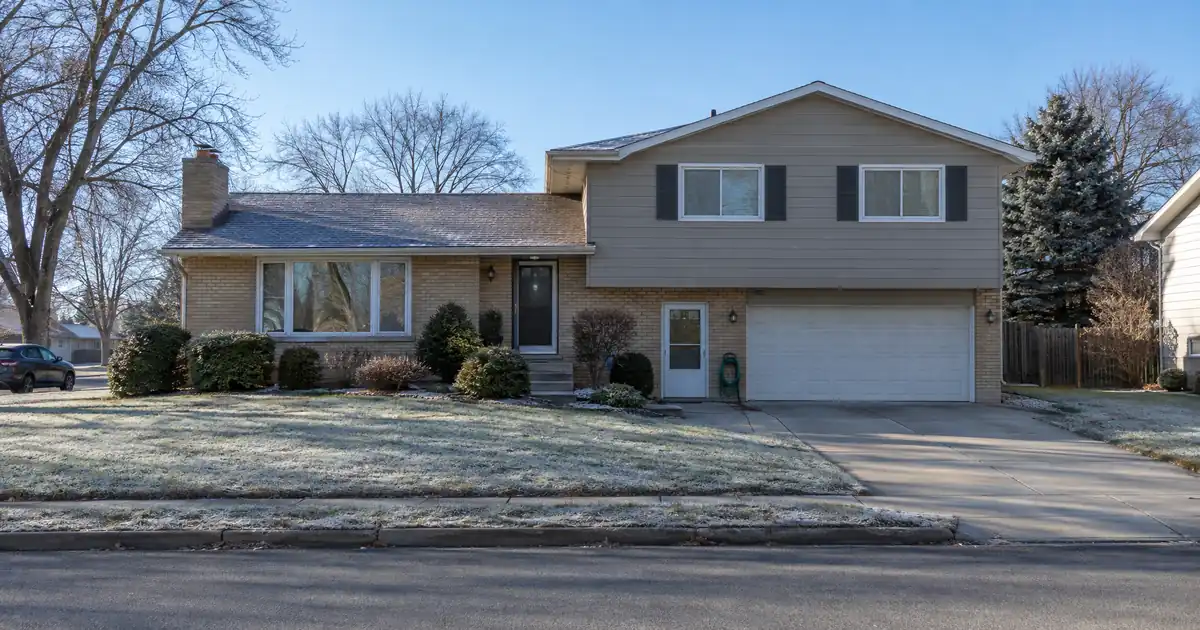
The Quick Read: Form 1007 is the appraiser’s opinion of what a rental property would earn on a standard monthly lease, and in DSCR lending that opinion often becomes the rent number the lender divides by the monthly payment. The signed lease matters, but the appraiser’s figure frequently sets the ceiling. Here is what to know before you submit a deal:
- The appraiser prepares the form as an attachment to the appraisal of a one-unit rental.
- It compares the subject to three rentals and reconciles them into one monthly market rent.
- Many programs credit the lower of the signed lease and the market rent.
- It cannot support a short-term rental’s nightly income.
- Value drives leverage and rent drives coverage, so either can limit the loan.
Think of the form as a second appraisal inside the appraisal. One page sets the value. Another sets the rent. Investors who model only the first one get surprised.
DSCR Calculator
Run the numbers in your market
Rate source: Freddie Mac 30-yr average via FRED® — Federal Reserve Bank of St. Louis · effective Oct 15, 2026
Prefilled with starting assumptions — enter your own rent or nightly figures, taxes, insurance, and HOA for a more accurate picture.
Program parameters update from Lendmire’s centralized guideline source. Taxes and insurance are editable estimates.
As of Oct 15, 2026 · General Freddie Mac market benchmark, not a Lendmire loan offer. Rent, nightly rate, occupancy, taxes, and insurance are editable estimates. Short-term rental figures are estimates only and vary significantly by season, property type, management approach, and local short-term-rental rules — confirm local regulations before relying on them. Qualifying income for short-term rentals varies by program — some use appraisal market rent, others use documented STR history or projections — and is confirmed in underwriting. Not a Loan Estimate, approval, or commitment to lend. Program availability and eligibility are subject to lender guidelines, credit approval, property review, and underwriting.
What Is Form 1007, and What Isn’t It?
Form 1007 is the Single-Family Comparable Rent Schedule, a joint Fannie Mae and Freddie Mac form. Freddie Mac’s form describes its purpose as giving the appraiser a familiar format to estimate the market rent of the subject property, and it is prepared as an attachment to the appraisal of a single-family investment property.
It does not set the property’s value. It does not verify your tenant’s lease. It does not assess your business income, which is the lender’s job. It answers one narrow question: what would this home rent for, per month, on an ordinary lease in this market?
One clarification matters here. The form carries agency names, but DSCR loans are not agency products. Each DSCR program writes its own rules about which rent evidence counts. Across the wholesale network Lendmire works with, the form is simply the standard appraiser tool for documenting market rent. How much weight it gets depends on the program.
Why Do Investor Appraisals Produce Two Numbers?
An investor appraisal produces a value and a market rent, and they drive different parts of the loan. Value drives loan-to-value. Rent drives debt coverage. A shortfall in either one can reduce the loan amount.
| Output | What it drives | If it comes in short |
|---|---|---|
| Appraised value | LTV and loan amount | Less leverage, more cash to close |
| Market rent (1007) | DSCR coverage ratio | Lower coverage, tighter terms |
A property can clear on value and still struggle on rent. The reverse happens too. The strongest files clear both tests: enough equity and enough rental coverage.
DSCR compares rent to PITIA only, meaning principal, interest, taxes, insurance, and any HOA dues. Divide the rent used for lender review by that monthly obligation and you have the ratio. Clearing 1.00 is not the same as positive cash flow. Repairs, vacancy, management, utilities, and capex sit outside the calculation. A 1.10 ratio can still be a thin deal once real operating costs show up.
For the full mechanics of how lenders read the ratio, Lendmire’s complete DSCR loans guide covers the program side.
Which Form Applies to Which Property?
Form 1007 covers one-unit properties. Fannie Mae’s appraiser guidance also notes it can be used for condo investment properties. For two to four units, the rent analysis sits inside Form 1025 instead of a separate schedule, and an operating income statement is sometimes paired with it.
| Property | Rent evidence |
|---|---|
| Single-family | Form 1007 |
| Condo | Form 1007 |
| 2–4 units | Rent analysis inside Form 1025 |
| Short-term rental | Separate income evidence (see below) |
Some property types are not offered at all. Manufactured homes (single- and double-wide), log homes, and barndominiums fall outside the network’s DSCR programs, so no rent schedule will rescue them.
How Does the Appraiser Build the Rent Opinion?
The appraiser selects three comparable rentals, adjusts them for differences, and reconciles the results into one monthly figure. The form lists lease dates, current monthly rents, adjustments, an indicated monthly market rent, and a final reconciled number.
The steps run like this:
1. Select comps. The appraiser finds similar rentals nearby, ideally recent.
2. Adjust. Per the form’s instructions, adjustments are for significant differences between the comps and the subject. Rent concessions are adjusted to the market, not to the subject.
3. Reconcile. The adjusted figures become a single opinion of market rent.
4. Report. The schedule travels with the appraisal into the file.
The lender orders the appraisal, not the borrower. That keeps the opinion independent, and it is why you cannot simply hand the appraiser your pro forma.
How Does the Rent Number Flow Into Coverage?
Underwriting picks a rent used for lender review. On a property with a tenant in place, many programs use the lower of the signed lease and the appraiser’s market rent. If the home is vacant, the market rent stands alone. This is a program convention, not a universal rule, and some lenders in the network treat lease variances differently.
Run the numbers on a conceptual basis. Say the lease sits above the 1007 figure, and the 1007 rent covers the full monthly obligation at roughly 1.15x. Swap in the higher lease and the ratio would look better, but the lower-of convention means the extra rent adds nothing. Now flip it. A relative rents the property at a steep discount and the lease is below market. Coverage drops to the lease level, perhaps under 1.00, even though the home could rent for more.
That second case is common, and it is fixable. Resetting a below-market lease before the file is submitted can change the result.
Coverage at or above 1.00 is where many select programs start. A separate select-lender path takes coverage below 1.00, with leverage and terms adjusted. Stronger ratios generally open better pricing and leverage, so a low rent opinion can cost you at the pricing tier even when the loan still works.
A larger down payment can lift the ratio by lowering the monthly obligation. It never erases leverage caps, credit floors, reserve rules, or property eligibility. Purchases on most files land at 75%–80% LTV on an investment property, with select high-leverage programs reaching 85% for stronger credit (roughly 700+). Cash-out tops out around 75% LTV across most of the network. All of it is subject to lender guidelines.
Reading Your Rent Schedule When It Arrives
Read it like a buyer, not a bystander. Four checks catch most problems:
- Comp quality. Are the three rentals similar in size, age, and condition to your property?
- Comp age. Stale leases from a different market cycle weaken the opinion.
- Adjustments. Large or unexplained adjustments deserve a question.
- Location match. Comps pulled from a different type of area can drag the number.
If a comp looks wrong, say so with evidence. A rent dispute is not guaranteed to move the figure, and the appraiser is not obligated to change it. What helps is specific: nearby leased comparables with dates and terms that the appraiser may have missed. What does not help is a rent estimator website or a seller’s pro forma.
Short-Term Rentals: Where the Form Stops Working
Form 1007 cannot document a short-term rental’s income. Fannie Mae’s guidance says the form calls for monthly market rent, that using STR comps and multiplying the nightly fee by 30 is incorrect, and that the form cannot estimate a nightly fee. McKissock, an appraisal-education provider, adds that assessing income is outside the form’s scope and is the lender’s job.
So STR-focused programs lean on other evidence: a separate STR income analysis, operating statements, bank statements, or third-party projections, which are typically discounted. Details vary by program.
On the network’s STR programs, purchase leverage tops out at 75% LTV, refinance runs around 70%, and cash-out is 70%. Expect a 640+ score and about 12 months of hosting history, with coverage of at least 1.00 on both purchases and refinances. Short-term rental rules vary by city, county, HOA, and property type, so investors should confirm local rules before relying on projected rental income. Final terms depend on lender guidelines, property type, leverage, and the borrower’s complete credit picture.
The practical result is that a hosted property often shows a much lower 1007 rent than its actual revenue.
What If the Rent Comes in Low?
You have a few real options, and none is automatic.
1. Challenge with evidence. Submit dated, nearby lease comps.
2. Adjust the structure. More down payment lowers the monthly obligation and can lift the ratio.
3. Use a different path. Sub-1.00 coverage is available through select lenders in the network, with leverage and terms adjusted.
4. Change the channel. Lenders in the network handle lease variances and appraisal transfers differently, so a broker can move the file to a program that credits a current lease or accepts an existing appraisal.
5. Reconsider the deal. If the numbers only worked at a hoped-for rent, the price may be the problem.
That last one is the honest answer more often than investors like. A broker who sees many lenders’ guidelines can tell you which channel treats a lease variance favorably, but no channel manufactures rent that the market does not support.
Preparing Before the Appraisal
Model every deal on the likely appraised rent, not the lease you wish you had. Beyond that:
- Reset a below-market lease early, before the file goes in.
- Gather your own lease comps with dates and terms to share if asked.
- Document upgrades that justify higher rent, and keep receipts.
- Present the property clean and accessible.
- Ask your broker which programs credit the lease versus the market rent.
On a vacant purchase, the market rent is the only rent in play, so the 1007 is the whole story. Lendmire’s piece How to Qualify Rent on a Vacant DSCR Purchase Using Form 1007 walks through that case in detail.
Key Terms Defined
- Form 1007: the appraiser’s schedule that estimates monthly market rent for a one-unit rental.
- Market rent: what comparable homes rent for on ordinary monthly leases.
- PITIA: principal, interest, taxes, insurance, and any HOA dues, the monthly obligation in the ratio.
- DSCR: rent used for lender review divided by PITIA.
- Reserves: liquid funds held after closing, commonly around 6 months of PITIA and often about 9 months on larger loans, varying by lender and file.
Myths About the Rent Schedule
| Myth | Reality |
|---|---|
| My signed lease is the rent number | Often the lower of lease and market rent governs |
| Nightly rate × 30 equals rent | Fannie Mae calls this incorrect on the form |
| Agency rules govern my DSCR loan | The DSCR lender’s guidelines decide |
| It sets the property’s value | Value is a separate part of the appraisal |
| Clearing 1.00 means positive cash flow | The ratio ignores repairs, vacancy, and management |
Frequently Asked Questions
Can a DSCR loan skip the rent schedule?
Sometimes, depending on the program. Some programs accept a signed lease alone on an occupied property, and others require the appraiser’s figure. Vacant properties almost always rely on the market rent. Check which approach each lender in the network takes before choosing.
Who orders and pays for Form 1007?
The lender orders it through the appraisal process, and the borrower typically pays the appraisal fee. You do not choose the appraiser or hand them your numbers, which keeps the opinion independent.
Does Form 1007 work for condos?
Yes. Fannie Mae’s guidance says it can be used for condo investment properties. HOA dues still go into the monthly obligation in the ratio, so a high-dues condo needs more rent to cover it.
What if I own a duplex or fourplex?
The rent analysis sits inside Form 1025 for two to four units rather than a standalone 1007. The idea is the same: market rent for each unit, supported by comparable rentals.
Will a higher down payment fix a low rent opinion?
It can help the ratio by lowering the monthly obligation, but it does not erase leverage caps, credit floors, reserve rules, or property eligibility. It works best alongside a realistic rent.
If you are buying or refinancing a rental property and want to see how the numbers work, Lendmire can help you compare DSCR loan options based on the property income, credit profile, leverage, and investor goals. Reach the team at 828-256-2183 or request a quote. Programs change and every file is underwritten individually, so nothing here is a commitment to lend.
Tax treatment varies by how the property is held and how funds are used; consult a qualified tax professional.
About Lendmire
Lendmire — NMLS# 2371349 — is a mortgage brokerage specializing in DSCR investor loans, helping arrange financing across 41 markets, including Washington, D.C., through wholesale and investor-lending channels. The model centers on property-level rental income reviewed by the lender rather than W-2 documentation, subject to lender guidelines, suiting entity-owned and multi-property investors. Lendmire holds Scotsman Guide Top Mortgage Workplace recognition for 2025 and 2026.
Get Started
Ready to find the right loan for you?
In about 30 seconds you can review financing options available for your investment property. No commitment required.
Informational only. Not a Loan Estimate, approval, or commitment to lend. Program availability and eligibility are subject to lender guidelines, credit approval, property review, and underwriting.
References
1. Freddie Mac / Fannie Mae Form 1000/1007
2. Fannie Mae Appraiser Update
3. McKissock Learning on Form 1007 and short-term rentals
This article is part of Lendmire’s DSCR loan program — full qualification details, guidelines, and scenarios live on the program page.
Related reading: How Much Cash a W-2 Investor Needs per DSCR Acquisition · STR Projected Income Analysis vs Form 1007 for Airbnb DSCR Loans · How PITIA Works in Investor Lending
Brandon Miller
Founder & CEO, Mortgage Loan Originator, Lendmire LLC
- Mortgage Loan Originator · NMLS# 1129696 · Verify on NMLS Consumer Access
- North Carolina Real Estate Broker · License# 343312 · Verify on NCREC
- North Carolina Insurance Producer · License# 19053198 · Property, Casualty, Life, Health · Verify on NAIC SBS
- Lendmire LLC · Firm NMLS# 2371349 · Verify firm licensure
Compliance and disclosures. Lendmire (NMLS# 2371349) is a licensed mortgage broker and is not a direct lender, depository institution, financial advisor, or tax professional. Content in this article is general market analysis and educational information — not financial, legal, or tax advice for any specific situation. Lendmire does not guarantee loan approval; every transaction is subject to underwriting by the funding lender. Mortgage pricing and loan program guidelines are subject to change at any time without notice and vary by borrower characteristics, property type, and state regulations. Lendmire complies with Equal Housing Opportunity. Licensure verification: NMLS Consumer Access.