
The Quick Read: Preparing several rentals in one subdivision means building a separate evidence file for each house, because every property is valued and rent-tested on its own appraisal and rent schedule. Sameness helps the comps, but it also concentrates risk, since one thin rent conclusion or one HOA change can hit every file at once. Prepare each home as its own deal, then keep the packets consistent.
- Each rental gets its own appraisal, its own market rent opinion, and its own debt service. Rent on the house next door does not carry over.
- The appraisal drives two numbers: value, which sets leverage, and market rent, which sets coverage.
- Underwriting typically uses the lower of the signed lease or the appraiser’s market rent.
- HOA dues sit on the debt side of the ratio, and they hit every house you own in the community in the same way.
- Your own leased units are not independent evidence of market rent for each other.
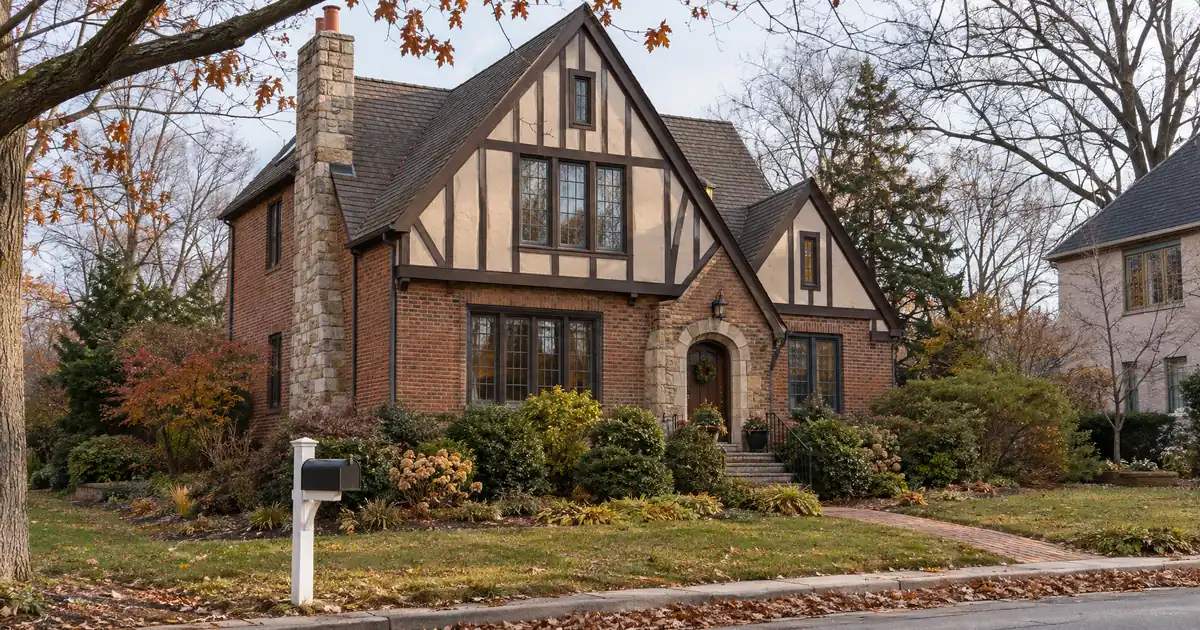
You own, or plan to buy, several houses on the same streets. Maybe it is a row of identical floor plans from one builder. The lender will not treat that as one asset, and the appraiser will not either. This article walks through how that valuation works, what to prepare, and where the general rule breaks. It also covers how to avoid stacking the same weakness across every file.
Key Terms Defined
DSCR (debt service coverage ratio): Monthly rent divided by the full monthly housing obligation. A ratio of 1.00 means rent equals the obligation.
PITIA: Principal, interest, taxes, insurance, and association dues. This is the debt-service side of the ratio.
Market rent: What the appraiser concludes a home would lease for monthly, based on comparable rentals nearby.
Rent schedule (Form 1007): The appraisal exhibit that documents market rent on a one-unit rental. Two- to four-unit properties use a different exhibit, Form 1025.
Comps (comparables): Recent sales, or recent leases, of similar nearby homes that the appraiser uses as evidence.
Blanket (portfolio) loan: One loan secured by several properties. A pooled loan tests coverage across the whole group.
LTV (loan-to-value): The loan balance divided by the appraised value.
How Does a DSCR Valuation Treat Each Rental?
Each rental is its own collateral file. On individual DSCR loans, every house gets its own appraisal, its own rent schedule, and its own PITIA. Being in the same subdivision does not merge them, and one house’s lease does not prove another’s rent.
The appraisal does two jobs. The value conclusion sets leverage. The rent conclusion sets coverage. One report feeds both tests, so a weak number on either side can be the one that binds.
Across the wholesale network, most purchase files land at 75%–80% LTV on an investment property. Select high-leverage programs reach 85% with a score near 700 or better. Coverage starts at 1.00 for select programs, and stronger ratios open better pricing and leverage. All of this is subject to lender guidelines. The complete DSCR loans guide covers the baseline mechanics, so this article stays on the subdivision angle.
Remember what the ratio measures. Rent against PITIA is the whole test. Clearing 1.00 does not mean positive cash flow, because repairs, vacancy, management, utilities, and capital expenses sit outside the calculation.
Which Report Applies to Each Property in the Subdivision?
Single-family homes, townhomes, and condos use the single-family rent schedule, Form 1007. Two- to four-unit properties use Form 1025. If your subdivision mixes both, each house follows its own form.
| Property type | Rent exhibit | Subdivision watch-out |
|---|---|---|
| Detached single-family | Form 1007 | Floor-plan duplicates share comps |
| Townhome or condo | Form 1007 | Master HOA dues hit every unit |
| Two- to four-unit | Form 1025 | Rental comps must match unit count |
| Short-term rental | Lender-specific income review | Nightly rate does not convert to monthly rent |
Fannie Mae’s appraiser update describes the 1007 as calling for indicated monthly market rent. That means the appraiser analyzes competing properties leased on a monthly basis. The same update says the form cannot estimate a nightly short-term-rental fee. Multiplying a nightly rate by 30 does not produce a valid monthly rent.
That matters in a subdivision that allows short-term rentals. The monthly-lease comps may value the rent far lower than your booking history suggests. On short-term rental files, the network typically looks at 75% LTV on a purchase, about 70% on a refinance, and 70% on a cash-out. Expect a score of 640 or better and about 12 months of hosting history. Purchases carry a 1.00 coverage floor and refinances carry their own 1.00 floor, subject to lender guidelines. Short-term rental rules can vary by city, county, HOA, and property type, so investors should confirm local rules before relying on projected rental income.
How Does the Appraiser Build Rent When the Comps Are Your Neighbors?
The appraiser looks for monthly-leased homes that compete with yours, and in a single subdivision those are usually the same floor plans a few streets away. The Form 1007 uses rental comparables, and the appraiser adjusts them for size, condition, and features.
Value works the same way, with one preference worth knowing. For sales comps, agency appraisal guidance favors the same market area, including the subdivision. Fannie Mae’s selling guide says same-area comps should be used when possible and that comps from outside the area need an explanation. These are agency appraisal norms, not DSCR rules. DSCR files tend to borrow the same habits, but each lender’s own guidelines govern.
The self-comp problem
Here is the issue nobody warns you about. If you own several homes in the community, your own recent purchases, refinances, and leases may be the only nearby data. Appraisers generally favor arm’s-length sales, and distressed or non-arm’s-length transactions are often excluded, as the Birmingham Appraisal Blog notes. That is commentary, not a rule. Still, treat your in-place leases as your evidence of performance, not as independent proof of market rent.
Thin comps and the widening search
In an early-phase or one-builder subdivision, few homes may rent or sell. The appraiser then widens the search, and McKissock describes expanding by dated, distant, or dissimilar comps when data is thin. The risk is the direction of the widening. A search that pulls in lower-tier product from a different phase or neighborhood can drag the rent conclusion down.
Your job is to steer. Hand the appraiser information that supports a like-for-like comparison: same tier, same bedroom count, similar finish level, and similar lease structure. The appraiser still chooses the comps. You are only making the strongest honest case.
Lease Versus Market Rent: Which Number Counts?
On most programs, underwriting uses the lower of the signed lease or the appraiser’s market rent. A lease above market usually does not raise the rent used for lender review. A lease below market can lower it.
Practice varies by lender. Some channels rely only on the 1007 figure even when a higher lease exists, while others allow a variance. This is where a broker who sees many lenders earns the fee.
Two warnings. First, do not inflate leases or pile on concessions to look stronger. A concession-heavy lease weakens the file rather than strengthening it. Second, if the lease is below the market rent, consider whether renewing at market is realistic before the appraisal is ordered.
HOA Dues Go in the Payment, Not Off the Rent
Association dues are part of PITIA. They are not netted from rent later. In a subdivision with a master HOA, the same dues structure applies to every house you own there, so a dues increase or special assessment pulls every file’s ratio down together.
Before any appraisal is ordered, collect the current dues letter and any special assessments, and read the leasing rules. A rental cap or a minimum lease term in the HOA documents is a property-level problem that repeats across the whole group.
The Evidence Packet: What to Prepare for Each Unit
Build one packet per house, using the same template. Consistency is the point.
- Lease and payment history: the signed lease, plus proof that rent is actually being paid.
- Tax and insurance quotes: a current figure for each property, since these drive PITIA.
- HOA documents: the dues letter, special assessments, and any leasing restrictions.
- Condition: every house rent-ready, with no deferred repairs. A “subject to repairs” appraisal can stall a file.
- Upgrades list: a short written list of improvements with approximate dates. These may support a higher appraised value, depending on comps and underwriter review.
- Access: tenant notice given and showing times arranged, so the appraiser can see every unit.
- Local activity summary: a short written list of recent subdivision sales and lease activity. The appraiser may consider it but is under no obligation to use it.
A simple tracker keeps several units straight.
| Unit | Lease status | Comps supplied | Condition notes | Access arranged |
|---|---|---|---|---|
| House 1 | In place, current | Same-plan leases | Rent-ready | Yes |
| House 2 | Month-to-month | Same-plan leases | Minor punch list | Pending |
| House 3 | Vacant | Same-plan leases | Rent-ready | Yes |
Presenting comps without overreaching
| Do | Don’t |
|---|---|
| Match tier, size, bedrooms, and finish | Pull comps from a better phase |
| Show monthly leases for monthly rent | Offer nightly rates as monthly rent |
| Label your own units as your own | Present your own leases as independent proof |
| Keep the same format for every unit | Hand each appraiser a different story |
Keeping Several Appraisals Consistent
Different appraisers can reach different conclusions on near-identical houses. You cannot control that, but you can reduce the spread by giving each one the same evidence in the same format.
Sequencing matters too. Because each house is underwritten separately, the order of appraisals, leases, and refinances can change the comp set. A closed sale in the subdivision may become a comp for the next appraisal. Many investors stagger orders and watch the first result before moving on, because a low conclusion on house one is early warning for the rest. Batching has its own logic. If everything is ready and the packets are identical, a batch gives every file the same market window. Ask your broker which fits, since lender processes differ.
For leverage on a later cash-out, the network typically tops out around 75% LTV, with about six months of seasoning as the common expectation. Staggered refinances also raise a related question, covered in Lendmire’s piece Can You Stack DSCR Cash-Outs One After Another on Different Rentals?.
Worked Example: Three Homes, One Subdivision
Run the logic on three same-plan houses, using illustrative ratios only. These are modeled assumptions, not sourced market data.
Assume house one clears roughly 1.2x. House two clears about 1.1x, because its tax bill is a little higher. House three comes back near 0.95x because the appraiser’s rent opinion landed low after the search widened into a lower-tier phase.
Here is what happens on separate loans. Houses one and two proceed on their own. House three is the problem file. On a loan against that one rental, coverage below 1.00 is available through select lenders in the network, with leverage and terms adjusted. Or you can add evidence of like-for-like comps and ask for a review, or choose a different structure.
Now the same three houses under one pooled loan. Coverage is measured on the group: pooled rent against pooled debt service. Strong houses can offset the weak one, so the pool can clear even though house three sits under 1.00 alone. Underwriting still tests the pooled coverage, the leverage, and the terms, subject to lender guidelines. And every house still needs its own appraisal and its own lease or appraiser-supported market rent.
The lesson is not that pooling fixes things. It is that a thin rent conclusion on one house changes which structure fits.
Separate Loans or One Pooled Loan?
A blanket structure is one loan secured by several properties. It does not skip appraisals.
| Factor | Separate loans | Pooled loan |
|---|---|---|
| Coverage test | Each house alone | Pooled across the group |
| Appraisals | One per property | One per property |
| Selling one house | Pay off that loan | Follows the release terms |
| Concentration risk | Spread across loans | One underwriting decision |
Through the network’s portfolio lenders, a 30-year portfolio structure covers two to twenty properties under one note, with loan sizes from $300,000 to $5,000,000 and leverage up to 80% on a purchase or rate-and-term refinance. The coverage floor of 1.00 is measured on the pool. A cash-out on a portfolio loan stays at or below 75% of pooled value. A separate rental portfolio term loan serves five or more rentals, with leverage up to 75% and fixed terms with a balloon at maturity. Credit minimums typically start around 640, and some structures want more, subject to lender guidelines. Reserves, entity requirements, and release terms vary by structure.
The tradeoff is cross-collateral risk. Selling one house means following the release terms, and the remaining pool must still cover its debt service. For a deeper look at that decision, see Lendmire’s piece, Is One Portfolio Cash-Out Refinance Worth It for Five or More Rentals?.
Concentration: What Lenders May Look At
Lenders think about concentration, but how they scale it to a single community is lender-specific. Some look at the county or ZIP code. Few publish a subdivision-level rule. Treat it as a question to ask, not an assumption either way.
What you can see on your own is shared weakness. Same builder, same floor plans, same HOA, same comp pool. One event, like a dues increase or a leasing restriction, hits every file together. Spread the risk where you can, and ask your broker what the lender reviews.
If the Rent or Value Comes In Low
Start by reading the report for errors. A wrong bedroom count, a missed upgrade, or a comp from a different tier are all fixable by evidence. Opinion alone is not.
If you find a factual error, request a reconsideration with documents attached. Fannie Mae’s reconsideration-of-value policy, described by McKissock, took effect August 29, 2024. That is agency context, and DSCR lenders set their own review processes. If the number stands, the options are a different structure, a lower loan amount, or a different lender channel. A larger down payment lowers the payment and can lift coverage, but it never erases leverage caps, credit floors, reserve rules, or property eligibility.
Also note one eligibility fact. Manufactured homes, log homes, and barndominiums are not offered through the network’s DSCR programs. If part of your community includes them, those houses fall outside these programs.
Prep Timeline
Work backward from the appraisal orders.
1. Early: Gather HOA letters, leasing rules, tax and insurance quotes, and the leases for every unit.
2. Next: Walk each house. Fix deferred repairs and confirm rent-ready condition.
3. Before ordering: Build the packets in one template. Decide whether to stagger or batch.
4. At the appraisal: Give notice, arrange access, and hand over each packet.
5. After the report: Check each against the others for gaps, then decide on reconsideration or a different structure.
Frequently Asked Questions
Can my other units be comps for each other?
They may appear, but they are weak evidence. Appraisers lean toward independent, arm’s-length transactions, and your own leases show your performance rather than the open market. Present them as your own, not as proof of market rent.
Does the appraiser group my properties?
No. On individual loans, every house gets its own appraisal, rent schedule, and PITIA. Comps may overlap, but the adjustments are made per property.
Does a blanket loan skip appraisals?
No. Each property still needs its own valuation and a lease or an appraiser-supported market rent. What changes is that coverage is tested across the pool, subject to lender guidelines.
What if the subdivision is new and few homes rent?
The appraiser has to look outside the subdivision, and the rent may land lower if the search pulls in lower-tier product. Supply like-for-like comparisons, builder floor plans, and model details, and expect the appraiser to choose the final comps.
Do I need a lease for each unit?
Every property needs a lease or an appraiser-supported market rent. Underwriting typically uses the lower of the two, so a lease above market rarely helps. Vacant houses rely on the market rent opinion.
If You Are Ready to Run the Numbers
If you are buying or refinancing a rental property and want to see how the numbers work, Lendmire can help you compare DSCR loan options based on the property income, credit profile, leverage, and investor goals. As a broker, Lendmire arranges financing through select lenders in its wholesale network across 41 markets, including Washington, D.C. Qualification is always subject to lender guidelines, credit approval, and property review. This is not a commitment to lend. Tax treatment varies, so consult a qualified professional.
One last point for anyone holding a row of identical houses: the cleanest portfolio is the one where each file can stand up alone.
About Lendmire
A non-QM mortgage broker (NMLS# 2371349), Lendmire arranges DSCR financing for real estate investors in 41 markets — 40 states plus Washington, D.C. Because deals are underwritten primarily on property cash flow rather than personal income documentation, the structure suits self-employed buyers and entity-owned portfolios. Lendmire places loans through wholesale investor lenders; it is not a direct lender. Scotsman Guide named Lendmire a Top Mortgage Workplace in both 2025 and 2026.
Get Started
Ready to find the right loan for you?
In about 30 seconds you can review financing options available for your investment property. No commitment required.
Informational only. Not a Loan Estimate, approval, or commitment to lend. Program availability and eligibility are subject to lender guidelines, credit approval, property review, and underwriting.
References
1. Fannie Mae Appraiser Update, June 2024
2. Fannie Mae Selling Guide B4-1.3-08, Comparable Sales
4. McKissock Learning, Arriving at an Accurate Appraisal Even When Comps Are Few
5. McKissock Learning, Form 1007 and Short-Term Rental Appraisals
This article is part of Lendmire’s DSCR loan program — full qualification details, guidelines, and scenarios live on the program page.
Related reading: How Much Capital a DSCR Portfolio Cash-Out Frees on Seasoned Rentals · Can You Get a DSCR Loan for an Airbnb in Ohio? · How Much a Portfolio DSCR Loan Returns on Rentals Owned Under a Year
Brandon Miller
Founder & CEO, Mortgage Loan Originator, Lendmire LLC
- Mortgage Loan Originator · NMLS# 1129696 · Verify on NMLS Consumer Access
- North Carolina Real Estate Broker · License# 343312 · Verify on NCREC
- North Carolina Insurance Producer · License# 19053198 · Property, Casualty, Life, Health · Verify on NAIC SBS
- Lendmire LLC · Firm NMLS# 2371349 · Verify firm licensure
Legal disclosures. Lendmire (NMLS# 2371349) is a state-licensed mortgage brokerage that arranges financing through wholesale lender relationships. Lendmire is not a direct lender, depository institution, or registered financial advisor. The discussion above is general informational content about real estate financing — it is not financial, legal, or tax advice, and readers should consult licensed professionals for guidance on their individual circumstances. Loan inquiries are subject to lender underwriting; this article does not represent a commitment to lend. Loan terms, rates, and qualification standards vary by borrower, property, and state, and are subject to change at any time. Equal Housing Opportunity. NMLS Consumer Access: nmlsconsumeraccess.org.